Narcissus ‘Red Ranger’ (Large-Cupped Daffodil): An In-depth Guide
Narcissus ‘Red Ranger’ is a captivating large-cupped daffodil known for its vibrant and striking appearance. It adds a splash of color to gardens with its beautiful blooms and is a delight for both novice and seasoned gardeners. In this detailed guide, we will explore the characteristics, cultivation, and care of Narcissus ‘Red Ranger’, providing a comprehensive understanding of this stunning plant.
What is Plant: Narcissus ‘Red Ranger’ (Large-Cupped Daffodil)
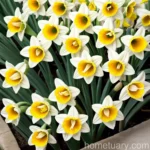
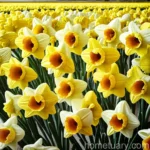
Narcissus ‘Red Ranger’ is a member of the Amaryllidaceae family and is more commonly known as the large-cupped daffodil. This perennial bulbous plant is renowned for its showy, vivid blooms, which typically emerge in the spring, signaling the arrival of the season. With a striking red-orange cup set against pristine white petals, ‘Red Ranger’ is a standout variety that commands attention in any garden or landscape.
The large-cupped daffodil is a classic emblem of spring, and its long-lasting blossoms make it a popular choice for gardeners seeking to brighten up their outdoor spaces after the winter months. ‘Red Ranger’ is not only visually stunning but also possesses a delicate fragrance, further enhancing its appeal.
Key Takeaways – Narcissus ‘Red Ranger’ (Large-Cupped Daffodil)
Before delving into the detailed care and cultivation practices for Narcissus ‘Red Ranger’, let’s take a look at some key takeaways to provide a quick overview of what will be covered in this guide:
- Plant Name: Narcissus ‘Red Ranger’ (Large-Cupped Daffodil)
- USDA Hardiness Zones: 3-8
- Bloom Period: Late spring
- Height: 16-18 inches
- Aspect: Full sun to partial shade
- Soil: Well-draining, fertile soil
- Propagation: Offsets, seeds
- Common Diseases: Narcissus bulb rot, basal rot
- Common Pests: Narcissus bulb fly, slugs
Now, let’s explore the detailed cultivation and care practices to help you successfully grow and nurture Narcissus ‘Red Ranger’ in your garden or landscape.
Culture
Uses
Narcissus ‘Red Ranger’ serves as an exceptional addition to various garden settings due to its vibrant blooms and ease of care. It can be utilized in the following ways:
- Gardens: ‘Red Ranger’ adds splashes of color to flower beds, borders, and rockeries.
- Naturalizing: It is ideal for naturalizing in woodland areas or open grassy spaces, creating drifts of charming blooms.
Water
Proper watering is essential for the optimal growth and blooming of Narcissus ‘Red Ranger’. Here are some watering guidelines for this large-cupped daffodil:
- Established Plants: Require regular watering, particularly during the growing and blooming period.
- Avoid Overwatering: Excessively wet soils can lead to bulb rot and other issues.
Sunlight
Adequate sunlight is crucial for ‘Red Ranger’ to thrive and produce robust blossoms. Consider the following sunlight requirements:
- Full Sun: Preferably positioned in areas receiving full sun for at least 6-8 hours a day.
- Partial Shade: Tolerates partial shade, particularly in hotter climates, to prevent scorching of the foliage.
Fertilizer
Proper fertilization supports the growth and flowering of Narcissus ‘Red Ranger’, ensuring healthy and vigorous plants. Here’s a recommended fertilization regimen:
- Spring Feeding: Apply a balanced fertilizer as new growth emerges to support the development of the bulbs and flowers.
- Bulb Booster: Consider a specialized bulb booster fertilizer to promote strong flowering in subsequent seasons.
Soil
The right soil conditions are essential for the successful cultivation of Narcissus ‘Red Ranger’. Optimal soil characteristics include:
- Well-Draining: Soil should be well-draining to prevent waterlogging, which can lead to bulb rot.
- Fertile: Enriched with organic matter to provide essential nutrients for bulb development and flowering.
Pruning
While daffodils do not require extensive pruning, some simple practices can promote their health and appearance:
- Deadheading: Remove spent blooms to redirect the plant’s energy into bulb development, rather than seed production.
- Foliage Care: Allow the foliage to wither naturally before cutting it back to promote nutrient storage in the bulbs.
Propagation
The propagation of Narcissus ‘Red Ranger’ can be achieved through multiple methods, including offsets and seeds. Here are some key points to consider:
- Offsets: Dividing and replanting offsets during the dormant season is a common and effective method of propagation.
- Seed Propagation: While viable, seed propagation is a longer process, often taking several years for the plants to reach blooming size.
Container Popularity
Narcissus ‘Red Ranger’ is well-suited for container cultivation, allowing for flexibility in placement and display. Consider these factors for successful container growing:
- Container Size: Choose a container with adequate depth to accommodate the bulbs and promote healthy root development.
- Well-Draining Soil: Utilize a well-draining potting mix to prevent waterlogging and related issues.
Common Diseases
Disease Diagnosis
While ‘Red Ranger’ daffodils are generally resilient, they can be susceptible to certain diseases and conditions. Some common diseases include:
- Narcissus Bulb Rot: Characterized by soft, decaying bulbs and foul odor, often caused by overly wet conditions.
- Basal Rot: Manifests as a dark, slimy rot at the base of the bulb, leading to plant collapse.
Common Pests
Narcissus ‘Red Ranger’ may encounter pest pressures, necessitating vigilance and management strategies:
- Narcissus Bulb Fly: Insect larvae that feed on and damage daffodil bulbs, leading to decay and reduced vigor.
- Slugs: These voracious pests may target daffodil foliage and blooms, particularly in damp or shaded environments.
Botanist’s Tips
Here are some valuable insights from botanists to help you succeed in growing and caring for Narcissus ‘Red Ranger’:
- Planting Depth: Ensure proper planting depth, typically around 6 inches, to promote healthy bulb development.
- Bulb Inspection: Regularly inspect bulbs for signs of rot or damage, removing and discarding affected ones to prevent spread.
Fun Facts
- The name “Narcissus” is derived from Greek mythology, referring to the character Narcissus who fell in love with his own reflection, leading to the creation of the narcissus flower.
- Daffodils, including ‘Red Ranger’, are often associated with the celebration of Easter due to their springtime blooming.
Now that we’ve covered the cultural aspects of Narcissus ‘Red Ranger’, it’s time to shift our focus to the practical aspects of caring for this delightful large-cupped daffodil.
Links to External Resources
For further in-depth information, here are some helpful external resources about Narcissus ‘Red Ranger’:
- American Daffodil Society
- Royal Horticultural Society – Daffodils
- University of Minnesota Extension – Growing Bulbs in Containers
- National Gardening Association – Daffodils
In the next section, we will delve into the detailed aspects of care, including ideal growing conditions, pest and disease management, and tips for ensuring the flourishing of Narcissus ‘Red Ranger’.
Continue reading on the next page.