Templetree (Plumeria Rubra)
Plumeria rubra, commonly known as the temple tree, is a stunning tropical plant known for its vibrant and fragrant flowers. This plant has gained immense.
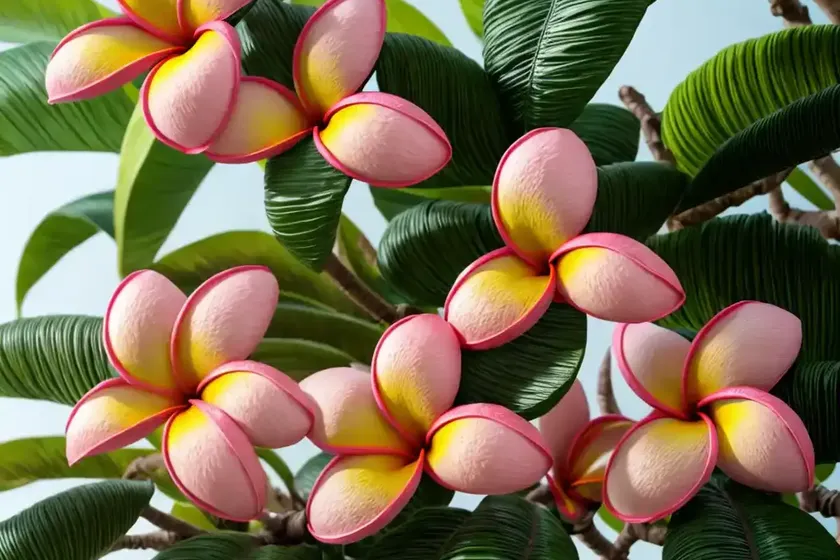
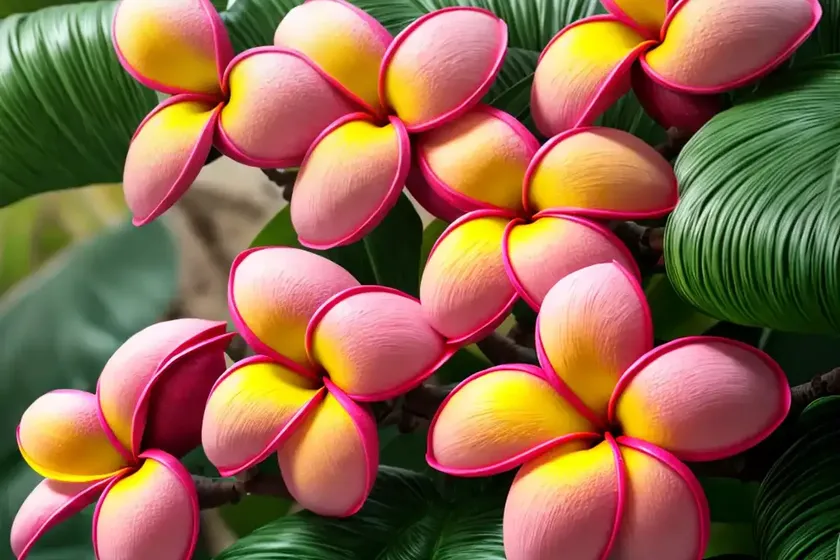
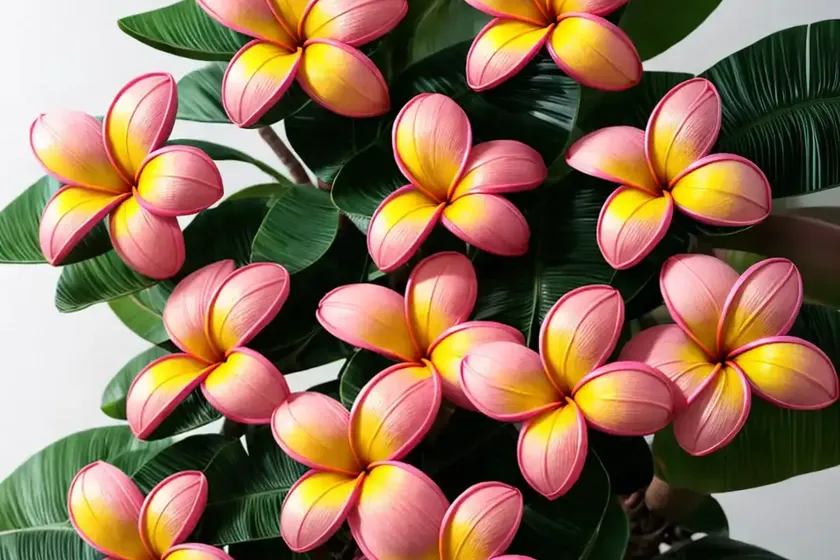
Plumeria rubra, commonly known as the temple tree, is a stunning tropical plant known for its vibrant and fragrant flowers. This plant has gained immense popularity not only for its aesthetic appeal but also for its cultural significance and diverse uses.
As a plant scientist specializing in tropical flora, I am excited to share an in-depth guide on temple tree care, cultivation, and everything you need to know to ensure the thriving of this beautiful plant.
What is Plumeria Rubra?
Plumeria rubra, belonging to the genus Plumeria, is a species of flowering plant in the family Apocynaceae. It is native to the subtropical and tropical regions of America. The temple tree is a small deciduous tree with succulent stems, often cultivated for its ornamental value and sweet-scented flowers.
Classification of Temple Tree (Plumeria Rubra)
- Kingdom: Plantae
- Order: Gentianales
- Family: Apocynaceae
- Genus: Plumeria
- Species: Plumeria rubra
Temple tree is known by various names in different cultures and regions. It is commonly referred to as “frangipani” in English-speaking countries, “Kembang Kamboja” in Indonesia, and “Temple Tree” or “Champa” in India and Southeast Asia.
Key Takeaways – Temple Tree (Plumeria Rubra)
Before delving into the specifics of temple tree care and cultivation, let’s highlight the key takeaways that will guide us through this comprehensive guide.
Temple Tree (Plumeria Rubra) Key Takeaways:
-
Cultural Significance: Temple tree holds immense cultural and religious significance in several countries, often associated with spirituality and ceremonial uses.
-
Aromatic Flowers: The vibrant and aromatic flowers of Plumeria rubra make it a sought-after plant for gardens and landscapes.
-
Suitable Climate: Temple tree thrives in warm and tropical climates, requiring adequate sunlight and well-draining soil.
-
Diversity of Uses: Beyond its ornamental value, the temple tree has medicinal uses and its flowers are used in traditional ceremonies and flower arrangements.
-
Pruning and Propagation: Proper pruning and propagation techniques are essential to maintain the health and beauty of the temple tree.
Now, let’s explore each aspect of temple tree care and cultivation in detail.
Culture
Cultural Significance of Temple Tree
Plumeria rubra has deep cultural roots in various societies, often associated with spirituality and religious ceremonies. Its significance extends to multiple traditions and rituals around the world, making it more than just a botanical curiosity.
Temple Tree Symbolism
The temple tree holds symbolic importance in different cultures. In India, the flowers of the temple tree are used for various religious ceremonies and are often associated with devotion and purity. In Hawaiian culture, the plumeria symbolizes positivity and is worn to indicate one’s relationship status. Understanding the symbolism attached to the temple tree adds an additional layer of appreciation for its beauty.
Traditional and Ceremonial Uses
The fragrant and visually appealing flowers of Plumeria rubra are used in various traditional and ceremonial practices. They are commonly used for making garlands, floral decorations, and in religious offerings. In some cultures, the flowers are believed to possess spiritual significance and are offered to deities during religious ceremonies.
Uses
Beyond its cultural and ceremonial uses, the temple tree serves multiple practical purposes, making it a versatile plant with both aesthetic and functional value.
Medicinal Uses of Plumeria Rubra
Plumeria rubra is known to have medicinal properties and has been traditionally used in natural medicine. The plant parts are used for the treatment of various ailments, including skin diseases, inflammation, and fevers. Its extracts are utilized in traditional healing systems for their therapeutic properties.
Flower Arrangements and Perfumery
The fragrant and vibrant flowers of Plumeria rubra are popular choices for flower arrangements and perfumery. The flowers are sought after for their exotic fragrance and are often used in making perfumes, essential oils, and scented candles.
Water
The correct approach to watering is crucial for the optimal growth and blooming of temple trees. However, it is important to find the right balance, as overwatering can lead to root rot and other issues.
Watering Tips for Temple Tree
-
Frequency: Water the temple tree deeply, allowing the top inch of the soil to dry out before the next watering. As a general guideline, water the plant every 7-10 days during the growing season and reduce the frequency during the dormant period.
-
Soil Moisture: Ensure adequate drainage to prevent waterlogged soil. Use well-draining soil mix and containers with drainage holes to support proper moisture levels.
-
Seasonal Adjustments: Adjust the watering frequency based on seasonal variations and the specific moisture needs of the plant. During periods of active growth and flowering, the temple tree may require more frequent watering.
Sunlight
Adequate sunlight is essential for the healthy growth and flowering of Plumeria rubra. Understanding its sunlight requirements is crucial for providing the optimal growing conditions.
Sunlight Exposure for Temple Tree
-
Full Sun: Temple trees thrive in full sunlight and require at least 6-8 hours of direct sunlight per day. Position the plant in a location where it can receive ample sunlight without being subjected to excessive heat.
-
Sunlight Intensity: While temple trees love sunlight, it is important to protect them from intense midday sun, especially in hotter regions. Providing partial shade during the peak sun hours can prevent leaf burn and dehydration.
-
Indoor Considerations: If growing temple trees indoors, place them near a south-facing window to ensure they receive sufficient sunlight. Alternatively, supplemental grow lights can be used to meet their sunlight needs.
Fertilizer
Proper nutrition is essential for the healthy growth and blooming of temple trees. Choosing the right fertilizer and understanding the application techniques is crucial for providing the necessary nutrients.
Fertilizer Requirements for Temple Tree
-
Balanced Fertilizer: Use a well-balanced fertilizer with a NPK ratio of 10-30-10 or similar formulation to support the flowering and overall growth of temple trees. Alternatively, specialized fertilizers formulated for flowering plants can be used.
-
Application Frequency: Fertilize the temple tree during the growing season, typically from spring to early fall, every 2-3 weeks. Reduce the frequency or discontinue fertilization during the dormant period.
-
Foliar Feeding: Supplemental foliar feeding can be beneficial, especially during the blooming phase, by spraying a diluted fertilizer solution on the foliage to enhance nutrient absorption.
Soil
The choice of soil and the quality of the growing medium significantly impact the overall health and vigor of temple trees. Understanding the soil requirements and the significance of well-draining soil is vital for successful cultivation.
Soil Requirements for Temple Tree
-
Well-Draining Soil: Temple trees prefer well-draining soil that prevents waterlogging and allows proper aeration of the root system. A mix of coarse sand, perlite, and organic matter such as compost or peat moss can be ideal for promoting drainage.
-
pH Level: The ideal soil pH for temple trees ranges from 6.0 to 7.5. Test the soil periodically and make necessary adjustments using pH modifiers if the levels deviate from the recommended range.
-
Container Cultivation: When growing temple trees in containers, use a high-quality potting mix designed for flowering plants. Ensure the containers have adequate drainage holes to prevent water accumulation at the root zone.
Pruning
Pruning is an essential aspect of temple tree care, contributing to the plant’s overall health, shape, and blooming potential.
Pruning Techniques for Temple Tree
-
Deadheading: Regularly remove spent flowers to promote continuous blooming and prevent the formation of seed pods, which can divert the plant’s energy from flower production.
-
Branch Maintenance: Prune the temple tree to maintain a balanced and open canopy, removing any dead, damaged, or overcrowded branches. This promotes air circulation and light penetration, reducing the risk of diseases.
-
Timing: Prune temple trees during the late winter or early spring before the onset of new growth. Avoid heavy pruning during the blooming season to prevent interrupting flower production.
Propagation
Understanding the propagation methods of Plumeria rubra is beneficial for expanding your temple tree collection and sharing the enchanting beauty of this plant with others.
Propagation Methods for Temple Tree
-
Cutting Propagation: Propagating temple trees from cuttings is a popular and effective method. Take 12-18 inch stem cuttings from mature, healthy plants and allow them to dry for a few days before planting them in a well-draining potting mix.
-
Air Layering: Another successful propagation technique involves air layering. Select a healthy branch, make a slanting incision, and encase the wounded portion with moist sphagnum moss and plastic wrap. Once roots develop, the branch can be separated and potted.
-
Seed Germination: While temple trees can be grown from seeds, bear in mind that the seedlings may not retain the exact characteristics of the parent plant. Plant the seeds in a well-draining mix and provide warmth and moisture for successful germination.
Container Popularity
Plumeria rubra is well-suited for container cultivation, allowing plant enthusiasts to enjoy its beauty in various settings, including gardens, patios, and balconies.
Container Gardening with Temple Tree
-
Container Selection: Choose spacious and sturdy containers with adequate drainage holes, as temple trees develop extensive root systems. Select containers that provide ample space for root growth and stability.
-
Potting Mix: Use a well-draining potting mix designed for flowering plants when planting temple trees in containers. Consider adding perlite or coarse sand to promote drainage and aeration.
-
Placement: Position the containers in locations that receive ample sunlight and provide protection from strong winds. Rotate the containers periodically to ensure uniform sun exposure and balanced growth.
Common Diseases
Temple trees are generally resilient plants, but they are susceptible to certain diseases that can affect their overall health and flowering. Identifying and addressing these diseases promptly is crucial for their well-being.
Disease Diagnosis in Temple Trees
-
Powdery Mildew: Look for white powdery patches on the leaves and stems, often accompanied by stunted growth. Maintain proper air circulation and apply suitable fungicides to manage powdery mildew.
-
Leaf Spot Diseases: Keep an eye out for circular, brown spots on the leaves, signaling potential fungal or bacterial infections. Prune affected foliage and apply preventive fungicidal sprays to minimize the spread of leaf spot diseases.
-
Root Rot: Monitor the soil moisture levels to prevent waterlogged conditions that can lead to root rot. Improve drainage and repot the plant if necessary to prevent the progression of this disease.
Common Pests
Several pests can pose a threat to the health and aesthetics of temple trees. Regular monitoring and preventive measures are essential for managing these potential infestations.
Common Pests Affecting Temple Trees
-
Aphids: Inspect the tender growth and underside of leaves for clusters of tiny, soft-bodied insects. Use insecticidal soaps or horticultural oils to control aphid infestations and prevent damage to the foliage.
-
Spider Mites: Watch for webbing and stippling on the leaves, indicating the presence of spider mites. Maintain a humid environment to discourage spider mites and use neem oil-based sprays to manage infestations.
-
Scale Insects: Check for small, immobile scale insects attached to the stems and leaves. Remove the scales manually and apply horticultural oil to suffocate and control the infestation.
Botanist’s Tips
For those passionate about cultivating and caring for temple trees, here are some valuable tips from a botanist’s perspective to ensure the well-being of your plants.
Botanist’s Tips for Cultivating Temple Trees
-
Prune Wisely: Practice prudent pruning techniques, focusing on removing dead or diseased branches and maintaining an open canopy to promote healthy growth and flowering.
-
Monitor Soil Moisture: Regularly assess the soil moisture levels and adjust the watering frequency based on the plant’s needs and environmental conditions to prevent water-related issues.
-
Protect from Cold: In regions with cooler temperatures, provide adequate protection from frost and cold drafts, especially during the winter months, to safeguard the temple tree from potential damage.
-
Integrated Pest Management: Embrace holistic pest management strategies, including the use of beneficial insects, natural predators, and cultural practices to maintain a balanced ecosystem and minimize pest pressures.
Fun Facts
Let’s dive into some fascinating and lesser-known facts about temple trees that add to their allure and appeal.
Interesting Tidbits about Temple Trees
-
Varied Flower Colors: The flowers of temple trees come in a wide range of colors, including vibrant shades of pink, yellow, red, and white. Some cultivars even exhibit multiple colors on a single flower.
-
Longevity of Flowers: The fragrant flowers of Plumeria rubra have an impressive longevity, often lasting for several days or even weeks, filling the surroundings with their enchanting aroma.
-
Multiple Uses of Sap: The milky sap of temple trees, known as latex, has been traditionally used for various purposes, including making natural glues, ointments, and even as a treatment for warts and skin growths.
-
Variegated Varieties: Beyond the classic solid-colored flowers, there are variegated and bi-colored varieties of temple trees, further expanding the diversity of the Plumeria rubra species.
Links to External Resources
For further exploration of temple tree care, symbolism, and cultivation, consider delving into these valuable external resources.
External Resources on Temple Tree (Plumeria Rubra)
- Plumeria Care Guide by the International Plumeria Society
- Cultural Significance of Plumeria in Indian Traditions
- Medicinal Uses of Plumeria rubra in Traditional Medicine
- Gardening Tips for Plumeria rubra by the Royal Horticultural Society
In Conclusion
Plumeria rubra, the temple tree, captivates our senses with its exquisite beauty, enchanting fragrance, and rich cultural heritage. By incorporating the insights and recommendations shared in this comprehensive guide, you can embark on a rewarding journey of temple tree cultivation, from understanding its cultural significance to providing optimal care for its flourishing growth and blooming.
Understanding the diverse uses, symbolism, and cultivation techniques associated with Plumeria rubra allows us to truly appreciate and celebrate the timeless allure of the temple tree, a botanical gem cherished worldwide for its elegance and charm.