Pineapple Plant (Ananas Comosus)
The pineapple plant, scientifically known as Ananas comosus, is a tropical fruit-bearing plant that belongs to the Bromeliaceae family. It is famed for its.
What is a Pineapple Plant?
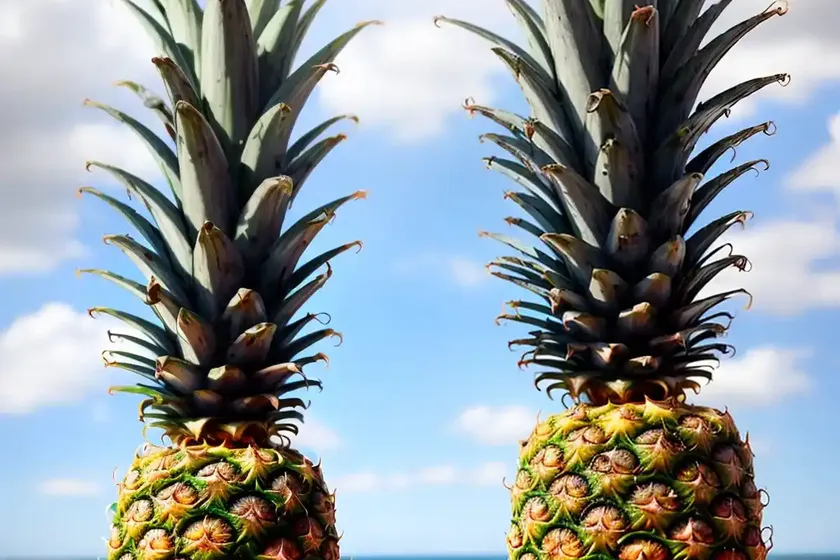
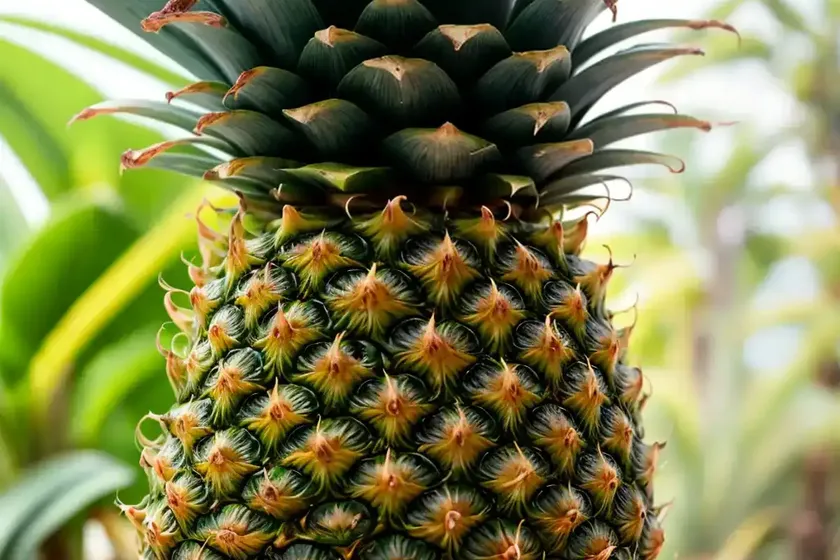
The pineapple plant, scientifically known as Ananas comosus, is a tropical fruit-bearing plant that belongs to the Bromeliaceae family. It is famed for its delicious and juicy fruit, known as the pineapple, which is not only a delectable treat but also rich in health benefits. The plant is native to South America, particularly Brazil and Paraguay, and has been cultivated for centuries due to its culinary and medicinal value.
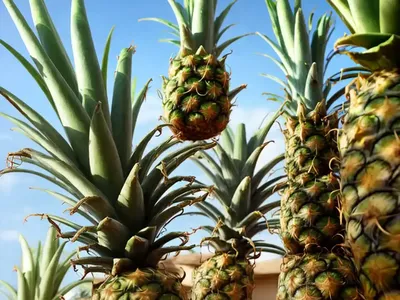
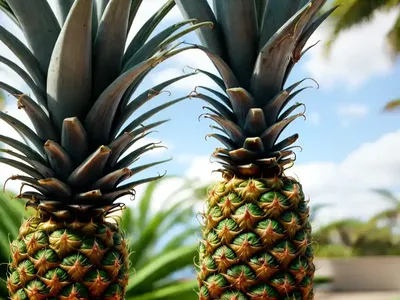
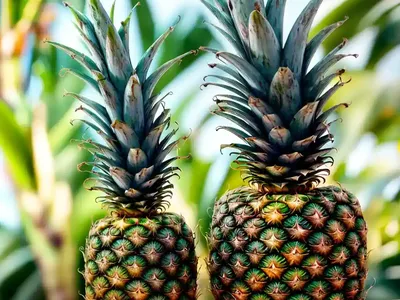
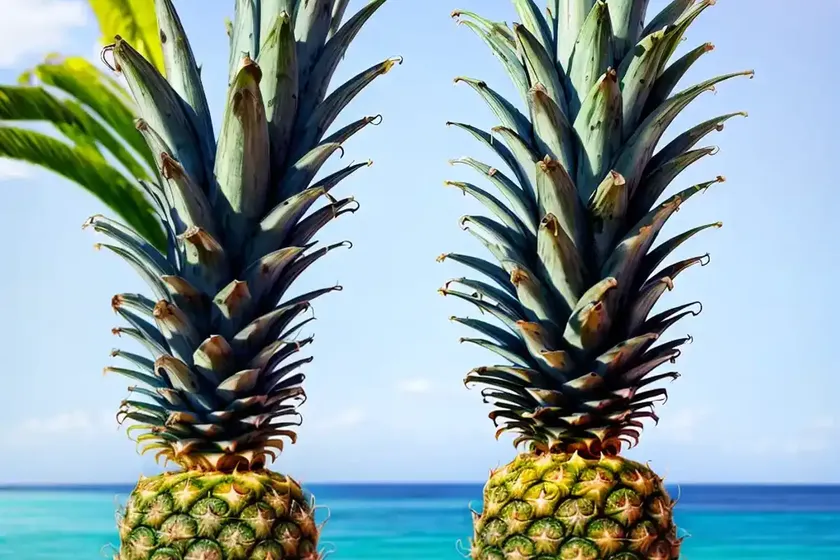
Pineapple plants are perennial, herbaceous plants that have a unique growth structure, with the fruit emerging from the center of a rosette of sword-like leaves. The plant itself is a stunning ornamental addition to any garden due to its attractive foliage and the architectural appeal of its fruit.
In this comprehensive guide, we will explore all aspects of the pineapple plant, from its cultivation and care to its uses, diseases, and pests, providing valuable information for both beginners and experienced gardeners.
Key Takeaways – Pineapple Plant (Ananas comosus)
Culture
- Origin: South America, particularly Brazil and Paraguay
- Type: Perennial herbaceous plant
- Family: Bromeliaceae
- Growth structure: Rosette of sword-like leaves with a central fruit
- Ornamental value: Attractive foliage and architectural fruit
Uses
- Culinary: The delicious fruit can be consumed fresh, juiced, or used in a variety of dishes and desserts.
- Medicinal: Pineapples are rich in vitamins, enzymes, and antioxidants, offering numerous health benefits such as improved digestion and anti-inflammatory properties.
- Ornamental: The plant’s striking appearance makes it a popular ornamental addition to gardens and landscapes.
Water
- Pineapple plants require regular watering, ensuring that the soil remains consistently moist but not waterlogged.
- During the growing season, watering should be increased, while in the winter, it should be reduced to prevent root rot.
Sunlight
- Pineapple plants thrive in bright, indirect sunlight.
- They can also tolerate partially shaded conditions but may not produce fruit as abundantly.
Fertilizer
- Regular fertilization with a balanced, water-soluble fertilizer is essential for healthy pineapple plants.
- Fertilize the plant monthly during the growing season, reducing frequency in winter.
Soil
- Well-draining, slightly acidic soil with a pH of 5.5 to 6.0 is ideal for pineapple plants.
- A mixture of peat, sand, and perlite provides the necessary growing medium.
Pruning
- Pruning is minimal for pineapple plants, primarily focusing on removing spent leaves and any dead or diseased foliage.
Propagation
- Pineapple plants can be easily propagated from the crown of the fruit.
- The crown can be cut and rooted in water before being transplanted into soil.
Container Popularity
- As an ornamental and fruit-producing plant, the pineapple plant is popular for container gardening, allowing it to be grown in various climates and locations.
Common Diseases
- Fusarium wilt
- Pineapple heart rot
- Phytophthora fruit rot
Disease Diagnosis
- Visual symptoms on the leaves, stem, or fruit
- Laboratory analysis for confirmation
- Prompt treatment and prevention methods to minimize damage
Common Pests
- Mealybugs
- Aphids
- Scales
- Mites
Botanist’s Tips
- Maintain a consistent watering schedule
- Provide adequate sunlight
- Regularly inspect for pests and diseases
- Use well-draining soil and appropriate container size
Fun Facts
- Pineapples were historically a symbol of wealth and hospitality.
- It takes approximately 18-20 months for a pineapple plant to produce a fruit.
Links to External Resources
- University of Florida IFAS Extension – Pineapple Growing in the Florida Home Landscape
- Royal Botanic Gardens, Kew – Ananas comosus (Pineapple)
- North Carolina State University – Bromeliads: A diverse and unique group of plants
- CABI Invasive Species Compendium – Ananas comosus (pineapple)
In the following sections, we will delve deep into the cultivation, care, and maintenance of the pineapple plant, exploring its unique requirements and providing expert insights on its optimal growth conditions, potential challenges, and solutions.
Pineapple Plant (Ananas comosus) Cultivation
Before diving into the specifics of caring for a pineapple plant, it is essential to understand the unique requirements for its successful cultivation. From planting to harvesting, each stage in the life cycle of the pineapple plant demands attention to detail and precision to ensure a bountiful harvest of delicious fruit.
Growing Pineapple Plants
Pineapple plants are typically propagated from the crown of a mature fruit. When selecting a pineapple to propagate, ensure that the crown is healthy and free from any signs of disease or damage. Here are the steps to grow a pineapple plant from a crown:
- Select a mature pineapple with a healthy crown.
- Twist or cut the crown from the fruit, ensuring that a small amount of fruit flesh remains attached to the base of the leaves.
- Remove the lower leaves to expose the stem.
- Allow the crown to air dry for a few days to prevent rotting.
- Once dry, place the crown in a glass of water, submerging the base of the leaves and ensuring that the stem remains above the water level.
- After a few weeks, roots will start to emerge from the base of the crown.
- Once the roots are well-established, the crown can be transplanted into a pot with well-draining soil.
The growing conditions for pineapple plants are crucial for their successful development. As tropical plants, they thrive in warm, humid climates but can also be grown in containers indoors or in cooler regions provided they receive adequate sunlight and are protected from cold temperatures.
Pineapple Plant Care Guide
The care and maintenance of pineapple plants involve a combination of factors, including watering, sunlight, fertilization, soil requirements, and disease prevention. Here is a comprehensive guide to caring for pineapple plants:
Ananas comosus Sunlight Needs
Pineapple plants thrive in bright, indirect sunlight, making them well-suited for placement in a location that receives ample natural light. When growing pineapple plants indoors, place them near a south-facing window to allow for optimal sun exposure. In regions with harsh sun or high temperatures, some partial shading may be necessary to prevent sunburn on the leaves.
Ananas comosus Soil Requirements
The ideal soil for pineapple plants is well-draining and slightly acidic, with a pH ranging from 5.5 to 6.0. A loose, aerated growing medium is essential to prevent waterlogging and root rot. A suitable soil mix for pineapple plants can be prepared by combining peat, sand, and perlite to ensure adequate drainage and aeration.
Pineapple Plant Watering
Proper watering is crucial for the health and vitality of pineapple plants. During the growing season, which typically spans from spring to fall, regular watering is essential to keep the soil consistently moist. However, it is important to avoid waterlogging, as this can lead to root rot and other issues. In winter, reduce the frequency of watering to prevent excess moisture retention in cooler temperatures.
Pineapple Plant Fertilization
Regular fertilization is imperative to support the growth and fruit production of pineapple plants. A balanced, water-soluble fertilizer can be applied monthly during the growing season. However, it is important to avoid over-fertilizing, as this can lead to salt buildup in the soil and cause nutrient imbalances in the plant.
Ananas comosus Pruning Techniques
Pruning for pineapple plants primarily involves the removal of spent leaves, dead foliage, or any signs of disease or pest infestation. By maintaining a clean and healthy growing environment, the risk of diseases and pests can be minimized, promoting the overall well-being of the plant.
Pineapple Plant Propagation
In addition to propagation from the crown of a fruit, pineapple plants can also be propagated from suckers or slips that emerge from the base of the plant. These offsets can be carefully separated from the parent plant and rooted in soil or water to establish new pineapple plants.
Ananas comosus Water Needs
The water needs of the pineapple plant can be met by providing regular and consistent moisture, ensuring that the soil remains moist but not waterlogged. Optimal watering practices are essential to prevent the onset of root rot and maintain the health of the plant.
Ananas comosus Health Benefits
In addition to being a delectable tropical fruit, pineapples offer a myriad of health benefits due to their rich nutritional profile. They are an excellent source of vitamins, enzymes, and antioxidants, making them a valuable addition to a healthy diet. Some of the key health benefits of pineapples include:
- Digestive health: Pineapples contain bromelain, an enzyme that aids in digestion and helps alleviate digestive disorders.
- Anti-inflammatory properties: Bromelain also exhibits anti-inflammatory effects, making pineapples beneficial for reducing inflammation and swelling.
- Immune system support: The high vitamin C content in pineapples strengthens the immune system and helps defend the body against infections and illnesses.
- Nutrient-rich: Pineapples contain essential nutrients such as manganese, thiamin, and vitamin B6, contributing to overall health and well-being.
By incorporating pineapples into one’s diet, individuals can harness the nutritional benefits of this tropical fruit, promoting overall health and vitality.
Ananas comosus Varieties
Pineapples are available in a range of varieties, each with its unique characteristics and flavor profiles. Some popular pineapple varieties include:
- Smooth Cayenne: A widely cultivated variety known for its excellent flavor and juiciness, often used for canning and processing.
- Queen Victoria: A small-sized pineapple with a sweet and aromatic flavor, popular for fresh consumption.
- Red Spanish: Recognized for its striking red skin and vibrant golden flesh, offering a rich and tangy flavor.
- Sugarloaf: A cylindrical pineapple with a sweet and juicy flesh, prized for its exceptional taste and texture.
Each variety offers distinct qualities and flavor nuances, allowing pineapple enthusiasts to explore a diverse range of options and choose their preferred variety based on taste preferences and culinary applications.
Pineapple Plant Facts
- The pineapple plant, Ananas comosus, is a member of the Bromeliaceae family, which includes a diverse array of tropical plants known for their striking appearance and unique growth habits.
- The fruit of the pineapple plant emerges from the center of a rosette of leaves, showcasing the plant’s distinctive growth structure.
- Pineapples are classified as multiple fruits, as they develop from a cluster of individual flowers that fuse together to form a single fruit.
- The process of pineapple fruit development spans several months, with the initial formation of the fruit followed by a gradual maturation period until it is ready for harvest.
Understanding these fascinating facts about the pineapple plant adds depth to the appreciation of its unique biological characteristics and the complex process of fruit development.
Ananas comosus Diseases
Like all plants, pineapple plants are susceptible to a range of diseases that can impact their growth and fruit production. It is essential for gardeners and cultivators to be vigilant and proactive in disease management to maintain the health and vitality of their pineapple plants.
Pineapple Plant Diseases Symptoms
- Fusarium wilt: Yellowing and wilting of leaves, stunted growth, and vascular discoloration.
- Pineapple heart rot: Softening and decay of the fruit core, often accompanied by a foul odor and discoloration.
- Phytophthora fruit rot: Water-soaked lesions on the fruit, leading to rapid decay and spoilage.
Disease Diagnosis
Diagnosing diseases in pineapple plants involves careful observation of symptoms, visual examination of plant parts, and, in some cases, laboratory analysis for confirmation. Prompt and accurate diagnosis is crucial for implementing effective treatment and prevention methods to minimize the impact of diseases on pineapple plants.
Pineapple Plant Diseases Prevention
Prevention is key to managing diseases in pineapple plants, encompassing several strategies to minimize the risk of infections and ensure plant health:
- Proper sanitation: Regularly remove dead leaves, debris, and plant material to reduce disease reservoirs.
- Adequate air circulation: Ensure sufficient airflow around plants to prevent humidity buildup and discourage disease development.
- Disease-resistant varieties: Select cultivars with inherent resistance to common pineapple diseases to minimize susceptibility.
- Balanced watering: Avoid overwatering to prevent conditions conducive to fungal diseases such as rot and wilt.
- Fungicide applications: When warranted, apply suitable fungicides to protect plants against fungal pathogens and minimize disease spread.
By implementing proactive disease prevention measures, gardeners can safeguard their pineapple plants and promote a thriving growing environment.
Pineapple Plant Pests
Pests pose a significant threat to the health and productivity of pineapple plants, necessitating vigilant monitoring and appropriate management to mitigate their impact. Some common pests that can affect pineapple plants include:
- Mealybugs: Small, soft-bodied insects that feed on plant sap, causing wilting and yellowing of foliage.
- Aphids: Tiny, pear-shaped insects that congregate on tender plant parts, sucking sap and potentially transmitting viruses.
- Scales: Hard-shelled pests that attach to stems and leaves, causing damage and excreting sticky honeydew.
- Mites: Microscopic pests that feed on plant fluids, leading to discoloration and distortion of leaves.
Pineapple Plant Pest Control
Controlling pests in pineapple plants requires integrated pest management strategies that encompass both preventive and responsive measures. Here are several approaches to effectively manage pests:
- Natural predators: Encourage beneficial insects such as ladybugs and lacewings to prey on pest populations, reducing their numbers.
- Horticultural oils: Apply horticultural oils to suffocate and deter pests while minimizing adverse effects on the plant.
- Insecticidal soaps: Utilize insecticidal soaps to disrupt pest membranes and reduce their feeding activity, particularly effective for soft-bodied pests.
- Physical removal: Remove pest-infested plant parts and pests by hand, reducing localized infestations and preventing spread.
- Cultural practices: Implement proper sanitation, soil moisture management, and plant spacing to discourage pest infestations and promote plant vigor.
By employing a combination of pest control methods, gardeners can effectively manage pest pressures and safeguard the health and vitality of their pineapple plants.
Botanist’s Tips for Growing Pineapple Plants
To ensure the successful cultivation and care of pineapple plants, it is important to adhere to key principles that promote optimal growth and fruit production. Here are some expert tips from botanists for growing healthy and vibrant pineapple plants:
-
Maintain a consistent watering schedule: Regular and balanced watering is essential to prevent under or overwatering, promoting robust plant growth.
-
Provide adequate sunlight: Position pineapple plants in a location that receives bright, indirect sunlight to support photosynthesis and fruit development.
-
Regularly inspect for pests and diseases: Vigilant monitoring allows for early detection and prompt intervention, minimizing the impact of pests and diseases.
-
Use well-draining soil and appropriate container size: Optimal soil conditions and container size ensure proper root development and prevent waterlogging.
By heeding these expert tips, gardeners can optimize the growing conditions for pineapple plants and foster a thriving and productive growing environment.
Fun Facts About Pineapple Plants
- Pineapples were historically a symbol of wealth and hospitality, often displayed as a centerpiece or served as a luxurious treat.
- The spiky crown of the pineapple fruit was used as a symbol of maritime hospitality, adorning the entrances to ports and harbors.
- It takes approximately 18-20 months for a pineapple plant to produce a fruit from the time of propagation, highlighting the patience and dedication required for cultivation.
Conclusion
The pineapple plant, Ananas comosus, is a captivating and versatile addition to both tropical landscapes and indoor gardens. Its unique growth structure, delicious fruit, and rich health benefits make it a valuable plant for cultivation and enjoyment. By understanding the specific cultural requirements, health benefits, disease management, and pest control strategies associated with pineapple plants, gardeners can nurture these tropical treasures and savor the rewards of their luscious fruit.
Through proactive care and attentive management, pineapple plants can thrive and yield an abundance of delectable fruit, enhancing both culinary delights and ornamental allure. Whether grown for its flavorful fruit, ornamental value, or health-promoting properties, the pineapple plant embodies the natural splendor and diverse utility of tropical flora.
As we celebrate the allure of the pineapple plant, let us continue to explore, appreciate, and preserve the botanical wonders that enrich our lives and inspire our passion for horticulture.
This comprehensive guide to the pineapple plant (Ananas comosus) encompasses its cultivation, care, uses, diseases, and pests, providing invaluable insights for plant enthusiasts and cultivators. By delving into the distinct facets of growing and nurturing pineapple plants, individuals can acquire the knowledge and expertise to foster healthy and thriving specimens, from propagation to fruitful harvest.
*For more information and resources on pineapple plants and horticulture, refer to the following external links and references:
- University of Florida IFAS Extension – Pineapple Growing in the Florida Home Landscape
- Royal Botanic Gardens, Kew – Ananas comosus (Pineapple)
- North Carolina State University – Bromeliads: A diverse and unique group of plants
- CABI Invasive Species Compendium – Ananas comosus (pineapple)
By exploring these valuable resources, individuals can continue to expand their knowledge and appreciation for the botanical marvels of the natural world.*