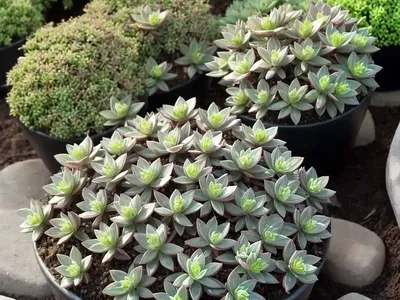
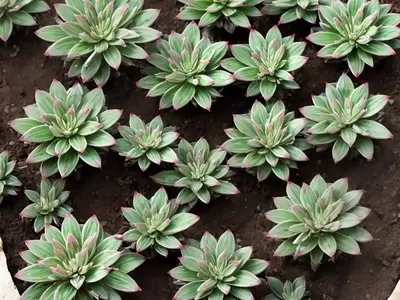
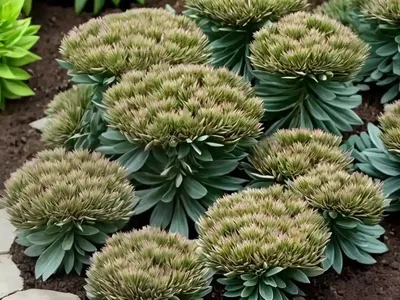
Crassula Ovata ‘Lemon & Lime’ (Crassula Ovata Cv. Lemon & Lime)
Crassula ovata, commonly known as the Jade Plant, is a popular and easy-to-care-for succulent. Within the species, there is a specific cultivar called the.
Introduction
Crassula ovata, commonly known as the Jade Plant, is a popular and easy-to-care-for succulent. Within the species, there is a specific cultivar called the “Lemon & Lime” (Crassula ovata ‘Lemon & Lime’), which showcases distinct characteristics and has gained significant popularity among plant enthusiasts. In this comprehensive guide, we will delve into the numerous facets of this unique succulent, including its culture, uses, care requirements, common diseases, and propagation techniques.
What is Crassula ovata ‘Lemon & Lime’ (Crassula ovata cv. Lemon & Lime)?
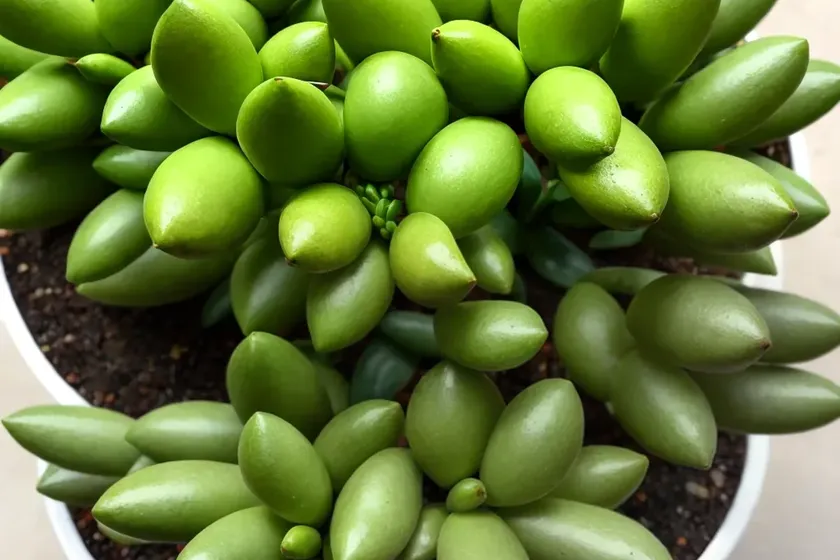
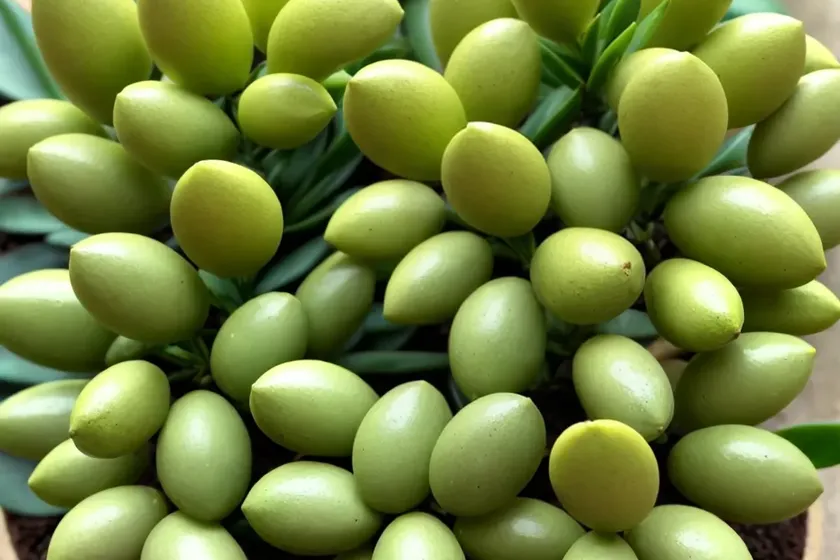
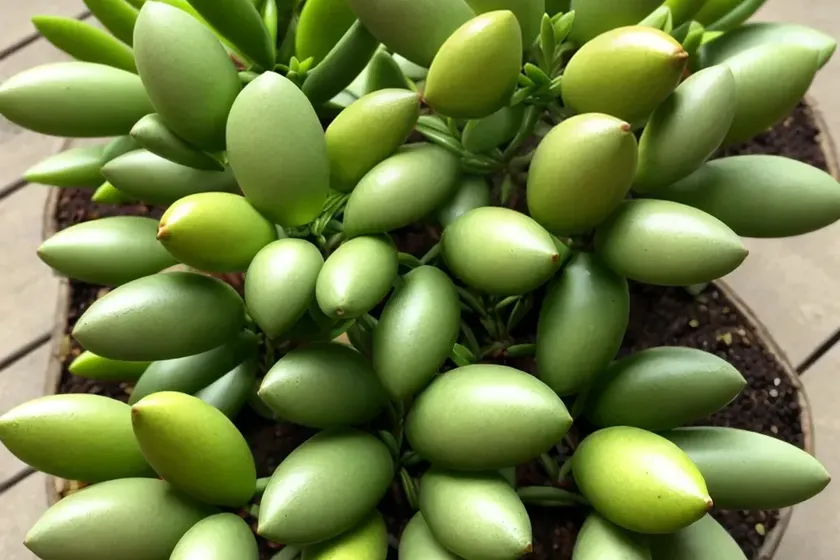
Crassula ovata ‘Lemon & Lime’ is a cultivar of the Crassula ovata species, characterized by its striking variegated foliage. This succulent is known for its vibrant green leaves with lemon and lime-colored edges, which add an ornamental touch to indoor and outdoor spaces. The Lemon & Lime variety is a popular choice for those seeking a visually appealing and low-maintenance plant to enhance their living environment.
Key Takeaways
Crassula ovata ‘Lemon & Lime’ (Crassula ovata cv. Lemon & Lime)
- Botanical Name: Crassula ovata ‘Lemon & Lime’ (Crassula ovata cv. Lemon & Lime)
- Common Names: Lemon & Lime succulent, Lemon & Lime Jade Plant
- Key Characteristics: Variegated leaves with lemon and lime-colored edges
- Care Level: Easy
- Uses: Ornamental indoor and outdoor plant
- Propagation: Via stem or leaf cuttings
- Sunlight: Bright, indirect light
- Watering: Infrequent, allowing the soil to dry out between waterings
- Soil Type: Well-draining, sandy soil mix
- Fertilization: Minimal, during the growing season
- Pruning: Occasional to maintain shape and remove dead leaves
- Common Pests: Mealybugs, scale insects
- Common Diseases: Root rot, fungal issues
Now, let’s explore each of these aspects in detail:
Culture
The culture of Crassula ovata ‘Lemon & Lime’ refers to the specific care practices and conditions required for its optimal growth and development. Understanding its cultural requirements is essential for ensuring the health and vitality of this distinctive succulent.
Uses
Indoor Ornamental Plant
Crassula ovata ‘Lemon & Lime’ is primarily used as an ornamental plant due to its visually appealing variegated foliage. When grown indoors, it adds a touch of greenery and color to living spaces, making it a popular choice for home and office environments.
Outdoor Ornamental Plant
In suitable climates, the Lemon & Lime succulent can be grown outdoors in gardens, rockeries, or as part of xeriscaping efforts. Its low-maintenance nature and unique appearance make it a desirable addition to outdoor landscapes.
Water
Proper watering is crucial for the health and longevity of the Lemon & Lime succulent. As with most succulents, overwatering can lead to root rot and other moisture-related issues. Conversely, underwatering can cause the plant to become dehydrated and lead to wilting.
-
Watering Frequency: Water thoroughly but infrequently, allowing the soil to dry out completely between waterings. The frequency of watering will vary based on factors such as temperature, humidity, and the type of soil mix used.
-
Signs of Overwatering: Yellowing or translucent leaves, soft and mushy stems, and a foul odor emanating from the soil.
-
Signs of Underwatering: Shriveled leaves, leaf drop, and dry, crispy foliage.
Sunlight
Proper sunlight exposure is essential for the Lemon & Lime succulent to thrive and maintain its vibrant coloration. Insufficient light can lead to pale or faded leaves, while excessive sunlight exposure may cause leaf burn.
-
Light Requirements: Bright, indirect light is ideal for Crassula ovata ‘Lemon & Lime.’ Position the plant near a south-facing window where it can receive ample sunlight without being exposed to direct, intense rays.
-
Signs of Inadequate Light: Leggy growth, pale or etiolated leaves, and reduced variegation.
-
Signs of Excessive Light: Sunburnt or scorched leaves, particularly along the edges.
Fertilizer
As a drought-tolerant succulent, Crassula ovata ‘Lemon & Lime’ has minimal fertilizer requirements. Over-fertilization can lead to salt buildup in the soil, causing damage to the plant’s roots and overall health.
-
Fertilization Schedule: Apply a balanced, water-soluble fertilizer at half strength once a month during the growing season (spring and summer). Cease fertilization during the plant’s dormant period in fall and winter.
-
Fertilizer Type: A well-balanced, diluted liquid fertilizer formulated for succulents or a specialized cactus fertilizer.
-
Signs of Over-Fertilization: Fertilizer burn, visible salt deposits on the soil surface, and stunted growth.
Soil
Selecting the appropriate soil mix is critical for optimizing the growth and development of Crassula ovata ‘Lemon & Lime.’ The soil should provide adequate drainage and aeration while offering essential nutrients for the plant’s overall well-being.
-
Recommended Soil Type: A well-draining, sandy soil mix is ideal for Lemon & Lime succulents. Consider using a commercial cactus or succulent mix, or prepare a custom blend by combining regular potting soil with perlite or coarse sand.
-
Soil Amendment: Incorporating organic matter, such as compost or peat moss, into the soil mix can enhance its fertility and water retention capacity.
-
Soil pH: Aim for a slightly acidic to neutral pH range, typically between 6.0 and 7.5, to support optimal nutrient uptake by the plant.
Pruning
Pruning is a maintenance practice that not only helps manage the size and shape of the Lemon & Lime succulent but also promotes air circulation and removes any dead or diseased foliage.
-
Pruning Frequency: Occasional pruning is recommended, especially to control the plant’s size and shape. Additionally, remove any withered or yellowed leaves as needed to maintain the succulent’s appearance.
-
Pruning Techniques: Use clean, sharp pruning shears to make precise cuts, ensuring minimal damage to the plant. Cut close to the stem or base of the leaf to promote proper healing.
-
Disinfection: Sterilize pruning tools between uses to prevent the spread of diseases or pathogens.
Propagation
Propagating Crassula ovata ‘Lemon & Lime’ allows plant enthusiasts to expand their collection and share this unique cultivar with others. The Lemon & Lime succulent can be propagated through both stem and leaf cuttings, each method offering its own set of advantages and considerations.
Stem Cuttings
Propagating Crassula ovata ‘Lemon & Lime’ from stem cuttings is a straightforward and reliable method that yields new plants with traits identical to the parent plant.
Propagation Steps – Stem Cuttings:
- Select a healthy, non-flowering stem with at least two leaf nodes.
- Use a clean, sharp knife or shears to make a clean cut just below a leaf node.
- Allow the cutting to callus over for a day or two to prevent excess moisture uptake.
- Plant the cutting in a well-draining soil mix, burying the cut end to a sufficient depth to provide stability.
-
Water the cutting lightly and place it in a warm, bright location with indirect sunlight.
-
Signs of Overwatering: Yellowing or translucent leaves, soft and mushy stems, and a foul odor emanating from the soil.
-
Signs of Underwatering: Shriveled leaves, leaf drop, and dry, crispy foliage.
Sunlight
Proper sunlight exposure is essential for the Lemon & Lime succulent to thrive and maintain its vibrant coloration. Insufficient light can lead to pale or faded leaves, while excessive sunlight exposure may cause leaf burn.
-
Light Requirements: Bright, indirect light is ideal for Crassula ovata ‘Lemon & Lime.’ Position the plant near a south-facing window where it can receive ample sunlight without being exposed to direct, intense rays.
-
Signs of Inadequate Light: Leggy growth, pale or etiolated leaves, and reduced variegation.
-
Signs of Excessive Light: Sunburnt or scorched leaves, particularly along the edges.
Fertilizer
As a drought-tolerant succulent, Crassula ovata ‘Lemon & Lime’ has minimal fertilizer requirements. Over-fertilization can lead to salt buildup in the soil, causing damage to the plant’s roots and overall health.
-
Fertilization Schedule: Apply a balanced, water-soluble fertilizer at half strength once a month during the growing season (spring and summer). Cease fertilization during the plant’s dormant period in fall and winter.
-
Fertilizer Type: A well-balanced, diluted liquid fertilizer formulated for succulents or a specialized cactus fertilizer.
-
Signs of Over-Fertilization: Fertilizer burn, visible salt deposits on the soil surface, and stunted growth.
Soil
Selecting the appropriate soil mix is critical for optimizing the growth and development of Crassula ovata ‘Lemon & Lime.’ The soil should provide adequate drainage and aeration while offering essential nutrients for the plant’s overall well-being.
-
Recommended Soil Type: A well-draining, sandy soil mix is ideal for Lemon & Lime succulents. Consider using a commercial cactus or succulent mix, or prepare a custom blend by combining regular potting soil with perlite or coarse sand.
-
Soil Amendment: Incorporating organic matter, such as compost or peat moss, into the soil mix can enhance its fertility and water retention capacity.
-
Soil pH: Aim for a slightly acidic to neutral pH range, typically between 6.0 and 7.5, to support optimal nutrient uptake by the plant.
Pruning
Pruning is a maintenance practice that not only helps manage the size and shape of the Lemon & Lime succulent but also promotes air circulation and removes any dead or diseased foliage.
-
Pruning Frequency: Occasional pruning is recommended, especially to control the plant’s size and shape. Additionally, remove any withered or yellowed leaves as needed to maintain the succulent’s appearance.
-
Pruning Techniques: Use clean, sharp pruning shears to make precise cuts, ensuring minimal damage to the plant. Cut close to the stem or base of the leaf to promote proper healing.
-
Disinfection: Sterilize pruning tools between uses to prevent the spread of diseases or pathogens.
Propagation
Propagating Crassula ovata ‘Lemon & Lime’ allows plant enthusiasts to expand their collection and share this unique cultivar with others. The Lemon & Lime succulent can be propagated through both stem and leaf cuttings, each method offering its own set of advantages and considerations.
- Stem Cuttings
Propagating Crassula ovata ‘Lemon & Lime’ from stem cuttings is a straightforward and reliable method that yields new plants with traits identical to the parent plant.
Propagation Steps – Stem Cuttings:
- Select a healthy, non-flowering stem with at least two leaf nodes.
- Use a clean, sharp knife or shears to make a clean cut just below a leaf node.
- Allow the cutting to callus over for a day or two to prevent excess moisture uptake.
- Plant the cutting in a well-draining soil mix, burying the cut end to a sufficient depth to provide stability.
- Water the cutting lightly and place it in a warm, bright location with indirect sunlight.
Container Popularity
Crassula ovata ‘Lemon & Lime’ is a popular choice for container gardening due to its compact size, low maintenance requirements, and visually appealing foliage. As a potted plant, it can be displayed indoors or on outdoor patios and balconies, adding a touch of greenery to various settings.
Common Diseases
Exposure to unfavorable growing conditions and improper cultural practices can make the Lemon & Lime succulent susceptible to certain diseases, compromising its overall health and appearance. Recognizing the symptoms of common diseases is crucial for timely intervention and effective management.
Root Rot
Root rot is a serious fungal disease that affects the roots of succulent plants, including Crassula ovata ‘Lemon & Lime.’ It is caused by overwatering and poorly draining soil, leading to root suffocation and decay. The disease can quickly spread, causing irreversible damage if left untreated.
Symptoms of Root Rot:
-
Yellowing or Browning of Lower Leaves: The lower leaves of the plant may exhibit discoloration, starting with yellowing and progressing to brown or black as the disease advances.
-
Soft, Mushy Roots: Upon inspection, infected roots appear waterlogged, mushy, and dark in color.
-
Wilting and Leaf Drop: The plant shows signs of wilting, and leaves may begin to drop due to root damage and inability to uptake water and nutrients.
Preventative Measures and Management:
-
Ensure proper soil drainage to prevent waterlogged conditions that favor the development of root rot.
-
Select well-draining soil mixes and containers with drainage holes to promote airflow and prevent water accumulation at the roots.
-
Adjust watering practices to allow the soil to dry out between waterings, especially during periods of reduced light and temperature.
Fungal Issues
Various fungal infections, including powdery mildew and leaf spot diseases, can affect Crassula ovata ‘Lemon & Lime’ under conditions of high humidity and poor air circulation. These infections often manifest as powdery white spots or patches on the foliage, accompanied by leaf discoloration and deterioration.
Symptoms of Fungal Issues:
-
White Powdery Residue on Leaves: Powdery mildew presents as a fine, powdery layer on the leaf surfaces, reducing the plant’s aesthetic appeal.
-
Browning and Yellowing of Leaves: Leaf spot diseases may cause the leaves to develop brown or yellow spots, eventually leading to leaf drop if the infection progresses.
Preventative Measures and Management:
-
Implement proper ventilation and air circulation around the plants, especially in indoor environments with limited airflow.
-
Avoid overhead watering and excessively wetting the foliage, as this creates conditions conducive to fungal growth and spread.
-
If fungal issues are diagnosed, consider the use of fungicidal treatments approved for use on succulent plants, following the manufacturer’s instructions.
Common Pests
Despite being a resilient and low-maintenance succulent, Crassula ovata ‘Lemon & Lime’ is susceptible to infestations by certain pests. Identifying and addressing these pest issues promptly is crucial for preventing damage and preserving the plant’s overall health and aesthetic appeal.
Mealybugs
Mealybugs are common sap-feeding pests that target succulent plants, including Crassula ovata ‘Lemon & Lime.’ These small, soft-bodied insects are often found in protected areas of the plant, such as leaf axils and stem joints, where they feed on plant sap using their piercing mouthparts.
Signs of Mealybug Infestation:
- Cottony Masses: Mealybugs produce fluffy, cottony masses or deposits on the plant, often near the leaf nodes and at the base of the stems.
- Diminished Plant Vigor: Infested plants may exhibit reduced growth, wilting, or yellowing of leaves as a result of sap loss and stress.
Control and Eradication:
-
Physically remove mealybugs by gently wiping the affected areas with a cotton swab soaked in rubbing alcohol or a mild soapy solution.
-
For severe infestations, consider using insecticidal soap or horticultural oil to control the population of mealybugs. Repeat applications may be necessary to target all life stages of the pests.
Scale Insects
Scale insects are common pests that infest various plant species, including succulents. They are known for their tough, waxy outer coverings that provide protection while they feed on plant sap.
Signs of Scale Infestation:
-
Scales on Stems and Leaves: Small, raised bumps or scales may be visible on the stems, leaves, or undersides of the foliage.
-
Sticky Residue: Scale insects excrete a sticky substance known as honeydew, which can lead to the growth of black sooty mold on the plant.
Control and Eradication:
-
Use a soft brush or a cotton swab dipped in rubbing alcohol to dislodge and remove scale insects from the affected areas of the plant.
-
Apply neem oil or horticultural oil to smother and suffocate scale insects, reducing their populations over time.
Botanist’s Tips
Crassula ovata ‘Lemon & Lime’ Care Tips
-
Optimal Temperature Range: Aim to maintain temperatures between 65°F and 75°F (18°C to 24°C) for the Lemon & Lime succulent. While it can tolerate brief periods of temperature extremes, prolonged exposure to very high or low temperatures may adversely affect the plant’s growth and health.
-
Winter Care: During the winter months, reduce watering frequency and protect the plant from cold drafts and temperature fluctuations to prevent stress and damage.
-
Outdoor Considerations: When grown outdoors, ensure that Crassula ovata ‘Lemon & Lime’ is shielded from intense midday sun to prevent leaf scorching. Additionally, protect the plant from excessive rainfall, as it prefers drier conditions.
-
Companion Plants: Pair the Lemon & Lime succulent with other drought-tolerant, low-maintenance plants, such as echeverias, haworthias, and sedums, to create visually appealing succulent arrangements.
-
Health Benefits: Beyond its ornamental value, the presence of succulents such as Crassula ovata ‘Lemon & Lime’ has been associated with potential air-purifying qualities, contributing to improved indoor air quality.
Fun Facts
-
The variegated foliage of Crassula ovata ‘Lemon & Lime’ is a result of a natural mutation, leading to the distinct lemon and lime-colored edges on the leaves.
-
In some cultures, the Jade Plant (Crassula ovata) is considered a symbol of good luck and prosperity, often gifted during housewarmings and other auspicious occasions.
-
The thick, fleshy leaves of the Lemon & Lime succulent serve as water storage organs, allowing the plant to thrive in arid and water-scarce environments.
-
Crassula ovata ‘Lemon & Lime’ is a versatile plant that can be grown in various containers, including decorative pots, hanging baskets, and even terrariums, adding charm to diverse settings.
Links to External Resources
For further information on Crassula ovata ‘Lemon & Lime’ and related topics, consider exploring the following external resources: