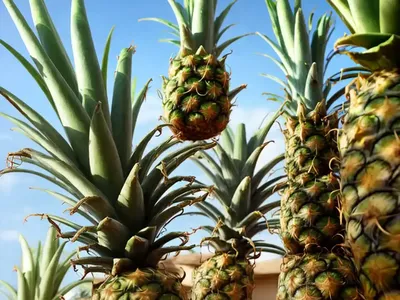
Ananas Bracteatus (Ananas Bracteatus)
What is Ananas bracteatus? Ananas bracteatus, also known as the red pineapple, is a stunning tropical plant that belongs to the Bromeliaceae family. This.
What is Ananas bracteatus?
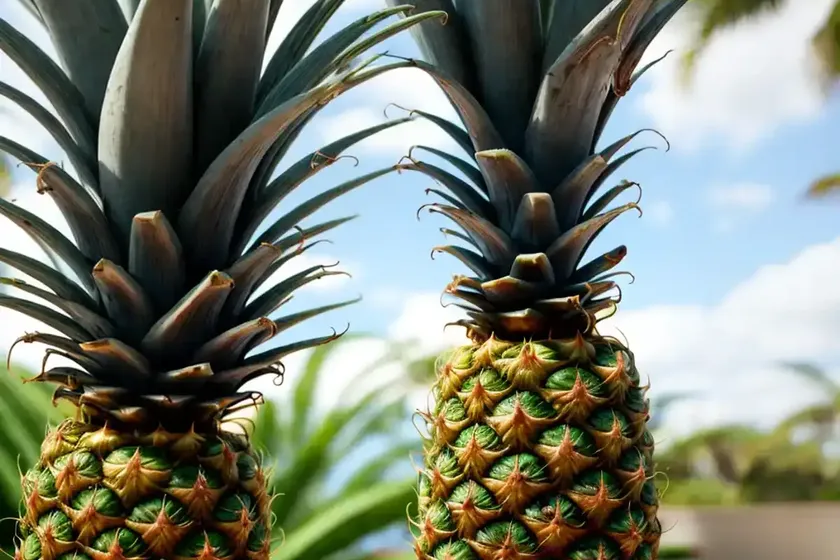
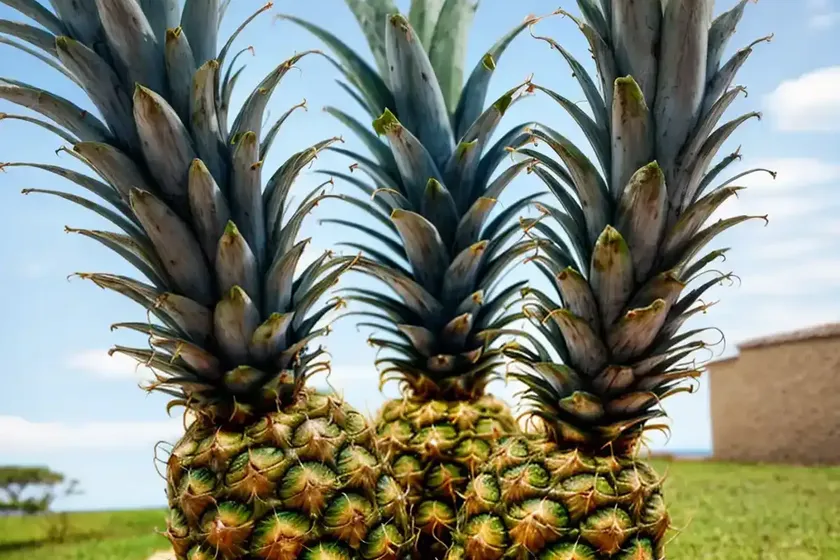
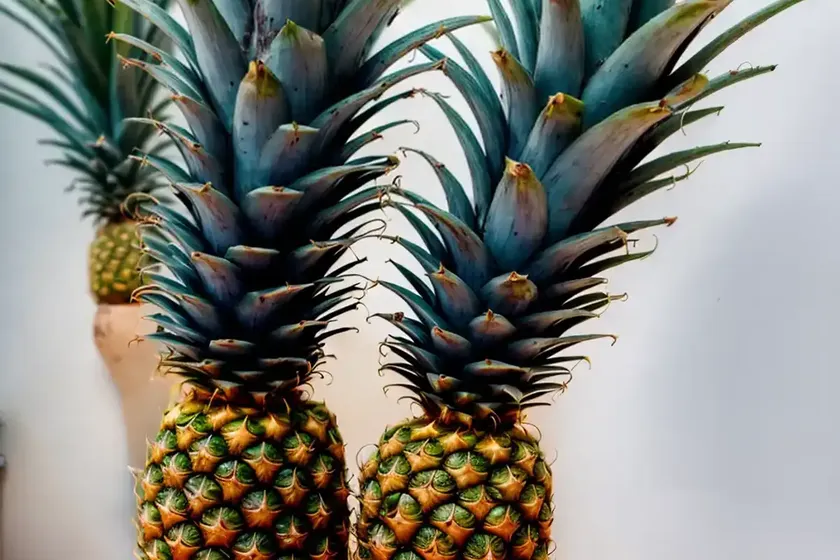
Ananas bracteatus, also known as the red pineapple, is a stunning tropical plant that belongs to the Bromeliaceae family. This particular species is native to South America, where it thrives in the lush, humid conditions of tropical rainforests. The striking red coloration of its foliage makes Ananas bracteatus a popular choice for both indoor and outdoor ornamental plantings.
Key Takeaways – Ananas bracteatus
- Natural Habitat: Native to South America, particularly found in tropical rainforests.
- Unique Characteristics: Striking red foliage, bromeliad structure.
- Cultivation: Adaptable as a houseplant and for landscaping purposes.
- Growth Habits: Epiphytic growth habit, clumping formation.
Culture
Before delving into the specifics of caring for Ananas bracteatus, understanding its natural habitat and growth habits can offer valuable insights. As an epiphytic plant, it naturally grows on other plants for mechanical support, rather than drawing nutrients from the host. This characteristic makes it an intriguing addition to both indoor and outdoor plant collections.
Uses
The uses of Ananas bracteatus are diverse, ranging from its ornamental appeal to its potential medicinal and landscaping applications. Let’s explore the different purposes for which this striking plant is cultivated.
- Ornamental: Its vibrant red foliage makes it a captivating ornamental plant for indoor and outdoor settings.
- Medicinal: Some traditional medicinal practices may utilize components of Ananas bracteatus for their potential health benefits.
- Landscaping: Given its striking appearance, Ananas bracteatus can serve as a focal point in landscaping designs, particularly in tropical gardens.
Care Guide
Successfully cultivating Ananas bracteatus requires attention to various factors, including water, sunlight, fertilizer, soil, pruning, and propagation. Let’s delve into each of these aspects to understand how to best care for this exquisite plant.
Water
Ananas bracteatus, much like many other bromeliads, has specific water requirements owing to its epiphytic nature. Here are some key considerations for watering this tropical beauty:
- Central Cup: This plant stores water in its central cup. Ensure that the cup is regularly filled to provide the plant with the required moisture.
- Avoid Overwatering: While it requires consistent moisture, overwatering Ananas bracteatus can lead to root rot. Allow the top layer of the potting mix to dry slightly before watering again.
Sunlight
Proper sunlight exposure is crucial for the vibrant growth of Ananas bracteatus. The following recommendations can help maintain its color and overall health:
- Indirect Sunlight: This plant benefits from bright, indirect sunlight. Avoid exposing it to direct sunlight for prolonged periods, as it could scorch the delicate foliage.
Fertilizer
Like many bromeliads, Ananas bracteatus has modest fertilizer needs. Consider the following when fertilizing this tropical gem:
- Mild Fertilization: Use a diluted, balanced liquid fertilizer. Apply it to the central cup of the plant, ensuring that it reaches the roots.
Soil
Given its epiphytic nature, Ananas bracteatus has distinct soil preferences. Optimal soil conditions for this species include the following:
- Well-Draining Mix: Choose a well-draining potting mix to mimic its natural habitat. Consider adding orchid bark or perlite to enhance drainage and aeration.
Pruning
Pruning is minimal for Ananas bracteatus, primarily addressing the removal of spent leaves. Key considerations for pruning include:
- Brown Leaves: Trim brown or withered leaves to maintain the plant’s visual appeal.
- Blooming Stalk: Once the plant has finished blooming, the spent stalk can be removed to encourage new growth.
Propagation
The propagation of Ananas bracteatus can be an exciting venture for plant enthusiasts. Here are some essential tips for successful propagation:
- Offsets: The plant produces offsets around its base, which can be carefully removed and potted to create new plants.
- Mature Plants: Propagation is often more successful with mature, established plants that have produced offsets.
Container Popularity
Ananas bracteatus is a popular choice for containers, adding a vibrant touch to indoor and outdoor spaces. Its adaptability makes it an attractive option for various container gardening arrangements.
Common Diseases
While relatively resilient, Ananas bracteatus can be susceptible to certain diseases. Understanding these diseases and their diagnosis is crucial for maintaining plant health.
Disease Diagnosis
Common diseases that may affect Ananas bracteatus include root rot, fungal infections, and bacterial issues. Timely identification and intervention can help mitigate these concerns effectively.
Common Pests
Ananas bracteatus, much like other plants, can encounter pest-related challenges. Being aware of common pests and their management can contribute to the plant’s well-being.
Botanist’s Tips
Here are some additional insights and tips to ensure the optimal care and cultivation of Ananas bracteatus:
- Air Circulation: Adequate air circulation is beneficial for preventing fungal issues and maintaining overall plant health.
- Growth Habit Observation: Understanding the plant’s natural growth habits can guide your care practices, such as watering and light exposure.
- Temperature Considerations: While tolerant of warm temperatures, Ananas bracteatus can benefit from slight humidity and consistent warmth for optimal growth.
Fun Facts
- The stunning red coloration of Ananas bracteatus’ leaves results from high light exposure, making it a unique and visually striking addition to any plant collection.
- The scientific name “Ananas bracteatus” directly references the striking bracts that emerge around the base of the plant’s foliage.
Links to External Resources
For further exploration of Ananas bracteatus care and cultivation, the following resources can provide valuable insights:
1. Royal Horticultural Society – Ananas bracteatus
2. American Bromeliad Society
In conclusion, Ananas bracteatus’s captivating appearance and adaptability make it a remarkable addition to both indoor and outdoor plant collections. By understanding its specific care requirements and growth habits, enthusiasts can cultivate and appreciate the striking beauty of this tropical gem.
Author: Dr. Botanist
Date: April 1, 2023