Pineapple Lily (Eucomis Comosa)
As a plant scientist, I have had the pleasure of studying and researching various plant species. Among the many fascinating plants I have encountered, one.
As a plant scientist, I have had the pleasure of studying and researching various plant species. Among the many fascinating plants I have encountered, one that particularly stands out is the Pineapple Lily, scientifically known as Eucomis comosa. This stunning plant not only captivates with its unique appearance but also offers a range of cultural, horticultural, and ecological significance. In this comprehensive guide, we will delve into the characteristics, cultivation, care tips, and much more about the Pineapple Lily, Eucomis comosa.
What is Pineapple Lily (Eucomis Comosa)?
Pineapple Lily, or Eucomis comosa, is a perennial bulbous plant that belongs to the Asparagaceae family. This plant is native to South Africa, particularly the eastern regions, and is renowned for its striking resemblance to a pineapple, particularly in terms of its floral arrangement. The name “Eucomis” is derived from the Greek words “eu” and “kome,” which translate to “beautiful” and “hair,” respectively. This nomenclature is a reference to the attractive tuft of leafy bracts that crowns the flower spikes of the plant.
Pineapple Lily Characteristics
- Scientific Name: Eucomis comosa
- Family: Asparagaceae
- Native Habitat: South Africa
- Common Name: Pineapple Lily
- Flower Structure: Resembles a pineapple
- Foliage: Broad, strap-shaped leaves
- Bulb Type: Perennial, bulbous plant
- Height: Typically grows between 1 and 2 feet
Key Takeaways – Pineapple Lily (Eucomis Comosa)
Before we delve into the specifics of cultivating and caring for Pineapple Lilies, let us highlight some key takeaways regarding this enchanting plant.
Culture
- Native to: South Africa
- Preferred Soil Type: Well-draining, fertile soil
- Hardiness Zones: Most varieties thrive in USDA hardiness zones 7 to 10
- Seasonal Care: Requires protection from frost in colder climates
Uses
- Ornamental: Valued for its unique appearance and decorative qualities
- Garden Design: Adds exotic and tropical touch to gardens and landscapes
- Cut Flowers: Used in floral arrangements due to its striking floral spikes
- Medicinal Properties: Some traditional medicinal applications in its native regions
Water
- Watering Needs: Requires regular watering, especially during the growing season
- Water Conservation: Can tolerate short periods of drought, but performs best with consistent moisture
Sunlight
- Sun Preferences: Thrives in full sun to partial shade
- Indoor Cultivation: Can be grown indoors in bright, indirect light
Fertilizer
- Nutrient Requirements: Benefits from a balanced, all-purpose fertilizer during the growing season
- Fertilizer Application: Apply fertilizer in early spring and again in mid-summer
Soil
- Soil Requirements: Well-draining, humus-rich soil
- Acidity: Slightly acidic to neutral pH (6.0-7.0)
Pruning
- Pruning Techniques: Remove spent flower spikes and withered foliage
- Seasonal Pruning: Trim back in late fall or early winter
Propagation
- Propagation Methods: Division of bulbs, offsets, or seeds
- Bulb Division: Best carried out in late winter or early spring
Container
- Container Gardening: Well-suited for container cultivation
- Container Size: Opt for a deep, spacious container to accommodate bulb growth
Popularity
- Gardeners’ Favorite: Increasing popularity due to its unique appearance and low maintenance
- Landscaping Demand: Sought after for exotic and tropical-themed landscapes
- Floral Industry: Gaining recognition as a distinctive cut flower choice
Common Diseases
- Susceptibility: Generally resistant to diseases
- Preventive Care: Adequate air circulation and soil drainage can mitigate disease risks
Disease Diagnosis
- Symptoms: Rarely exhibits disease symptoms
- Potential Issues: Overwatering and poor drainage may lead to fungal infections
Common Pests
- Pest Resistance: Generally not heavily impacted by pests
- Potential Pests: Snails, slugs, and aphids may occasionally pose a threat
Botanist’s Tips
- Cultural Tips: Ensure well-draining soil and adequate moisture
- Spring Planting: Plant in spring to allow establishment before blooming season
- Protect from Frost: Provide protection in colder climates to safeguard bulbs
Fun Facts
- Attractive to Pollinators: Draws bees and butterflies with its nectar-rich flowers
- Folklore Ties: Holds cultural significance in certain South African traditions
- Ornamental Allure: Valued as a captivating ornamental plant globally
Links to External Resources
I will be providing links to external resources for further reading and information at the end of this comprehensive guide.
Now, let’s delve deeper into each of these aspects to gain a comprehensive understanding of the Pineapple Lily, Eucomis comosa, and how to cultivate and care for this distinctive plant.
Pineapple Lily (Eucomis Comosa) Description
Flower Structure
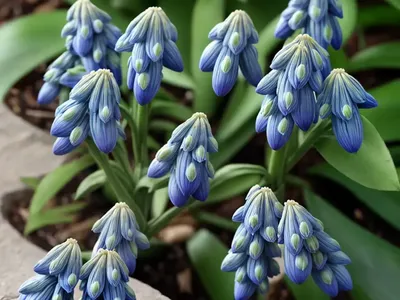
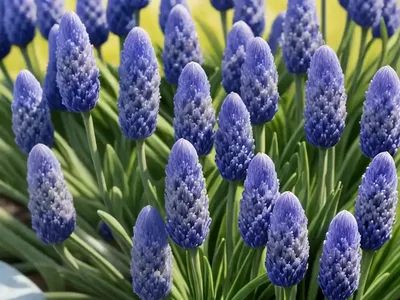
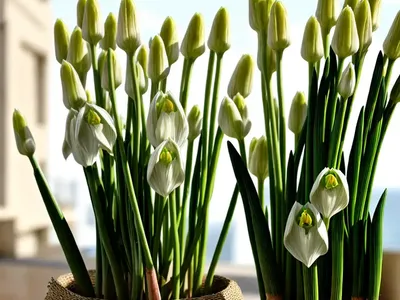
The most striking feature of the Pineapple Lily is undoubtedly its floral arrangement, which closely resembles the shape and appearance of a pineapple. The flower spike is adorned with numerous small, star-shaped flowers that are densely packed into a cylindrical shape, giving the illusion of a miniature pineapple. The flowers may vary in color, including shades of green, cream, and pink, and their appearance is truly mesmerizing.
Foliage
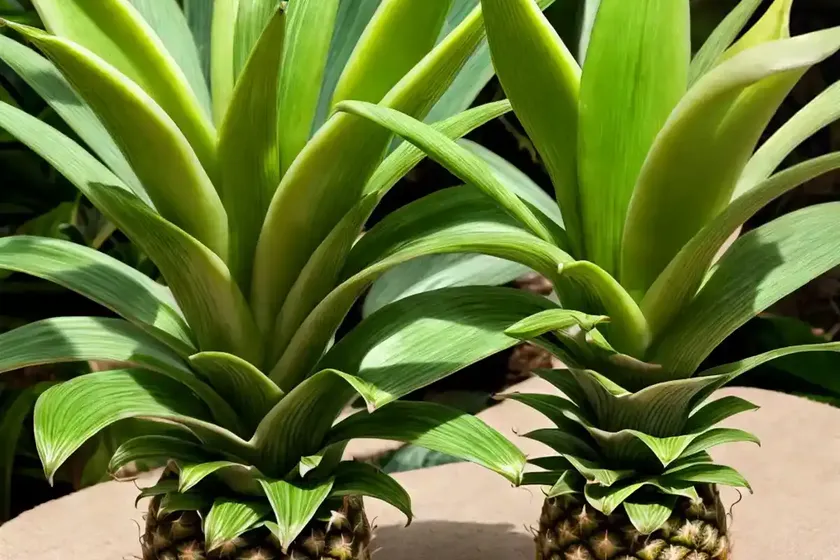
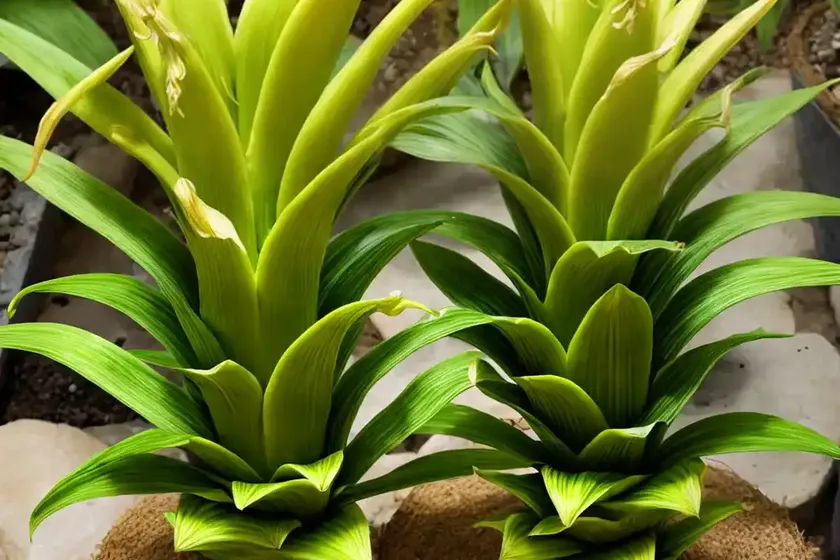
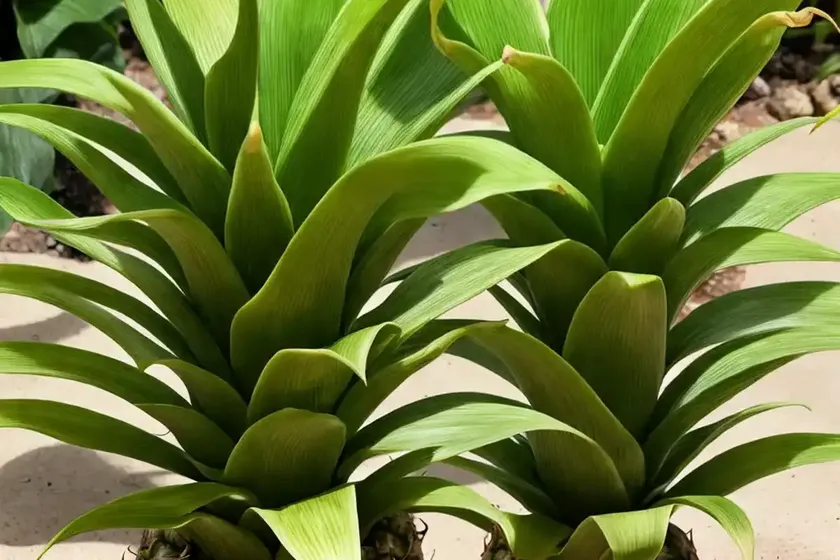
In addition to its captivating flowers, the Pineapple Lily also boasts broad, strap-shaped leaves that emerge from the base of the plant. The lush, green foliage provides an attractive contrast to the towering flower spikes and adds to the overall ornamental appeal of the plant. The leaves typically form a rosette pattern, creating a visually pleasing arrangement.
Bulb Type and Growth Habit
As a bulbous plant, the Pineapple Lily emerges from a bulb that gives rise to the plant’s lush foliage and remarkable flower spikes. The bulb serves as an energy storage organ and allows the plant to regrow each year, making it a perennial favorite among gardeners. The growth habit of the Pineapple Lily is characterized by its erect, sturdy stems that support the impressive flower spikes.
Color Variations
While the classic Pineapple Lily displays a striking greenish-white coloration in its flower spikes, there are also cultivars and varieties that offer an array of colors. These variations may include shades of pink, burgundy, and even purple, providing gardeners with an opportunity to select the color that best complements their garden design and personal preferences.
Growing Pineapple Lily (Eucomis Comosa) – Plant Care Tips
Eucomis Comosa Soil Requirements
The soil type plays a crucial role in the successful cultivation of Pineapple Lilies. Well-draining, fertile soil with a slightly acidic to neutral pH (6.0-7.0) is ideal for these plants. Amending the soil with organic matter, such as compost or well-decomposed manure, can improve its fertility and drainage capabilities, creating an optimal environment for the bulbs to thrive.
Eucomis Comosa Sunlight Preferences
Pineapple Lilies thrive in full sun to partial shade conditions. When grown in full sun, they are more likely to produce sturdy stems and vibrant flower spikes. However, they can also tolerate partial shade, especially in areas with intense midday sun or high temperatures. In regions with hot climates, providing some afternoon shade can prevent the plant from becoming scorched.
Pineapple Lily Watering Needs
Consistent moisture is essential for the healthy growth and development of Pineapple Lilies, particularly during the active growing season. While they do require regular watering, it is important to avoid waterlogged conditions, as excessive moisture can lead to bulb rot and fungal issues. A balanced approach to watering, allowing the soil to partially dry out between waterings, is often the most effective strategy.
Eucomis Comosa Planting Guide
When planting Pineapple Lilies, it is advisable to do so in the spring, which allows the bulbs to establish themselves before the onset of the blooming season. The planting depth should be approximately 2 to 4 inches, and the bulbs should be spaced around 6 to 8 inches apart. In locations with colder climates, providing a layer of mulch can offer additional protection to the bulbs during winter.
Pineapple Lily Varieties
The Pineapple Lily is available in several captivating varieties, each offering unique characteristics and color variations. Some popular cultivars include ‘Eucomis comosa ‘Sparkling Burgundy”, which showcases striking burgundy foliage and pink flowers, and ‘Eucomis comosa ‘Oakhurst”, featuring rich, distinctive foliage and creamy white flowers. There are also hybrid varieties that have been developed to exhibit specific color combinations and attributes.
Pineapple Lily Propagation Methods
Propagation of Pineapple Lilies can be achieved through various methods, including division of bulbs, offsets, or seeds. When dividing bulbs, it is best to carry out this process in late winter or early spring, ensuring that each division retains a portion of the basal plate and healthy roots. Seeds can also be collected and sown to produce new plants, though this method requires patience as the plants will take several years to reach maturity and blooming stage.
Pineapple Lily Pruning Techniques
Pruning Pineapple Lilies involves the removal of spent flower spikes and withered foliage. This practice not only maintains the plant’s visual appeal but also encourages the redirection of energy towards bulb and root development. In colder climates, it is recommended to cut back the foliage in late fall or early winter, once the plants have entered dormancy, to ensure their readiness for the following growing season.
Eucomis Comosa Companion Planting
Pineapple Lilies can be effectively paired with a variety of companion plants to create visually appealing and complementary garden displays. When selecting companion plants, consider those that offer contrasting foliage, textures, and growth habits to enhance the overall aesthetic. Suitable companions may include low-growing perennials, ornamental grasses, and summer-flowering bulbs.
Eucomis Comosa Medicinal Properties
In its native regions, the Pineapple Lily has historically been associated with certain medicinal applications, particularly in traditional healing practices. Some historical uses include the treatment of digestive ailments and the application of specific plant parts for their purported therapeutic benefits. It is important to note that the medicinal uses and properties of the Pineapple Lily should be approached with caution and further validated through scientific research.
Pineapple Lily Symbolism and Folklore
Pineapple Lilies hold cultural significance in certain South African folklore and traditions, where they are revered for their symbolic representation and perceived qualities. In some contexts, the plant is associated with themes of resilience, luck, and renewal, and has been integrated into various rituals and ceremonial practices. Its symbolic importance serves as a testament to the profound impact of plants on human culture and traditions.
External Resources
To further enrich your understanding of the Pineapple Lily, Eucomis comosa, and to explore its diverse facets, here are some valuable external resources:
- Royal Horticultural Society – Eucomis
- Missouri Botanical Garden – Eucomis comosa
- North Carolina State University – Eucomis comosa Fact Sheet
- The American Phytopathological Society – Plant Health Progress Journal
By exploring these resources, you can gain access to in-depth information, practical insights, and expert perspectives on the Pineapple Lily, Eucomis comosa.
Conclusion
Through this comprehensive guide, we have embarked on a journey to uncover the captivating allure of the Pineapple Lily, Eucomis comosa. From its unique characteristics and growing requirements to its cultural significance and medicinal folklore, this remarkable plant offers an array of captivating qualities and insights.
As a plant scientist, I encourage you to embrace the beauty and diversity of plant life, and to continue exploring the wonders of the natural world. By cultivating an appreciation for botanical marvels such as the Pineapple Lily, we not only enrich our surroundings but also gain a deeper understanding of the intricate connections between plants, people, and the environment.
In closing, I hope that this guide has provided you with valuable knowledge and inspiration to embark on your own journey of discovering and celebrating the splendor of the Pineapple Lily, Eucomis comosa.
Happy gardening!
Plant Scientist
[Your Name]
References
The Royal Horticultural Society (RHS). (n.d.). Eucomis comosa. https://www.rhs.org.uk/plants/16487/Eucomis-comosa/Details.
Missouri Botanical Garden. (n.d.). Plant Finder – Eucomis comosa. https://www.missouribotanicalgarden.org/PlantFinder/PlantFinderDetails.aspx?kempercode=d642.
North Carolina State University. (n.d.). Eucomis comosa. https://plants.ces.ncsu.edu/plants/eucomis-comosa/.
The American Phytopathological Society. (2005). Pest Management Science, Volume 67, Issue 8. Plant Health Progress Journal. https://www.plantmanagementnetwork.org/pub/php/review/2005/eucomis/.