Cordyline Australis (Cordyline ‘red Sensation’)
Cordyline Australis, commonly known as the Cabbage Tree or Ti Kouka, is an evergreen tree that belongs to the Asparagaceae family. This plant is native to.
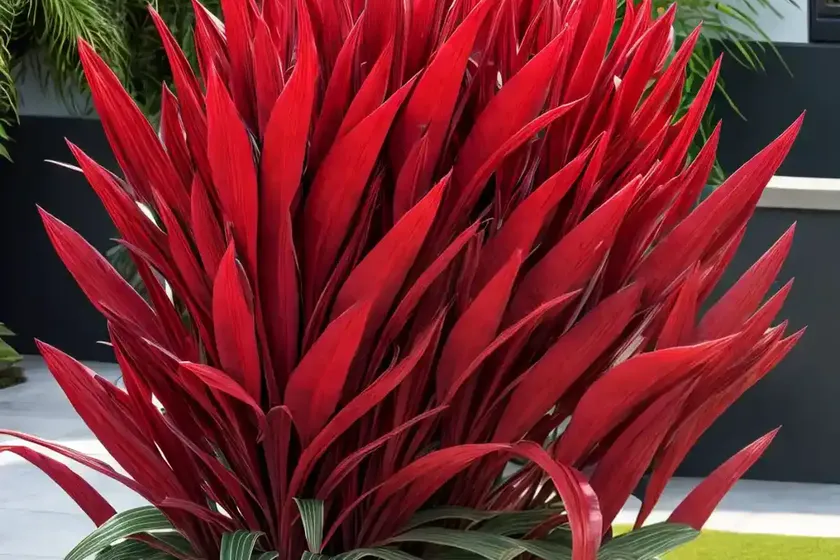
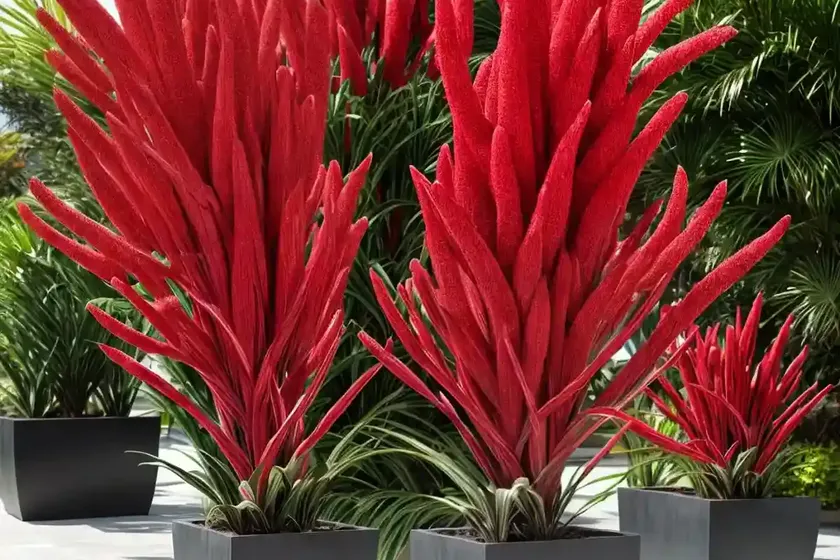
What is Plant: Cordyline Australis (Cordyline ‘Red Sensation’)
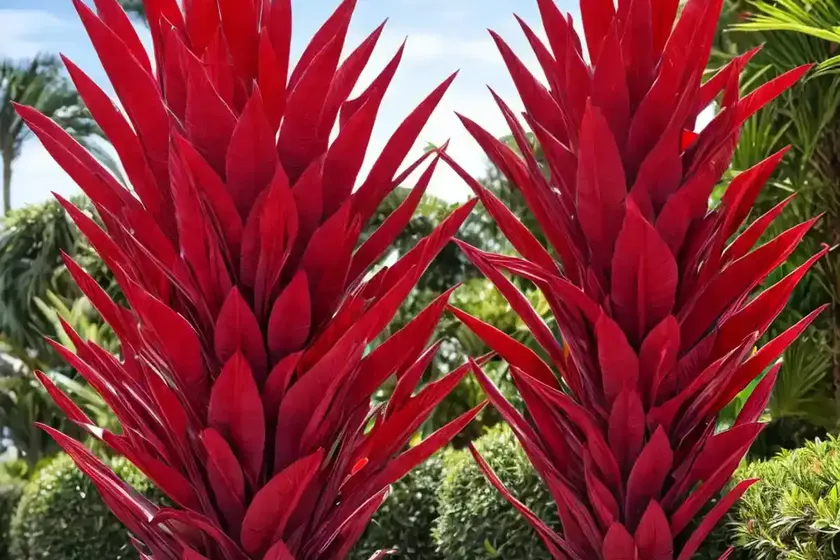
Cordyline Australis, commonly known as the Cabbage Tree or Ti Kouka, is an evergreen tree that belongs to the Asparagaceae family. This plant is native to New Zealand and has gained popularity in gardens and landscapes around the world due to its stunning foliage and adaptability to different environments.
The variety ‘Red Sensation’ is particularly sought after for its striking, burgundy-red leaves that add a dramatic flair to any garden or indoor setting. With its eye-catching appearance and relatively low maintenance requirements, Cordyline ‘Red Sensation’ has become a favorite amongst gardeners and landscapers.
Key Takeaways – Cordyline Australis (Cordyline ‘Red Sensation’)
Culture
- Scientific Name: Cordyline Australis
- Variety: ‘Red Sensation’
- Common Names: Cabbage Tree, Ti Kouka
- Family: Asparagaceae
- Native: New Zealand
- Type: Evergreen Tree
Uses
- Garden Ornamental: Adds color and texture to landscape designs
- Indoor Plant: Often grown as a houseplant for its aesthetic appeal
- Foliage: The vibrant leaves make it a popular choice for decorative purposes
Water
- Moderate Watering: Requires regular watering, especially during the growing season
- Avoid Waterlogging: Ensure well-draining soil to prevent water accumulation around the roots
- Drought Tolerant: Can withstand short periods of drought once established
Sunlight
- Partial to Full Sun: Thrives in bright light conditions
- Shade Tolerant: Can tolerate partial shade, but color intensity may diminish
Fertilizer
- Balanced Fertilizer: Apply a slow-release, balanced fertilizer during the growing season
- Fertilize Sparingly: Avoid over-fertilization to prevent damage to the plant
Soil
- Well-Draining Soil: Prefers fertile, well-draining soil
- pH: Can tolerate a wide pH range, but slightly acidic to neutral soil is ideal
- Mulching: Mulch around the base to retain moisture and suppress weeds
Pruning
- Minimal Pruning: Remove dead or damaged leaves as needed
- Maintain Shape: Regular deadheading can help maintain a tidy appearance
Propagation
- Seed Propagation: Can be grown from seeds, although it may take several years to reach maturity
- Offsets: Offsets or side shoots from mature plants can be separated for propagation
Container Popularity
- Well-Suited for Containers: A popular choice for container gardening, both indoors and outdoors
- Dramatic Focal Point: ‘Red Sensation’ variety adds a bold statement to container arrangements
Container Common Diseases
- Root Rot: Overwatering or poor drainage can lead to root rot
- Pest Infestation: Insects and pests may target potted specimens
Disease Diagnosis
- Inspect Leaves and Stems: Look for discoloration, wilting, or abnormal growth patterns
- Soil Analysis: Check for moisture levels and signs of fungal growth in the soil
Common Pests
- Aphids: Watch for aphid infestations, particularly on new growth
- Mealybugs: These pests may congregate in leaf axils and crevices
Botanist’s Tips
- Protect from Frost: In colder climates, provide protection from frost to prevent damage
- Regular Inspection: Monitor for signs of pests and diseases, especially in indoor settings
- Consider Microclimates: Determine the plant’s ideal microclimate to optimize growth
Fun Facts
- The traditional Maori practice of using Cordyline leaves for weaving and thatching has been a part of New Zealand’s cultural heritage for centuries.
- Cordylines are known for their striking, palm-like appearance, lending a tropical ambiance to gardens and landscapes.
Links to External Resources
- Royal Horticultural Society: Growing Cordylines
- Gardening Know How: Caring for Cordyline Plants
- University of Florida IFAS Extension: Cordyline fruticosa
These resources provide comprehensive information on the care, cultivation, and landscaping uses of Cordyline Australis and its ‘Red Sensation’ variety.
In conclusion, Cordyline Australis, particularly the ‘Red Sensation’ variety, is a versatile and visually captivating plant that can flourish in various settings, from gardens to indoor spaces and container arrangements. By understanding its cultural requirements, propagation methods, and potential challenges, plant enthusiasts can cultivate and enjoy the unique beauty of Cordyline ‘Red Sensation’ while ensuring its long-term health and vigor.
Remember to always refer to reliable sources and seek expert advice when in doubt about caring for specific plant varieties. Happy gardening!