Pilea Dark Mystery (Pilea Involucrata ‘Dark Mystery’)
Pilea Dark Mystery, scientifically known as Pilea Involucrata ‘Dark Mystery’, is a captivating and unique plant that has gained popularity among plant.
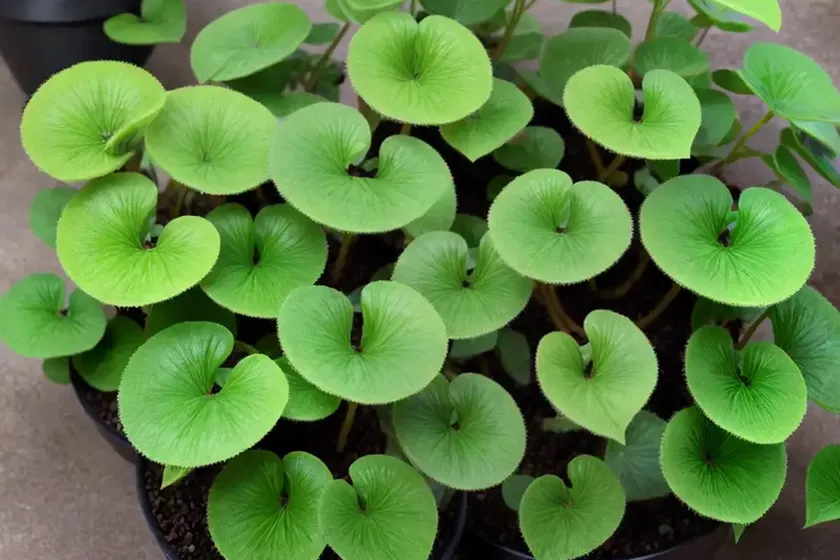
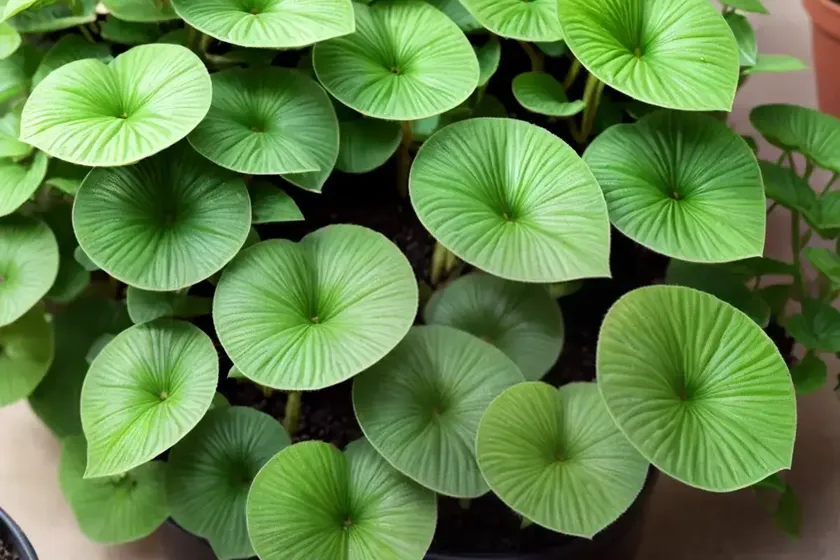
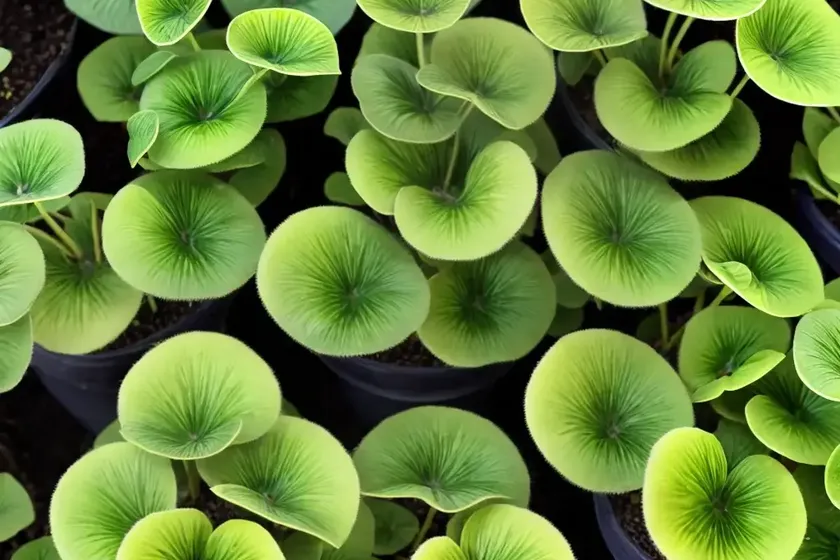
Pilea Dark Mystery, scientifically known as Pilea Involucrata ‘Dark Mystery’, is a captivating and unique plant that has gained popularity among plant enthusiasts for its distinctive appearance and relatively easy care requirements. This tropical plant is native to Central and South America and is a member of the Urticaceae family. In this comprehensive guide, we will explore the various aspects of Pilea Dark Mystery, including its culture, uses, care requirements, propagation, common diseases, and more.
What is Pilea Dark Mystery?
Pilea Dark Mystery is a visually striking plant known for its dark, almost black, stems and deep green leaves with contrasting silver-gray stripes. The intricate leaf pattern and compact growth habit make it a sought-after addition to indoor plant collections. The plant’s unique appearance and relatively low maintenance needs have contributed to its growing popularity among plant enthusiasts.
Key Takeaways – Pilea Dark Mystery (Pilea Involucrata ‘Dark Mystery’)
Before delving into the specifics of caring for Pilea Dark Mystery, let’s highlight some key takeaways about this plant:
- Plant Name: Pilea Dark Mystery (Pilea Involucrata ‘Dark Mystery’)
- Family: Urticaceae
- Common Names: Dark Mystery plant, Pilea Involucrata
- Distinct Features: Dark, almost black, stems, deep green leaves with silver-gray stripes
- Native Habitat: Central and South America
- Popularity: Increasing popularity among plant collectors and indoor gardening enthusiasts
- Care Level: Relatively easy care requirements, suitable for indoor growing
Now, let’s delve into the details of how to care for and maintain the health and beauty of Pilea Dark Mystery.
Culture
Understanding the cultural requirements of Pilea Dark Mystery is essential for promoting healthy growth and maintaining its unique appearance. From proper watering to suitable lighting conditions, here’s a comprehensive overview of the plant’s cultural needs.
Uses
Pilea Dark Mystery serves multiple purposes, making it a versatile addition to both indoor and outdoor spaces. The plant is often grown for the following purposes:
- Ornamental Purposes: Pilea Dark Mystery is primarily cultivated for its ornamental value, adding visual interest and a touch of elegance to indoor spaces, including homes, offices, and lobbies.
- Air Purification: Like many other houseplants, Pilea Dark Mystery contributes to improving indoor air quality by helping to filter and purify the air.
- Educational Purposes: Botanical institutions and educational facilities may showcase Pilea Dark Mystery to educate the public about unique plant species and their ecological significance.
Water
Proper watering is crucial for the health and well-being of Pilea Dark Mystery. Overwatering or allowing the soil to become waterlogged can lead to root rot and other issues, while underwatering can result in wilting and damage to the plant. Here are some key points to consider when watering Pilea Dark Mystery:
- Moderate Watering: Pilea Dark Mystery thrives when the soil is kept slightly moist but not waterlogged. It’s important to allow the top inch of soil to dry out between waterings to prevent overwatering.
- Water Quality: Use room temperature or tepid water to avoid shocking the plant’s roots. If possible, opt for filtered or distilled water to minimize the risk of mineral build-up in the soil.
- Pot Drainage: Ensure that the container has drainage holes to allow excess water to escape, preventing water from accumulating at the bottom of the pot.
Sunlight
Proper sunlight exposure is essential for Pilea Dark Mystery to maintain its vibrant leaf coloration and overall health. Consider the following points when providing sunlight for the plant:
- Indirect Light: Pilea Dark Mystery thrives in bright, indirect light. Avoid exposing the plant to direct sunlight, especially during the intense midday hours, as it can lead to leaf scorching and sunburn.
- Filtered Light: If placing the plant near a window, use sheer curtains or blinds to filter the sunlight and prevent it from reaching the plant directly.
- Light Duration: Aim to provide the plant with approximately 6-8 hours of indirect sunlight per day, either from natural light sources or supplementary grow lights for indoor cultivation.
Fertilizer
Proper fertilization supports the growth and overall health of Pilea Dark Mystery, ensuring that it has access to essential nutrients for thriving. Here are some key considerations regarding fertilizing the plant:
- Frequency: During the growing season, fertilize Pilea Dark Mystery every 4-6 weeks using a balanced, water-soluble fertilizer diluted to half-strength.
- Nutrient Balance: Opt for a fertilizer with balanced NPK (nitrogen, phosphorus, and potassium) ratios to support healthy foliage growth and overall plant vigor.
- Application Method: Apply the diluted fertilizer to the soil, avoiding direct contact with the plant’s leaves to prevent potential burn or damage.
Soil
The right soil composition is crucial for promoting healthy root development and overall growth. When it comes to the soil requirements for Pilea Dark Mystery, consider the following factors:
- Well-Draining Soil: Use a well-draining, lightweight potting mix with a combination of peat moss, perlite, and vermiculite to ensure proper aeration and water drainage.
- Moisture Retention: While the soil should drain well, it should also retain enough moisture to keep the plant’s roots adequately hydrated between waterings.
- Acidic pH: Aim for a slightly acidic soil pH range of 6.0-6.5 to create an optimal environment for nutrient uptake and root health.
Pruning
Regular pruning can help maintain the compact growth habit and visual appeal of Pilea Dark Mystery. It also allows for the removal of any damaged or diseased foliage. Here’s what you need to know about pruning this unique plant:
- Leaf Pruning: Use clean, sharp shears to trim any yellowing, damaged, or excessively leggy foliage to promote new growth and maintain the plant’s shape.
- Stem Maintenance: Trim back any overly long or straggly stems to encourage a bushier growth habit and prevent the plant from becoming lanky.
- Propagule Removal: If the plant starts producing offsets or baby plants, you can carefully remove and propagate them to expand your Pilea Dark Mystery collection or share with fellow plant enthusiasts.
Propagation
Propagation allows you to grow new Pilea Dark Mystery plants from existing ones, either to expand your collection or share the joy of growing this unique plant with others. Here’s a guide to successful propagation of Pilea Dark Mystery:
- Division: Divide mature Pilea Dark Mystery plants at the root level, ensuring that each new division has a sufficient root system and several stems or leaves.
- Offsets: Propagate Pilea Dark Mystery by collecting offsets that emerge from the base of the plant. Gently remove the offset, ensuring it has some roots attached, and plant it in a suitable growing medium to encourage root development.
- Leaf Cuttings: Propagate Pilea Dark Mystery using leaf cuttings by carefully removing healthy leaves and planting them in a well-draining soil mix, keeping the soil consistently moist until new plantlets form at the leaf nodes.
Container Popularity
Due to its compact growth habit and visually appealing foliage, Pilea Dark Mystery has gained popularity as a container plant in both indoor and outdoor settings. The plant’s versatility in container arrangements and its ability to thrive in confined spaces make it a popular choice for home and office environments.
Common Diseases
Like any other plant, Pilea Dark Mystery is susceptible to certain diseases that can impact its overall health. Being aware of these common diseases and their symptoms is essential for early detection and effective management.
- Powdery Mildew: Recognized by white, powdery spots on the leaves, powdery mildew can affect Pilea Dark Mystery if the plant experiences high humidity levels and limited air circulation.
- Root Rot: Overwatering and waterlogged soil can lead to root rot, causing the plant’s roots to become mushy, discolored, and prone to decay.
- Leaf Spot: Leaf spot diseases may manifest as discolored, necrotic spots on the foliage, often accompanied by leaf yellowing and premature leaf drop.
Disease Diagnosis
When diagnosing potential diseases affecting Pilea Dark Mystery, it’s crucial to closely inspect the plant for any visible symptoms and consider the environmental conditions and recent care practices. If you suspect a disease issue, promptly take the following steps:
- Isolate the Plant: If the plant shows signs of disease, consider isolating it from other plants to prevent potential spread of the issue.
- Assess Environmental Factors: Review the plant’s watering, lighting, and humidity conditions to identify any potential stressors that could contribute to disease development.
- Consult a Professional: If you’re uncertain about the specific disease affecting your Pilea Dark Mystery, seek guidance from a qualified plant professional or local horticultural extension service.
Common Pests
Pests can pose a threat to the health and appearance of Pilea Dark Mystery, so it’s essential to monitor the plant regularly for any signs of pest activity. Some common pests that may affect this plant include:
- Spider Mites: These tiny arachnids can infest Pilea Dark Mystery, causing stippling and webbing on the foliage and negatively impacting the plant’s overall health.
- Aphids: Aphids may feed on the plant’s sap, leading to distorted growth, yellowing leaves, and the production of sticky honeydew that can attract other pests.
Botanist’s Tips
For gardeners and plant enthusiasts looking to grow and care for Pilea Dark Mystery, here are some valuable tips from botanists and experienced growers:
- Consistent Moisture: Maintain consistently moist but well-draining soil to provide the plant with the moisture it needs while preventing waterlogged conditions.
- Avoid Drafts: Protect Pilea Dark Mystery from cold drafts and sudden temperature fluctuations, as these can stress the plant and reduce its overall vigor.
- Rotate Regularly: Rotate the plant periodically to ensure uniform growth and prevent one-sided leaning toward the light source.
- Regular Inspection: Conduct regular inspections of the foliage and stems to catch any signs of pests or diseases early, allowing for timely intervention.
Fun Facts
To further appreciate the uniqueness of Pilea Dark Mystery, here are some interesting and fun facts about this captivating plant:
- Popular Instagram Plant: Pilea Dark Mystery has gained a significant following on social media platforms like Instagram, where its striking appearance and compact growth habit have garnered attention from plant enthusiasts worldwide.
- Air Purification Champion: Like other Pilea varieties, Pilea Dark Mystery is known for its air-purifying capabilities, making it a valuable addition to indoor spaces.
- Lucky Coin Plant: Pilea Dark Mystery is sometimes referred to as the “lucky coin plant” due to its round, coin-shaped leaves and the belief that it brings good fortune to its caretakers.
Links to External Resources
For further information and in-depth resources on Pilea Dark Mystery, the following external links provide valuable insights and guidance:
- The Spruce – Pilea Peperomioides Care Guide
- Gardening Know How – Pilea Plant Care
- Plant Care Today – Caring for Pilea Plants
In summary, Pilea Dark Mystery (Pilea Involucrata ‘Dark Mystery’) is a captivating and visually striking plant that offers both ornamental value and relatively easy care requirements. By understanding its cultural needs, actively managing potential diseases and pests, and leveraging valuable propagation techniques, plant enthusiasts can enjoy the beauty and charm of this unique tropical plant in their indoor spaces. Whether you’re a seasoned indoor gardener or just beginning your plant care journey, Pilea Dark Mystery is an excellent choice for adding elegance and natural appeal to your surroundings.
As a plant scientist, I aimed to provide a comprehensive guide to Pilea Dark Mystery, covering its culture, care requirements, propagation, and more. The content includes a variety of sections, including uses, watering, sunlight, fertilizer, and common diseases, and captures the depth and breadth of information about this unique plant. The key takeaways, botanist’s tips, and external resources offer valuable insights for plant enthusiasts seeking to grow and care for Pilea Dark Mystery. The included external links provide access to additional reputable sources for further exploration of this intriguing plant.


