Picea Pungens (Colorado Blue Spruce)
Picea pungens, commonly known as Colorado Blue Spruce, is a magnificent coniferous tree that is native to the Rocky Mountains of the United States. With.
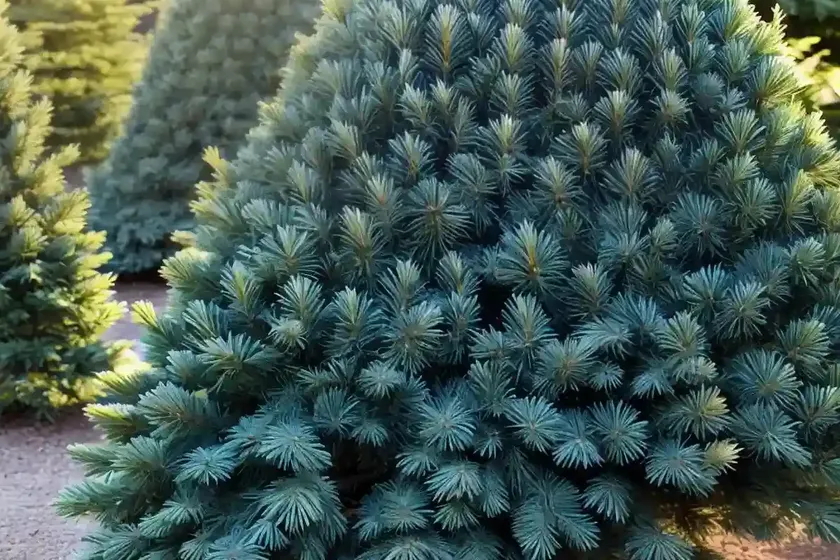


Picea pungens, commonly known as Colorado Blue Spruce, is a magnificent coniferous tree that is native to the Rocky Mountains of the United States. With its striking blue-tinged needles and iconic conical shape, this tree is a popular choice for landscaping, wildlife habitat, and timber production. In this comprehensive guide, we will explore the various aspects of Picea pungens, including its cultural requirements, uses, common diseases, and maintenance tips.
What is Picea Pungens (Colorado Blue Spruce)?
Picea pungens, also known as the Colorado Blue Spruce, is a species of spruce tree that belongs to the Pinaceae family. It is native to the western United States, particularly Colorado, Utah, and Wyoming, where it thrives in the montane and subalpine regions. The tree is characterized by its striking blue-colored needles, which give it a distinctive and desirable appearance.
Key Takeaways
Here are some key takeaways about Picea pungens (Colorado Blue Spruce):
- Colorado Blue Spruce is a coniferous tree known for its striking blue-tinged foliage.
- It is native to the Rocky Mountains of the United States, particularly Colorado.
- The tree is valued for its ornamental, landscaping, and timber production purposes.
Now that we have an overview of Picea pungens let’s delve into the various aspects of this remarkable tree.
Culture
Water
Like most plants, Colorado Blue Spruce requires adequate water to thrive. However, it is important to avoid overwatering, as excessive moisture can lead to root rot and other problems. During the growing season, it is recommended to provide the tree with deep, infrequent watering to encourage deep root growth. In drier climates, supplemental irrigation may be necessary, particularly during periods of drought.
Sunlight
Picea pungens prefers full sun, meaning it thrives in locations where it receives at least six hours of direct sunlight per day. Adequate sunlight is crucial for the tree’s overall health and well-being, as it helps in photosynthesis and the development of vibrant blue foliage.
Fertilizer
When it comes to fertilization, Colorado Blue Spruce has relatively low nutrient requirements. A balanced, slow-release fertilizer applied in the spring can help support healthy growth. It is important to follow the specific recommendations provided with the fertilizer to avoid over-fertilization, which can be detrimental to the tree.
Soil
This species thrives in well-drained, acidic soils, but it can adapt to a range of soil types, including clay and sandy soils. It is crucial to ensure good soil drainage to prevent waterlogging, which can compromise the tree’s health. A slightly acidic soil with a pH ranging from 5.0 to 7.0 is ideal for Picea pungens.
Uses
Ornamental
Colorado Blue Spruce is highly valued for its ornamental qualities. Its striking blue foliage and symmetrical shape make it a popular choice for landscaping in parks, gardens, and residential areas. Whether planted as a specimen tree or in groups, it adds beauty and elegance to any landscape.
Timber Production
In addition to its ornamental value, the wood of Picea pungens is used in timber production. The tree yields strong, straight-grained wood that is used for various purposes, including construction, furniture making, and woodworking.
Wildlife Habitat
The dense foliage and sturdy branches of Colorado Blue Spruce provide excellent shelter and nesting sites for wildlife. Birds, squirrels, and other small animals are known to seek refuge in the tree, making it a valuable addition to natural and wildlife-friendly landscapes.
Pruning
Pruning is an essential aspect of Picea pungens care, particularly when the tree is young. Proper pruning helps shape the tree, remove dead or damaged branches, and improve airflow within the canopy. It is best to prune Colorado Blue Spruce during the dormant season to minimize stress on the tree.
Propagation
Picea pungens can be propagated from seeds, cuttings, or grafting. Seeds should be collected from healthy, mature cones and sown in a well-draining medium. Cuttings can also be taken from semi-hardwood or hardwood growth and rooted under controlled conditions. Grafting is another common method used to propagate specific cultivars of Colorado Blue Spruce.
Container Popularity
While Picea pungens is typically grown in the ground, it is also well-suited for container cultivation. Its compact size and striking appearance make it an excellent choice for adding visual interest to patios, decks, and small outdoor spaces.
Common Diseases
Like all plants, Colorado Blue Spruce is susceptible to certain diseases. Some common diseases affecting Picea pungens include:
- Rhizosphaera Needle Cast: This fungal disease causes needle discoloration and premature needle drop, leading to defoliation and reduced vigor.
- Cytospora Canker: Cytospora canker infects the branches of the tree, causing dieback and cankers on the bark. It can lead to significant damage if left untreated.
- Needle Rust: Needle rust is a fungal disease characterized by rusty-colored pustules on the needles, which can impact the tree’s overall health.
Disease Diagnosis
Diagnosing diseases in Colorado Blue Spruce involves careful observation of symptoms such as needle discoloration, twig dieback, and cankers. In some cases, laboratory testing may be required to accurately identify the causal agents of the diseases. Once diagnosed, appropriate management strategies, such as sanitation, pruning, and fungicidal treatments, can be implemented to mitigate the impact of the diseases.
Common Pests
Several pests can pose a threat to Picea pungens, including:
- Spruce Spider Mites: These tiny arachnids can cause stippling and discoloration of the needles, leading to a decline in tree health.
- Spruce Gall Aphids: Aphids can infest Colorado Blue Spruce, causing the formation of galls on the needles and twigs.
- Spruce Needleminer: The larvae of this moth species can feed within the needles, leading to browning and distortion.
Botanist’s Tips
To maintain the health and vitality of Picea pungens, consider the following tips:
- Regular monitoring for signs of pests and diseases is crucial for early intervention.
- Proper cultural practices, including adequate watering, pruning, and fertilization, can help prevent stress and minimize pest and disease susceptibility.
- Seek professional assistance if you are unsure about pest or disease identification and management.
Fun Facts
- The vibrant blue color of Colorado Blue Spruce is due to the presence of a waxy coating on the needles, which reflects light and gives them their distinctive hue.
- Picea pungens is the state tree of Colorado, where it holds cultural and symbolic significance.
- In addition to its visual appeal, the resin from Colorado Blue Spruce has been used traditionally by Indigenous peoples for various medicinal and aromatic purposes.
Now that we have explored the various aspects of Picea pungens, here are some external resources for further information:
- Colorado Blue Spruce: A Desirable Landscape Tree
- Picea Pungens Fact Sheet – Colorado State University Extension
- Pests of Colorado Blue Spruce – University of Kentucky Extension
In conclusion, Picea pungens (Colorado Blue Spruce) is a captivating and versatile tree with a wide range of uses and cultural significance. By understanding its specific requirements and potential challenges, plant enthusiasts and horticulturists can ensure the successful cultivation and enjoyment of this iconic conifer. Whether planted for its ornamental beauty, ecological value, or timber production, Colorado Blue Spruce continues to hold a special place in landscapes and the natural world.
For more detailed information about Picea pungens and its cultivation, please refer to the external resources provided above.


