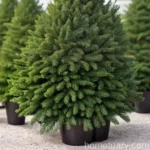
Picea glauca var. albertiana ‘Conica’ (White Spruce) – A Comprehensive Guide
Picea glauca var. albertiana ‘Conica’, commonly known as White Spruce, is a captivating and versatile conifer with a compact, conical shape that makes it a popular choice among landscapers and home gardeners. This evergreen tree boasts a striking appearance and requires minimal maintenance, making it an ideal addition to various garden settings. In this comprehensive guide, we’ll explore the culture, uses, maintenance, and fascinating characteristics of the Picea glauca var. albertiana ‘Conica’, also known as the White Spruce.
What is Picea glauca var. albertiana ‘Conica’ (White Spruce)?
Picea glauca var. albertiana ‘Conica’ is a cultivar of the White Spruce (Picea glauca), a species native to North America. This compact conifer features a distinctive conical shape with dense, bright green foliage. It is a slow-growing evergreen, reaching a maximum height of around 15 to 20 feet (4.5 to 6 meters) with a spread of 6 to 8 feet (1.8 to 2.4 meters) over several decades. Its compact size and elegant form make it an excellent choice for small gardens, rockeries, and containers.
The White Spruce, including the ‘Conica’ variety, is prized for its adaptability, cold hardiness, and resistance to various environmental stressors, making it a valuable addition to landscaping and ornamental horticulture.
Key Takeaways – Picea glauca var. albertiana ‘Conica’ (White Spruce)
Before delving into the specific aspects of cultivating and caring for Picea glauca var. albertiana ‘Conica’, let’s outline the key takeaways regarding this remarkable plant:
- Scientific Name: Picea glauca var. albertiana ‘Conica’
- Common Name: White Spruce
- Plant Type: Coniferous evergreen tree
- Growth Form: Compact, conical shape
- Mature Height: 15 to 20 feet (4.5 to 6 meters)
- Mature Spread: 6 to 8 feet (1.8 to 2.4 meters)
- Preferred Uses: Landscaping, ornamental gardens, containers
Now, let’s explore the various aspects of culture, uses, maintenance, and unique features of Picea glauca var. albertiana ‘Conica’ in more detail.
Culture
Water
Picea glauca var. albertiana ‘Conica’ thrives in well-drained soil and prefers moderate moisture levels. While it’s important to establish a good watering routine during the initial years after planting, mature White Spruce trees are relatively drought-tolerant. Watering should be adjusted based on weather conditions, with a focus on ensuring consistently moist but not waterlogged soil for optimal growth.
Sunlight
This coniferous evergreen tree prefers full sun to partial shade, making it well-suited for various garden settings. Adequate sunlight exposure is essential for promoting healthy growth and maintaining the plant’s characteristic dense, vibrant green foliage.
Fertilizer
When it comes to fertilizing Picea glauca var. albertiana ‘Conica’, a balanced, slow-release fertilizer formulated for conifers can be applied in early spring. This provides essential nutrients for healthy growth without promoting excessive lush foliage, which can make the tree more susceptible to snow and ice damage.
Soil
Well-drained, slightly acidic soils are ideal for White Spruce, including the ‘Conica’ variety. Sandy loam or loamy soils with good drainage properties are particularly well-suited for promoting healthy root development and overall plant vigor.
Uses
Landscaping
One of the primary uses of Picea glauca var. albertiana ‘Conica’ is in landscaping, where its compact size and elegant form make it an ideal choice for various settings. It can be utilized as a focal point in small gardens, rockeries, and mixed border plantings, where its conical shape and vibrant foliage contribute to the overall visual appeal of the landscape.
Ornamental Gardens
The White Spruce, particularly the ‘Conica’ cultivar, is a popular choice for ornamental gardens, where it adds an evergreen element and provides a striking contrast to flowering plants and other foliage. Its adaptability to various soil types and relative ease of maintenance make it a versatile option for enhancing the aesthetic appeal of garden spaces.
Containers
Due to its compact growth habit, Picea glauca var. albertiana ‘Conica’ is well-suited for container planting, making it an excellent choice for patios, balconies, and small outdoor spaces. When grown in containers, it can serve as a decorative element, providing year-round interest with its vibrant, conical form and evergreen foliage.
Pruning
Minimal pruning is typically required for Picea glauca var. albertiana ‘Conica’, as it naturally maintains its attractive conical shape. However, occasional maintenance pruning may be performed to remove any dead, damaged, or congested growth, as well as to maintain the desired form and size of the tree. Pruning is best carried out in early spring before the new growth emerges.
Propagation
Picea glauca var. albertiana ‘Conica’ can be propagated through several methods, including:
- Seed Propagation: Growing White Spruce from seeds is possible, but it requires patience as the seeds may take several weeks to germinate. Seed propagation is best suited for large-scale production and establishment of new trees.
- Cutting Propagation: Softwood cuttings taken in early summer can be rooted to propagate new plants. Select healthy, young shoots for best results and provide adequate moisture and warmth to encourage root development.
Container Popularity
Due to its compact size and elegant appearance, Picea glauca var. albertiana ‘Conica’ is popularly cultivated in containers for various outdoor spaces. Its adaptability to container planting makes it a sought-after choice for accentuating patios, decks, and other confined areas while adding a touch of evergreen charm to the surroundings.
Common Diseases
Picea glauca var. albertiana ‘Conica’ is generally resilient to many common conifer diseases; however, it may occasionally experience issues such as:
-
Needle Cast Diseases: Certain fungal pathogens can cause needle cast diseases, resulting in the browning and premature shedding of needles. Maintaining good airflow and promptly removing fallen needles can help prevent the spread of these diseases.
-
Cytospora Canker: This fungal disease can lead to the formation of sunken cankers on the branches, causing dieback and weakening of the tree. Pruning out affected branches and promoting overall tree vigor through proper cultural practices can help manage this disease.
Disease Diagnosis
When diagnosing potential diseases affecting Picea glauca var. albertiana ‘Conica’, it’s important to carefully inspect the tree for symptoms such as discolored or distorted foliage, abnormal growth patterns, and evidence of fungal or bacterial infections. Consulting with a professional arborist or horticulturist can aid in accurately identifying and addressing any diseases affecting the tree.
Common Pests
While generally resistant to many pests, White Spruce, including the ‘Conica’ variety, may encounter issues with pests such as:
-
Aphids: These small, sap-feeding insects can infest the foliage, causing distortion and discoloration. Natural predators and regular monitoring can help control aphid populations without the need for chemical interventions.
-
Spruce Budworm: The larvae of this pest feed on new shoots and buds, potentially causing significant damage to the tree. Early detection and the use of biological control agents can aid in managing spruce budworm infestations.
Botanist’s Tips
- Select a well-drained planting site with adequate sunlight for optimal growth and development of Picea glauca var. albertiana ‘Conica.’
- When planting in containers, use a high-quality potting mix specifically formulated for conifers to ensure proper drainage and nutrient availability.
- Avoid planting in waterlogged or overly compacted soils, as this can lead to root rot and other detrimental effects on the tree’s health.
Fun Facts
- The name “Conica” is derived from the Latin word “conicus,” meaning cone-shaped, which aptly describes the compact, conical form of this White Spruce variety.
- White Spruce trees are valued for their wood, which is used in various applications such as construction, woodworking, and paper production.
- The White Spruce is among the most widely distributed spruce species in North America, with a range extending from Alaska and Canada to the northeastern United States.
Links to External Resources
For further information and in-depth insights into Picea glauca var. albertiana ‘Conica’ (White Spruce) and related topics, the following external resources are recommended:
- University of Florida IFAS Extension: White Spruce
- USDA Forest Service: White Spruce
- The Spruce: How to Grow and Care for White Spruce Trees
By leveraging these valuable resources, you can gain comprehensive insights, practical tips, and expert recommendations for successfully cultivating and caring for Picea glauca var. albertiana ‘Conica’ in your garden or landscaping projects.