Pennisetum Alopecuroides ‘Hameln’ (Fountain Grass)
Pennisetum alopecuroides ‘Hameln’, commonly known as Fountain Grass, is a visually striking and versatile plant that has gained immense popularity among.
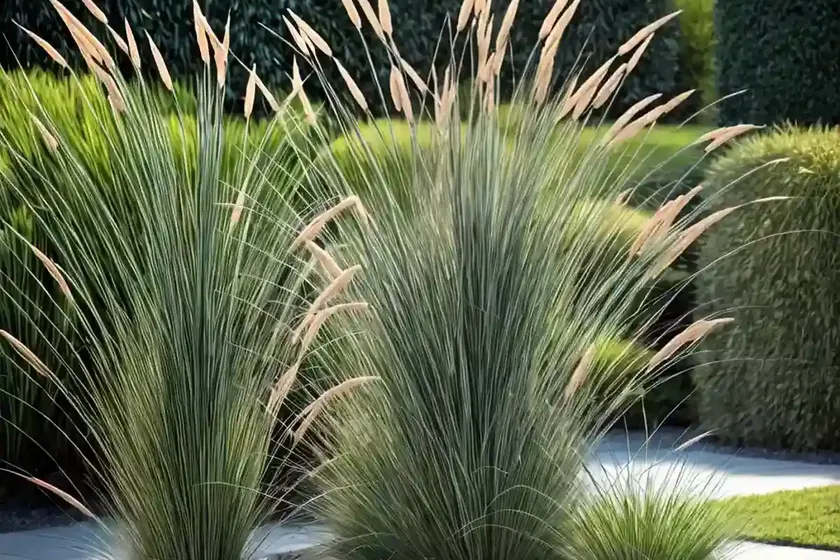
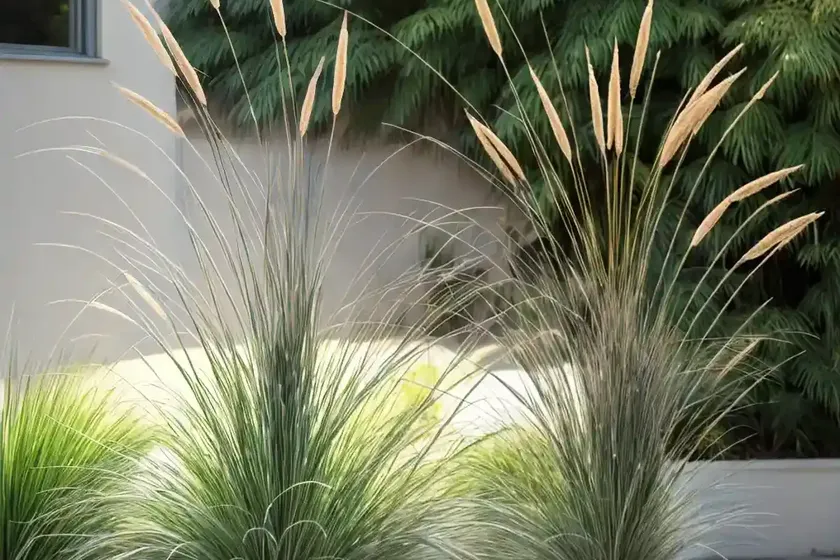
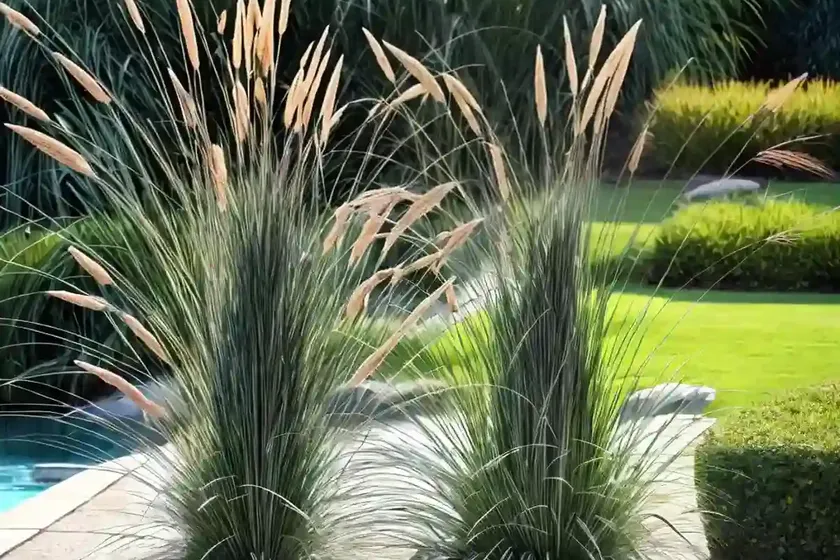
Pennisetum alopecuroides ‘Hameln’, commonly known as Fountain Grass, is a visually striking and versatile plant that has gained immense popularity among gardeners and landscapers. This ornamental grass is prized for its feathery plumes and graceful, arching foliage, making it a valuable addition to a wide range of outdoor spaces. In this comprehensive guide, we will delve into the various aspects of ‘Hameln’ Fountain Grass, including its cultural requirements, uses, maintenance, and more, providing valuable insights for both seasoned enthusiasts and those new to the world of horticulture.
Key Takeaways – Pennisetum alopecuroides ‘Hameln’ (Fountain Grass)
Before we embark on the detailed exploration of ‘Hameln’ Fountain Grass, let’s take a quick glance at some key takeaways that will serve as a reference point throughout this guide:
- Scientific Name: Pennisetum alopecuroides ‘Hameln’
- Common Name: Fountain Grass
- Recommended Uses: Landscaping, containers, borders, ground cover, erosion control, wildlife gardens, pollinator gardens, dry landscapes, mixed plantings, rock gardens, and more
- Water Requirements: Moderate
- Sunlight Needs: Full sun to partial shade
- Soil Preferences: Well-draining, fertile soil
- Maintenance: Low to moderate
- Hardiness Zones: 5-9
- Disease Resistance: Generally resistant to diseases
- Pest Control: Minimal concerns
With these key points in mind, let’s embark on a detailed exploration of Pennisetum alopecuroides ‘Hameln’, understanding its culture, uses, maintenance, and much more.
What is Pennisetum alopecuroides ‘Hameln’ (Fountain Grass)?
Pennisetum alopecuroides ‘Hameln’, also known as Fountain Grass ‘Hameln’, is a perennial, warm-season ornamental grass that belongs to the Poaceae family. This cultivar is renowned for its compact and dense growth habit, making it an excellent choice for various landscaping applications. The plant typically reaches a height of 2-3 feet, with a similar spread, creating an elegant and visually appealing display in garden settings.
Pennisetum alopecuroides Characteristics:
- Foliage: The foliage of ‘Hameln’ Fountain Grass is one of its most distinctive features. The narrow, arching leaves have a rich green hue, adding a touch of elegance to outdoor spaces.
- Plumes: During the late summer and fall, the plant produces attractive, bottlebrush-like plumes that emerge in shades of creamy white or pale pink, depending on the specific variety. These plumes sway gently in the breeze, creating a captivating visual impact.
- Growth Habit: ‘Hameln’ Fountain Grass exhibits a mounded and clumping growth habit, adding texture and dimension to landscapes.
Growing Pennisetum alopecuroides:
- Hardiness Zones: ‘Hameln’ Fountain Grass is best suited for hardiness zones 5-9, thriving in a range of climatic conditions within these zones.
- Water Requirements: While the plant exhibits good drought tolerance once established, it benefits from regular watering, particularly during the hotter months.
- Sunlight Needs: For optimal growth and flowering, ‘Hameln’ Fountain Grass requires full sun to partial shade, thriving in sun-drenched locations.
- Soil Preferences: Well-draining, fertile soil is essential for the successful cultivation of Pennisetum alopecuroides ‘Hameln’. Amending the soil with organic matter can further enhance its growth and vitality.
Culture of Pennisetum alopecuroides ‘Hameln’ (Fountain Grass)
Cultivating Pennisetum alopecuroides ‘Hameln’ successfully involves understanding its specific cultural requirements, including water, sunlight, soil, and maintenance practices. By adhering to these guidelines, gardeners can ensure that the plant thrives and flourishes in its outdoor environment.
Water
- Establishment: During the initial stages of growth, it’s crucial to provide consistent moisture to help ‘Hameln’ Fountain Grass establish a robust root system. Regular watering, especially during dry spells, is essential for promoting healthy growth.
- Mature Plants: Once the plant is established, it exhibits good drought tolerance and requires less frequent watering. However, during prolonged periods of drought or extreme heat, supplemental watering can help maintain its vigor and visual appeal.
Sunlight
- Full Sun Exposure: To achieve the best results and abundant flowering, it is advisable to plant ‘Hameln’ Fountain Grass in a location that receives full sun for the majority of the day. Adequate sunlight is essential for promoting lush foliage and prolific blooms.
- Partial Shade: While the plant thrives in full sun, it can also tolerate partial shade, making it a versatile choice for various garden settings.
Fertilizer
- Balanced Fertilization: Applying a balanced, all-purpose fertilizer in the spring can provide the necessary nutrients to support the growth and development of ‘Hameln’ Fountain Grass. Opt for a slow-release fertilizer to ensure a steady supply of nutrients over an extended period.
Soil
- Well-Draining Soil: ‘Hameln’ Fountain Grass thrives in well-draining soil, as excessive moisture can lead to root rot and other issues. Amending the soil with organic matter, such as compost or well-rotted manure, can improve its texture and fertility, creating an ideal growing environment for the plant.
Pruning and Maintenance
Fountain Grass ‘Hameln’ is relatively low-maintenance once established, but routine pruning and maintenance practices are essential to ensure its continued health and vigor. Proper care can promote a tidy appearance and stimulate the production of new growth and blooms.
Pruning
- Spring Pruning: In late winter or early spring, it’s beneficial to cut back the previous year’s growth to a few inches above the ground. This encourages fresh, healthy growth and rejuvenates the plant for the upcoming growing season.
- Deadheading: Removing spent flower heads can prolong the blooming period and prevent the plant from self-seeding, particularly in landscapes where its spread needs to be managed.
Dividing
- Division: Every few years, dividing mature clumps of ‘Hameln’ Fountain Grass can rejuvenate the plant, prevent overcrowding, and promote vigorous growth. This process is best carried out in early spring or fall, allowing ample time for the divided segments to establish themselves before the onset of harsh weather.
Winter Care
- Winter Hardiness: ‘Hameln’ Fountain Grass is generally hardy in zones 5-9, exhibiting good tolerance to cold temperatures. However, in colder regions, applying a layer of mulch in late fall can help insulate the plant’s root system and protect it from frost damage.
Propagation of Pennisetum alopecuroides ‘Hameln’ (Fountain Grass)
The propagation of ‘Hameln’ Fountain Grass can be achieved through various methods, allowing gardeners to expand their collection of these stunning ornamental grasses. From seed propagation to division, each approach has its own set of advantages and considerations.
Seed Propagation
- Sowing Seeds: Propagating ‘Hameln’ Fountain Grass from seeds is a viable option, though it requires patience and dedication. Sow the seeds indoors in early spring, keeping them consistently moist until germination occurs. Once the seedlings have developed several sets of true leaves, they can be transplanted into individual containers or outdoor locations.
Division
- Clump Division: Dividing mature clumps of ‘Hameln’ Fountain Grass is an effective propagation method, allowing gardeners to create new plants from established ones. This process involves carefully digging up the clump, separating it into smaller segments, and replanting them in suitable locations.
Container Gardening
- Container Propagation: ‘Hameln’ Fountain Grass can also be propagated in containers, providing flexibility and convenience for gardeners with limited outdoor space. By carefully dividing the clumps and planting them in containers filled with well-draining soil, enthusiasts can cultivate the plant on patios, balconies, or other confined areas.
Uses of Pennisetum alopecuroides ‘Hameln’ (Fountain Grass)
The versatility of ‘Hameln’ Fountain Grass makes it a valuable addition to a wide range of outdoor settings, offering numerous uses in landscaping, container gardening, and various other applications. Understanding its potential uses can inspire gardeners and landscapers to incorporate this striking grass into their design schemes.
Landscaping
- Borders and Edging: ‘Hameln’ Fountain Grass is well-suited for creating borders and edging in garden beds and pathways, providing a soft, feathery contrast to flowers and other foliage. Its compact growth habit and elegant plumes add an exquisite touch to landscape borders.
- Mixed Plantings: When incorporated into mixed plantings, ‘Hameln’ Fountain Grass can add vertical interest and an airy quality to garden compositions, complementing a diverse array of annuals, perennials, and shrubs.
Container Gardening
- Container Plantings: The compact nature of ‘Hameln’ Fountain Grass makes it an ideal candidate for container gardening. Whether featured solo in decorative pots or combined with other plants in larger containers, it adds a graceful, ornamental element to patio spaces, balconies, and outdoor living areas.
Ground Cover and Erosion Control
- Ground Cover: In open areas where ground cover is desired, ‘Hameln’ Fountain Grass can be used to create visually appealing carpets of foliage, lending a soft and naturalistic touch to garden expanses.
- Erosion Control: The dense growth habit and deep root system of the plant make it effective for controlling erosion on slopes and embankments, helping to stabilize the soil and prevent runoff.
Wildlife Gardens and Pollinator Gardens
- Wildlife Habitat: ‘Hameln’ Fountain Grass is known to attract various wildlife, including birds, with its appealing seed heads and dense foliage, making it a valuable addition to wildlife-friendly garden spaces.
- Pollinator Support: The airy plumes and substantial foliage of the plant also provide a suitable habitat and food source for pollinators, contributing to the biodiversity and ecological balance of the garden.
Dry Landscapes and Cottage Gardens
- Dry Conditions: Given its moderate drought tolerance, ‘Hameln’ Fountain Grass is well-suited for dry landscapes, including xeriscapes and Mediterranean-style gardens, where it can thrive with minimal supplemental watering.
- Cottage Garden Aesthetic: In cottage gardens and informal settings, the graceful, cottage garden aesthetic of ‘Hameln’ Fountain Grass can be a charming addition, imparting a sense of whimsy and natural beauty to the landscape.
Common Diseases and Pests
The overall resilience of ‘Hameln’ Fountain Grass makes it relatively resistant to a wide range of diseases. However, certain environmental and cultural factors can predispose the plant to specific issues, necessitating vigilance and proactive management.
Disease Resistance
- Disease Resistance: ‘Hameln’ Fountain Grass is generally resistant to common plant diseases, such as fungal infections and bacterial issues. Providing proper cultural conditions and avoiding excessive moisture can help maintain the plant’s disease resistance.
Common Pests
- Minimal Pest Concerns: Pest infestations are typically minimal with ‘Hameln’ Fountain Grass, with few notable pests threatening its health and vigor. Routine inspections can help detect and address any potential issues before they escalate.
Botanist’s Tips for Growing ‘Hameln’ Fountain Grass
To maximize the growth and visual impact of Pennisetum alopecuroides ‘Hameln’, incorporating the following botanist’s tips into the cultivation and care routine can yield exceptional results.
- Regular Monitoring: Routinely monitor the plant for signs of stress, disease, or pest activity, addressing any issues promptly to maintain its vitality.
- Strategic Planting: Consider the visual and functional aspects of ‘Hameln’ Fountain Grass when selecting planting locations, ensuring that its growth habit and ornamental qualities align with the intended design scheme.
- Companion Planting: Explore companion plants that complement and accentuate the ornamental features of ‘Hameln’ Fountain Grass, creating captivating landscape compositions and enhancing its overall aesthetic appeal.
Fun Facts about ‘Hameln’ Fountain Grass
-
Invasive Potential: While ‘Hameln’ Fountain Grass is a highly sought-after ornamental plant, certain varieties of Pennisetum alopecuroides have been identified as invasive in certain regions, particularly when they escape cultivation and naturalize in wild habitats. It’s essential to verify the specific variety and its invasive potential before introducing the plant into natural environments.
-
Ecological Impact: The feathery plumes of ‘Hameln’ Fountain Grass serve as nesting material for birds and provide shelter for small creatures, contributing to the ecological dynamics of outdoor spaces beyond their purely ornamental value.
Links to External Resources
For additional information and resources related to Pennisetum alopecuroides ‘Hameln’, including care guides, landscaping inspiration, and horticultural insights, consider exploring the following reputable sources:
- The Royal Horticultural Society (RHS)
- Missouri Botanical Garden
- University of Florida IFAS Extension
In conclusion, Pennisetum alopecuroides ‘Hameln’ (Fountain Grass) stands as a captivating and versatile plant that brings ornamental beauty and ecological value to a wide array of outdoor environments. Its graceful form, minimal maintenance requirements, and diverse uses make it an appealing choice for gardeners, landscape designers, and nature enthusiasts alike. By embracing the principles of proper culture, informed usage, and attentive care, enthusiasts can unlock the full potential of ‘Hameln’ Fountain Grass, savoring its beauty and enduring contributions to the garden landscape.


