Picea Glauca Conica (Dwarf Alberta Spruce)
Plants are essential components of our environment, offering a myriad of benefits, including aesthetic, ecological, and functional. Among the diverse.

Introduction
Plants are essential components of our environment, offering a myriad of benefits, including aesthetic, ecological, and functional. Among the diverse species of plants, the Picea glauca Conica, commonly known as the Dwarf Alberta Spruce, has gained significant popularity in the realm of landscaping and horticulture. Known for its unique appearance and versatile uses, this evergreen conifer has captivated the hearts of plant enthusiasts and gardeners. In this comprehensive guide, we will delve into the various aspects of the Picea glauca Conica, including its cultural requirements, uses, care tips, common diseases, and much more.
What is Picea Glauca Conica (Dwarf Alberta Spruce)?
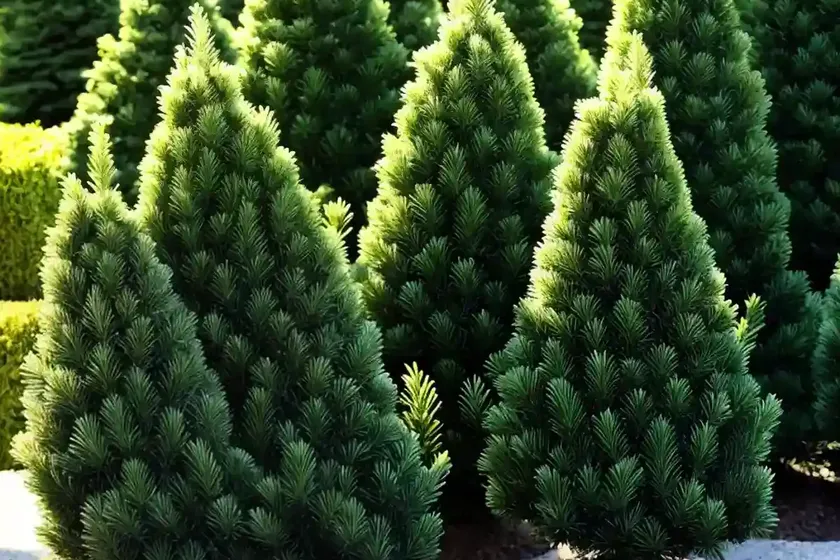
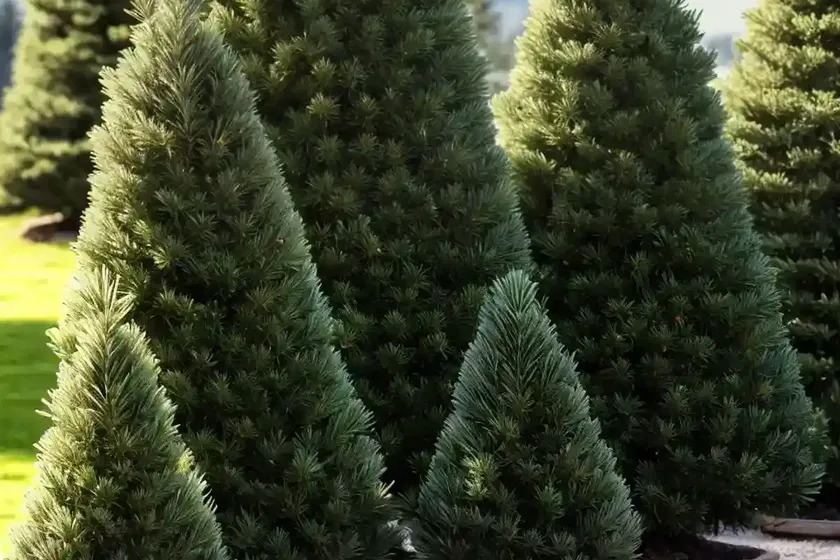
The Picea glauca Conica, a variant of the white spruce native to North America, is a compact, slow-growing conifer that exhibits a dense and symmetrical conical form. Its small size and appealing appearance make it a popular choice for landscaping and ornamental purposes.
Plant Name: Picea Glauca Conica (Dwarf Alberta Spruce)
Key Takeaways – Picea Glauca Conica (Dwarf Alberta Spruce)
Before diving into the specifics of caring for the Dwarf Alberta Spruce, it is essential to understand the key takeaways associated with this plant. These takeaways will serve as a foundation to guide us through the various aspects of its maintenance and cultivation.
- Plant Name: Picea Glauca Conica (Dwarf Alberta Spruce)
- Scientific Name: Picea glauca ‘Conica’
- Family: Pinaceae
- Common Name: Dwarf Alberta Spruce
- Type: Conifer
- Growth Rate: Slow
- Mature Height: 7 to 12 feet
- Mature Width: 2 to 4 feet
- Foliage Color: Green
- Sunlight: Full sun to partial shade
- Watering: Regular watering, especially during dry periods
- Uses: Landscaping, ornamental purposes, container gardening
- Unique Feature: Dense, conical form with soft, finely textured needles
As we explore the various dimensions of caring for the Picea glauca Conica, these key takeaways will serve as reference points to ensure a holistic understanding of its requirements and characteristics.
Culture
Uses
The versatile nature of the Picea glauca Conica makes it a valuable addition to both residential and commercial landscapes. Its compact size and appealing form enable a wide range of uses, including:
- Landscaping: The Dwarf Alberta Spruce serves as an excellent choice for creating formal hedges, accentuating garden borders, or adding an evergreen focal point to the landscape.
- Ornamental Purposes: Its symmetrical shape and dense foliage make it an ideal ornamental specimen for gardens, rockeries, and container gardening.
- Container Gardening: Due to its slow growth habit and compact size, the Dwarf Alberta Spruce thrives in containers, making it suitable for patio and balcony gardens.
Water
Proper watering is crucial for the health and vitality of the Picea glauca Conica. While this conifer is relatively tolerant of dry conditions once established, it still requires regular watering, especially during periods of drought. Adequate moisture levels are essential, particularly during the plant’s early establishment phase and in the absence of natural rainfall.
- Watering Frequency: Newly planted Dwarf Alberta Spruces should be watered deeply at least once a week during the growing season, ensuring the soil remains consistently moist but not waterlogged.
- Watering Techniques: Direct the water at the base of the plant, allowing it to penetrate the soil and reach the roots. Avoid overhead watering, as it may lead to moisture-related issues and foliar diseases.
- Mulching: The application of a layer of organic mulch around the base of the plant helps retain soil moisture, regulates soil temperature, and suppresses weed growth.
Sunlight
The sunlight requirements of the Picea glauca Conica are an essential factor in its cultivation. Providing the appropriate amount of sunlight is vital for ensuring healthy growth and maintaining the plant’s aesthetic appeal.
- Sun Exposure: The Dwarf Alberta Spruce thrives in full sun to partial shade. It performs best when exposed to direct sunlight for a significant portion of the day, especially during the morning hours.
- Shade Tolerance: While the plant can tolerate partial shade, it may exhibit reduced density and slower growth in shaded conditions. Adequate sunlight is crucial for promoting compact and vigorous growth.
Fertilizer
Proper fertilization plays a pivotal role in supporting the growth and development of the Picea glauca Conica. By providing essential nutrients, fertilizers contribute to the overall health and vigor of the plant, enhancing its visual appeal and resilience.
- Fertilizer Type: Use a balanced, slow-release fertilizer designed for evergreen trees and shrubs. Opt for formulations with a balanced ratio of nitrogen, phosphorus, and potassium, as well as micronutrients like iron and magnesium.
- Fertilization Schedule: Apply fertilizer in early spring before the onset of new growth. Refrain from fertilizing during late summer or fall, as it may stimulate late-season growth that can be susceptible to winter damage.
- Application Method: Spread the fertilizer evenly around the base of the plant, following the manufacturer’s recommended application rates. Water the area thoroughly after applying the fertilizer to aid in nutrient uptake.
Soil
The soil composition and quality directly impact the overall health and vitality of the Picea glauca Conica. Understanding the soil preferences of this conifer is essential for creating an optimal growing environment.
- Soil Type: Well-draining, loamy soil with a slightly acidic to neutral pH is ideal for the Dwarf Alberta Spruce. Avoid waterlogged or compacted soils, as they can lead to root rot and other moisture-related issues.
- Amendment: If the natural soil composition is not suitable, amend it with organic matter such as compost or peat moss to improve drainage and fertility.
- Soil Moisture: While the plant requires adequate moisture, it is crucial to avoid waterlogged conditions. Ensure the soil allows excess water to drain freely, preventing the roots from sitting in stagnant water.
Pruning
Pruning is an essential aspect of maintaining the desired form and density of the Picea glauca Conica. Proper pruning practices contribute to the overall aesthetic appeal of the plant while promoting healthy growth.
- Pruning Timing: Perform major pruning tasks, such as shaping and size management, during the early spring before the onset of new growth. Minor pruning for maintenance can be conducted as needed throughout the growing season.
- Tools: Use sharp, sterilized pruning tools to make clean cuts and minimize the risk of introducing pathogens. Pruning shears, loppers, and saws are suitable for different pruning tasks.
- Techniques: When pruning, focus on selectively removing overgrown or congested branches to maintain the desired shape and size of the plant. Avoid excessive pruning, as it can lead to unsightly bare patches that may not regenerate.
Propagation
While the Picea glauca Conica is primarily propagated through grafting for commercial production, home gardeners and enthusiasts may explore propagation methods to expand their plant collection or share the joy of gardening with others.
Propagation Techniques
- Seed Propagation: Collect mature cones from the plant and allow them to dry until they release their seeds. Sow the seeds in a container with well-draining and moist seed-starting mix. Keep the soil consistently moist and provide indirect light until the seeds germinate.
- Cutting Propagation: Take semi-hardwood cuttings from the current season’s growth, ensuring each cutting has several nodes. Dip the cut end in rooting hormone and plant it in a container with well-draining rooting medium. Enclose the container in a plastic bag to create a humid environment that promotes rooting.
Container Popularity
The compact size and appealing form of the Picea glauca Conica make it a popular choice for container gardening. When grown in containers, this conifer offers versatility and aesthetic appeal, making it suitable for various outdoor and indoor settings.
- Container Selection: Choose a spacious container with adequate drainage holes to prevent waterlogging. Consider the mature size of the plant and select a container that accommodates its growth.
- Outdoor Containers: Place the Dwarf Alberta Spruce in outdoor containers to adorn patios, balconies, and garden landscapes. Ensure the container is stable and secure, especially in windy conditions.
- Indoor Containers: Utilize the plant as an ornamental accent for indoor spaces, such as living rooms, offices, and conservatories. Position the container near a bright window to provide adequate sunlight.
Common Diseases
Understanding the common diseases affecting the Picea glauca Conica is essential for implementing preventive measures and maintaining the plant’s health and vigor. By recognizing the symptoms and causes of these diseases, gardeners can take proactive steps to mitigate their impact.
Disease Diagnosis
- Cytospora Canker: Characterized by resinous, sunken areas on the branches, along with dieback and resinous streaks on the bark. Prune and dispose of affected branches and maintain proper plant health to reduce susceptibility.
- Rhizosphaera Needle Cast: Identified by the browning and premature shedding of needles, leading to sparse foliage and reduced vigor. Apply fungicidal treatments during the spring to prevent the spread of the disease.
Disease Prevention
- Cultural Practices: Implement proper cultural practices, such as maintaining adequate spacing between plants to promote good air circulation and reducing moisture on foliage.
- Sanitation: Regularly inspect the plant for signs of disease and promptly remove and dispose of affected plant material to prevent the spread of pathogens.
- Fungicidal Treatments: Apply preventive fungicidal treatments, especially during periods favorable for disease development, to protect the plant from common fungal infections.
Common Pests
While the Picea glauca Conica is relatively resistant to most pests, certain insect pests may pose a threat to its health and appearance. Understanding the common pests and their management strategies is integral to preserving the plant’s vitality.
Common Pests
- Spider Mites: These tiny arachnids may infest the foliage, causing stippling, webbing, and premature drop of needles. Use horticultural oil or insecticidal soap to control spider mite infestations.
- Adelgids: These small, aphid-like insects feed on the sap of the plant, leading to stunted growth and distorted foliage. Spray the plant with horticultural oil or insecticidal soap to manage adelgid infestations.
Pest Management
- Monitoring: Regularly inspect the plant for signs of pest infestations, such as distorted foliage, stippling, or the presence of webbing. Early detection allows for timely intervention and reduced damage.
- Biological Controls: Implement biological pest controls, such as predatory mites and lacewings, to manage pest populations and minimize the reliance on chemical treatments.
Botanist’s Tips
To ensure the optimal growth and health of the Picea glauca Conica, consider the following tips from experienced botanists and horticulturists:
- Adequate Spacing: When planting multiple Dwarf Alberta Spruces, allow sufficient spacing between the plants to promote good air circulation and reduce competition for nutrients.
- Mulching: Apply a layer of organic mulch around the base of the plant to conserve soil moisture, suppress weeds, and insulate the roots from temperature extremes.
- Winter Protection: Shield the plant from harsh winter conditions, especially in regions with low temperatures and heavy snowfall. Mulch the base and consider wrapping the plant with burlap to minimize winter damage.
- Regular Inspection: Routinely inspect the plant for signs of diseases, pests, or environmental stressors. Early detection allows for prompt intervention and enhanced plant resilience.
Fun Facts
Explore these intriguing and captivating facts about the Picea glauca Conica to deepen your appreciation for this remarkable conifer:
- Symbolic Significance: In certain cultures, the Dwarf Alberta Spruce symbolizes longevity, resilience, and the enduring beauty of nature.
- Artistic Inspiration: The symmetrical form and texture of the plant have served as a muse for artists and designers, influencing various works of art and architectural designs.
- Historical Uses: Native American tribes utilized the bark, resin, and roots of the white spruce (Picea glauca) for medicinal, culinary, and ceremonial purposes.
- Cultural Significance: The conifer’s distinct appearance and adaptability have made it a favored choice for various cultural and religious celebrations and rituals.
Links to External Resources
- Picea glauca Conica Care Guide
- Dwarf Alberta Spruce Pruning Tips
- How to Grow Picea glauca Conica
- Dwarf Alberta Spruce Landscaping Ideas
- Picea glauca Conica Diseases and Treatments
Conclusion
The Picea glauca Conica, or the Dwarf Alberta Spruce, continues to enchant gardeners, landscapers, and plant enthusiasts with its graceful form, resilience, and ornamental appeal. By understanding its cultural requirements, uses, maintenance tips, and common challenges, individuals can cultivate and cherish this distinctive conifer in their own green spaces. Whether adorning garden landscapes, accentuating container gardens, or enhancing indoor environments, the Dwarf Alberta Spruce stands as a timeless emblem of natural beauty and enduring charm.
With the knowledge and insights shared in this comprehensive guide, you are equipped to embark on a rewarding journey of caring for and celebrating the unique attributes of the Picea glauca Conica. Embrace the elegance of this evergreen conifer, and let it inspire and adorn your green oasis with timeless allure.


