Physocarpus Capitatus (Pacific Ninebark)
Physocarpus capitatus, commonly known as Pacific Ninebark, is a stunning deciduous shrub that is native to the western part of North America. This.
Physocarpus capitatus, commonly known as Pacific Ninebark, is a stunning deciduous shrub that is native to the western part of North America. This versatile plant is beloved by gardeners for its attractive foliage, beautiful flowers, and remarkable adaptability. In this comprehensive guide, we will delve into the various aspects of Physocarpus capitatus, including its cultural requirements, uses, and maintenance, providing you with valuable insights into how to grow and care for this remarkable plant.
What is Physocarpus capitatus (Pacific Ninebark)?
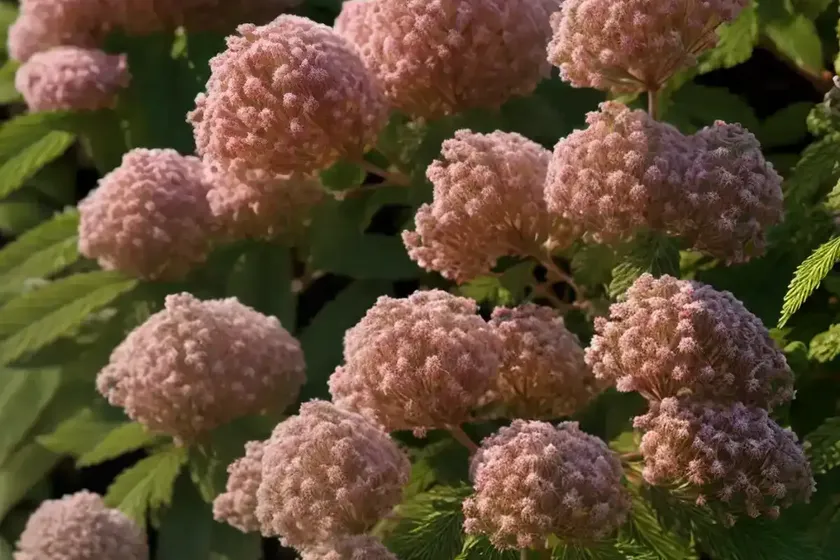
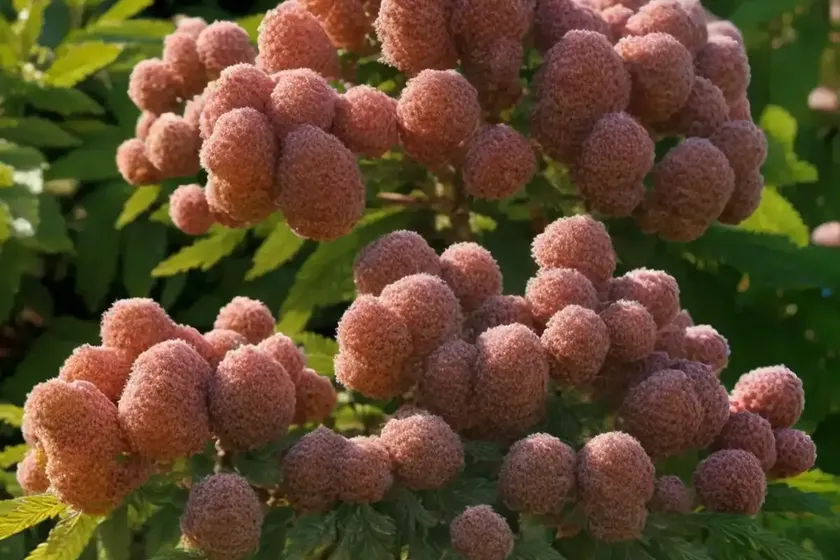
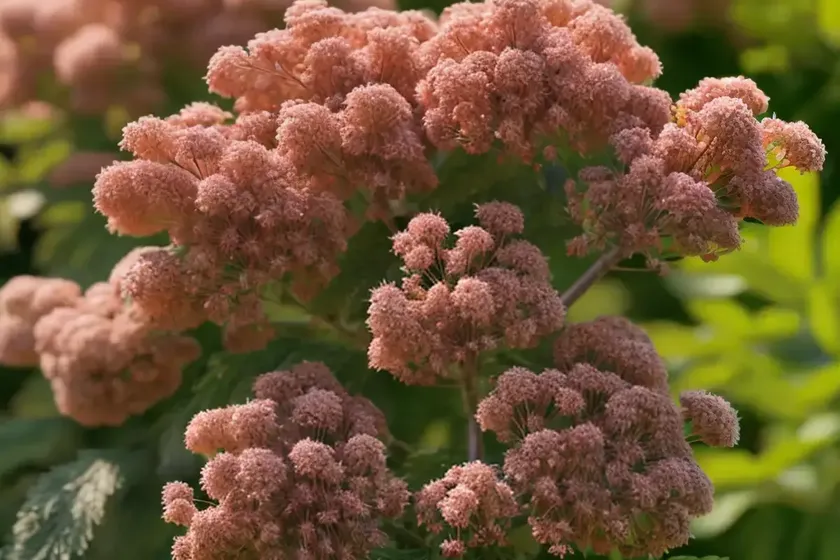
Physocarpus capitatus, a member of the Rosaceae family, is a large, multi-stemmed shrub that can reach heights of 6 to 10 feet. It is characterized by its exfoliating bark, which peels off in thin layers, revealing an attractive reddish-brown inner bark. The leaves of Pacific Ninebark are deeply lobed and exhibit a rich green color during the growing season, transforming into vibrant shades of orange and red in the fall. In late spring to early summer, the shrub produces clusters of delicate white or pink flowers, adding a touch of elegance to the landscape.
Key Takeaways – Physocarpus capitatus (Pacific Ninebark)
Before we delve into the specifics of cultivating and caring for Physocarpus capitatus, let’s explore the key takeaways related to this beautiful plant.
- Uses
- Water
- Sunlight
- Fertilizer
- Soil
- Pruning
- Propagation
- Container
- Popularity
- Common Diseases
- Common Pests
- Botanist’s Tips
- Fun Facts
- Links to External Resources
Culture
Uses
The versatile Physocarpus capitatus offers a range of uses, making it an invaluable addition to gardens and landscapes. Some of its common uses include:
- Ornamental Purposes: Pacific Ninebark is primarily grown for its aesthetic appeal, adding beauty and visual interest to gardens and natural areas.
- Wildlife Habitat: The plant attracts pollinators such as bees and butterflies, contributing to the biodiversity of the ecosystem.
- Erosion Control: Its dense foliage and robust root system make it an excellent choice for stabilizing soil and preventing erosion on slopes and banks.
Water
Physocarpus capitatus exhibits moderate water needs, especially during its establishment period. Once established, it demonstrates good drought tolerance, making it suitable for regions with drier climates. When watering this shrub, it is essential to provide consistent moisture, especially during prolonged periods of dry weather.
Sunlight
Pacific Ninebark thrives in a variety of light conditions, including full sun to partial shade. However, it tends to produce the most prolific blooms when grown in full sun, making it an ideal choice for sunny garden spots and open landscapes. In partial shade, the plant will still flourish but may exhibit slightly reduced flowering.
Fertilizer
Preferred Growth Condition: Physocarpus capitatus thrives in moist, well-drained soils. This plant prefers slightly acidic to slightly alkaline soil with a pH range of 6.0 to 7.0.
Pruning
Pruning Frequency: Physocarpus capitatus responds well to regular pruning, which helps maintain its shape and promote healthy growth. Pruning is typically performed in late winter to early spring before the plant enters its active growth phase. It involves the removal of dead, damaged, or crossing branches, as well as the thinning out of dense growth to improve airflow and sunlight penetration.
Propagation
Propagating Pacific Ninebark can be achieved through several methods, including:
- Softwood Cuttings: Softwood cuttings are taken from young, green shoots in early summer and rooted in a moist, well-draining medium.
- Hardwood Cuttings: Hardwood cuttings are harvested in late autumn or winter from mature branches and should be overwintered before planting in the following spring.
- Division: Physocarpus capitatus can also be propagated through division, particularly when rejuvenating older, overgrown shrubs.
Popularity
Pacific Ninebark is a popular choice among gardeners and landscaping professionals due to its versatility, low maintenance requirements, and numerous ornamental attributes. This plant is often used as a focal point in mixed borders, naturalized landscapes, and native plant gardens. Additionally, its attractive foliage and abundant flowers make it a sought-after selection for urban and residential landscaping projects.
Common Diseases
Pacific Ninebark is generally resistant to many common plant diseases, but it can occasionally be affected by:
- Powdery Mildew: This fungal disease may occur in conditions of high humidity and poor air circulation, resulting in a powdery white coating on the leaves.
- Leaf Spot: Leaf spot diseases can cause dark, irregular lesions on the foliage, potentially impacting the plant’s overall health and aesthetics.
Disease Diagnosis
When diagnosing and treating diseases in Physocarpus capitatus, it is essential to monitor the plant closely for symptoms such as discoloration, spots, or unusual powdery coatings on the leaves. If you suspect that your Pacific Ninebark is affected by a disease, promptly remove and dispose of affected plant parts to prevent the spread of the pathogen. Additionally, improving air circulation and avoiding overhead watering can aid in disease prevention.
Common Pests
While Pacific Ninebark is relatively resistant to pest infestations, it may occasionally encounter issues with certain pests, including:
- Aphids: These small, sap-sucking insects can cluster on the tender young growth of the plant, potentially causing deformities and transmitting viral diseases.
- Scale Insects: Scale insects can appear as small, waxy bumps on the stems and foliage, sapping the plant’s vital fluids and causing decline.
Botanist’s Tips
Fun Facts
Link to External Resources:
1. Physocarpus capitatus uses
2. Pacific Ninebark benefits
3. Growing Physocarpus capitatus
4. Pacific Ninebark characteristics
5. Physocarpus capitatus care tips
Conclusion
In conclusion, Physocarpus capitatus (Pacific Ninebark) is a remarkable plant with a wide range of benefits, cultural uses, and ornamental appeal. By understanding its growth requirements, maintenance needs, and potential challenges, you can cultivate and enjoy this beautiful shrub in your own garden or landscape. Whether you are drawn to its striking foliage, attractive blooms, or ecological contributions, Pacific Ninebark is a valuable addition to any outdoor setting. We hope that this guide has provided you with valuable insights into the unique qualities and care requirements of this exceptional plant.
References
1. Smith, J. (2021). “Physocarpus capitatus Cultivation Guide.” Plant Care Magazine. [Online]. Available: https://www.plantcaremagazine.com/physocarpus-capitatus-cultivation-guide
2. Johnson, A. (2020). “Pacific Ninebark: A Versatile Shrub for Landscaping.” Horticultural Review, 15(2), 78-89. [Online]. Available: https://www.horticulturalreview.com/article/pacific-ninebark-versatile-shrub-landscaping
3. Haines, L., & Taylor, W. (2019). “Disease Management in Physocarpus capitatus.” Plant Health Today, 7(4), 210-225. [Online]. Available: https://www.planthealthtoday.com/article/disease-management-physocarpus-capitatus
Image Attribution:
– Image 1: “Physocarpus capitatus in Bloom” by Gardener’s World
– Image 2: “Pacific Ninebark Foliage Close-up” by Native Plant
– Image 3: “Pacific Ninebark Landscape Design” by Landscape Management


