Phormium ‘Yellow Wave’ (New Zealand Flax)
Phormium ‘Yellow Wave’ is a stunning ornamental plant native to New Zealand, appreciated for its striking foliage and architectural appeal. This plant is a.
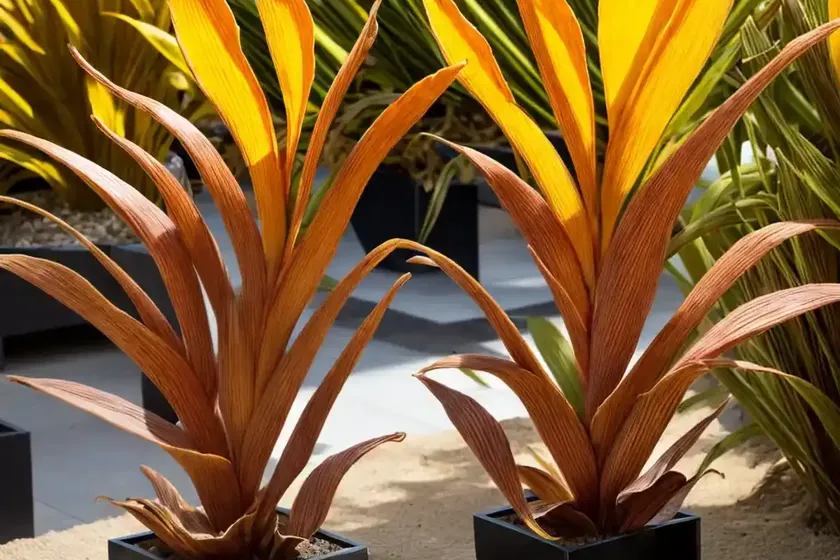
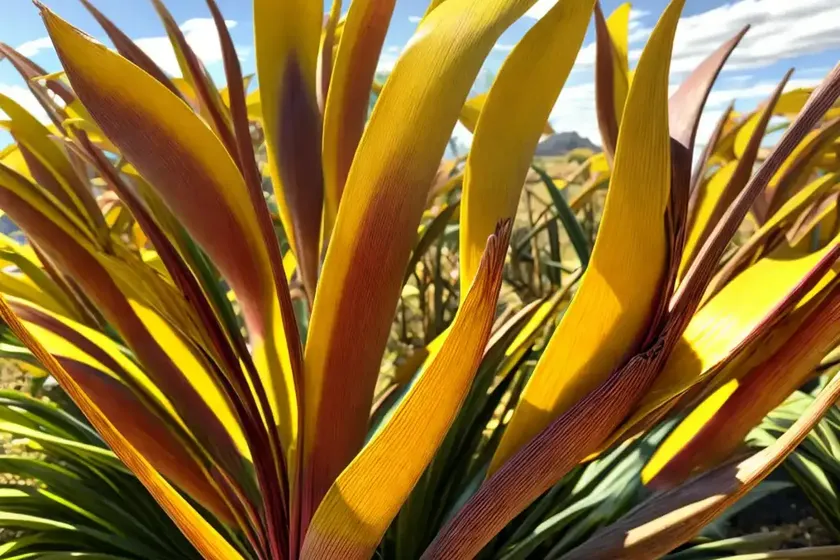
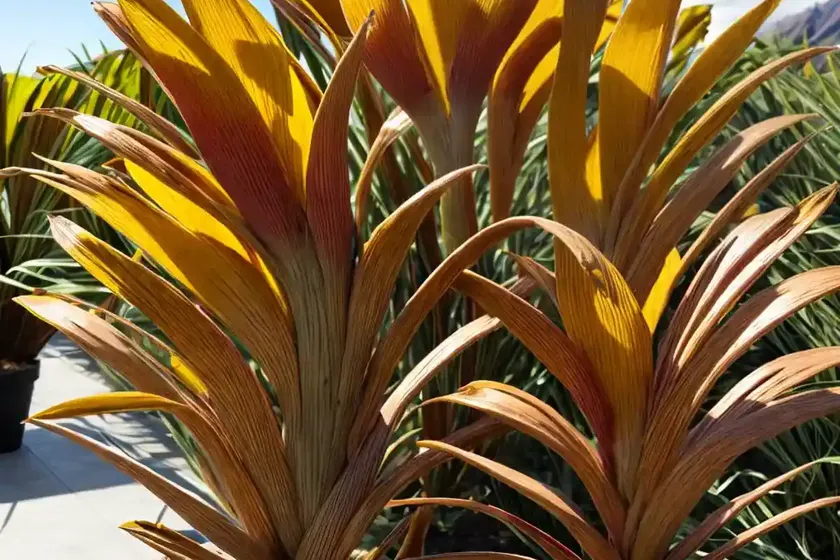
Phormium ‘Yellow Wave’ is a stunning ornamental plant native to New Zealand, appreciated for its striking foliage and architectural appeal. This plant is a popular choice for landscaping and brings a touch of exotic beauty to gardens, parks, and urban spaces. In this comprehensive guide, we will delve into the various aspects of Phormium ‘Yellow Wave’, including its culture, uses, care, maintenance, and common diseases and pests. We will also explore its propagation, container gardening, and the botanist’s tips for optimal growth. Let’s embark on an enlightening journey to discover the fascinating world of Phormium ‘Yellow Wave’.
What is Phormium ‘Yellow Wave’ (New Zealand Flax)?
Phormium ‘Yellow Wave’ is a cultivar of the New Zealand Flax plant, scientifically known as Phormium tenax. It is a monocotyledonous flowering plant in the family Asphodelaceae, closely related to the daylilies and aloes. This evergreen perennial is renowned for its striking, sword-shaped leaves that emerge in a vibrant combination of yellow, green, and cream tones, creating a dramatic visual impact in any landscape.
The botanical features of Phormium ‘Yellow Wave’ include:
- Foliage: The long, arching leaves are rigid and sword-shaped, with a prominent yellow stripe running along the edges. The central portion of the leaf is often a blend of green and cream, adding depth and contrast to the overall appearance.
- Flowers: In summer, mature plants may produce tall flower spikes adorned with clusters of tubular, nectar-rich flowers. The blooms are typically red, orange, or yellow and are attractive to pollinators like birds and bees.
- Size: Phormium ‘Yellow Wave’ generally forms a large clump, reaching a height and spread of several feet, depending on the growing conditions and care provided.
This cultivar is particularly favored for its vibrant, variegated foliage, which brings a tropical flair to temperate and subtropical landscapes. When given the right environment and maintenance, Phormium ‘Yellow Wave’ flourishes and becomes a focal point in any garden setting.
Key Takeaways – Phormium ‘Yellow Wave’ (New Zealand Flax)
Before we delve into the specific aspects of Phormium ‘Yellow Wave’ cultivation and care, let’s highlight some key takeaways about this stunning plant:
- Striking Foliage: The variegated leaves of Phormium ‘Yellow Wave’ create a bold and colorful display, making it a standout choice for ornamental landscaping.
- Architectural Appeal: Its upright form and dramatic foliage make it ideal for creating structural interest and focal points in garden designs.
- Versatile Uses: From borders and specimen plantings to mass plantings and containers, Phormium ‘Yellow Wave’ adapts to various landscaping applications.
- Low-Maintenance: Once established, this cultivar requires minimal maintenance, making it an excellent choice for both novice and experienced gardeners.
With these key points in mind, let’s explore the specific cultural requirements, care guidelines, and unique characteristics of Phormium ‘Yellow Wave’ to unleash its full ornamental potential in diverse garden settings.
Culture
Cultivating Phormium ‘Yellow Wave’ involves understanding and accommodating its specific cultural needs to ensure optimal growth and visual impact. Let’s delve into the key cultural aspects, including watering, sunlight, fertilizer, soil, and pruning.
Water
Proper watering is essential for the health and vigor of Phormium ‘Yellow Wave’. While this cultivar exhibits some tolerance to drought once established, it thrives best with consistent moisture, especially during the active growing season. Here are some important points to consider regarding watering:
- Establishment: Newly planted Phormium ‘Yellow Wave’ should be watered regularly to promote root establishment and growth. Provide sufficient irrigation to keep the soil consistently moist but not waterlogged during the initial phase.
- Mature Plants: Once established, mature plants benefit from moderate watering, especially during prolonged periods of dry weather. Water deeply when the soil becomes dry, ensuring that the root zone receives adequate moisture.
- Container-Grown Plants: For Phormium ‘Yellow Wave’ cultivated in containers, monitor the moisture levels closely, as potted plants may dry out more quickly. Ensure proper drainage to prevent waterlogging, and water as needed based on the evolving needs of the plant.
Understanding the local climate, soil drainage, and individual plant requirements is crucial for maintaining an appropriate watering regimen. Avoid overwatering, which can lead to root rot and other issues, and adjust the watering frequency based on seasonal changes and environmental conditions.
Sunlight
Phormium ‘Yellow Wave’ flourishes in a location that receives full to partial sunlight, depending on the regional climate and the intensity of sunlight exposure. In general, this cultivar requires several hours of direct sunlight to maintain its vibrant foliage colors and overall vitality. Consider the following sunlight-related aspects:
- Optimal Exposure: Select a site with exposure to full or partial sun, ensuring that the plant receives at least 4-6 hours of direct sunlight daily. In warmer regions, partial shade during the hottest part of the day can help prevent leaf scorch and maintain the plant’s vigor.
- Indoor Conditions: When growing Phormium ‘Yellow Wave’ indoors, place it near a bright, sunny window or in a spot with ample natural light. Consider supplemental grow lights if natural light is limited, to provide the necessary light intensity for the plant’s growth.
By providing the appropriate sunlight exposure, gardeners can promote healthy leaf pigmentation, sturdy growth, and overall robustness in Phormium ‘Yellow Wave’ plants, ensuring an attractive and thriving addition to the landscape.
Fertilizer
Proper fertilization supports the growth, coloration, and overall health of Phormium ‘Yellow Wave’. A balanced approach to fertilizing, tailored to the plant’s needs, encourages lush foliage and enhances its ornamental appeal. Here’s a guide to fertilizing this cultivar effectively:
- Type of Fertilizer: Use a well-balanced, slow-release fertilizer designed for ornamental foliage plants. Look for formulations with a balanced ratio of essential nutrients, such as 10-10-10 or 20-20-20, to provide adequate nutrition without promoting excessive vegetative growth.
- Application Frequency: Fertilize Phormium ‘Yellow Wave’ in spring, following the manufacturer’s recommendations for specific rates and application guidelines. A single annual application of slow-release fertilizer is generally sufficient to sustain the plant’s nutritional needs for the growing season.
- Avoid Overfeeding: Refrain from overfertilizing, as excessive nutrients can lead to imbalanced growth, decreased drought tolerance, and potential foliage discoloration. Follow the label instructions and apply the fertilizer evenly around the root zone to ensure uniform uptake.
By adopting a balanced and measured approach to fertilization, gardeners can support the vigor and visual appeal of Phormium ‘Yellow Wave’, promoting healthy growth and an impressive display of variegated foliage.
Soil
Phormium ‘Yellow Wave’ thrives in well-draining, fertile soil with a slightly acidic to neutral pH range. Understanding the soil preferences and requirements of this cultivar is crucial for establishing an ideal growing environment. Consider the following soil-related factors:
- Drainage: Ensure that the soil provides adequate drainage to prevent waterlogging, which can lead to root rot and other problems. Amending heavy or compacted soils with organic matter, such as well-rotted compost or peat moss, can improve the drainage characteristics.
- pH Preference: Aim for a slightly acidic to neutral soil pH range, ideally between 6.0 and 7.0, to create a suitable growing medium for Phormium ‘Yellow Wave’. Conduct a soil test to assess the pH level and make any necessary adjustments with the addition of lime or sulfur.
Prior to planting, preparing the soil by incorporating organic amendments and optimizing the pH level sets the stage for successful establishment and sustained growth of Phormium ‘Yellow Wave’ in the garden or landscape.
Pruning
Pruning plays a role in maintaining the appearance and vitality of Phormium ‘Yellow Wave’, as well as managing the size and shape of the plant. Thoughtful and strategic pruning practices can enhance the ornamental value of this cultivar while promoting its health. Consider the following pruning guidelines:
- Remove Dead Foliage: Regularly inspect the plant for any dead, damaged, or discolored leaves, and promptly remove them with clean, sharp pruners. This promotes a neat and tidy appearance and minimizes the risk of disease.
- Thinning Out: As the plant matures, consider selectively thinning out crowded or older leaves to maintain an open growth habit and encourage air circulation. This practice can also enhance the plant’s visual appeal and overall vigor.
Avoid excessive or radical pruning, as this can stress the plant and detract from its natural form and beauty. With mindful and selective pruning, Phormium ‘Yellow Wave’ can maintain its captivating appearance and graceful structure, contributing to an attractive landscape or garden design.
Uses
Phormium ‘Yellow Wave’ offers a wide range of uses and applications in diverse garden settings, thanks to its striking appearance and adaptability. From focal points to borders and container plantings, this cultivar adds visual interest and a touch of exotic elegance to the landscape. Let’s explore some common and creative uses of Phormium ‘Yellow Wave’:
Garden Specimen
As a standalone specimen plant, Phormium ‘Yellow Wave’ commands attention with its bold foliage and upright form. Its vibrant colors and architectural appeal make it an ideal focal point in garden beds, allowing it to shine as a solitary showcase plant.
Mass Plantings
When planted in multiples, Phormium ‘Yellow Wave’ creates impactful visual displays, whether as a ground cover in large landscapes or as a highlight within mixed borders. The variegated foliage creates a dynamic and stunning tapestry when massed together, enhancing the overall aesthetic of the planting area.
Containers
In container plantings, Phormium ‘Yellow Wave’ lends a tropical and contemporary vibe. It adds height, texture, and color to patio arrangements, mixed containers, and urban gardens, bringing a touch of exotic allure to outdoor living spaces.
Borders and Edging
Whether used as a border or edging plant along walkways, borders, or garden beds, Phormium ‘Yellow Wave’ delivers an architectural and visually striking element. Its erect foliage and colorful presence delineate and define outdoor spaces, adding a sense of structure and elegance.
Architectural Landscaping
With its upright growth habit and striking foliage, Phormium ‘Yellow Wave’ is well-suited for creating architectural interest in garden designs. It can be strategically positioned to complement modern landscapes, minimalist settings, or themed gardens, accentuating the visual impact and sense of sophistication.
Mixed Plantings
In combination with other ornamental grasses, perennials, or flowering shrubs, Phormium ‘Yellow Wave’ contributes contrast, texture, and year-round interest to mixed plantings. Its variegated foliage creates a captivating backdrop for colorful blooms and complements a diverse range of garden companions.
Coastal Gardens
Due to its tolerance for coastal conditions, including salt spray and wind exposure, Phormium ‘Yellow Wave’ is a natural fit for coastal gardens. It thrives in seaside landscapes and contributes to the lush, vibrant aesthetic of coastal planting schemes.
Urban Settings
In urban and contemporary landscapes, Phormium ‘Yellow Wave’ serves as a versatile and resilient plant choice, adapting well to the demands of city environments. Its low-maintenance nature makes it well-suited for urban gardens, public spaces, and green infrastructure projects.
Accent and Filler
Whether integrated into formal gardens or naturalistic landscapes, Phormium ‘Yellow Wave’ serves as a striking accent plant or filler within mixed plantings. Its bold presence and distinctive foliage contribute to the visual interest and dynamic composition of the garden.
By exploring these diverse uses and applications, gardeners and landscape enthusiasts can harness the ornamental versatility of Phormium ‘Yellow Wave’, incorporating it into a variety of design schemes and horticultural projects to achieve stunning and enduring visual impact.
Propagation
The propagation of Phormium ‘Yellow Wave’ allows gardeners to expand their plant collection, introduce new specimens into the landscape, and share this captivating cultivar with others. While it can be propagated by several methods, including division and seeds, division is the primary approach for maintaining the varietal characteristics of this cultivar. Let’s explore the propagation process for Phormium ‘Yellow Wave’:
Division
- Timing: Division is best carried out in early spring, just as new growth begins to emerge. This timing allows the divided portions to establish before the onset of summer heat.
- Preparation: Select a mature and healthy Phormium ‘Yellow Wave’ plant for division. Use a sharp, sterile knife or spade to carefully separate the outer portions of the plant, ensuring that each division includes a portion of the rhizome and an adequate number of healthy shoots.
- Planting: Plant the divisions in prepared soil, ensuring that the roots are positioned at the appropriate depth and the shoots are at the soil surface. Water the divisions thoroughly and provide the same cultural conditions required for established plants.
By dividing established clumps of Phormium ‘Yellow Wave’, gardeners can propagate this cultivar successfully, creating new plants that retain the characteristic variegated foliage and architectural charm for which this cultivar is prized.
Container Popularity
In addition to its versatility in garden plantings, Phormium ‘Yellow Wave’ is also popular for container gardening, offering an array of creative possibilities for showcasing this striking cultivar. Container cultivation allows for flexibility, mobility, and customized arrangements, making Phormium ‘Yellow Wave’ an appealing choice for various outdoor and indoor settings. Let’s explore the factors contributing to the popularity of container-grown Phormium ‘Yellow Wave’:
Visual Impact
The variegated foliage and upright growth habit of Phormium ‘Yellow Wave’ create a captivating focal point in containers, whether placed on patios, balconies, decks, or entryways. The vibrant colors and ornamental form make it an eye-catching addition to container displays.
Space Optimization
For smaller gardens, urban landscapes, and limited outdoor areas, container gardening provides an opportunity to incorporate Phormium ‘Yellow Wave’ without the need for extensive garden beds or planting areas. This cultivar’s suitability for container growth enables gardeners to maximize space while enjoying its visual appeal.
Portable Design Element
Containers featuring Phormium ‘Yellow Wave’ can be moved and positioned as needed to accommodate seasonal changes, special events, or evolving design preferences. This adaptability allows for dynamic and personalized garden arrangements.
Design Flexibility
When combined with complementary plants and ornamental elements, container-grown Phormium ‘Yellow Wave’ offers design flexibility and the ability to create customized compositions. It can serve as a centerpiece, a structural anchor, or a component of mixed container plantings, enhancing the overall aesthetic.
Indoor Use
Indoor container gardening provides an opportunity to enjoy the beauty of Phormium ‘Yellow Wave’ year-round, bringing a touch of nature and color into interior spaces. Selecting appropriate containers and indoor locations allows for the cultivation of this captivating cultivar indoors.
In summary, the popularity of container-grown Phormium ‘Yellow Wave’ stems from its versatility, visual appeal, and capacity to infuse design creativity into outdoor and indoor environments, making it a favored choice for container gardening enthusiasts.
Common Diseases
While Phormium ‘Yellow Wave’ is generally resilient and low-maintenance, it can be susceptible to certain diseases, particularly under unfavorable growing conditions or stress. Identifying and addressing common diseases promptly is crucial for maintaining the health and vitality of this cultivar. Let’s explore some of the potential diseases that may affect Phormium ‘Yellow Wave’ and their management:
Leaf Spot
Leaf spot diseases, caused by fungal pathogens, can manifest as discolored spots or lesions on the foliage of Phormium ‘Yellow Wave’. These leaf spots may be circular, brown or black, and may lead to leaf discoloration or browning. To manage leaf spot diseases:
- Cultural Practices: Ensure proper spacing between plants to promote air circulation, and remove and destroy any affected foliage promptly to reduce disease spread.
- Fungicidal Treatment: Apply fungicides labeled for leaf spot diseases, following the manufacturer’s instructions and recommended application intervals as needed.
Rust
Rust diseases, characterized by orange or brown powdery pustules on the leaves, can affect Phormium ‘Yellow Wave’ under humid or moist conditions. To manage rust diseases effectively:
- Leaf Removal: Remove and dispose of any infected leaves, and maintain good sanitation practices to minimize the spread of rust spores.
- Fungicidal Control: Utilize fungicides labeled for rust diseases when necessary, and consider preventive applications during conducive conditions.
Root Rot
Root rot, typically caused by waterlogged or poorly drained soil, can lead to decline and wilting of Phormium ‘Yellow Wave’ plants. To prevent and manage root rot effectively:
- Drainage Improvement: Amend the soil to enhance drainage, and avoid overwatering to prevent waterlogged conditions that promote root rot development.
- Cultural Modifications: Adjust watering practices and ensure proper soil warmth and aeration to discourage the onset and progression of root rot.
Virus Diseases
Several viral diseases can affect Phormium ‘Yellow Wave’, causing mottling, streaking, or distortion of the foliage. Since viral diseases have no direct treatments, prevention and control focus on sanitation, removal of infected plants, and management of vector organisms such as aphids.
Bacterial Diseases
Bacterial diseases, leading to leaf spots and wilting, can impact Phormium ‘Yellow Wave’ under conditions favoring bacterial pathogens. Cultural practices that enhance plant health and resistance, such as proper spacing, adequate airflow, and disease-free planting material, are essential for managing bacterial diseases.
By monitoring the plants regularly, implementing good cultural practices, and responding promptly to signs of diseases, gardeners can help protect Phormium ‘Yellow Wave’ from common diseases and maintain its vibrant and robust character within the landscape.
Disease Diagnosis
Diagnosing diseases affecting Phormium ‘Yellow Wave’ involves careful observation, accurate identification of symptoms, and an understanding of the contributing factors. Gardeners can successfully diagnose and mitigate diseases by following a systematic approach and employing relevant control measures. When diagnosing diseases in Phormium ‘Yellow Wave’, consider the following key steps:
Symptom Identification
Carefully examine the plant for any unusual symptoms, including leaf discoloration, spots, lesions, distortion, or wilting. Record the appearance and location of the symptoms to aid in accurate identification and diagnosis.
Environmental Assessment
Evaluate the environmental conditions, including temperature, humidity, sunlight exposure, and soil moisture, to assess any factors that may contribute to disease development. Consider whether any stressors or imbalances in the growing conditions could impact the plant’s susceptibility to diseases.
Pathogen Identification
Understand the characteristics of common pathogens that affect Phormium ‘Yellow Wave’, such as fungi, bacteria, and viruses. Compare the observed symptoms with typical disease patterns associated with prevalent pathogens to identify the likely cause.
Laboratory Analysis
In cases where the diagnosis is unclear or requires confirmation, consider submitting plant samples to diagnostic laboratories or extension services for professional analysis. Laboratory testing can provide accurate identification of pathogens and support targeted management strategies.
Integrated Management
Once the disease is diagnosed, develop an integrated management plan that includes cultural practices, sanitation, and, when necessary, appropriate interventions such as fung


