Phormium Tenax Purpureum Group (New Zealand Flax)
Phormium tenax, commonly known as New Zealand Flax, is an iconic plant with a rich cultural and historical significance. This remarkable plant belongs to.
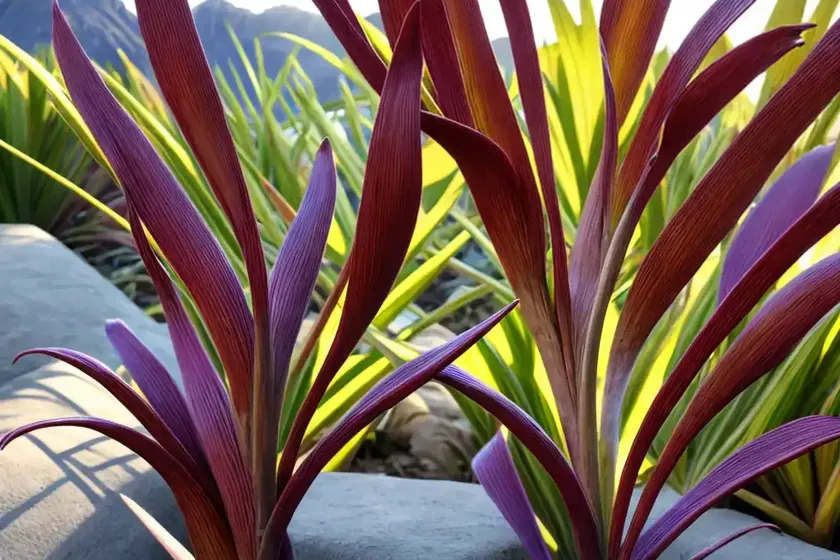
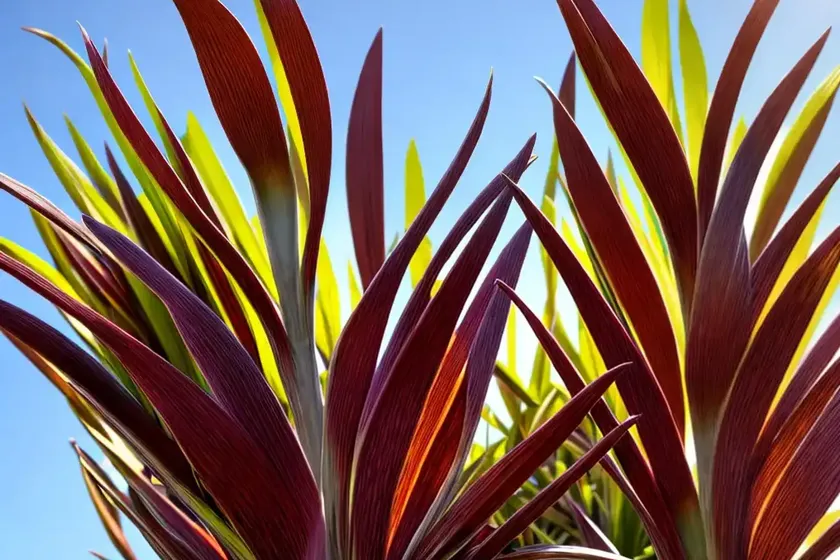
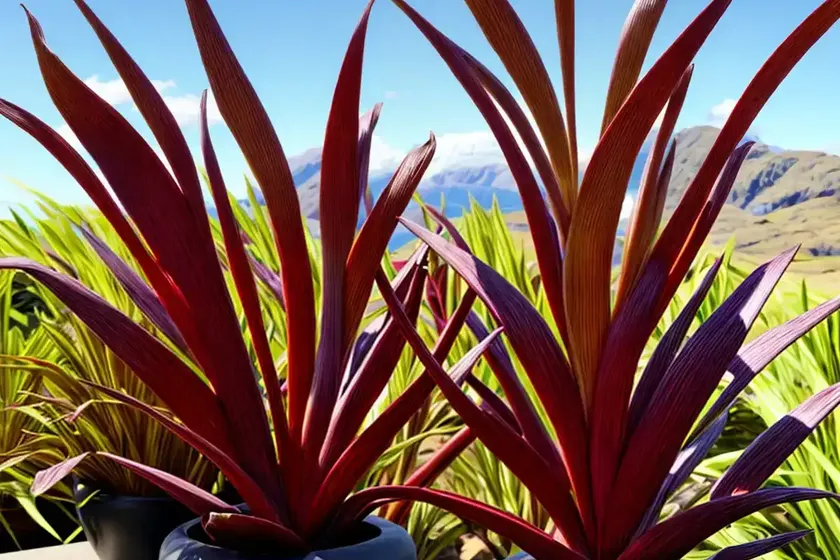
Phormium tenax, commonly known as New Zealand Flax, is an iconic plant with a rich cultural and historical significance. This remarkable plant belongs to the Phormium genus, native to New Zealand. Its striking appearance, vibrant colors, and versatility make it a favorite among landscape designers and horticulturists. In this comprehensive guide, we will delve into the various aspects of Phormium tenax, particularly focusing on the Purpureum Group, including its description, care requirements, propagation techniques, benefits, natural habitat, uses, and much more.
What is Phormium tenax Purpureum Group (New Zealand Flax)?
Phormium tenax Purpureum Group, a member of the Phormium genus, is a perennial plant characterized by its elegant, sword-shaped leaves and vibrant purplish-red hues. It is a cultivar renowned for its ornamental charm and adaptability to diverse growing conditions. Although it is commonly referred to as New Zealand Flax, it is not botanically related to the true flax plant (Linum usitatissimum), which is the source of linen fiber. Instead, New Zealand Flax belongs to the family Asphodelaceae and is treasured for its foliage and landscape appeal.
Key Takeaways – Phormium tenax Purpureum Group
Before delving deeper into the multifaceted world of Phormium tenax Purpureum Group, let’s take a quick look at the key takeaways that will be expounded upon in this guide:
-
New Zealand Flax varieties: Exploring the unique varieties and cultivars within the Phormium tenax species, with a focus on the Purpureum Group.
-
Phormium tenax description: Providing an in-depth description of the Phormium tenax Purpureum Group, including its physical characteristics and visual appeal.
-
Purpureum Group characteristics: Unveiling the distinctive features and attributes that set the Purpureum Group apart from other Phormium tenax varieties.
-
Growing Phormium tenax: A comprehensive guide to cultivating Phormium tenax Purpureum Group, covering essential aspects such as sunlight, water, soil, and fertilizer requirements.
-
Phormium tenax care tips: Offering valuable insights and practical tips for effectively caring for Phormium tenax in various environmental settings.
-
Popular Phormium tenax cultivars: Showcasing the most popular and visually captivating cultivars of Phormium tenax within the Purpureum Group.
-
New Zealand Flax landscaping ideas: Exploring innovative and inspiring landscaping ideas incorporating Phormium tenax, especially the striking Purpureum Group members.
-
Best uses for Phormium tenax: Examining the versatile uses of Phormium tenax in contemporary horticulture, gardens, and urban landscapes.
-
Phormium tenax in garden design: Unveiling the aesthetic and structural significance of Phormium tenax in garden design, whether traditional or modern.
-
Phormium tenax as an ornamental plant: Celebrating the ornamental beauty and allure of Phormium tenax, particularly within the Purpureum Group.
-
New Zealand Flax propagation techniques: Providing insights into the propagation methods and techniques for multiplying Phormium tenax, including the Purpureum Group.
-
Phormium tenax maintenance guidelines: Offering practical guidelines for maintaining and enhancing the health and vitality of Phormium tenax, with a specific focus on the Purpureum Group.
-
Phormium tenax Purpureum Group benefits: Highlighting the ecological, aesthetic, and functional benefits of incorporating Phormium tenax Purpureum Group in landscapes and gardens.
-
Phormium tenax drought tolerance: Discussing the remarkable drought tolerance and resilience of Phormium tenax, making it an ideal choice for arid and semi-arid environments.
-
New Zealand Flax natural habitat: Exploring the native habitats and ecological contexts in which Phormium tenax thrives, shedding light on its adaptive capabilities.
With these key takeaways in mind, let’s embark on a fascinating journey to discover the enchanting world of Phormium tenax Purpureum Group and gain invaluable insights into its cultivation, care, and diverse applications.
Culture
The Phormium tenax Purpureum Group, like its counterparts in the Phormium genus, boasts a rich cultural significance. Indigenous to New Zealand, these captivating plants have been deeply intertwined with the cultural heritage of the Māori people, who utilized them for various traditional purposes, including weaving, medicinal applications, and as a valuable natural resource.
Cultural Importance
-
Māori Tradition: In Māori tradition, Phormium tenax, known as “Harakeke” in the Māori language, holds immense significance. It is revered as a symbol of resilience, strength, and adaptability, embodying the spirit of the Māori people. The versatile leaves of Phormium tenax were traditionally used to create intricate woven items, such as baskets, mats, clothing, and fishing lines. These woven creations, steeped in cultural symbolism, conveyed stories, traditions, and tribal histories.
-
Weaving Tradition: The art of weaving with Phormium tenax has been an integral part of Māori culture for centuries, with the knowledge and techniques of weaving passed down through generations. The intricate patterns and designs created from Phormium tenax are not only expressions of artistic creativity but also repositories of cultural knowledge, encompassing spiritual beliefs, ancestral connections, and environmental wisdom.
-
Medicinal and Functional Uses: Apart from its role in weaving, Phormium tenax also held medicinal and functional significance in Māori society. Various parts of the plant, including its roots, leaves, and sap, were utilized for their therapeutic properties, addressing ailments and promoting well-being. Additionally, the strong, durable fibers of Phormium tenax found applications in constructing shelters, making ropes, and crafting tools, augmenting its utility in traditional Māori life.
Symbolism and Tradition
Phormium tenax holds profound symbolic and cultural meanings within the Māori tradition, embodying concepts of strength, interconnectedness, and sustainability. It epitomizes the enduring spirit of the Māori people and serves as a powerful emblem of cultural resilience and preservation. As a reflection of the dynamic relationship between humans and nature, Phormium tenax signifies the reciprocity, respect, and reciprocity that characterize Māori environmental stewardship.
Moreover, Phormium tenax is intricately linked to the rich tapestry of Māori mythology and oral traditions, with its presence woven into legends, creation stories, and ancestral narratives. Through its enduring cultural significance, Phormium tenax has transcended its botanical identity, becoming a living legacy of Māori heritage and a symbol of cultural continuity and vitality.
Uses
The uses of Phormium tenax, particularly the Purpureum Group cultivars, are diverse and multifaceted, encompassing both aesthetic and functional dimensions. From ornamental landscaping to practical applications, Phormium tenax has found its place in gardens, public spaces, and ecological restoration initiatives. Let’s explore the various uses of Phormium tenax, shedding light on its versatile applications and contributions to horticulture and beyond.
Ornamental Beauty
-
Landscape Focal Point: Phormium tenax, with its bold, architectural presence and striking foliage, serves as a captivating focal point in landscape design. The Purpureum Group, renowned for its vibrant purplish-red leaves, adds a dramatic flair to garden compositions, complementing a range of plant palettes and design styles.
-
Visual Contrast: The ornamental value of Phormium tenax lies in its ability to create striking visual contrasts within the landscape. Whether used as a solitary specimen or incorporated into mixed plantings, the distinct form and color of the Purpureum Group cultivars offer dynamic juxtapositions, enhancing the overall visual appeal of garden settings.
-
Year-Round Interest: One of the enduring attractions of Phormium tenax, including the Purpureum Group members, is its year-round visual interest. The evergreen foliage retains its vibrant colors throughout the seasons, ensuring a continuous display of beauty and elegance in the landscape, even during winter months.
Ecological Contributions
-
Habitat Enhancement: In ecologically sensitive landscapes and restoration projects, Phormium tenax plays a vital role in enhancing habitats for wildlife. The dense, architectural growth habit of Phormium tenax provides shelter and nesting sites for birds while contributing to the biodiversity of the environment.
-
Erosion Control: With its robust root system and soil-stabilizing capabilities, Phormium tenax, especially when utilized in coastal environments and erosion-prone areas, helps prevent soil erosion and fortify vulnerable landscapes against the forces of wind and water.
Cultural Significance
-
Cultural Landscaping: Incorporating Phormium tenax into gardens and public spaces pays homage to its cultural and historical significance, fostering a deeper appreciation for indigenous traditions and the enduring legacy of the Māori people. By integrating Phormium tenax, especially the Purpureum Group varieties, cultural narratives and environmental stewardship are woven into the fabric of designed landscapes.
-
Traditional Crafts: The leaves and fibers of Phormium tenax have been integral to traditional Māori crafts, and their cultural significance extends beyond decorative and utilitarian purposes. Embracing the heritage of Phormium tenax in contemporary contexts preserves and honors the tradition of craft-making and sustains the cultural relevance of these timeless practices.
Functional Applications
-
Fiber Production: The strong, lustrous fibers derived from Phormium tenax have historically been used for weaving textiles, creating durable ropes and cords, and crafting practical objects. This traditional fiber production continues to be relevant today, perpetuating the legacy of sustainable, natural materials.
-
Medicinal and Therapeutic Uses: Though not as widely practiced as in the past, the medicinal properties of Phormium tenax have been recognized in traditional Māori medicine. Extracts and preparations from various parts of the plant have been utilized for their healing and wellness-promoting properties, adding a valuable dimension to its uses.
Thus, the uses of Phormium tenax, especially within the Purpureum Group, echo its rich heritage, ecological contributions, and aesthetic allure, underscoring its enduring appeal as a plant of cultural, historical, and botanical significance.
Water
The water needs of Phormium tenax, particularly the Purpureum Group cultivars, are influenced by factors such as climate, soil type, and growth stage. While Phormium tenax exhibits a degree of drought tolerance, adequate water management is essential, especially during establishment and periods of prolonged dryness. Understanding the water requirements of Phormium tenax and implementing appropriate irrigation practices is crucial for promoting healthy growth and preventing water stress.
Water Requirements
-
Establishment Phase: During the initial establishment phase, newly planted Phormium tenax specimens, including those from the Purpureum Group, benefit from consistent moisture to encourage root development and minimize transplant shock. It is advisable to provide regular, deep watering during this stage, ensuring that the surrounding soil remains evenly moist but not waterlogged.
-
Mature Plants: Once established, mature Phormium tenax plants demonstrate moderate drought tolerance, requiring less frequent watering. However, during prolonged dry spells or periods of extreme heat, supplemental irrigation may be necessary. Observing the plant for signs of water stress, such as wilting or browning of leaf tips, provides valuable insights into its water needs.
-
Soil Moisture: Checking the moisture levels in the soil is essential for gauging the water requirements of Phormium tenax. Well-draining soil that retains sufficient moisture without becoming waterlogged is ideal for promoting healthy growth. An appropriate balance of soil moisture helps prevent waterlogged conditions while ensuring that the plant has access to adequate hydration.
Watering Techniques
-
Deep Watering: When irrigating Phormium tenax, particularly during the establishment phase, deep watering is beneficial for encouraging robust root growth. Applying water directly to the root zone ensures that the moisture reaches the deeper layers of the soil, promoting a strong, well-developed root system.
-
Mulching: The application of organic mulch around the base of Phormium tenax aids in conserving soil moisture and regulating temperature, reducing the frequency of watering. Mulching also contributes to soil health and structure, enhancing the overall growing conditions for the plant.
-
Watering Schedule: Although Phormium tenax exhibits some degree of drought tolerance, regular monitoring of soil moisture and weather conditions is essential for determining an appropriate watering schedule. Adjusting the frequency and volume of irrigation based on seasonal variations and specific environmental factors ensures that the plant’s water needs are met effectively.
By implementing prudent water management practices tailored to the unique requirements of Phormium tenax, including the Purpureum Group members, plant enthusiasts can cultivate thriving specimens while conserving water resources and promoting sustainable gardening practices.
Sunlight
The sunlight requirements of Phormium tenax Purpureum Group play a pivotal role in determining its growth, foliage coloration, and overall vitality. Being a plant that exhibits diverse adaptability to varying light conditions, Phormium tenax thrives in full sun to partial shade, depending on regional climate, seasonal variations, and specific cultivar characteristics. Understanding the nuanced interplay of sunlight and Phormium tenax’s growth dynamics is essential for optimizing its performance in landscapes and gardens.
Sunlight Exposure
-
Full Sun: Phormium tenax, including the Purpureum Group members, flourishes in full sun conditions, especially in locations with temperate to warm climates. Exposure to ample sunlight promotes robust growth, vivid leaf coloring, and the development of well-defined leaf margins and textures.
-
Partial Shade: In regions characterized by intense heat or extended periods of direct sun, providing partial shade for Phormium tenax can prevent leaf scorching and minimize water stress. This is particularly relevant for certain Purpureum Group cultivars that may display enhanced coloration and vibrancy in partially shaded settings.
-
Cultivar Variability: Certain Phormium tenax cultivars within the Purpureum Group may exhibit specific responses to sunlight exposure, with some varieties showcasing greater color intensity and leaf variegation in full sun, while others may benefit from the diffused light and milder conditions offered by partial shade.
Sunlight Management
-
Climate Considerations: Cognizance of regional climate patterns and local microclimates assists in determining the optimal sunlight exposure for Phormium tenax. Understanding the intensity and duration of sunlight in different seasons aids in establishing suitable planting locations and managing sunlight exposure effectively.
-
Leaf Coloration: The vibrant purplish-red hues characteristic of the Purpureum Group cultivars are often influenced by sunlight exposure. Modulating sunlight levels, especially during scorching midday hours, can help maintain the richness and depth of leaf coloration, contributing to the ornamental appeal of Phormium tenax.
-
Adaptive Responses: Observing the plant’s adaptive responses to varying light conditions provides valuable insights into its sunlight preferences. Monitoring leaf development, color stability, and overall growth vigor enables gardeners to tailor the ambient light levels to suit the specific requirements of Phormium tenax, optimizing its visual impact.
By orchestrating a harmonious interplay of sunlight and shade, enthusiasts and landscapers can harness the inherent beauty and resilience of Phormium tenax Purpureum Group, accentuating its ornamental attributes while ensuring its overall well-being.
Fertilizer
The judicious application of fertilizer plays a significant role in nourishing Phormium tenax, particularly the Purpureum Group cultivars, and promoting their vigor, foliage coloration, and overall vitality. By comprehending the nutritional requirements of Phormium tenax, gardeners can tailor their fertilizer regimen to address specific growth needs and enhance the ornamental allure of these striking plants.
Nutritional Needs
-
Macro and Micronutrients: Phormium tenax benefits from a balanced supply of essential macronutrients, including nitrogen (N), phosphorus (P), and potassium (K), along with key micronutrients such as iron, magnesium, and manganese. Delivering a comprehensive range of nutrients ensures holistic development and resilience in Phormium tenax.
-
Leaf Color Enhancement: Certain Purpureum Group cultivars may exhibit enhanced leaf coloration when provided with specialized fertilizers formulated to accentuate specific pigments and organic compounds responsible for the plant’s striking purplish-red hues. These color-enhancing formulations amplify the ornamental impact of Phormium tenax in landscape compositions.
-
Root Development: Fertilizers tailored to promote healthy root development and mycorrhizal associations can fortify the capacity of Phormium tenax to absorb nutrients and water from the soil, fostering robust growth and longevity. This is particularly relevant during the establishment phase and subsequent growth stages.
Fertilization Practices
-
Seasonal Application: Timing the application of fertilizers to coincide with the plant’s active growth phases, typically in spring and early summer, is conducive to optimizing nutrient uptake and utilization. In cooler regions, late spring may serve as an opportune period for initiating the fertilization regimen.
-
Slow-Release Formulations: Employing slow-release or controlled-release fertilizers provides a sustained and gradual supply of nutrients, offering extended nourishment to Phormium tenax over an extended period. These formulations are effective in ensuring consistent nutrition while minimizing the risk of nutrient leaching.
-
Foliar Feeding: Supplementing traditional soil-applied fertilizers with occasional foliar feeding, especially for Purpureum Group cultivars prized for their vibrant leaf colors, contributes to the intensification of pigmentation and the robustness of foliage, elevating their aesthetic impact.
Organic Amendments
Incorporating organic amendments such as compost, well-rotted manure, or organic fertilizer blends enriched with beneficial soil microorganisms augments the soil structure, fertility, and microbial activity surrounding Phormium tenax roots. This holistic approach facilitates a balanced nutrient supply and reinforces the ecological resilience of the plant.
By embracing a holistic fertilization strategy that supports the unique nutritional demands of Phormium tenax, enthusiasts can cultivate captivating specimens of the Purpureum Group, unveiling their full ornamental potential and vitality.
Soil
The soil requirements for cultivating Phormium tenax, especially the members of the Purpureum Group, are fundamental determinants of the plant’s growth, vigor, and overall well-being. By creating an optimal soil environment conducive to its specific needs, gardeners can foster robust root development, nutrient uptake, and moisture retention in Phormium tenax, contributing to its ornamental charm and ecological resilience.
Well-Drained Soil
-
Aeration and Drainage: Phormium tenax thrives in well-drained soils that facilitate effective aeration and permeability. This is particularly vital for preventing waterlogged conditions, which may compromise root health and lead to the onset of root rot or fungal diseases.
-
Loamy Texture: Soils characterized by a loamy texture, with a balanced composition of sand, silt, and clay, provide an optimal growing medium for Phormium tenax. Loamy soils offer a harmonious blend of water retention and drainage, fostering the ideal soil structure for root establishment


