Phormium Tenax (New Zealand Flax)
Phormium tenax, commonly known as New Zealand Flax, is a stunning perennial plant that is native to New Zealand and Norfolk Island. It is known for its.
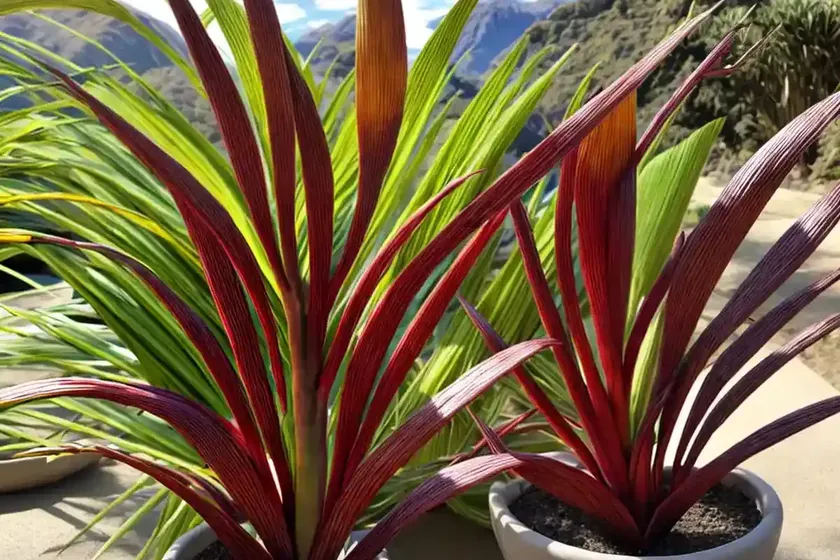
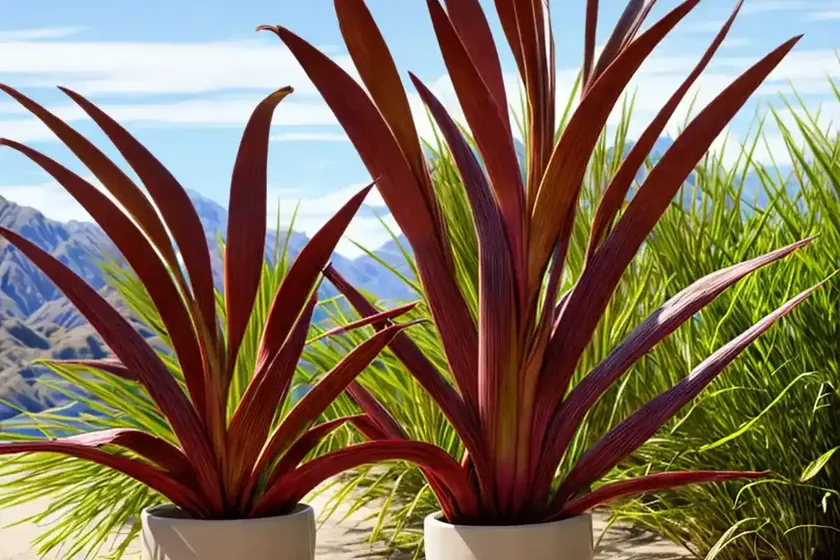
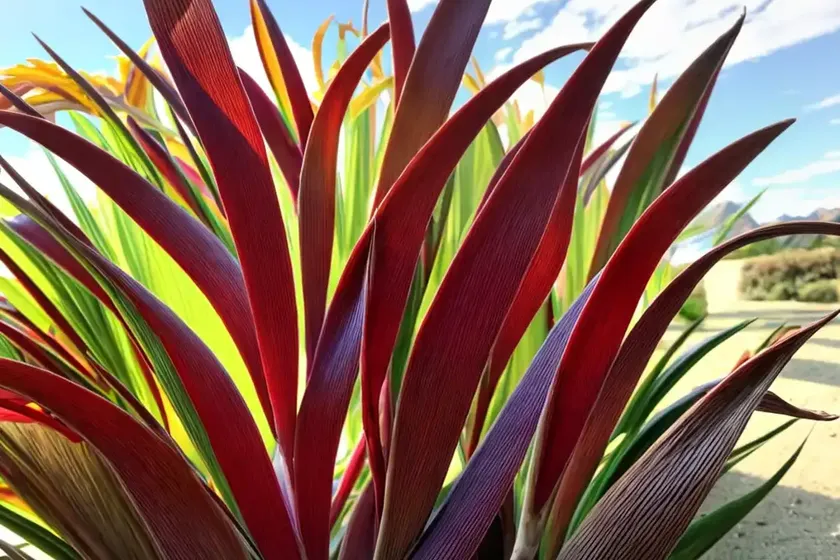
Phormium tenax, commonly known as New Zealand Flax, is a stunning perennial plant that is native to New Zealand and Norfolk Island. It is known for its ornamental foliage and has become a popular choice in landscapes and gardens around the world. In this comprehensive guide, we will explore the key aspects of Phormium tenax, including its culture, uses, care requirements, propagation, common diseases, pests, and much more. Whether you are already a fan of this striking plant or are considering adding it to your garden, this guide will provide you with valuable insights into maximizing the potential of Phormium tenax.
What is Phormium tenax?
Phormium tenax is a robust evergreen perennial plant that belongs to the Asphodelaceae family. It is characterized by its striking sword-shaped leaves, which can grow up to 3 meters in length. The plant produces vibrant flowers that are rich in nectar, making it an attractive choice for pollinators such as birds and insects.
Key Takeaways – Phormium tenax (New Zealand Flax)
Before we delve deeper into the various aspects of Phormium tenax, let’s take a quick look at the key takeaways of this remarkable plant:
- Scientific Name: Phormium tenax
- Common Name: New Zealand Flax
- Family: Asphodelaceae
- Native To: New Zealand and Norfolk Island
- Foliage: Sword-shaped leaves
- Flowers: Attractive, nectar-rich flowers
- Uses: Ornamental, medicinal, fiber production
- Growth Habit: Evergreen perennial
Now that we have an overview of Phormium tenax, let’s explore its culture, uses, and specific care requirements in greater detail.
Culture
Understanding the cultural requirements of Phormium tenax is essential for successfully growing and maintaining this plant. From sunlight and water needs to soil conditions, each aspect plays a crucial role in the overall health and vitality of the New Zealand Flax.
Water
Phormium tenax is relatively drought-tolerant once established, but regular watering is essential during the initial stages of growth and in periods of prolonged dryness. It is crucial to strike a balance, ensuring that the soil is well-drained to prevent waterlogged conditions, which can be detrimental to the plant’s health. Here are some key points to consider regarding water requirements for Phormium tenax:
- Young Plants: Water regularly during the first growing season to help establish a strong root system.
- Established Plants: Once established, Phormium tenax can tolerate dry conditions, but it is advisable to provide occasional deep watering, especially during prolonged periods of drought.
- Watering Technique: Water the base of the plant directly, avoiding wetting the foliage, to minimize the risk of fungal diseases.
Sunlight
Phormium tenax thrives in full sun to partial shade, making it a versatile choice for various garden settings. When choosing a location for planting, it is important to consider the following sunlight requirements:
- Full Sun: Ideally, provide at least 6-8 hours of direct sunlight for optimal growth and vibrant foliage color.
- Partial Shade: While Phormium tenax prefers full sun, it can tolerate partial shade, especially in hot climates where some protection from intense midday sun can be beneficial.
Fertilizer
Proper fertilization can significantly enhance the growth and appearance of Phormium tenax. While the plant is known for its resilience, providing essential nutrients can promote healthier foliage and more robust flowering. Consider the following guidelines for fertilizing Phormium tenax:
- Fertilizer Type: Use a balanced, slow-release fertilizer designed for ornamental plants to provide a steady supply of nutrients without the risk of overfeeding.
- Application Frequency: Apply fertilizer in spring, just before the growing season begins, to support new growth.
- Avoid Overfeeding: Avoid excessive fertilization, as this can lead to soft, leggy growth and may make the plant more susceptible to pest infestations.
Soil
The right soil conditions are crucial for the well-being of Phormium tenax. A well-drained, fertile soil that is rich in organic matter provides the ideal foundation for healthy growth. Consider the following soil requirements for Phormium tenax:
- Drainage: Ensure that the soil has excellent drainage to prevent waterlogging, which can lead to root rot and other issues.
- pH Level: Phormium tenax thrives in slightly acidic to neutral soil (pH 5.5 to 7.0), but it can tolerate a slightly broader pH range.
- Organic Matter: Incorporate organic matter such as compost or well-rotted manure into the soil to enhance its fertility and moisture-retention capabilities.
Pruning
Pruning is an essential aspect of maintaining Phormium tenax and promoting a tidy, healthy appearance. Regular pruning helps to remove dead or damaged foliage, control the plant’s size, and rejuvenate older specimens. Here are some key points to consider when pruning Phormium tenax:
- Dead Foliage: Regularly remove dead or withered leaves by cutting them back to the base of the plant to maintain a neat appearance and reduce the risk of disease.
- Division: Every few years, consider dividing overgrown clumps of Phormium tenax to rejuvenate the plant and promote better airflow and growth.
- Tool Maintenance: Use clean, sharp pruning shears or a pruning saw to make precise cuts and minimize the risk of damaging the plant.
Propagation
Propagating Phormium tenax allows you to expand your plant collection or share this striking species with fellow gardening enthusiasts. The plant can be propagated through division, seeds, or rhizome cuttings, each with its own set of considerations and requirements.
Division
Dividing established clumps of Phormium tenax is a straightforward method of propagation that helps to rejuvenate older plants and create new specimens. Here’s how to propagate Phormium tenax through division:
- Timing: Spring is the ideal time to divide Phormium tenax, as it allows the plants to establish new roots before the onset of hot, dry weather.
- Preparation: Water the plant thoroughly a day or two before dividing to reduce stress on the plant and make it easier to separate the clumps.
- Division Process: Use a sharp, clean spade or garden fork to carefully dig up the entire clump, ensuring that each division has a healthy portion of rhizome and roots attached.
- Replanting: Plant the divisions at the same depth as the original plant, spacing them at the desired distance to allow for future growth.
Seeds
While Phormium tenax produces seeds, propagating the plant from seed is a more time-consuming method that requires patience and specific conditions to achieve successful germination. Here’s a brief overview of propagating Phormium tenax from seeds:
- Collection: Harvest ripe seeds from the plant when the seed pods have dried and started to split open.
- Seed Treatment: Scarify the seeds by gently rubbing them with sandpaper to create small nicks in the seed coat, which enhances germination.
- Germination: Sow the scarified seeds in a well-draining potting mix, lightly covering them with a thin layer of soil, and maintain consistent moisture and warmth for successful germination.
Rhizome Cuttings
Taking rhizome cuttings offers another propagation method for Phormium tenax and can be particularly effective for producing new plants with specific characteristics. Here are the basic steps for propagating Phormium tenax from rhizome cuttings:
- Cutting Selection: Choose a healthy, mature rhizome with several healthy growth points to ensure successful propagation.
- Cutting and Planting: Use a sharp, clean knife to carefully cut sections of the rhizome, ensuring that each cutting has at least one growth point. Plant the cuttings in a well-draining potting mix and maintain consistent moisture until new growth emerges.
Uses
Phormium tenax is valued for its versatile uses, ranging from ornamental landscaping to traditional and medicinal applications. Understanding the different ways in which this plant can be utilized provides insights into its cultural, historical, and practical significance.
Ornamental Landscaping
One of the primary uses of Phormium tenax is as a striking ornamental plant in landscaping and garden design. The plant’s architectural form, vibrant foliage colors, and attractive flowers make it a popular choice for various settings, including:
- Garden Borders: Phormium tenax adds height, texture, and visual interest to garden borders, creating a bold focal point in perennial beds and mixed borders.
- Containers: Whether in large pots or striking decorative containers, Phormium tenax makes an eye-catching addition to patios, balconies, and outdoor living spaces.
- Mass Plantings: Utilize Phormium tenax in mass plantings to create dramatic, low-maintenance displays with a modern aesthetic.
Medicinal Properties
In traditional Maori culture, Phormium tenax has been utilized for its medicinal properties, with various parts of the plant being used to address specific health concerns. While the plant’s traditional uses should be approached with caution and respect for cultural sensitivities, it is interesting to note the historical significance of Phormium tenax as a medicinal resource.
- Historical Uses: Historically, the Maori people used the leaves and roots of Phormium tenax to treat ailments such as wounds, bruises, and inflammation, highlighting the plant’s traditional medicinal significance.
- Modern Research: While traditional uses are well-documented, it is important to approach the topic of medicinal properties with careful consideration of cultural contexts and the need for substantiated scientific research.
Fiber Production
A notable traditional use of Phormium tenax is in the production of strong and durable fibers from its leaves. These fibers have been traditionally used by the Maori people for a wide range of practical and artistic purposes, demonstrating the inherent versatility of the plant.
- Harvesting: The robust leaves of Phormium tenax are harvested, and the fibers are extracted through a labor-intensive process that has been refined over generations.
- Applications: The resulting fibers have been historically utilized for weaving, making textiles, creating baskets, and constructing various items that require strong, flexible materials.
Common Diseases
While Phormium tenax is generally resilient, it can be susceptible to certain diseases and issues that may impact its overall health and appearance. Being aware of common diseases and their associated symptoms is vital for prompt diagnosis and effective management.
Disease Diagnosis
Several diseases can affect Phormium tenax, often manifesting as visible changes in the plant’s foliage, growth patterns, or overall vigor. By understanding the symptoms associated with common diseases, it becomes easier to identify and address potential issues.
- Leaf Blight: Characterized by the presence of brown, water-soaked lesions on the leaves, leaf blight can lead to tissue death and ultimately impact the plant’s overall appearance and health.
- Root Rot: Excessive soil moisture and poor drainage can contribute to root rot, leading to wilting, yellowing, and eventual death of the plant if left untreated.
- Rust: Rust infections manifest as small, reddish-brown pustules on the undersides of leaves, potentially leading to premature leaf drop and reduced vigor.
- Mildew: Powdery mildew appears as a white, powdery growth on the leaves and can lead to reduced photosynthetic capacity and overall decline in plant health.
Common Pests
Phormium tenax can also be targeted by various pests, some of which can impact the plant’s growth and overall well-being. Identifying and addressing pest infestations promptly is essential for preventing significant damage.
- Aphids: These small insects can cluster on the underside of leaves, sucking sap from the plant and potentially causing distorted growth and leaf yellowing.
- Scale Insects: Scale insects can appear as small, shell-like coverings on the plant, feeding on sap and potentially leading to weakened growth over time.
- Spider Mites: These minuscule pests can cause stippling on the leaves and, in severe infestations, may lead to webbing and reduced vigor.
Botanist’s Tips
As a plant scientist with a passion for Phormium tenax, I would like to share some valuable tips and insights to help you maximize the potential of this remarkable species. Whether you are new to growing Phormium tenax or are looking to enrich your existing knowledge, these tips can help you cultivate healthy, beautiful plants in various gardening settings.
- Cultural Adaptability: Phormium tenax is remarkably adaptable and can thrive in diverse climates, from coastal regions to inland areas, making it a versatile choice for many gardeners and landscapers.
- Architectural Impact: Incorporate Phormium tenax strategically to provide architectural interest, texture, and vertical accents in garden designs, particularly in contemporary and coastal-themed landscapes.
- Foliage Maintenance: Regularly remove dead or damaged foliage to maintain the plant’s vitality and appearance, and consider dividing older clumps to rejuvenate the plant and promote healthier growth.
- Pest Monitoring: Regularly inspect the foliage and stems for signs of pest activity, particularly aphids, scale insects, and spider mites, and intervene promptly to prevent population outbreaks.
Fun Facts
To deepen our appreciation for Phormium tenax, here are some intriguing and lesser-known facts that highlight the plant’s unique qualities and rich cultural significance:
- Maori Culture: Phormium tenax holds significant cultural importance for the Maori people, who have historically utilized the plant for its fibers, edible nectar, and medicinal properties, symbolizing its deep-rooted connection to indigenous traditions.
- Nectar Production: The flowers of Phormium tenax produce copious amounts of nectar, attracting a variety of pollinators, including birds and insects, and contributing to the plant’s ecological value.
- Drought Tolerance: Once established, Phormium tenax demonstrates impressive drought tolerance, making it well-suited for water-wise landscapes and regions prone to periodic dry spells.
Links to External Resources
For additional information on Phormium tenax, its cultivation, uses, and cultural significance, I recommend exploring the following resources:
- Royal Horticultural Society – Phormium tenax
- American Society for the Prevention of Cruelty to Animals – Phormium tenax
- Flax Council of New Zealand – Phormium tenax
In conclusion, Phormium tenax, or New Zealand Flax, is a remarkable plant with diverse cultural, ornamental, and practical significance. By embracing the plant’s unique characteristics and understanding its specific care requirements, gardeners and enthusiasts can cultivate thriving, visually stunning specimens that contribute to the beauty and ecological value of their landscapes. Whether utilized for ornamental landscaping, traditional uses, or its intriguing cultural connections, Phormium tenax stands as a testament to the inherent versatility and resilience of nature’s botanical treasures.
As we continue to appreciate and cultivate Phormium tenax, we celebrate its rich legacy and ongoing contributions to horticulture, artistry, and ecological diversity.


