Phormium ‘Platt’s Black’ (New Zealand Flax)
Plants play an essential role in maintaining the ecological balance of our planet. They provide us with oxygen, food, medicines, and raw materials, and.
Introduction
Plants play an essential role in maintaining the ecological balance of our planet. They provide us with oxygen, food, medicines, and raw materials, and contribute to the aesthetic appeal of our surroundings. Understanding different plant species and their care requirements can greatly enhance the beauty and sustainability of our environment. In this blog post, we will explore the fascinating plant, Phormium ‘Platt’s Black’ (New Zealand Flax), known for its striking appearance and versatility in gardens and landscapes.
What is Phormium ‘Platt’s Black’?
Phormium ‘Platt’s Black’ is a cultivar of the New Zealand Flax, a perennial plant native to New Zealand. This plant is characterized by its striking, dark-colored, sword-shaped leaves that can add depth and visual interest to any garden or landscape. It is a popular choice for its architectural form and low-maintenance nature, making it a versatile addition to a wide range of garden styles and settings.
Key Takeaways – Phormium ‘Platt’s Black’ (New Zealand Flax)
- Plant Name: Phormium ‘Platt’s Black’ (New Zealand Flax)
- Common Name: New Zealand Flax
- Plant Type: Perennial
- Origin: New Zealand
- Foliage Color: Dark, almost black
- Growth Habit: Upright, clump-forming
- Hardiness Zone: 7-11
- Mature Height: 3-4 feet
- Mature Spread: 3-4 feet
- Sunlight: Full sun to partial shade
- Watering Needs: Low to moderate
- Soil Requirements: Well-draining, fertile soil
- Disease Resistance: Generally resistant to diseases and pests
- Landscape Uses: Borders, containers, coastal gardens, and mixed plantings
Now let’s delve into the specific care requirements and characteristics of Phormium ‘Platt’s Black’ to help you successfully grow and maintain this striking plant in your garden.
Plant Characteristics
Phormium ‘Platt’s Black’ is well-known for its unique and dramatic foliage, which sets it apart from other plants in the landscape. Let’s take a closer look at some of its key characteristics:
-
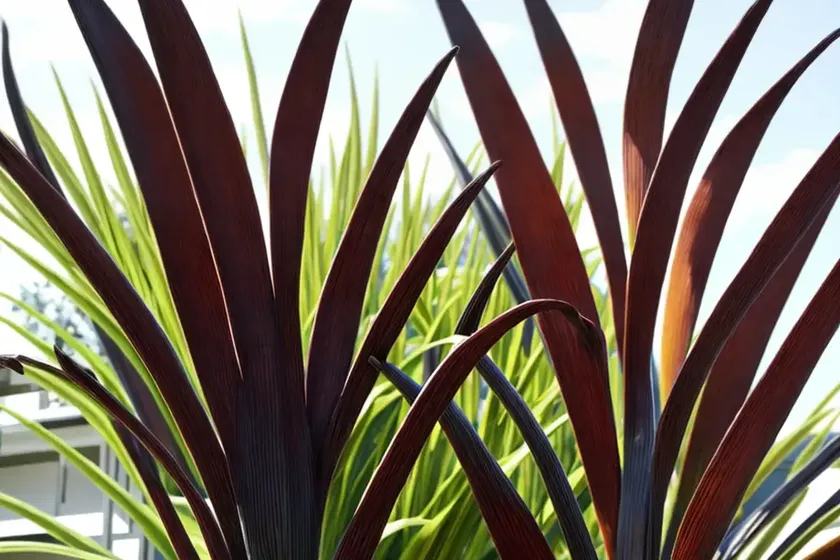
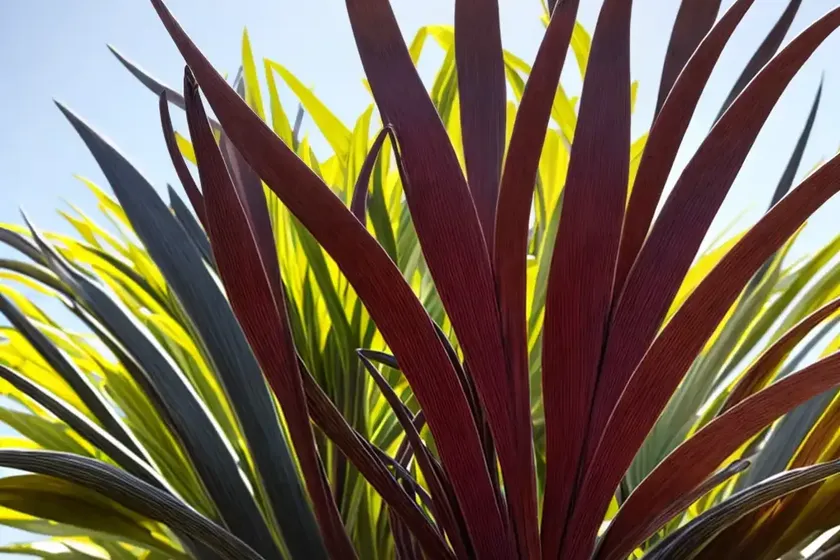
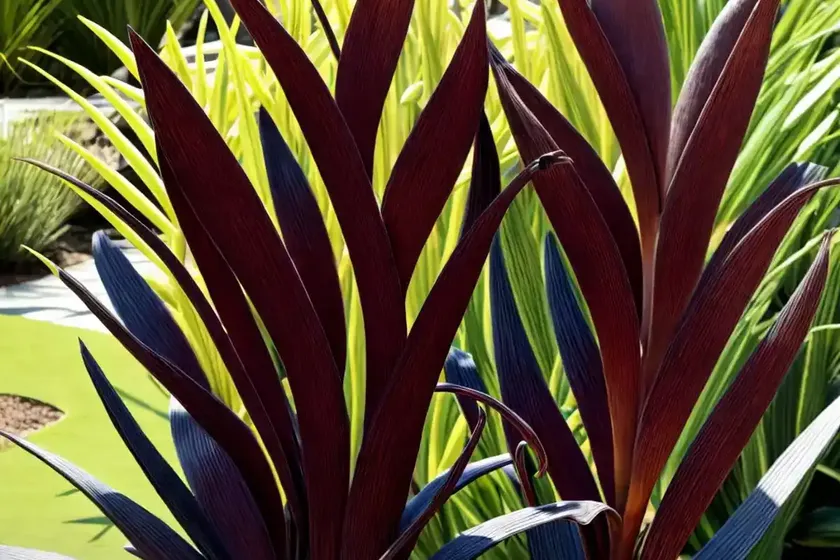
Foliage: The leaves of Phormium ‘Platt’s Black’ are long, sword-shaped, and feature a deep, almost black hue. This striking coloration can create a bold focal point in any garden setting.
-
Growth Habit: This cultivar exhibits an upright, clump-forming growth habit, with gracefully arching leaves that add a sense of movement and fluidity to the landscape.
-
Height and Spread: At maturity, Phormium ‘Platt’s Black’ typically reaches a height and spread of 3-4 feet, making it a relatively compact yet impactful addition to gardens and containers.
-
Foliage Texture: The leaves of Phormium ‘Platt’s Black’ have a leathery texture, adding tactile interest to its visual appeal and making it relatively resistant to damage from environmental stressors.
Culture
Cultivating Phormium ‘Platt’s Black’ successfully requires an understanding of its cultural preferences, including its water, sunlight, soil, and fertilizer needs. By providing the right conditions, you can ensure the optimal growth and health of this striking plant in your garden.
Uses
Phormium ‘Platt’s Black’ offers a wide range of uses in landscapes and gardens, thanks to its versatile nature and striking visual impact:
-
Borders: Planting Phormium ‘Platt’s Black’ along borders and edges can create a bold and structured frame for garden beds or walkways, adding a sense of definition and drama to the landscape.
-
Containers: The architectural form and dark foliage of Phormium ‘Platt’s Black’ make it a popular choice for container plantings, whether as a standalone specimen or as part of mixed container arrangements.
-
Coastal Gardens: Due to its tolerance for coastal conditions, including salt spray and windy environments, this cultivar is often used to add lushness and visual interest to coastal garden settings.
-
Mixed Plantings: Phormium ‘Platt’s Black’ can be paired with a variety of ornamental grasses, flowering perennials, or other foliage plants to create stunning mixed plantings with diverse textures and colors.
Water
Phormium ‘Platt’s Black’ has moderate water needs and is relatively drought-tolerant once established. It is important to provide adequate moisture during the plant’s establishment phase and in periods of prolonged drought. However, it is crucial to ensure that the soil is well-draining to prevent waterlogged conditions, which can lead to root rot and other issues.
Sunlight
This cultivar thrives in full sun to partial shade, making it adaptable to a wide range of light conditions. However, for the best foliage coloration and overall growth, providing ample sunlight is recommended. In partial shade, the plant may exhibit slightly less intense foliage coloring and a more open growth habit.
Fertilizer
Phormium ‘Platt’s Black’ generally has low fertility requirements and can thrive in moderately fertile soil without the need for frequent fertilization. However, applying a balanced, slow-release fertilizer in spring can support healthy growth and vibrant foliage color. Be sure to follow the specific guidelines on the fertilizer product for application rates and methods.
Soil
Well-draining, fertile soil is key to the success of Phormium ‘Platt’s Black’. The plant prefers soil with good moisture retention while avoiding waterlogged conditions. Amending the soil with organic matter, such as compost or well-rotted manure, can improve its fertility and structure, providing an ideal growing medium for the plant.
Pruning
Regular maintenance and occasional pruning can help enhance the appearance and longevity of Phormium ‘Platt’s Black’. Here are some essential pruning tips for this cultivar:
-
Dead Leaves: Periodically remove any dead or damaged leaves to maintain a tidy and healthy appearance.
-
Division: Every few years, consider dividing overcrowded clumps of Phormium ‘Platt’s Black’ to rejuvenate the plant and promote fresh growth.
-
Bloom Stalks: Remove spent bloom stalks to redirect the plant’s energy into foliage production and maintain its neat, tidy appearance.
-
Cautions: When pruning Phormium ‘Platt’s Black’, it is essential to use sharp, clean tools and to avoid cutting into the plant’s crown or causing injury to the growing point.
Propagation
Propagating Phormium ‘Platt’s Black’ can be achieved through various methods, including division and seed propagation. Here are some guidelines for successful propagation:
-
Division: Dividing established clumps of Phormium ‘Platt’s Black’ can be an effective way to create new plants. Use a sharp, clean tool to carefully separate the clumps, ensuring that each division has an adequate root system and foliage.
-
Seed Propagation: While viable seeds can be obtained from mature Phormium ‘Platt’s Black’ plants, seed propagation may take longer to yield mature, flowering plants compared to division. Sow the seeds in a well-draining, moist growing medium and provide the necessary warmth and light for germination.
Container Popularity
Phormium ‘Platt’s Black’ is sought after for its suitability as a container plant, which allows it to thrive in various settings, from small urban balconies to spacious garden terraces. Its architectural form and striking foliage make it an ideal choice for container gardening, where it can serve as a focal point or a dramatic backdrop for other plants.
Container Common Diseases
When grown in containers, Phormium ‘Platt’s Black’ may be susceptible to certain diseases, such as:
-
Root Rot: Overly moist or waterlogged soil can lead to root rot, causing the plant to wilt and decline. To prevent this, ensure that the container has adequate drainage and avoid overwatering.
-
Leaf Spot: Fungal infections can cause dark spots or lesions on the plant’s foliage. Maintaining proper air circulation and avoiding overhead watering can help reduce the risk of leaf spot diseases.
Disease Diagnosis
Diagnosing diseases in container-grown Phormium ‘Platt’s Black’ involves careful observation of any changes in the plant’s foliage, growth, or overall appearance. Common signs of disease may include browning or yellowing leaves, wilting, or the presence of unusual spots or lesions. If you suspect a disease issue, it is advisable to consult a plant health professional or horticulturist for accurate diagnosis and treatment recommendations.
Common Pests
While Phormium ‘Platt’s Black’ is generally resistant to pests, especially when grown under optimal conditions, it may occasionally encounter the following common pests, particularly in container settings:
-
Aphids: These small, sap-sucking insects can congregate on the undersides of the plant’s leaves, causing distortion and yellowing of the foliage.
-
Mealybugs: Mealybugs are white, cottony insects that feed on plant sap and can be found along the leaf joints and undersides. Their presence may lead to stunted growth and weakening of the plant.
Botanist’s Tips
To ensure the successful cultivation and long-term health of Phormium ‘Platt’s Black’, consider the following botanist’s tips:
-
Mulching: Applying a layer of mulch around the base of the plant can help conserve soil moisture, regulate soil temperature, and suppress weed growth, contributing to the plant’s overall vigor and appearance.
-
Air Circulation: Adequate air circulation around the plant is essential for minimizing the risk of fungal diseases. When planting Phormium ‘Platt’s Black’, ensure that it has sufficient space and is not overcrowded by other plants.
-
Regular Inspection: Periodically inspect the plant for any signs of stress, disease, or pest infestations. Early detection and intervention can prevent potential issues from escalating and help maintain the plant’s overall health.
Fun Facts
-
Phormium ‘Platt’s Black’ is a cultivar of the New Zealand Flax (Phormium sp.), a group of plants that holds cultural significance for the Māori people of New Zealand, who traditionally used the plant for weaving and medicinal purposes.
-
In addition to its ornamental value, Phormium ‘Platt’s Black’ can attract beneficial pollinators, such as bees and butterflies, to the garden with its striking blooms.
-
The tall, architectural form of Phormium ‘Platt’s Black’ makes it an excellent choice for creating dynamic, modern landscape designs, blending harmoniously with contemporary and minimalist aesthetics.
Links to External Resources
For additional information on growing and caring for Phormium ‘Platt’s Black’ and New Zealand Flax, consider exploring the following resources:
- Royal Horticultural Society: Growing New Zealand Flax
- University of California Agriculture & Natural Resources: New Zealand Flax
- American Society for the Prevention of Cruelty to Animals (ASPCA): New Zealand Flax
- New Zealand Plant Conservation Network: Phormium tenax
I hope this comprehensive guide has provided valuable insights into the cultivation and care of Phormium ‘Platt’s Black’ (New Zealand Flax) and inspired you to incorporate this striking plant into your landscape. By understanding its unique characteristics and cultural preferences, you can create an inviting and visually captivating garden that celebrates the beauty of nature.
Remember, the key to successful gardening lies in observation, experimentation, and a genuine passion for nurturing plant life. Whether you are a seasoned horticulturist or a novice gardener, the journey of learning and growing alongside plants is truly rewarding. Happy gardening!


