Phormium ‘Dark Delight’ (New Zealand Flax)
Phormium ‘Dark Delight’, also known as New Zealand Flax, is a striking and versatile ornamental plant that has gained popularity in gardens and landscapes.
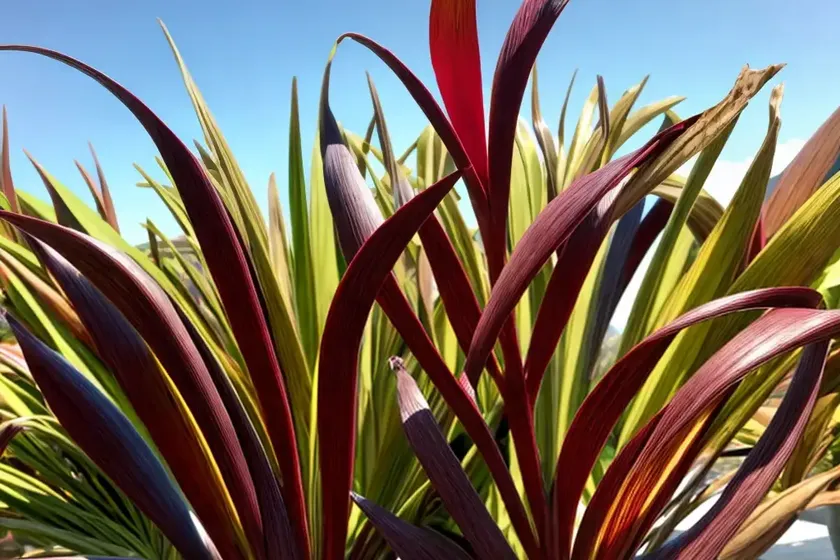
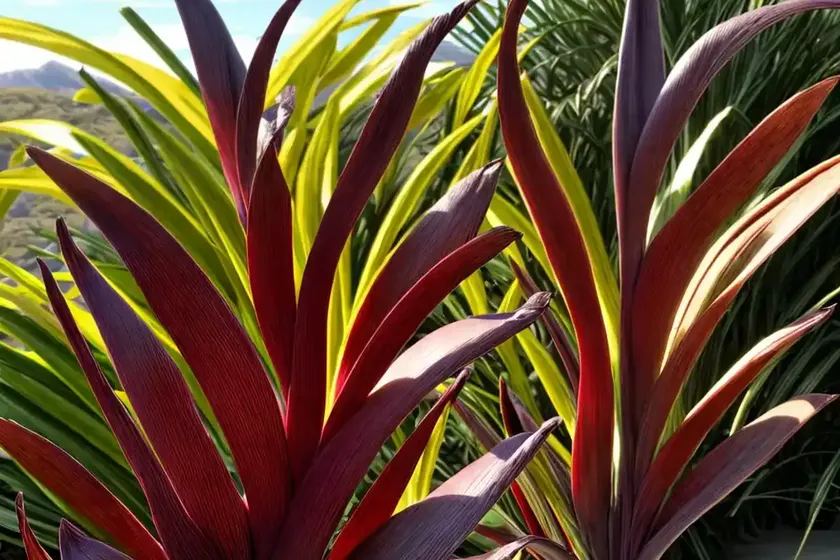
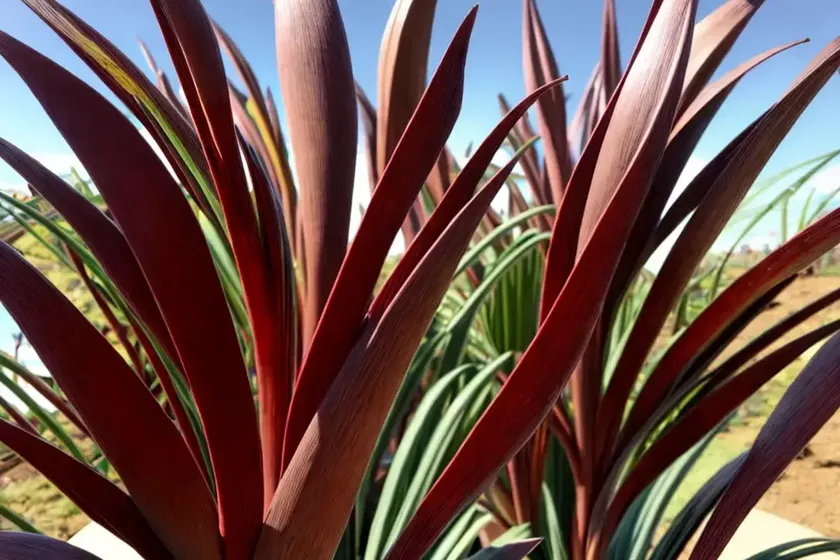
Phormium ‘Dark Delight’, also known as New Zealand Flax, is a striking and versatile ornamental plant that has gained popularity in gardens and landscapes around the world. This evergreen perennial is prized for its graceful, strap-like foliage and its adaptability to various growing conditions. In this comprehensive guide, we will delve into the essential aspects of caring for Phormium ‘Dark Delight’, including its culture, uses, water requirements, sunlight preferences, fertilizer needs, soil preferences, pruning techniques, propagation methods, container gardening tips, common diseases, pest management, and much more.
What is Phormium ‘Dark Delight’ (New Zealand Flax)?
Phormium ‘Dark Delight’ is a cultivar of Phormium tenax, commonly known as New Zealand Flax. This plant belongs to the family Asphodelaceae and is native to New Zealand. It is renowned for its striking deep purple to almost black foliage that adds a bold and dramatic touch to any garden or landscape setting.
This evergreen perennial grows in clumps and produces long, arching leaves that can reach impressive lengths. The sword-like leaves of Phormium ‘Dark Delight’ create a focal point in the garden and can be particularly effective when used in contemporary, tropical, or architectural landscaping designs.
Key Takeaways – Phormium ‘Dark Delight’ (New Zealand Flax)
Before delving into the specifics of caring for Phormium ‘Dark Delight’, let’s highlight a succinct overview of the key takeaways related to its culture, uses, and essential care requirements:
- Culture:
- Phormium ‘Dark Delight’ is a versatile plant with a range of uses in landscaping, including borders, mass plantings, containers, and architectural focal points.
- Uses:
- This striking variety of New Zealand Flax is commonly utilized for its ornamental foliage, adding texture and color to gardens, landscapes, and mixed containers.
- Water:
- While relatively drought-tolerant once established, Phormium ‘Dark Delight’ benefits from regular watering, particularly during periods of prolonged dryness.
- Sunlight:
- Full to partial sunlight is ideal for Phormium ‘Dark Delight’, ensuring the development of vibrant and healthy foliage.
- Fertilizer:
- The application of a balanced, slow-release fertilizer in spring can promote the growth and vitality of Phormium ‘Dark Delight’.
- Soil:
- Well-draining soil is crucial for the health of New Zealand Flax, and it thrives in a variety of soil types, including sandy, loamy, or clay soils.
- Pruning:
- Regular removal of spent foliage and any damaged or unsightly leaves helps maintain the plant’s aesthetic appeal and prevents the accumulation of debris.
- Propagation:
- Phormium ‘Dark Delight’ can be propagated through division, allowing for the creation of new plants from established clumps.
- Container:
- It is suitable for container gardening, provided that the container is large enough to accommodate its growth and the soil has excellent drainage.
Now, let’s explore each of these aspects in greater detail to provide a comprehensive understanding of how to care for Phormium ‘Dark Delight’.
Culture
Uses
Phormium ‘Dark Delight’ holds great appeal due to its versatility and aesthetic appeal, making it a valuable addition to various landscaping scenarios. Some of its key uses include:
-
Borders: The striking foliage of Phormium ‘Dark Delight’ makes it a fantastic choice for creating borders, whether in traditional garden designs or modern, contemporary landscapes. The rich, dark hues of the leaves create an attractive contrast and provide a dramatic backdrop for other flowering plants or ornamental grasses.
-
Mass Plantings: When planted en masse, Phormium ‘Dark Delight’ can form visually stunning displays, particularly in larger garden areas, public spaces, or commercial landscapes. Its bold presence and strong architectural form contribute to the creation of impactful and cohesive plantings.
-
Containers: Due to its graceful form and attractive foliage, Phormium ‘Dark Delight’ is well-suited for container gardening. It can be featured in large, decorative pots on patios, verandas, or balconies, adding a touch of elegance and color to outdoor living spaces.
-
Architectural Focal Points: In contemporary and architectural landscaping designs, Phormium ‘Dark Delight’ often serves as a focal point, drawing attention and adding a sense of sophistication to outdoor environments.
Water
Phormium ‘Dark Delight’ exhibits moderate drought tolerance once established, but regular watering remains essential, especially during periods of limited rainfall or high temperatures. Adequate moisture is crucial for promoting healthy growth and vibrant foliage. A few key points to consider in relation to watering include:
-
Establishment Period: During the initial establishment phase, regular watering is necessary to ensure the development of a strong root system. This is particularly important in regions with hot, dry summers or limited natural rainfall.
-
Prolonged Dry Spells: In the absence of significant rainfall, supplemental irrigation is beneficial, particularly for plants growing in exposed or sunny locations. Deep watering encourages the penetration of moisture into the soil, promoting deeper root growth and overall plant resilience.
-
Container-Grown Plants: Phormium ‘Dark Delight’ in containers may require more frequent watering, as pots and containers can dry out more rapidly than open ground. It is essential to monitor the moisture levels consistently and adjust the watering frequency based on environmental conditions.
Sunlight
Phormium ‘Dark Delight’ flourishes in full to partial sunlight, exhibiting its most vibrant coloration and optimal growth under these conditions. Adequate sunlight is essential for the following reasons:
-
Foliage Coloration: Full sunlight exposure intensifies the coloration of the foliage, enhancing the plant’s visual impact. The deep purple to nearly black tones of Phormium ‘Dark Delight’ are most pronounced when exposed to ample sunlight.
-
Growth and Vigor: Sunlight plays a fundamental role in photosynthesis, enabling the production of energy for plant growth and development. Adequate sunlight promotes robust, healthy foliage and overall vitality.
-
Shade Tolerance: While Phormium ‘Dark Delight’ prefers full sunlight, it can also tolerate partial shade, particularly in regions with intense or prolonged periods of sunlight. Under partial shade, the plant may exhibit slightly less intense coloration but will still thrive and maintain its ornamental appeal.
Fertilizer
The application of fertilizer can support the growth and vitality of Phormium ‘Dark Delight’, particularly in the spring when the plant is actively growing. Consider the following guidelines for fertilizing New Zealand Flax:
-
Timing: Apply a balanced, slow-release fertilizer in early spring, as this aligns with the plant’s natural growth cycle and provides essential nutrients for the upcoming season.
-
Nutrient Balance: Use a fertilizer with a balanced ratio of essential nutrients, such as a 10-10-10 or 20-20-20 formulation. This ensures that the plant receives adequate levels of nitrogen, phosphorus, and potassium, supporting healthy foliage development and overall vigor.
-
Application Method: Spread the fertilizer evenly around the base of the plant, ensuring that it does not come into direct contact with the foliage. Water the area thoroughly after application to initiate the release of nutrients into the soil.
Soil
Phormium ‘Dark Delight’ thrives in well-draining soil and displays adaptability to various soil types, including sandy, loamy, or clay soils. The following soil-related considerations are essential for promoting the health and performance of this ornamental plant:
-
Drainage: Ensure that the soil provides effective drainage to prevent the accumulation of excess moisture around the plant’s root system. Poorly drained soil can lead to root rot and other unfavorable conditions, negatively impacting the plant’s health.
-
pH Range: New Zealand Flax is adaptable to a wide pH range, but neutral to slightly acidic soil (pH 6.0-7.0) is generally ideal. Regular soil testing can help monitor and adjust the pH levels as needed to create optimal growing conditions for Phormium ‘Dark Delight’.
-
Amendments: Incorporating organic matter, such as well-rotted compost or aged manure, into the soil can enhance its structure and fertility, promoting the long-term health and vigor of the plant. The addition of organic amendments aids in soil moisture retention and nutrient availability, contributing to the overall well-being of Phormium ‘Dark Delight’.
Pruning
Regular pruning is integral to maintaining the visual appeal and vigor of Phormium ‘Dark Delight’. Pruning serves several important purposes, including the removal of spent or damaged foliage, shaping the plant’s overall form, and preventing the accumulation of debris or detritus within the leaf clusters. Here are some key considerations for pruning this ornamental flax:
-
Spent Foliage: Periodically remove any discolored, withered, or spent leaves from the plant. This practice not only enhances the plant’s appearance but also reduces the risk of disease and pest issues, as decaying foliage can harbor pathogens and pests.
-
Deadheading: Trim off any dried or dead flower spikes to maintain a tidy and attractive appearance. While Phormium ‘Dark Delight’ is primarily valued for its foliage rather than its flowers, this practice contributes to the plant’s overall grooming and aesthetic appeal.
-
Shaping: As Phormium ‘Dark Delight’ matures, it may develop a sprawling or untidy growth habit, particularly at the outer edges of the plant. Pruning back unruly or straggling foliage helps maintain a neat and well-proportioned appearance, enhancing the plant’s overall visual impact.
-
Safety and Hygiene: When pruning, use sharp, clean tools to make precise cuts and minimize the risk of damage to the plant. Sanitize the pruning tools before and after use to reduce the potential transmission of diseases between plants.
Propagation
Propagating Phormium ‘Dark Delight’ allows for the expansion of plantings and the creation of new focal points in the landscape. Multiple methods can be employed to propagate this ornamental flax, providing flexibility and opportunities for multiplying plants. Here are some common approaches to consider:
Division
Dividing established clumps of Phormium ‘Dark Delight’ is one of the most straightforward and reliable methods of propagation. This process can be carried out during the plant’s dormant season, typically in early spring or late summer. Follow these steps for successful division and propagation:
-
Preparation: Select a mature, healthy Phormium ‘Dark Delight’ plant with well-developed clumps. Ensure that the plant is well-hydrated prior to division to minimize stress on the root system.
-
Digging: Carefully dig around the base of the plant to expose the root system and the interconnected clumps. Gently loosen the soil and roots to facilitate the separation process.
-
Division: Using sharp, clean tools, divide the clumps into smaller sections, ensuring that each division contains a sufficient number of healthy roots and foliage. Aim for well-balanced divisions that can establish themselves effectively once replanted.
-
Replanting: Transplant the divided sections into prepared planting areas or containers, using a well-draining planting mix. Water the newly divided plants thoroughly to promote root establishment and reduce transplant shock.
Propagation through division offers a direct and efficient means of generating new Phormium ‘Dark Delight’ plants from existing specimens, allowing for expansion and diversification within the garden or landscape.
Container Gardening
Phormium ‘Dark Delight’ is well-suited for container gardening, providing an opportunity to showcase its bold foliage and architectural form in a more controlled and versatile setting. When cultivating this ornamental flax in containers, several essential aspects should be considered to ensure its health and longevity:
-
Container Size: Select a spacious container that accommodates the plant’s growth habit and provides ample room for the development of its root system. A large, sturdy pot with adequate drainage holes is recommended to support the robust nature of Phormium ‘Dark Delight’.
-
Drainage: Ensure that the chosen container provides effective drainage, preventing waterlogging and the onset of root rot. Use a well-draining planting mix and consider adding a layer of coarse gravel or horticultural charcoal at the bottom of the container to enhance drainage.
-
Watering: Container-grown Phormium ‘Dark Delight’ may require more frequent watering, particularly during warmer periods. Monitor the moisture levels closely and adjust the watering frequency based on environmental conditions and the moisture retention characteristics of the planting mix.
-
Sunlight: Position the container in a location that receives ample sunlight, as this promotes the development of vibrant foliage and optimal growth. Ensure that the plant receives sufficient sunlight throughout the day, adjusting its position as needed to maintain exposure to the sun.
Container gardening offers an excellent opportunity to feature Phormium ‘Dark Delight’ in various outdoor spaces, including patios, terraces, and balconies, where its ornamental appeal can be appreciated up close.
Popularity
Phormium ‘Dark Delight’ has garnered significant popularity among gardeners, landscapers, and plant enthusiasts due to its captivating aesthetics and adaptable nature. This cultivar’s allure lies in its striking foliage, which introduces rich, dark hues to garden compositions and provides an exceptional contrast to other plants and design elements.
In landscaping and horticultural settings, Phormium ‘Dark Delight’ is appreciated for its versatility and ability to thrive in a range of environmental conditions. The plant’s architectural presence, combined with its low-maintenance requirements, contributes to its widespread appeal in various gardening and design contexts.
As the demand for visually impactful and resilient ornamental plants continues to grow, Phormium ‘Dark Delight’ remains a popular choice for enhancing landscapes, creating focal points, and introducing bold textures and colors to outdoor environments.
Common Diseases
Despite its overall resilience, Phormium ‘Dark Delight’ may face certain disease challenges under specific environmental conditions or cultural practices. Being aware of common diseases that can affect this ornamental flax is essential for implementing preventative measures and ensuring its long-term health. Some prevalent diseases to watch for include:
-
Phormium Rust: This fungal disease, caused by the pathogen Cerotelium fici, manifests as noticeable yellow, orange, or red spots on the leaves of Phormium ‘Dark Delight’. In severe cases, it can lead to defoliation and weaken the plant. Manage Phormium rust through prompt removal of infected leaves, enhancing air circulation, and practicing good garden hygiene.
-
Leaf Spot: Various fungal pathogens can cause leaf spot diseases on Phormium ‘Dark Delight’, resulting in the appearance of dark or discolored spots on the foliage. Maintaining proper spacing between plants and avoiding overhead watering can help reduce the risk of leaf spot diseases.
-
Root Rot: Excessive soil moisture, poor drainage, or fungal pathogens can contribute to the development of root rot in Phormium ‘Dark Delight’. To prevent root rot, ensure well-draining soil conditions, avoid waterlogging, and exercise moderation in irrigation practices.
By monitoring the plant for signs of disease, fostering good cultural practices, and implementing appropriate management strategies, it is possible to minimize the impact of common diseases and maintain the health and vigor of Phormium ‘Dark Delight’.
Disease Diagnosis
Diagnosing and addressing potential diseases affecting Phormium ‘Dark Delight’ requires careful observation and an understanding of common symptoms. When assessing the plant for signs of disease, consider the following diagnostic factors:
-
Visual Symptoms: Observe the foliage for the presence of discoloration, spotting, wilting, or abnormalities. Note any changes in leaf texture, appearance, or overall plant vigor.
-
Environmental Conditions: Consider the prevailing environmental factors, such as temperature, humidity levels, and soil moisture. Certain diseases may be more prevalent under specific climatic or cultural conditions.
-
Cultural Practices: Evaluate the plant’s growing conditions, including watering practices, soil quality, and sunlight exposure. Inconsistent care or suboptimal cultural practices can contribute to susceptibility to diseases.
-
Pest Activity: Be attentive to the presence of pests or insect damage, as pest infestations can weaken the plant and make it more susceptible to disease. Address pest issues promptly to minimize their impact on the plant’s health.
If disease symptoms are present or if the plant exhibits signs of distress, it is advisable to seek the guidance of a knowledgeable horticulturist or plant health professional. Proper diagnosis is essential for implementing targeted and effective management strategies.
Common Pests
While generally resilient, Phormium ‘Dark Delight’ may encounter occasional pest issues that can impact its growth and appearance. Understanding the common pests that can affect this ornamental flax is crucial for implementing appropriate pest management measures. Some of the prevalent pests to watch for include:
-
Aphids: These small, soft-bodied insects may infest the foliage and stems of Phormium ‘Dark Delight’, causing leaf distortion, stunted growth, and the secretion of honeydew. Control aphids through the application of horticultural oils, insecticidal soaps, or natural predators such as ladybugs.
-
Scale Insects: Scale insects can appear as small, immobile bumps on the leaves or stems of Phormium ‘Dark Delight’, feeding on plant sap and potentially causing yellowing or wilting. Manage scale infestations through the use of horticultural oils or insecticidal treatments targeted at the crawler stage of the pest.
-
Thrips: Thrips may feed on the foliage of Phormium ‘Dark Delight’, causing stippling, silvering, or discoloration of the leaves. Control thrips with the application of insecticidal treatments or by enhancing natural predator populations.
-
Snails and Slugs: These common garden pests can feed on the leaves of Phormium ‘Dark Delight’, leaving behind uneven or ragged edges. Implement physical barriers, such as copper tape or diatomaceous earth, to protect the plant from snail and slug damage.
By actively monitoring the plant for signs of pest activity and taking proactive measures to manage potential infestations, it is possible to safeguard the health and aesthetic appeal of Phormium ‘Dark Delight’.
Botanist’s Tips
To support the successful cultivation and care of Phormium ‘Dark Delight’, consider the following practical tips informed by botanic knowledge and gardening expertise:
-
Mulching: Apply a layer of organic mulch, such as shredded bark or compost, around the base of Phormium ‘Dark Delight’ to conserve soil moisture, suppress weed growth, and provide insulation for the root system. Mulching also contributes to the overall health of the soil and enhances visual cohesiveness in the garden.
-
Air Circulation: Ensure adequate air circulation around the plant, particularly in humid or sheltered locations. Good air movement minimizes the risk of fungal diseases and promotes the exchange of gases essential for photosynthesis.
-
Garden Hygiene: Practice good garden hygiene by promptly removing fallen foliage, spent flowers, or other plant debris from the vicinity of Phormium ‘Dark Delight’. Clean, well-maintained garden areas reduce the potential for disease and pest issues and maintain an appealing and orderly landscape.
-
Companion Planting: Select companion plants that complement the visual characteristics and cultural preferences of Phormium ‘Dark Delight’. Consider incorporating other ornamental grasses, perennial flowers, or low-maintenance shrubs that create harmonious plant combinations and enhance the


