Phlox Subulata ‘Amazing Grace’ (Creeping Phlox)
In the world of gardening and landscaping, Phlox subulata ‘Amazing Grace,’ commonly known as Creeping Phlox, is a popular and versatile plant that finds.
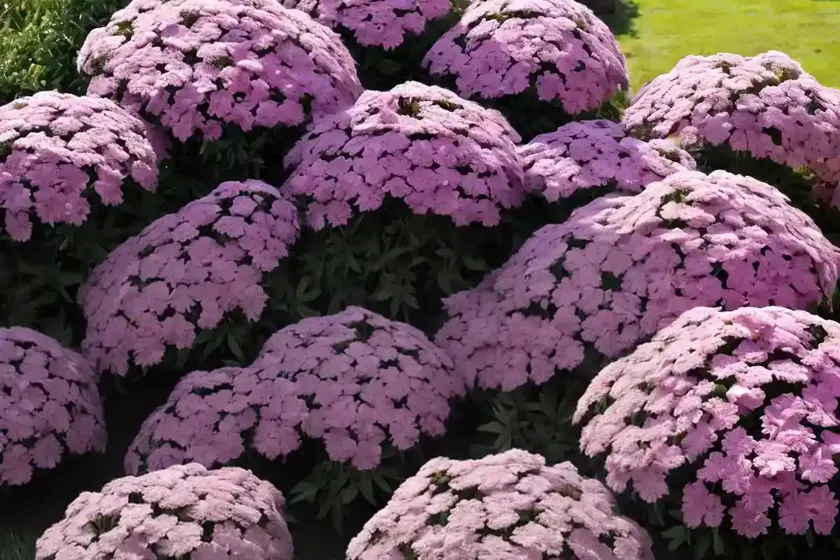
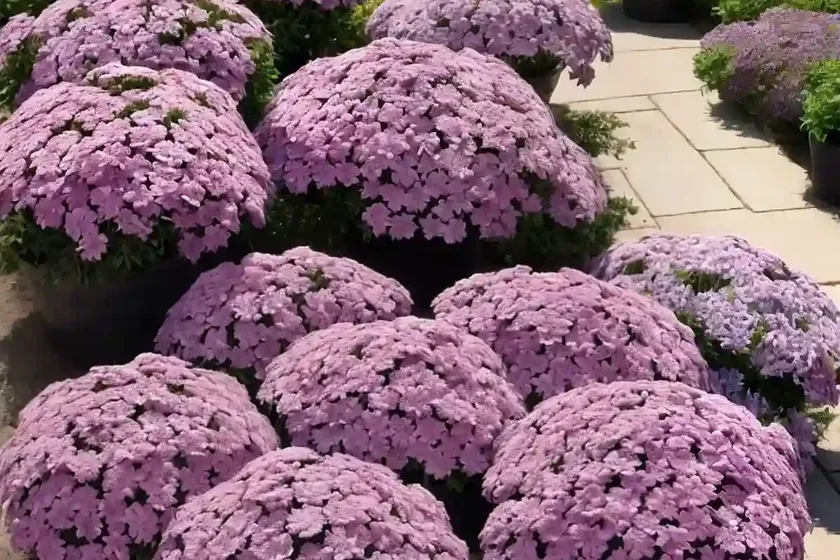
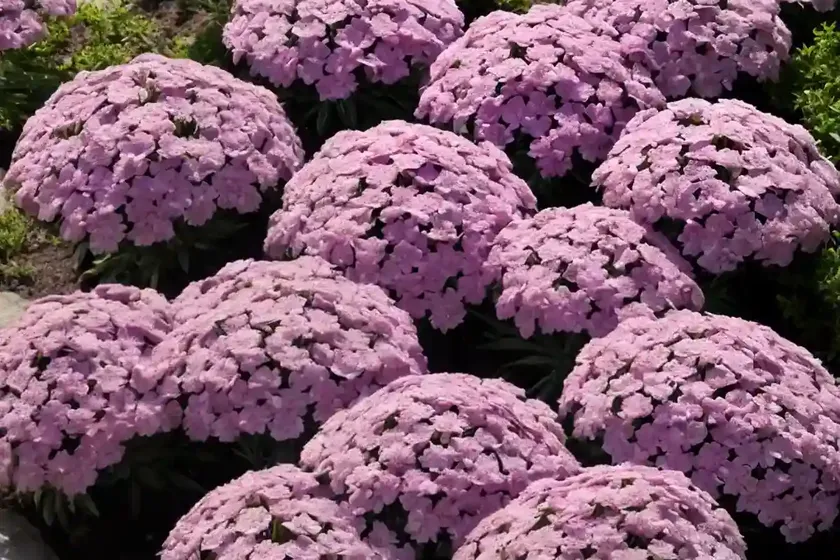
In the world of gardening and landscaping, Phlox subulata ‘Amazing Grace,’ commonly known as Creeping Phlox, is a popular and versatile plant that finds its place in a variety of settings. As a plant scientist, I am delighted to provide a comprehensive guide to this beautiful and resilient plant, covering its characteristics, cultivation, uses, and maintenance.
What is Phlox subulata ‘Amazing Grace’?
Phlox subulata ‘Amazing Grace,’ a member of the Polemoniaceae family, is a low-growing, carpeting perennial plant known for its vibrant and prolific blooms. It is often sought after for its ability to form a dense ground cover that adds splashes of color to gardens, rockeries, and border spaces. Native to North America, this species thrives in various climates and soil conditions, making it a favored choice for both professional landscapers and home gardeners.
Key Takeaways – Phlox subulata ‘Amazing Grace’
Before delving into the specific aspects of caring for Creeping Phlox, let’s summarize some key takeaways about this plant.
- Common Name: Creeping Phlox
- Scientific Name: Phlox subulata ‘Amazing Grace’
- Family: Polemoniaceae
- Type: Perennial
- Height: 4-6 inches
- Spread: 12-18 inches
- Bloom Time: Spring to early summer
- Flower Color: Various shades of pink, purple, white, and red
- Exposure: Full sun to partial shade
- Watering: Moderate
- Soil Type: Well-draining soil
- Hardiness Zones: 2-9
Now that we have a brief overview, let’s dive deeper into the various aspects of caring for and utilizing Phlox subulata ‘Amazing Grace’ in different settings.
Culture
Uses
The versatile nature of Phlox subulata ‘Amazing Grace’ makes it suitable for a wide range of landscaping and gardening purposes. Its common uses include:
- Ground Cover: The low-growing and spreading habit of Creeping Phlox makes it an excellent choice for creating ground covers in various landscapes.
- Rock Gardens: Its tolerance to rocky and well-draining soil makes Creeping Phlox an ideal candidate for rock gardens, where it can drape over stones and crevices, adding vibrant color and texture to the setting.
- Border Planting: The natural tendency of Phlox subulata ‘Amazing Grace’ to form dense mats of foliage and flowers makes it suitable for border plantings, defining the edges of garden beds and pathways with its lush growth.
- Erosion Control: Due to its mat-forming growth habit and extensive root system, Creeping Phlox is often utilized for erosion control on slopes and embankments.
Water
Proper watering is crucial for the health and vitality of Phlox subulata ‘Amazing Grace.’ While it is essential to keep the soil consistently moist, it is equally important to ensure that the plant does not sit in waterlogged conditions, which can lead to root rot. Here are some key points to consider regarding watering:
- Regular Moisture: Provide regular watering, especially during dry spells, to keep the soil evenly moist but not waterlogged.
- Deep Watering: When irrigating, aim for deep watering that reaches the root zone, promoting healthy root development.
- Mulching: Applying a layer of organic mulch around the base of the plant can help retain soil moisture and reduce the frequency of watering.
Sunlight
The sunlight requirements of Phlox subulata ‘Amazing Grace’ are crucial for its overall growth and flowering performance. Understanding its preferences for sun exposure can help in optimal placement within a landscape. Here’s what you need to know about sunlight requirements:
- Full Sun: Creeping Phlox thrives in full sun, where it can receive at least 6-8 hours of direct sunlight per day. In such conditions, it tends to produce an abundance of vibrant flowers and maintain a compact growth habit.
- Partial Shade: While Creeping Phlox prefers full sun, it can tolerate partial shade, especially in hotter climates where some protection from intense afternoon sun can be beneficial.
Fertilizer
Proper fertilization plays a significant role in promoting the growth and blooming of Phlox subulata ‘Amazing Grace.’ The application of suitable fertilizers can provide the necessary nutrients to support the plant’s overall health. Here’s a guide to fertilizing Creeping Phlox:
- Balanced Fertilizer: Use a balanced, all-purpose fertilizer with an N-P-K ratio of 10-10-10 or similar formulation. Apply the fertilizer in early spring before the onset of new growth.
- Application Technique: Spread the fertilizer evenly around the base of the plant and water thoroughly to ensure that the nutrients penetrate the soil and reach the root system.
Soil
Understanding the soil requirements of Phlox subulata ‘Amazing Grace’ is essential for providing an optimal growing environment. The characteristics of the soil, including its pH and moisture-retention capacity, can influence the plant’s overall performance. Here’s what you need to know about the soil preferences for Creeping Phlox:
- Well-Draining Soil: Creeping Phlox thrives in well-draining soil that prevents waterlogging and root rot. Amending heavy or compacted soils with organic matter, such as compost, can improve drainage.
- pH Range: The ideal soil pH for Creeping Phlox is slightly acidic to neutral, ranging between 6.0 to 7.0. Conducting a soil test can help in determining the pH and making necessary adjustments.
Pruning
Proper pruning practices are essential for maintaining the health, shape, and flowering vigor of Phlox subulata ‘Amazing Grace.’ Regular pruning can also help in controlling the plant’s spread and preventing it from encroaching into undesired areas. Here are some key points to consider regarding pruning Creeping Phlox:
- Deadheading: Remove faded or spent flowers promptly to encourage continuous blooming and prevent the plant from expending energy on seed production.
- Shearing: After the main bloom period, a light shearing of the foliage can promote a flush of new growth and enhance the appearance of the plant.
- Thinning: Periodically thin out any overcrowded or woody stems to improve air circulation and maintain a healthy, vigorous growth habit.
Propagation
Propagating Phlox subulata ‘Amazing Grace’ allows for the expansion of its presence in a garden or landscape. Understanding the various methods of propagation can enable gardeners to multiply their Creeping Phlox plants. Here are the primary methods of propagating this species:
- Division: Divide mature clumps of Creeping Phlox to create new plants. This can be done in early spring or after the flowering period by carefully separating the root ball into smaller sections, each containing healthy roots and shoots.
- Softwood Cuttings: Propagate Creeping Phlox from softwood cuttings taken from the tips of healthy, non-flowering stems. Rooting hormone can be applied to the cut ends before placing the cuttings in a well-draining rooting medium.
Container Popularity
The low-growing and spreading nature of Phlox subulata ‘Amazing Grace’ makes it a popular choice for container gardening. When planted in containers, it can be showcased on patios, balconies, or other outdoor living spaces, adding a burst of color and texture. The trailing habit of Creeping Phlox can elegantly spill over the edges of containers, creating a cascading effect that enhances the visual appeal of the arrangement.
Container Gardening Tips for Creeping Phlox
- Container Selection: Choose a container with adequate drainage holes to ensure proper water drainage and prevent waterlogging.
- Potting Mix: Use a well-draining potting mix with added perlite or coarse sand to promote good aeration and prevent the soil from compacting.
- Watering: Be diligent in watering container-grown Creeping Phlox, ensuring that the soil remains consistently moist but not waterlogged. Check the moisture levels regularly, especially during hot and dry periods.
- Sunlight: Place the containers in a location that receives ample sunlight, as Creeping Phlox thrives in full sun to partial shade.
Common Diseases and Disease Diagnosis
Understanding the potential diseases that can affect Phlox subulata ‘Amazing Grace’ is crucial for maintaining its health and addressing any issues promptly. While Creeping Phlox is generally resilient, certain diseases and environmental factors can impact its well-being.
Common Diseases
- Powdery Mildew: A fungal disease that manifests as powdery, white spots on the foliage, leading to distortion and eventual yellowing of the leaves.
- Botrytis Blight: This disease is characterized by brown or gray mold on the flowers, stems, or foliage, often affecting the plant in humid conditions.
- Root Rot: Excessive moisture and poor drainage can lead to root rot, causing the plant to exhibit wilting, yellowing, and overall decline.
Disease Diagnosis
When inspecting Phlox subulata ‘Amazing Grace’ for signs of disease, it is essential to carefully observe the plant and its surroundings. Here are some diagnostic steps to consider:
- Leaf Examination: Check the foliage for any unusual discoloration, spotting, or powdery residue, which may indicate the presence of fungal diseases.
- Flower Inspection: Inspect the flowers for any signs of mold, browning, or wilting, as these may point to specific diseases such as botrytis blight.
- Root Assessment: If the plant shows signs of decline, carefully examine the roots for any soft, darkened, or rotting sections, which could indicate root rot.
Common Pests
While Phlox subulata ‘Amazing Grace’ is relatively resistant to pest infestations, certain insects and pests can occasionally pose a threat to its well-being. Being vigilant in monitoring for potential pests and implementing appropriate control measures can help in preserving the health and beauty of the plant.
Common Pests
- Spider Mites: These tiny pests can cause stippling and webbing on the foliage, leading to reduced plant vigor and aesthetic damage.
- Aphids: Aphids may infest the new growth of Creeping Phlox, sucking sap from the plant and potentially transmitting viral diseases.
- Slugs and Snails: These pests can feed on the foliage and flowers of Phlox subulata ‘Amazing Grace,’ leaving behind irregular holes and damage.
Botanist’s Tips
As a plant scientist with a passion for Creeping Phlox, I offer the following tips to enthusiasts and gardeners looking to cultivate and care for Phlox subulata ‘Amazing Grace’:
- Selecting Varieties: Explore the diverse range of Creeping Phlox varieties available, each offering unique flower colors and growth habits. Consider incorporating multiple varieties for a captivating display of hues and textures.
- Planting Spacing: When establishing Creeping Phlox as a ground cover or border planting, be mindful of the recommended spacing to allow for adequate airflow and prevent overcrowding.
- Mulching Benefits: Apply a layer of organic mulch around Creeping Phlox plants to retain soil moisture, regulate temperature, and suppress weed growth.
- Companion Planting: Pair Phlox subulata ‘Amazing Grace’ with compatible companion plants that share similar cultural requirements and complement its growth habits.
Fun Facts
As we celebrate the beauty and resilience of Phlox subulata ‘Amazing Grace,’ here are some intriguing fun facts about this remarkable plant:
- Native Habitat: Creeping Phlox is native to eastern and central parts of North America, where it thrives in rocky, well-draining habitats such as woodlands and slopes.
- Wildlife Attraction: The vibrant flowers of Creeping Phlox attract pollinators such as butterflies and bees, adding a lively and beneficial presence to the garden.
- Cold Hardiness: Despite its delicate appearance, Phlox subulata ‘Amazing Grace’ exhibits impressive cold hardiness, thriving in USDA hardiness zones 2 through 9.
Links to External Resources
For further exploration and in-depth information on Phlox subulata ‘Amazing Grace,’ I recommend referencing the following external resources:
- University of Florida IFAS Extension: Phlox subulata ‘Amazing Grace’
- Missouri Botanical Garden: Phlox subulata ‘Amazing Grace’
- Royal Horticultural Society: Creeping Phlox
In conclusion, Phlox subulata ‘Amazing Grace,’ also known as Creeping Phlox, embodies an exquisite blend of beauty, resilience, and versatility, making it a favored choice for a variety of gardening and landscaping applications. By understanding its culture, maintenance, and uses, gardeners and enthusiasts can fully appreciate the charm and potential of this remarkable plant.
I hope this comprehensive guide serves as a valuable resource for those seeking to embrace the allure of Phlox subulata ‘Amazing Grace’ in their outdoor spaces. Happy gardening!


