Phlox Stolonifera (Creeping Phlox)
Phlox stolonifera, commonly known as Creeping Phlox, is a beautiful and versatile plant that is popular in gardens and landscapes. This perennial plant is.
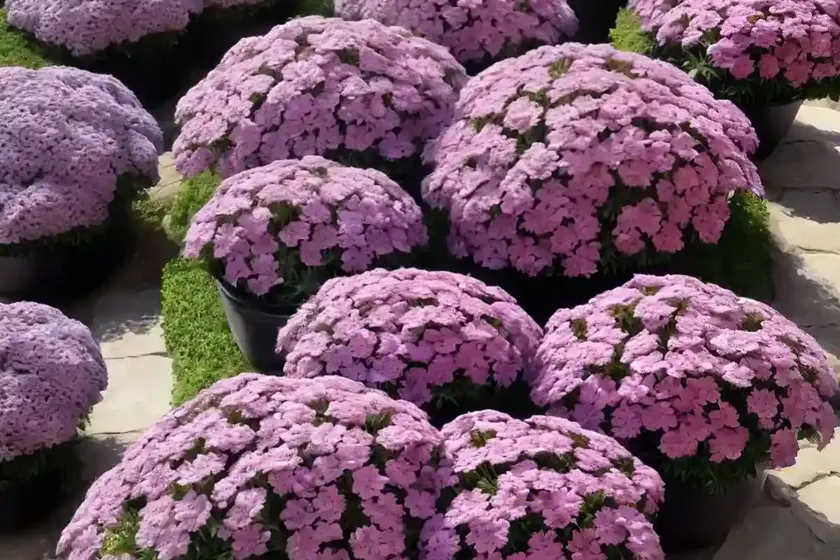
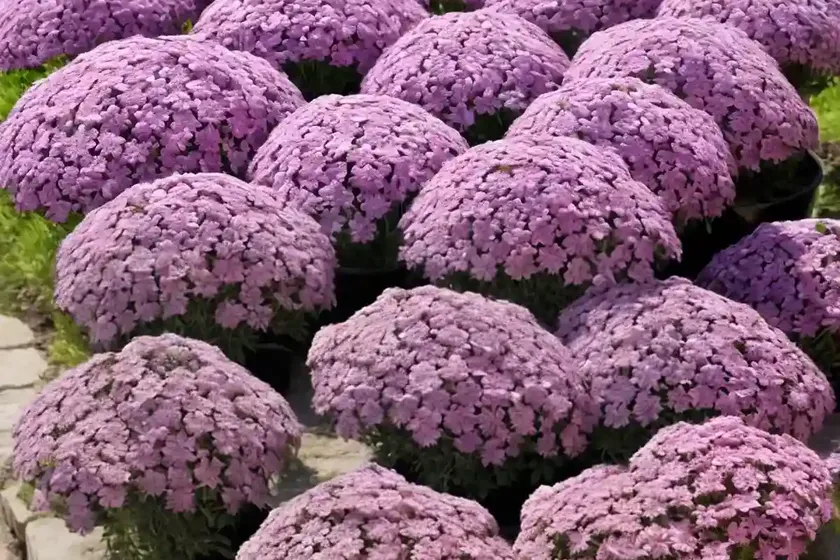
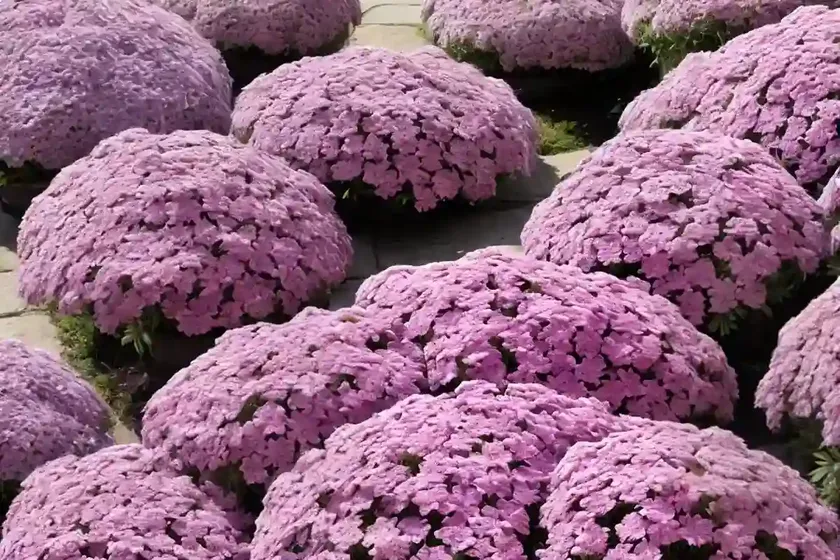
Phlox stolonifera, commonly known as Creeping Phlox, is a beautiful and versatile plant that is popular in gardens and landscapes. This perennial plant is loved for its low-growing, spreading habit, and its ability to create a stunning carpet of colors. In this comprehensive guide, we will explore the various aspects of growing and caring for Phlox stolonifera, including its culture, uses, water and sunlight requirements, fertilizer needs, soil preferences, pruning techniques, propagation methods, and common diseases and pests. Whether you are a seasoned gardener or a beginner, this guide will equip you with the knowledge and tips to successfully cultivate and maintain this stunning plant in your own garden.
What is Phlox stolonifera (Creeping Phlox)?
Phlox stolonifera is a species of flowering plant in the Polemoniaceae family, native to the eastern United States and parts of Canada. It is a low-growing, spreading perennial that forms dense mats or clumps of foliage. The plant produces clusters of small, fragrant flowers that bloom in a range of colors, including shades of pink, purple, blue, and white. With its creeping habit, Phlox stolonifera is often used as a ground cover or as an edging plant in gardens and landscapes. It is valued for its ability to fill in empty spaces, suppress weeds, and add vibrant color to various outdoor settings.
Key Takeaways: Phlox stolonifera (Creeping Phlox)
Before delving into the specific aspects of growing and caring for Phlox stolonifera, let’s summarize the key takeaways about this versatile plant.
- Common Name: Creeping Phlox
- Botanical Name: Phlox stolonifera
- Plant Type: Perennial
- Growth Habit: Low-growing, spreading
- Flower Colors: Pink, purple, blue, white, and variations thereof
- Uses: Ground cover, edging plant, container gardening
- Native Habitat: Eastern United States and Canada
Now that we have an overview of the plant, let’s explore in detail how to cultivate and care for Phlox stolonifera in different environments.
Culture of Phlox stolonifera
Cultivating Phlox stolonifera successfully begins with understanding its cultural requirements. From soil preferences to watering needs, providing the right environment for this plant is crucial for its health and vigor.
Uses
Phlox stolonifera is a highly versatile plant with a variety of uses in gardens and landscapes. Its low-growing, spreading habit makes it particularly well-suited for the following applications:
- Ground Cover: The plant is often used to create a dense carpet of foliage and flowers, making it an excellent ground cover in various outdoor settings.
- Edging Plant: Due to its spreading nature and colorful blooms, Phlox stolonifera is commonly used as an edging plant along garden borders and walkways.
- Container Gardening: Its trailing growth habit also makes it a great choice for cascading out of containers, hanging baskets, and window boxes.
Water
Ensuring adequate water is essential for the healthy growth and flowering of Phlox stolonifera. While it is relatively tolerant of dry conditions once established, regular watering is crucial, especially during the plant’s initial growth stages and periods of drought.
- Watering Frequency: Water the plant deeply once or twice a week, especially during dry spells, ensuring that the soil remains consistently moist but not waterlogged.
- Deep Root Watering: When watering, aim to deliver water directly to the plant’s root zone to encourage deep and robust root growth.
Sunlight
Proper sunlight exposure is crucial for the blooming and overall health of Phlox stolonifera. Understanding its sunlight requirements will help you choose the optimal planting location for the plant in your garden.
- Sunlight Needs: Phlox stolonifera thrives in partially shaded to full sun conditions. In hotter regions, providing afternoon shade can help protect the plant from excessive heat and sun exposure.
Fertilizer
Feeding your Phlox stolonifera with the right nutrients can promote vigorous growth, abundant flowering, and overall plant health. Choosing the appropriate fertilizer and understanding the best application practices are key to supporting the plant’s nutritional needs.
- Fertilizing Schedule: Apply a balanced, slow-release fertilizer in early spring before new growth emerges. Avoid high-nitrogen fertilizers, as they can promote excessive leafy growth at the expense of flowers.
- Application Method: Gently work the fertilizer into the soil around the base of the plant, taking care not to damage the plant’s shallow roots.
Soil
Understanding the soil preferences of Phlox stolonifera is essential for creating an optimal growing environment. Providing the right soil type and quality can greatly impact the plant’s performance and longevity.
- Soil Type: Phlox stolonifera prefers well-draining, moderately fertile soil with a slightly acidic to neutral pH.
- Soil Amendment: Incorporating organic matter, such as compost or well-aged manure, into the planting area can improve soil structure and fertility for the plant.
Pruning
Pruning is an important maintenance practice for ensuring the vitality and visual appeal of Phlox stolonifera. Proper pruning techniques can help control the plant’s size, promote branching, remove spent flowers, and rejuvenate older plants.
- Deadheading: Regularly remove faded or spent flowers to encourage continuous blooming and prevent self-seeding.
- Renovation Pruning: In late spring or early summer, consider lightly shearing the plant to remove any leggy or overcrowded growth and encourage a compact, bushy form.
Propagation
Expanding your collection of Phlox stolonifera or sharing the plant with others often involves propagation. Understanding the various methods of propagating the plant can enable you to create new plants from existing ones.
- Division: Divide established clumps of Phlox stolonifera in early spring or early fall to create new plants. Carefully separate the clumps into smaller sections, ensuring that each division has sufficient roots and shoots.
- Cuttings: Propagate the plant from softwood cuttings in late spring or early summer. Take 4- to 6-inch cuttings from healthy, non-flowering stems and root them in a well-draining potting medium.
Container Popularity
Phlox stolonifera’s adaptability and stunning visual appeal make it a popular choice for container gardening. Its trailing habit and vibrant flowers can enhance the beauty of outdoor containers and hanging baskets, creating eye-catching displays on patios, balconies, and other outdoor living spaces.
- Container Selection: Choose containers with adequate drainage holes and a size that accommodates the plant’s growth habits.
- Potting Mix: Use a well-draining potting mix with added organic matter to provide the plant with the necessary nutrients and support healthy root development.
- Maintenance: Regularly check the moisture levels in the container and water as needed. Additionally, monitor for signs of overcrowding, and repot the plant into a larger container when necessary.
Common Diseases
While Phlox stolonifera is generally resistant to many common plant diseases, it can occasionally be affected by certain issues. Understanding the symptoms and management strategies for these diseases can help protect the health and vigor of the plant.
Disease Diagnosis
- Powdery Mildew: Look for a white, powdery coating on the plant’s leaves, which can hinder photosynthesis and weaken the plant over time. Provide adequate air circulation, avoid overhead watering, and use fungicidal sprays if necessary to control mildew.
- Root Rot: Monitor the plant for signs of wilting, yellowing, or browning foliage, which may indicate root rot. Ensure proper soil drainage and avoid overwatering to prevent root rot issues.
Common Pests
Though generally resistant to many pests, there are a few that may occasionally trouble Phlox stolonifera. Identifying these pests and employing appropriate control measures can help safeguard the plant’s health and appearance.
- Aphids: Keep an eye out for clusters of small, soft-bodied insects on the plant’s tender shoots and flower buds. Use insecticidal soap or neem oil to manage aphid infestations while minimizing harm to beneficial insects.
- Spider Mites: Look for fine webbing and stippled, discolored foliage, which are indicative of spider mite damage. Encourage natural predators, such as ladybugs, and apply horticultural oils to control spider mite populations.
Botanist’s Tips
To successfully grow and care for Phlox stolonifera, consider the following tips from experienced botanists and horticulturists:
- Site Selection: Choose a planting location with well-draining soil and partial to dappled sunlight, especially in warmer climates.
- Mulching: Apply a layer of organic mulch around the base of the plant to conserve soil moisture, suppress weeds, and insulate the roots.
- Companion Planting: Pair Phlox stolonifera with other shade-loving perennials, such as hostas, ferns, and astilbes, to create visually appealing and harmonious garden landscapes.
Fun Facts
As you embark on your journey of growing and caring for Phlox stolonifera, consider these interesting and fun facts about this captivating plant:
- The genus name “Phlox” is derived from the Greek word for “flame,” which aptly describes the vibrant colors of the plant’s flowers.
- Phlox stolonifera is a valuable nectar source for pollinators, including butterflies, bees, and hummingbirds, making it an excellent addition to pollinator gardens.
- In addition to its ornamental value, Phlox stolonifera has been traditionally used for its medicinal properties by Native American tribes, who brewed the leaves into a tea to treat various ailments.
Links to External Resources
To further expand your knowledge and support your journey of growing and caring for Phlox stolonifera, consider exploring the following external resources:
- The Royal Horticultural Society (RHS) – Growing Phlox
- University of Florida IFAS Extension – Creeping Phlox
- Missouri Botanical Garden – Phlox stolonifera
- North Carolina State University Extension – Phlox stolonifera and Care
- University of Massachusetts Amherst Greenhouse Crops & Floriculture Program – Phlox stolonifera Culture and Uses
In conclusion, Phlox stolonifera, or Creeping Phlox, is a delightful and versatile plant with much to offer in gardens and landscapes. By understanding its cultural requirements, uses, and maintenance, you can cultivate healthy and vibrant specimens that will bring beauty and joy to your outdoor spaces. Whether used as a ground cover, edging plant, or container feature, Phlox stolonifera has earned its place as a beloved and cherished perennial in the world of horticulture.


