Plant Scientist’s Guide to Phlox paniculata ‘Younique Mauve’ (Garden Phlox)
Introduction
Phlox paniculata ‘Younique Mauve’ commonly known as Garden Phlox is a perennial herbaceous plant that belongs to the Polemoniaceae family. This popular and attractive flowering plant is widely utilized in gardens and landscapes due to its colorful and showy characteristics. In this comprehensive guide, we will explore the various aspects of this plant, including its characteristics, cultivation, care tips, maintenance, common diseases, pests, and much more. Whether you are a novice gardener or an experienced horticulturist, this guide will provide valuable insights into the world of Phlox paniculata ‘Younique Mauve’.
What is Phlox paniculata ‘Younique Mauve’?
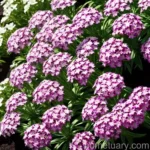
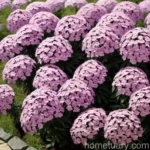
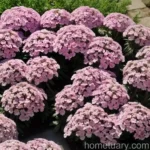
Phlox paniculata ‘Younique Mauve’ is a charming variety of the Garden Phlox species that is renowned for its profuse, compact clusters of fragrant, mauve-pink flowers. This cultivar exhibits a bushy and compact growth habit, making it an excellent choice for borders, perennial gardens, and containers. The lush green foliage serves as an attractive backdrop to the stunning floral display, making it a sought-after ornamental plant in horticulture.
Key Takeaways – Phlox paniculata ‘Younique Mauve’
Before delving further into the intricacies of growing and caring for Phlox paniculata ‘Younique Mauve’, let’s summarize the key takeaways of this cultivar:
- Common Name: Garden Phlox ‘Younique Mauve’
- Color: Mauve-pink flowers
- Uses: Borders, perennial gardens, container gardening
- Preferred Conditions: Well-drained soil, ample sunlight, moderate watering
- Maintenance: Pruning after flowering, deadheading, division every few years
- Characteristics: Compact growth habit, fragrant blooms, attracts pollinators
Now that we have an overview of this beautiful plant, let’s delve into the specifics of its culture, uses, and maintenance techniques.
Culture
Understanding the cultural requirements of Phlox paniculata ‘Younique Mauve’ is vital for successful growth and abundant flowering. This encompasses factors such as water, sunlight, fertilizer, soil, pruning, and propagation.
Water
Proper watering is crucial for the health and vigor of Garden Phlox ‘Younique Mauve’. While it is essential to provide sufficient moisture, especially during the growing season, overwatering should be avoided to prevent root rot and fungal diseases.
- Watering Needs: Regular, moderate watering
- Frequency: Water when the top inch of soil feels dry
- Avoid: Waterlogged conditions, standing water
Sunlight
Phlox paniculata ‘Younique Mauve’ thrives in bright sunlight and is known for producing the best floral displays when provided with ample sunshine.
- Sunlight Preferences: Full sun to partial shade
- Ideal: 6-8 hours of direct sunlight per day
- Considerations: Protection from intense midday sun in hotter regions
Fertilizer
Appropriate fertilization ensures that the plant receives essential nutrients for healthy growth and flowering. A balanced fertilizer can be applied during the growing season to promote robust blooms and lush foliage.
- Fertilization Schedule: Apply a balanced fertilizer in early spring and again after the first bloom cycle
- Type: Use a general-purpose, slow-release fertilizer
- Avoid: Excessive Nitrogen, which can lead to more foliage and fewer blooms
Soil
The soil quality and composition play a pivotal role in the overall well-being of Phlox paniculata ‘Younique Mauve’. Well-drained, fertile soil supports healthy root development and minimizes the risk of waterlogged conditions.
- Soil Type: Rich, moist, well-draining soil
- pH: Slightly acidic to neutral (pH 6.5-7.0)
- Amendments: Incorporate organic matter for improved soil structure
Pruning
Proper pruning helps maintain the plant’s shape, encourages new growth, and prolongs the flowering period. Regular deadheading and occasional rejuvenation pruning are beneficial practices for Garden Phlox ‘Younique Mauve’.
- Deadheading: Remove spent flowers to encourage continuous blooming
- Rejuvenation: Cut back the stems by one-third after the first bloom to promote a second flush of flowers
- Maintenance Pruning: Trim straggly or damaged growth to maintain a tidy appearance
Propagation
The propagation of Phlox paniculata ‘Younique Mauve’ allows for the expansion of your plant collection or sharing with fellow gardening enthusiasts.
- Methods: Division, stem cuttings
- Division: Divide mature clumps every 3-4 years to maintain vigor
- Cuttings: Root stem cuttings in a well-draining medium to propagate new plants
Container Popularity
Phlox paniculata ‘Younique Mauve’ is well-suited for container gardening, adding elegance and charm to outdoor living spaces, patios, and balconies. The compact growth habit and prolific blooms make it an ideal choice for container cultivation.
- Container Size: Select a spacious container for ample root development
- Soil: Use a well-draining potting mix
- Drainage: Ensure adequate drainage holes at the base of the container
- Placement: Position the container in a sunny location for optimal flowering
Common Diseases
As with many plants, Garden Phlox ‘Younique Mauve’ is susceptible to certain diseases, particularly those caused by fungal pathogens. Recognizing the symptoms and adopting preventive measures are essential for disease management.
Disease Diagnosis
Common fungal diseases that may affect Phlox paniculata ‘Younique Mauve’ include powdery mildew, leaf spot, and stem rot. Identifying the early signs of these diseases can aid in proactive intervention.
- Powdery Mildew: White powdery patches on foliage
- Leaf Spot: Circular brown spots on leaves
- Stem Rot: Wilting, discoloration, and decay of stems
Common Pests
In addition to diseases, certain pests may pose a threat to the well-being of Garden Phlox ‘Younique Mauve’. Vigilance and prompt action are essential for pest control.
Botanist’s Tips
- Powdery Mildew Prevention: Improve air circulation, avoid overhead watering, and apply fungicidal sprays preventatively
- Pest Control:Monitor for aphids, spider mites, and caterpillars and intervene with targeted treatments if infestations occur
Fun Facts
- The floral clusters of Phlox paniculata ‘Younique Mauve’ are highly attractive to butterflies, making it a valuable addition to butterfly gardens.
- The species name “paniculata” refers to the arrangement of flowers in panicles, reflecting the characteristic floral structure of this plant.
Now that we have covered the cultural aspects, diseases, pests, and some interesting facts about Phlox paniculata ‘Younique Mauve’, let’s move on to further insights and resources.
Links to External Resources
For additional information on the cultivation and care of Phlox paniculata ‘Younique Mauve’, the following external resources may prove to be valuable references:
- The Royal Horticultural Society – Growing Phlox
- University of Vermont Extension – Phlox paniculata fact sheet
- The American Phytopathological Society – Common Diseases of Phlox
- National Gardening Association – Understanding Fungal Diseases
Conclusion
Phlox paniculata ‘Younique Mauve’ stands as a delightful addition to any garden or landscape, offering a captivating floral display, resilience, and low-maintenance requirements. With an understanding of its preferred conditions, proper care techniques, and methods to address diseases and pests, you can cultivate and enjoy the beauty of Garden Phlox ‘Younique Mauve’ in your outdoor spaces.
Whether you are planning to integrate it into perennial borders, container gardens, or mixed plantings, the versatility and visual appeal of this phlox cultivar make it a popular choice among gardening enthusiasts. By adhering to best practices and staying attuned to the plant’s needs, you can foster thriving Phlox paniculata ‘Younique Mauve’ specimens, enhancing the aesthetics and biodiversity of your garden.
Remember, each plant is unique, and attentive observation combined with proactive care measures will ensure the continued splendor of Garden Phlox ‘Younique Mauve’ in your green spaces.