Phlox Paniculata Cotton Candy (Garden Phlox)
Phlox paniculata, commonly known as Garden Phlox or Cotton Candy, is a beautiful perennial plant cherished by gardeners for its stunning flowers and.
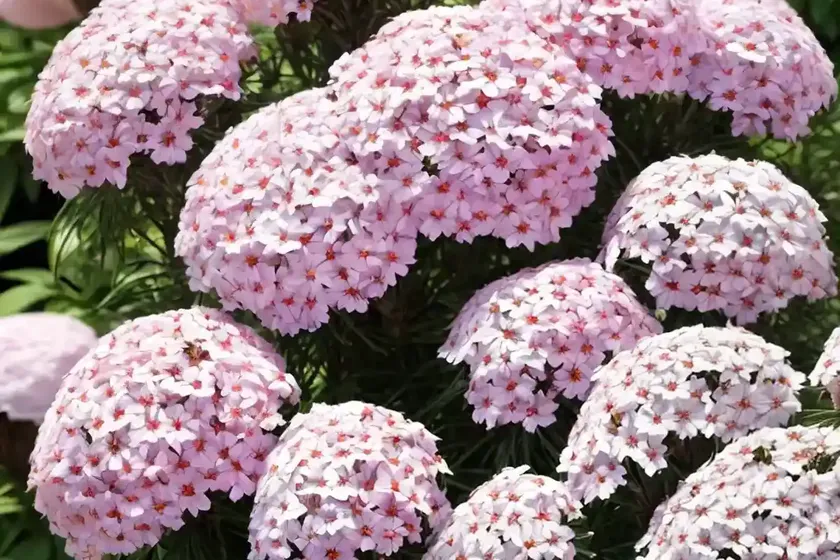
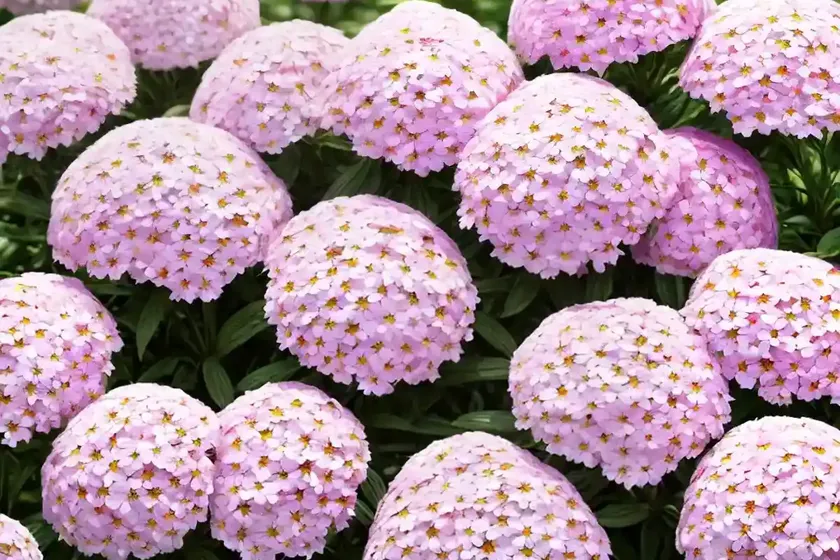
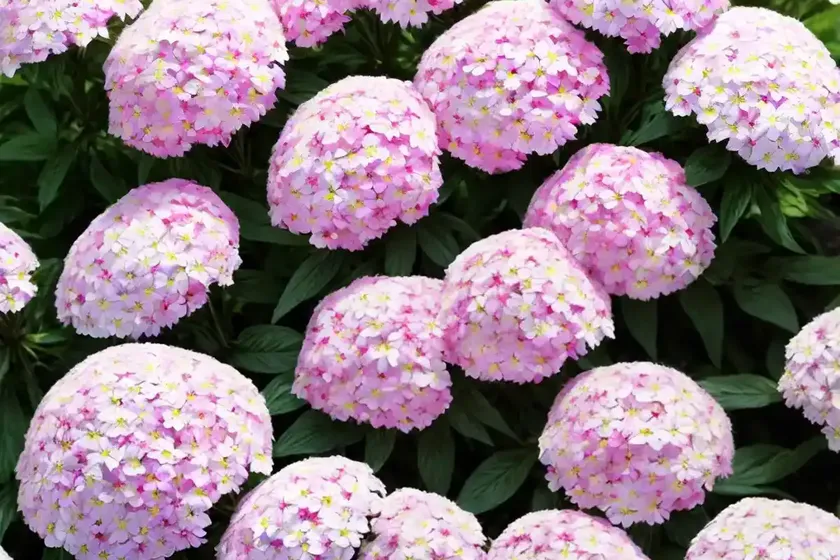
Phlox paniculata, commonly known as Garden Phlox or Cotton Candy, is a beautiful perennial plant cherished by gardeners for its stunning flowers and delightful fragrance. In this comprehensive guide, we will delve into the key aspects of this plant, including its culture, uses, care requirements, common diseases and pests, as well as various tips for propagation and container gardening. Whether you are a gardening enthusiast or a professional botanist, this guide will provide valuable insights into the world of Phlox paniculata Cotton Candy.
What is Phlox paniculata Cotton Candy (Garden Phlox)?
Phlox paniculata Cotton Candy is a popular cultivar of Phlox paniculata, a species native to parts of the United States and Canada. It belongs to the family Polemoniaceae and is renowned for its profusion of fragrant, colorful flowers that adorn gardens and landscapes during the summer months. The Cotton Candy variety is particularly sought after for its unique candy-pink flowers that add a touch of charm and elegance to any garden setting.
Key Takeaways – Phlox paniculata Cotton Candy (Garden Phlox)
- Scientific Name: Phlox paniculata ‘Cotton Candy’
- Common Names: Garden Phlox, Summer Phlox
- Plant Type: Perennial
- Hardiness Zone: 3-9
- Mature Size: 24-36 inches in height, 18-24 inches in spread
- Bloom Time: Mid to late summer
- Bloom Color: Candy-pink
- Fragrance: Sweet and pleasant
- Attracts: Butterflies, bees, and hummingbirds
Now, let’s delve into the various aspects of Phlox paniculata Cotton Candy, from its culture and uses to care requirements and common issues.
Culture
Uses
Phlox paniculata Cotton Candy serves multiple purposes in the garden and landscape:
- Ornamental: The stunning, fragrant flowers make it a popular choice for ornamental plantings.
- Attracting Pollinators: It is a valuable plant for attracting pollinators such as butterflies, bees, and hummingbirds to the garden.
- Cut Flowers: The long-lasting blooms are excellent for cutting and using in floral arrangements.
Care Requirements
Water
Proper watering is crucial for the health and vigor of Phlox paniculata Cotton Candy. Here are some guidelines for watering:
- Regular Watering: Keep the soil evenly moist, especially during the first growing season to establish a strong root system.
- Avoid Overhead Watering: Water at the base of the plant to prevent foliage diseases.
Sunlight
Phlox paniculata Cotton Candy thrives in sunny locations but can tolerate some shade. Here are the sunlight requirements:
- Full Sun: Ideally, it should receive at least 6-8 hours of direct sunlight daily for the best flowering performance.
- Partial Shade: It can tolerate light shade, especially in hotter regions.
Fertilizer
Proper fertilization ensures healthy growth and abundant flowering. Consider the following fertilization tips:
- Balanced Fertilizer: Use a balanced, all-purpose fertilizer in early spring before new growth appears.
- Additional Feedings: For optimal performance, apply a balanced fertilizer again after the first wave of flowering.
Soil
The soil conditions play a significant role in the growth and health of Phlox paniculata Cotton Candy. It prefers:
- Well-draining Soil: Ensure the soil is well-draining to prevent waterlogging, which can lead to root rot.
- Rich in Organic Matter: Enrich the soil with organic matter such as compost to improve its fertility and structure.
Pruning
Pruning is essential for maintaining the shape and vigor of Phlox paniculata Cotton Candy. Here are some pruning tips:
- Deadheading: Regularly remove spent flowers to encourage continuous blooming.
- Cutting Back: After the first wave of flowering, consider cutting back the stems to promote a second bloom cycle.
Propagation
Phlox paniculata Cotton Candy can be propagated through various methods, including division and seed propagation:
- Division: Divide mature clumps in early spring or early fall to create new plants.
- Seed Propagation: Sow seeds indoors in early spring, and transplant the seedlings outdoors after the last frost.
Container Popularity
Phlox paniculata Cotton Candy is well-suited for container gardening, adding a pop of color and fragrance to patios, balconies, and other outdoor spaces. When growing in containers:
- Use a high-quality potting mix that provides good drainage.
- Select a container that allows for sufficient root growth and has drainage holes.
- Water and fertilize regularly to support healthy growth and flowering.
Common Diseases
Phlox paniculata Cotton Candy is susceptible to certain diseases, including powdery mildew, leaf spot, and root rot. Maintaining good cultural practices and monitoring the plant for signs of disease can help prevent and manage these issues.
Disease Diagnosis
- Powdery Mildew: Identified by the powdery, white coating on the leaves, especially during humid conditions.
- Leaf Spot: Characterized by dark spots on the leaves, which may enlarge and cause leaf discoloration.
- Root Rot: Symptoms include wilting, yellowing foliage, and stunted growth, often caused by waterlogged soil.
Common Pests
Several pests can affect Phlox paniculata Cotton Candy, including spider mites, aphids, and caterpillars. Regular inspection and prompt pest control measures can help protect the plant from damage.
Botanist’s Tips
- Companion Plants: Pair Phlox paniculata Cotton Candy with other pollinator-friendly plants such as Echinacea, Salvia, and Liatris for a vibrant and wildlife-attracting garden.
- Hybridization: Explore hybrid Phlox varieties to introduce diverse colors and characteristics into your garden.
- Soil Amendment: Incorporate organic matter such as compost and well-decomposed manure into the soil to improve its fertility and texture.
Fun Facts
- The name “Phlox” is derived from the Greek word for “flame,” a nod to the vibrant colors of the flowers.
- Phlox paniculata varieties are known for their pleasant fragrance, often described as sweet and slightly spicy.
- Several Phlox paniculata cultivars, including Cotton Candy, have been bred for improved disease resistance and extended flowering periods.
Links to External Resources
For further information on Phlox paniculata Cotton Candy and related topics, consider exploring the following resources:
- National Gardening Association – Phlox paniculata
- Royal Horticultural Society – Growing Phlox
- University of Missouri Extension – Phlox Diseases
In conclusion, Phlox paniculata Cotton Candy, with its alluring blossoms and ease of cultivation, stands as a delightful addition to any garden or landscape. Whether grown in mass plantings, mixed borders, or containers, this perennial beauty never fails to captivate with its charm and fragrance. By understanding its culture, care requirements, and potential issues, you can embark on a journey of cultivating and enjoying the splendor of Phlox paniculata Cotton Candy in your outdoor spaces.


