Phlox Paniculata Bubblegum Pink (Garden Phlox): A Comprehensive Guide
Phlox paniculata, commonly known as Garden Phlox, is a beautiful and vibrant perennial that is a favorite among gardeners for its stunning, fragrant blooms and ease of care. One popular variety of this plant is the Bubblegum Pink, which adds an enchanting burst of color to any garden or landscape. In this comprehensive guide, we will explore all aspects of Phlox paniculata Bubblegum Pink, including its culture, uses, care requirements, common diseases and pests, and much more.
What is Phlox paniculata Bubblegum Pink?
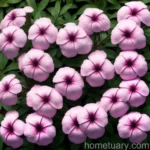
Phlox paniculata is a species of flowering plant in the family Polemoniaceae, native to various parts of the United States. The Bubblegum Pink variety is a cultivar known for its striking clusters of vibrant pink flowers that bloom profusely throughout the summer months. The plant typically grows in upright clumps and is adorned with dark green, lance-shaped leaves, providing an attractive backdrop to the stunning floral display.
Key Takeaways – Phlox paniculata Bubblegum Pink
Before delving into the specifics of caring for Phlox paniculata Bubblegum Pink, let’s highlight some key takeaways about this delightful plant:
- Scientific Name: Phlox paniculata Bubblegum Pink
- Common Name: Garden Phlox Bubblegum Pink
- Plant Type: Perennial
- Flower Color: Vibrant pink
- Foliage: Dark green, lance-shaped leaves
- Fragrance: Sweet, pleasant aroma
- Blooming Season: Summer
- Height: Typically grows to a height of 2-4 feet
- Uses: Suitable for border plantings, containers, cut flower arrangements, attracting pollinators
Now, let’s explore the aspects of culture, uses, and specific care requirements for this stunning plant.
Culture
Water
Phlox paniculata Bubblegum Pink thrives in moist, well-draining soil. It is essential to maintain consistent soil moisture to support healthy growth and prolific blooming. While the plant enjoys adequate moisture, it is crucial to avoid overwatering, as this can lead to root rot and other issues.
Sunlight
This variety of Garden Phlox flourishes in full sun to partial shade. It is recommended to provide it with at least 6 hours of direct sunlight daily to ensure robust growth and abundant flowering. In hotter regions, providing some afternoon shade can help prevent stress on the plant during the peak of summer.
Fertilizer
To support the vigorous growth and flowering of Phlox paniculata Bubblegum Pink, regular fertilization is beneficial. A balanced, slow-release fertilizer applied in early spring as new growth emerges can provide the plant with the essential nutrients it needs to thrive. Additionally, a light application of fertilizer after the initial bloom can encourage a secondary flush of flowers.
Soil
The ideal soil for Phlox paniculata Bubblegum Pink is well-draining, fertile, and rich in organic matter. A slightly acidic to neutral soil pH is preferred. Amending the soil with organic compost or well-rotted manure can aid in moisture retention and nutrient availability for the plant.
Uses
Garden Plantings
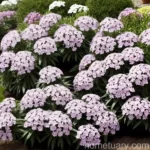
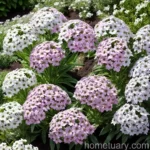
Phlox paniculata Bubblegum Pink is a popular choice for garden borders, beds, and mixed perennial plantings. Its tall, showy flower spikes add vertical interest and a burst of color to the landscape, making it a stunning focal point in any garden setting.
Cut Flowers
The enchanting blooms of Garden Phlox Bubblegum Pink make exquisite cut flowers, perfect for creating vibrant and aromatic floral arrangements. The long stems adorned with clusters of pink flowers are ideal for bringing the beauty of the garden indoors.
Attracting Pollinators
The fragrant flowers of Phlox paniculata Bubblegum Pink are a magnet for pollinators, including butterflies, bees, and hummingbirds. Planting this variety can help create a pollinator-friendly garden and contribute to the conservation of these vital species.
Pruning
Pruning plays a crucial role in maintaining the health and appearance of Phlox paniculata Bubblegum Pink. Deadheading, or the removal of spent flowers, encourages continuous blooming and prevents the plant from expending energy on seed production. Additionally, cutting back the stems after the initial bloom can promote a bushier, more compact growth habit and contribute to a second wave of blooms.
Propagation
Division
One of the most common methods of propagating Phlox paniculata Bubblegum Pink is through division. This process involves digging up mature clumps of the plant and carefully separating them into smaller sections, each with a portion of the root system. Dividing the plant every few years can rejuvenate its vigor and is typically best done in early spring or fall.
Stem Cuttings
Propagation through stem cuttings is another viable method for increasing the number of Bubblegum Pink Phlox plants. Selecting healthy, non-flowering stems and rooting them in a suitable growing medium can yield new plants that are genetically identical to the parent plant.
Container Popularity
Phlox paniculata Bubblegum Pink is well-suited for container gardening, allowing enthusiasts to enjoy its captivating blooms even in limited garden spaces. When grown in containers, it is crucial to select a large enough pot to accommodate the plant’s root system and provide adequate support. Container-grown plants may require more frequent watering than those grown in the ground, due to the relatively limited soil volume and increased exposure to environmental stressors.
Common Diseases and Disease Diagnosis
Phlox paniculata Bubblegum Pink, like many ornamental plants, is susceptible to certain diseases. Recognizing the symptoms and addressing any issues promptly is essential to maintain the plant’s health and vitality.
Powdery Mildew
Powdery mildew is a common fungal disease that can affect Phlox paniculata Bubblegum Pink, especially in humid and crowded growing conditions. The disease presents as a powdery, white coating on the leaves and stems, ultimately leading to leaf distortion and reduced vigor. To manage powdery mildew, promoting good air circulation around the plant, avoiding overhead watering, and applying fungicidal sprays when necessary can be effective.
Root Rot
Excessive moisture and poorly-drained soil can contribute to the development of root rot in Phlox paniculata Bubblegum Pink. Affected plants may exhibit wilting, yellowing of the leaves, and stunted growth. Preventing overwatering and ensuring proper soil drainage are crucial in mitigating the risk of root rot.
Common Pests
Spider Mites
Spider mites are a potential pest concern for Phlox paniculata Bubblegum Pink, particularly in hot and dry conditions. These tiny arachnids can cause stippling and discoloration of the leaves, impacting the plant’s overall health. Regularly inspecting the plant for early signs of infestation and using insecticidal soaps or horticultural oils can help manage spider mite populations.
Aphids
Aphids are another common pest that may target Garden Phlox, feeding on the sap of the plant and potentially transmitting viral diseases. Controlling aphids can be achieved through natural predators, such as ladybugs, or through the application of insecticidal sprays.
Botanist’s Tips
To help ensure the success of cultivating Phlox paniculata Bubblegum Pink, consider the following expert tips:
- Healthy Planting: Start with healthy, disease-free specimens to establish a thriving garden display.
- Mulching: Applying a layer of organic mulch around the base of the plant can help conserve soil moisture and inhibit weed growth.
- Support: Given the plant’s height and tendency to produce abundant flowers, providing discreet support, such as stakes or hoops, can help prevent stems from flopping and maintain an upright appearance.
Fun Facts
- The genus name “Phlox” is derived from the Greek word for “flame,” alluding to the fiery colors of some species within the genus.
- Phlox paniculata Bubblegum Pink emits a delightful, sweet fragrance that can perfume the air, especially in the evening, attracting nocturnal pollinators.
Links to External Resources
For further information on Phlox paniculata Bubblegum Pink and related topics, explore the following external resources:
-
The American Phlox Society – An organization dedicated to the appreciation and cultivation of Phlox species.
-
University of Missouri Extension: Growing Phlox – A comprehensive guide to growing and caring for Phlox in home gardens.
-
Royal Horticultural Society: Phlox – A resource on the various species and cultivars of Phlox, including maintenance and growing tips.
In conclusion, Phlox paniculata Bubblegum Pink is a captivating and versatile plant that can enrich any garden with its vibrant blooms and delightful fragrance. By understanding its culture, care requirements, and potential challenges, gardeners can cultivate and enjoy this stunning perennial to its fullest potential.
It’s important to be aware of its susceptibility to certain diseases and pests, as diligent monitoring and proactive management are key to maintaining the plant’s health and vigor. With proper care and attention, Phlox paniculata Bubblegum Pink can be a delightful addition to various garden settings, from cottage gardens to pollinator-friendly landscapes. Whether grown in the ground or in containers, this enchanting variety of Garden Phlox is sure to bring joy and beauty to any outdoor space.
Remember to explore the provided external resources for more in-depth insights and guidance on growing and caring for Garden Phlox Bubblegum Pink. Happy gardening!