Phlox Nana (Santa Fe Phlox)
Phlox nana, commonly known as Santa Fe Phlox, is a lovely flowering plant that adds vibrant colors to any garden. Its delicate blooms and easy-care nature.
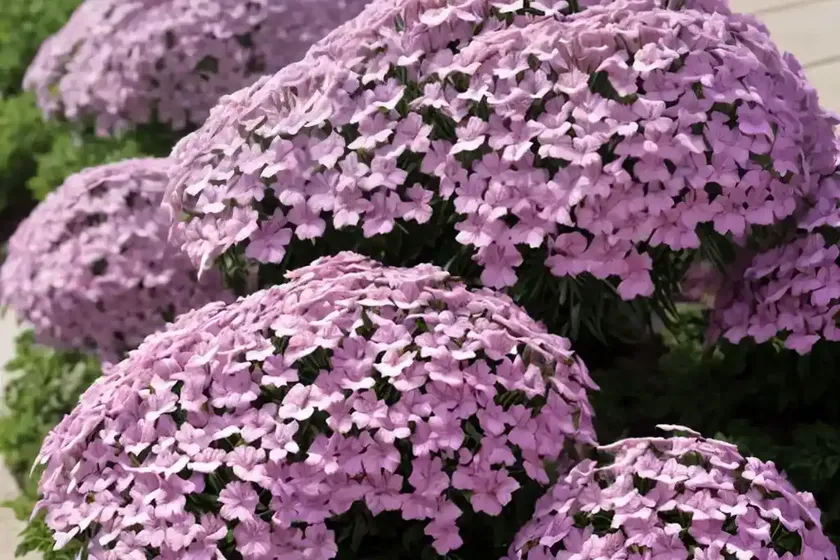
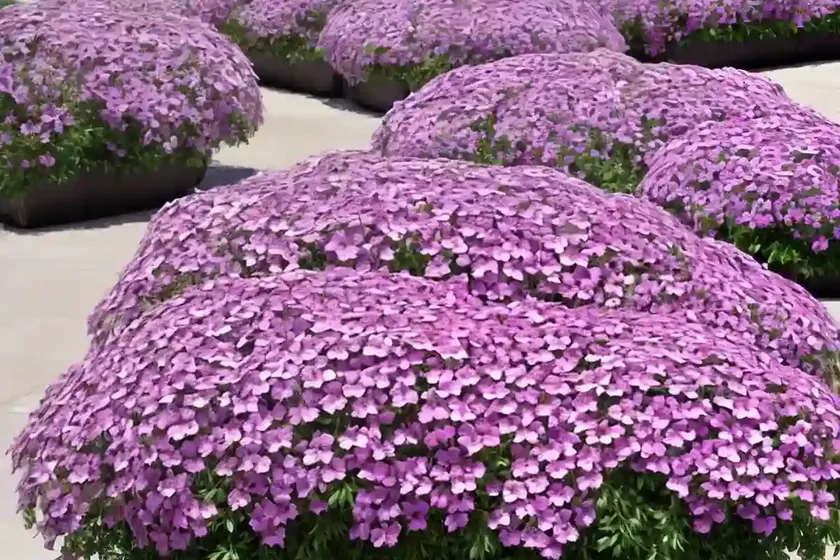
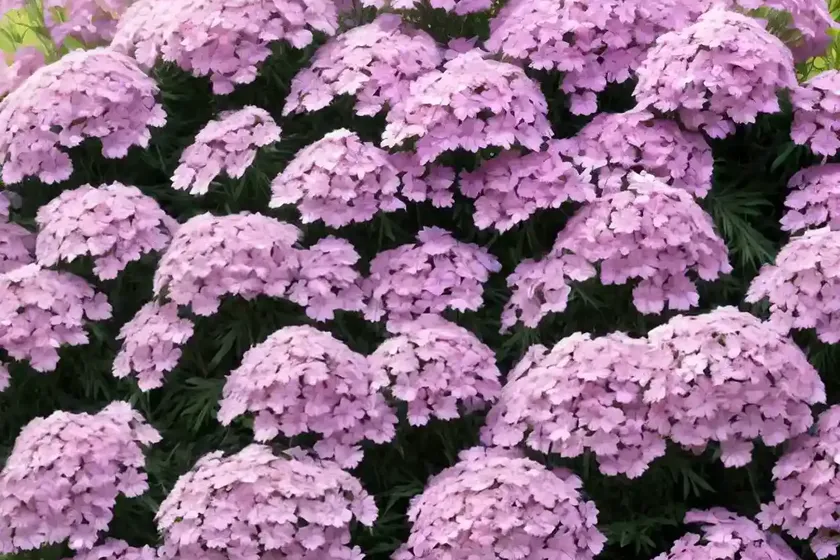
Phlox nana, commonly known as Santa Fe Phlox, is a lovely flowering plant that adds vibrant colors to any garden. Its delicate blooms and easy-care nature make it a popular choice for both novice and seasoned gardeners alike.
In this comprehensive guide, we will explore the various aspects of caring for and cultivating Phlox nana (Santa Fe Phlox), including its cultural requirements, uses in landscaping, propagation, common diseases and pests, and much more. So, let’s embark on a journey to uncover the beauty and charm of this delightful plant.
What is Phlox nana (Santa Fe Phlox)?
Phlox nana is a species of perennial plant belonging to the Polemoniaceae family. It is native to the Southwestern United States, particularly in regions such as New Mexico and Arizona. This low-growing phlox variety is known for its clusters of vibrant flowers that bloom in a spectrum of colors, including shades of pink, purple, and white.
The Santa Fe Phlox is prized for its compact growth habit, making it an excellent choice for borders, rock gardens, and container plantings. Its prolific blooms and low maintenance requirements make it a popular selection for gardeners looking to add a splash of color to their outdoor spaces.
Key Takeaways – Phlox nana (Santa Fe Phlox)
Before diving into the specifics of caring for Santa Fe Phlox, let’s take a quick look at the key takeaways that will be covered in this guide:
- Culture
- Understanding the cultural requirements for optimal growth and blooming.
- Uses
- Exploring the diverse uses of Santa Fe Phlox in landscaping and garden design.
- Water
- Determining the watering needs of Phlox nana for healthy development.
- Sunlight
- Identifying the sunlight requirements to promote robust growth and abundant flowering.
- Fertilizer
- Choosing the right fertilization strategy to nourish the plant.
- Soil
- Evaluating the soil preferences for Phlox nana and how to ensure optimal conditions.
- Pruning
- Techniques for maintaining the plant’s shape and promoting abundant blooming.
- Propagation
- Methods for propagating Santa Fe Phlox to expand your garden collection.
- Container Popularity
- Understanding its adaptability to container gardening and best practices for successful growth.
- Common Diseases
- Recognizing and addressing potential diseases that may affect Phlox nana.
- Common Pests
- Identifying and managing common pests that could impact the plant’s health and vitality.
- Botanist’s Tips
- Professional insights and recommendations for cultivating and caring for Santa Fe Phlox.
- Fun facts
- Discovering interesting and unique aspects of Phlox nana that make it a standout plant in any garden.
Now that we have a comprehensive overview of the key takeaways, let’s delve into the specifics of caring for Phlox nana (Santa Fe Phlox) in the following sections.
Culture of Phlox nana (Santa Fe Phlox)
Understanding the cultural requirements of Santa Fe Phlox is essential for ensuring its optimal growth and blooming. By providing the right conditions, you can encourage a healthy and vibrant display of flowers. Here are some key cultural aspects to consider:
- Santa Fe Phlox Variety:
-
The Phlox nana Santa Fe variety is known for its compact size and profusion of colorful flowers. It is an ideal choice for gardeners seeking a low-growing plant with striking blooms.
-
Growing Conditions:
-
Santa Fe Phlox thrives in well-draining soil and prefers a location with ample sunlight. It is essential to provide the plant with the right environmental conditions to support its growth.
-
Planting Guide:
-
When planting Santa Fe Phlox, choose a location with full sun to partial shade. Ensure that the soil is well-drained to prevent waterlogging, which can lead to root rot.
-
Watering Guide:
-
Santa Fe Phlox has moderate water needs. It is important to water the plant consistently, ensuring that the soil remains evenly moist but not waterlogged.
-
Sunlight Needs:
-
Phlox nana Santa Fe thrives in full sun conditions, although it can tolerate some light shade. Adequate sunlight is essential for promoting robust growth and abundant flowering.
-
Fertilization:
-
Apply a balanced, all-purpose fertilizer in the spring to support healthy growth and flowering. Avoid over-fertilization, as this can lead to excessive foliage growth at the expense of blooms.
-
Soil Requirements:
-
Santa Fe Phlox prefers well-drained soil with a slightly acidic to neutral pH. Amending the soil with organic matter can improve its texture and fertility, creating an optimal growing environment for the plant.
-
Pruning Techniques:
-
Regular deadheading of faded flowers can promote prolonged blooming. Additionally, light pruning in early spring can help maintain a compact growth habit and encourage new growth.
-
Propagating Methods:
- Propagation of Phlox nana can be achieved through division or stem cuttings. By utilizing these methods, you can expand your Santa Fe Phlox collection and share its beauty with others.
By paying attention to these cultural aspects, you can create an environment that encourages the healthy development and abundant blooming of Santa Fe Phlox in your garden.
Uses of Phlox nana (Santa Fe Phlox) in Landscaping
Santa Fe Phlox offers versatile uses in landscaping, adding color, texture, and visual interest to various garden settings. Here are some common uses of Phlox nana in landscaping and garden design:
- Border Plantings:
-
The low-growing nature of Santa Fe Phlox makes it an excellent choice for border plantings along walkways, garden edges, or flower beds. Its vibrant blooms create a striking border that adds a pop of color to the landscape.
-
Rock Gardens:
-
Santa Fe Phlox thrives in rock gardens, where its compact size and tolerance for dry, rocky soil make it an ideal plant for these types of landscapes. Its delicate flowers complement the rugged beauty of rock formations, creating a harmonious contrast.
-
Container Plantings:
-
Due to its compact growth habit, Santa Fe Phlox is well-suited for container plantings. Whether placed on patios, decks, or balconies, the plant’s colorful blooms can brighten up outdoor living spaces.
-
Pollinator Gardens:
-
The nectar-rich flowers of Phlox nana attract pollinators such as butterflies and hummingbirds, making it a valuable addition to pollinator gardens. By including Santa Fe Phlox in your garden, you can support and nurture local pollinator populations.
-
Ground Cover:
-
Santa Fe Phlox can be used as a ground cover to create a carpet of color in open spaces. Its spreading growth habit and profusion of flowers make it an attractive and practical choice for covering bare ground.
-
Cut Flowers:
-
The vibrant blooms of Santa Fe Phlox make it a delightful choice for cut flower arrangements. Its long-lasting flowers can be enjoyed indoors, brightening up any room with their cheerful colors.
-
Mixed Planting Schemes:
-
Santa Fe Phlox can be combined with other perennials and annuals to create eye-catching mixed planting schemes. Its ability to complement a wide range of plants makes it a versatile addition to any garden composition.
-
Cottage Gardens:
- The charming and old-fashioned appeal of Santa Fe Phlox makes it a natural fit for cottage gardens. Its colorful blooms and low maintenance needs align with the relaxed and whimsical aesthetic of cottage-style landscaping.
By incorporating Santa Fe Phlox into various landscaping settings, you can take advantage of its aesthetic appeal and practical benefits, enhancing the beauty of your outdoor spaces.
Watering Guide for Santa Fe Phlox
Proper watering is crucial for the health and vitality of Santa Fe Phlox. By understanding the plant’s watering needs and implementing appropriate practices, you can support its growth and flowering. Here are some key considerations for watering Santa Fe Phlox:
- Watering Frequency:
-
Santa Fe Phlox prefers consistently moist soil, especially during periods of active growth and flowering. It is important to monitor the soil moisture levels and water the plant as needed to prevent drought stress.
-
Soil Moisture:
-
Ensure that the soil remains evenly moist, but not waterlogged. Overly wet conditions can lead to root rot, while insufficient moisture can result in stunted growth and reduced flowering.
-
Drought Tolerance:
-
While Santa Fe Phlox appreciates adequate moisture, it also exhibits a degree of drought tolerance once established. This characteristic makes it well-suited for gardens in regions with periodic dry spells.
-
Winter Care:
- During the winter months, reduce the frequency of watering to account for reduced evaporation and the plant’s dormancy. Be mindful of any extended dry periods and provide supplemental moisture as needed.
By maintaining a balanced approach to watering and monitoring the plant’s moisture requirements, you can help Santa Fe Phlox thrive in your garden.
Sunlight Needs for Santa Fe Phlox
Proper sunlight exposure is essential for encouraging healthy growth and abundant flowering in Santa Fe Phlox. Understanding the plant’s sunlight requirements is key to ensuring its vitality. Here are some important considerations regarding sunlight needs for Phlox nana:
- Full Sun to Partial Shade:
-
Santa Fe Phlox thrives in full sun conditions, where it can receive direct sunlight for a significant portion of the day. However, it can also tolerate some light shade, particularly in regions with intense midday sun.
-
Optimal Sunlight Exposure:
-
Provide Santa Fe Phlox with a location that receives at least 6-8 hours of sunlight per day for best results. Adequate sunlight exposure promotes sturdy growth and bountiful flowering.
-
Shade Tolerance:
-
While Santa Fe Phlox favors full sun, it can adapt to partial shade conditions. In areas with hot afternoon sun, some protection from intense sunlight may be beneficial to prevent wilting and stress.
-
Indoor Cultivation:
- If growing Santa Fe Phlox in containers or indoor settings, ensure that it receives ample sunlight to support healthy development. Consider placing the plant near a bright window or under grow lights to provide sufficient light exposure.
By catering to the sunlight needs of Santa Fe Phlox, you can create an environment that fosters its growth and showcases its vibrant blooms.
Fertilizer Requirements for Santa Fe Phlox
Providing the right nutrients is essential for promoting the healthy growth and flowering of Santa Fe Phlox. By selecting appropriate fertilization strategies, you can support the plant’s vitality and beauty. Here are some guidelines for addressing the fertilization needs of Phlox nana:
- Balanced Fertilizer:
-
Apply a balanced, all-purpose fertilizer to Santa Fe Phlox in the early spring, just as new growth begins to emerge. Use a slow-release or granular fertilizer to provide a steady supply of nutrients over time.
-
Fertilizer Application:
-
Follow the manufacturer’s recommendations for application rates and methods. Avoid direct contact between the fertilizer and the plant’s foliage, as this can lead to leaf burn.
-
Avoid Over-Fertilization:
-
Exercise caution to prevent over-fertilization, as excessive nutrients can result in lush foliage at the expense of blooms. A balanced approach to fertilization helps maintain a healthy balance of growth and flowering.
-
Organic Options:
- Consider organic fertilizers or amendments to enrich the soil and provide natural sources of nutrients. Organic matter such as compost can improve soil fertility and texture, benefiting Santa Fe Phlox and other garden plants.
By implementing a consistent and balanced approach to fertilization, you can contribute to the overall health and vigor of Santa Fe Phlox in your garden.
Soil Preferences for Santa Fe Phlox
Understanding the soil preferences of Santa Fe Phlox is essential for creating an optimal growing environment that supports its vitality and blooming. By addressing the plant’s soil requirements, you can promote healthy development. Here are some important aspects to consider regarding soil preferences for Phlox nana:
- Well-Drained Soil:
-
Santa Fe Phlox thrives in well-drained soil that prevents water from accumulating around the roots. Consider amending the soil with sand or organic matter to improve its drainage characteristics, particularly in heavy or clay-based soils.
-
Soil pH:
-
The preferred soil pH for Santa Fe Phlox ranges from slightly acidic to neutral (pH 6.0-7.0). Conduct a soil test to assess the pH level and make adjustments as needed to create a suitable growing medium for the plant.
-
Soil Texture:
-
Cultivate a soil texture that promotes good aeration and root penetration. Loamy or sandy soils with a friable structure are well-suited for Santa Fe Phlox, allowing for healthy root development and nutrient uptake.
-
Organic Matter:
- Incorporating organic matter such as compost or well-rotted manure into the soil can improve its fertility and texture. Organic amendments contribute essential nutrients and beneficial microorganisms, enhancing the soil environment for Santa Fe Phlox.
By addressing these soil preferences and providing an optimal growing medium, you can create a foundation for the healthy growth and flourishing of Santa Fe Phlox in your garden.
Pruning Techniques for Santa Fe Phlox
Proper pruning is a valuable practice for maintaining the shape, health, and blooming potential of Santa Fe Phlox. By employing appropriate pruning techniques, you can enhance the plant’s visual appeal and longevity. Here are some key considerations for pruning Phlox nana:
- Deadheading:
-
Regular deadheading of faded flowers promotes prolonged blooming and prevents the formation of seed heads. Remove spent blooms by snipping the flower stems just above a set of healthy leaves or nodes.
-
Pruning Timing:
-
Engage in light pruning and deadheading throughout the growing season to encourage continuous flowering. Additionally, lightly prune Santa Fe Phlox in early spring to remove any dead or damaged growth and shape the plant.
-
Rejuvenation Pruning:
-
If Santa Fe Phlox exhibits signs of woody or leggy growth, consider rejuvenation pruning in late winter or early spring. Trim the plant back to a height of a few inches above the ground to stimulate vigorous new growth.
-
Sterilize Pruning Tools:
- Use clean, sharp pruning shears or scissors to make precise cuts without causing undue stress to the plant. Sterilize your pruning tools with rubbing alcohol or a diluted bleach solution to prevent the spread of diseases.
By incorporating these pruning techniques into your maintenance routine, you can help Santa Fe Phlox maintain a tidy appearance, encourage robust blooming, and support its overall health.
Propagation Methods for Santa Fe Phlox
Expanding your Santa Fe Phlox collection through propagation enables you to share its beauty with others and create additional planting opportunities in your garden. By utilizing effective propagation methods, you can multiply the presence of this delightful plant. Here are some propagation techniques for Phlox nana:
- Division:
-
Divide established clumps of Santa Fe Phlox in the early spring or fall to create new plants. Carefully dig up the clump and separate it into smaller sections, each containing healthy roots and shoots, then replant them in suitable locations.
-
Stem Cuttings:
-
Take stem cuttings from healthy, non-flowering shoots of Santa Fe Phlox in the early summer. Remove the lower leaves from the cuttings, dip the ends in rooting hormone, and plant them in a well-draining rooting medium to encourage root development.
-
Propagation Success:
- Provide consistent moisture and warmth to propagated divisions or cuttings to support their establishment. Maintain high humidity levels around cuttings by covering them with a clear plastic dome or placing them in a propagator.
By practicing these propagation methods, you can expand your Santa Fe Phlox collection and contribute to the presence of this charming plant in various garden settings.
Santa Fe Phlox in Container Gardening
Santa Fe Phlox’s compact size and vibrant blooms make it an excellent candidate for container gardening. Whether grown in pots, window boxes, or hanging baskets, Santa Fe Phlox can brighten up outdoor living spaces and bring a splash of color to urban or limited garden areas. Here are some considerations for cultivating Santa Fe Phlox in containers:
- Container Selection:
-
Choose containers with adequate drainage holes to prevent waterlogging, as well as sufficient volume for accommodating the plant’s roots. Lightweight, durable materials such as plastic or fiberglass are practical options for Santa Fe Phlox.
-
Potting Mix:
-
Use a well-draining potting mix specifically formulated for container plants. Consider adding perlite or coarse sand to improve drainage and aeration within the growing medium.
-
Watering Needs:
-
Monitor the moisture levels in the container and water Santa Fe Phlox as needed to maintain even soil moisture. Containers have a tendency to dry out more quickly than garden soil, so regular attention to watering is essential.
-
Sunlight Requirements:
-
Position containers of Santa Fe Phlox in locations that receive ample sunlight, whether on patios, balconies, or other outdoor areas. Ensure that the plant receives the necessary sunlight for healthy growth and blooming.
-
Fertilization:
- Apply a balanced, water-soluble fertilizer according to the manufacturer’s recommendations to support the growth and flowering of Santa Fe Phlox in containers. Fertilize the plant during periods of active growth for best results.
By incorporating Santa Fe Phlox into your container gardening endeavors, you can enjoy its captivating blooms and easy-care nature in a compact, portable form.
Popularity of Santa Fe Phlox in Container Gardening
Santa Fe Phlox’s popularity in container gardening stems from its adaptability, vibrant blooms, and easy care requirements. Whether grown on their own or combined with other container plants, Santa Fe Phlox adds a delightful touch to various outdoor settings. Here are some reasons for the popularity of Santa Fe Phlox in container gardening:
- Colorful Blooms:
-
The vibrant flowers of Santa Fe Phlox bring an explosion of color to containers, creating eye-catching focal points in outdoor spaces.
-
Low Maintenance:
-
Santa Fe Phlox’s minimal care needs make it a practical choice for container gardening, especially for individuals with limited time for garden upkeep.
-
Space Efficiency:
-
Its compact growth habit allows Santa Fe Phlox to thrive in containers of various sizes, making it suitable for small patios, balconies, or urban gardens.
-
Versatile Combinations:
-
Santa Fe Phlox can be combined with a wide range of container plants, such as trailing annuals, foliage plants, or ornamental grasses, to create visually engaging arrangements.
-
Pollinator Attraction:
- The nectar-rich blooms of Santa Fe Phlox can attract pollinators to container gardens, contributing to the overall biodiversity and ecological health of the area.
By embracing Santa Fe Phlox in container gardening, gardeners can enjoy its beauty, versatility, and impact within limited outdoor spaces.
Common Diseases Affecting Santa Fe Phlox
While Santa Fe Phlox is generally resilient, it can be susceptible to certain diseases, especially under unfavorable growing conditions. By being aware of potential diseases and taking proactive measures, you can safeguard the health of Santa Fe Phlox in your garden. Here are some common diseases that may affect Phlox nana:


