Phlomis Russeliana (Jerusalem Sage)
In the world of botany, there exists an array of fascinating plant species, each with its own unique characteristics and requirements. One such plant that.
In the world of botany, there exists an array of fascinating plant species, each with its own unique characteristics and requirements. One such plant that has gained popularity among gardeners and landscapers is Phlomis russeliana, commonly known as Jerusalem Sage. This resilient perennial plant is cherished for its attractive appearance, low maintenance needs, and diverse cultural uses. In this comprehensive guide, we will delve into every aspect of caring for and understanding Phlomis russeliana, providing valuable insights for both novice and experienced plant enthusiasts.
What is Phlomis russeliana (Jerusalem Sage)?
Phlomis russeliana, a member of the Lamiaceae family, is a herbaceous perennial native to the Mediterranean region, particularly Turkey and Syria. Its common name, Jerusalem Sage, reflects its perceived similarity to the aromatic sage plants (Salvia spp.) and its historical prevalence in the city of Jerusalem, although it is important to note that it does not belong to the Salvia genus.
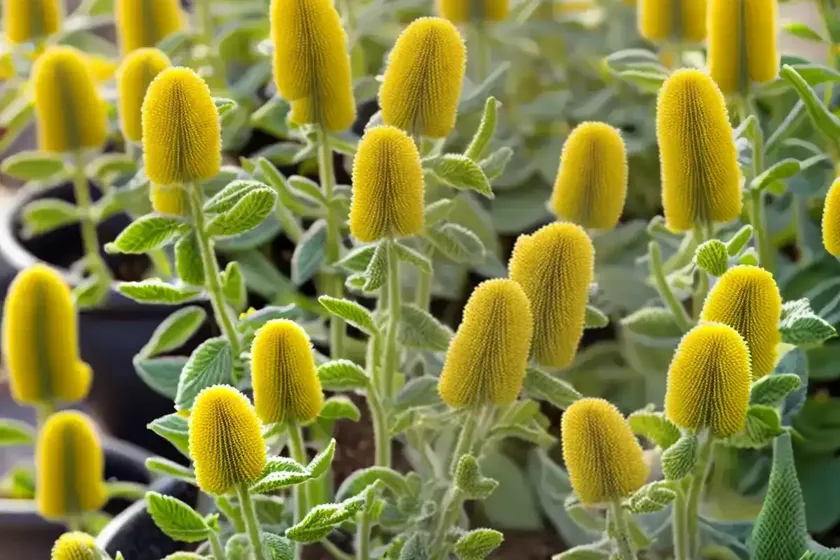
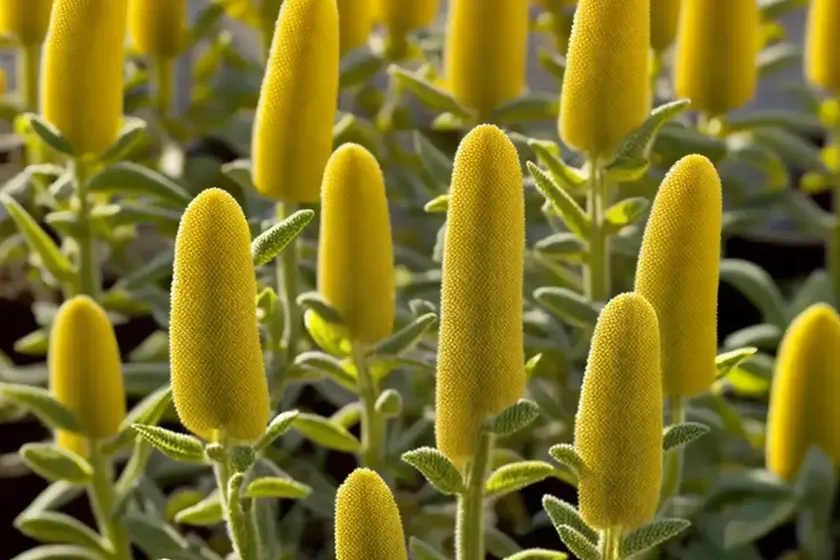
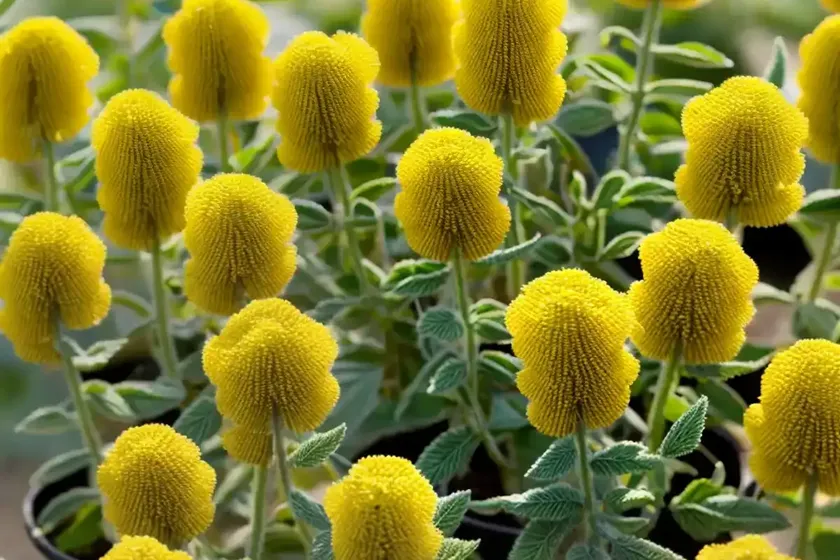
This striking plant is characterized by its large, heart-shaped leaves with a fuzzy texture and whorls of hooded, pale yellow flowers that spiral around its sturdy stems. Its unique appearance, along with its adaptability and hearty nature, has led to its widespread utilization in gardens, landscapes, and even traditional medicine.
Now, let’s delve deeper into the various aspects of Phlomis russeliana, ranging from its cultural uses and care requirements to its common diseases and pests.
Key Takeaways – Phlomis russeliana (Jerusalem Sage)
Culture
- Phlomis russeliana is valued for its diverse cultural uses, serving as an ornamental plant, a source of traditional medicine, and a contributor to wildlife habitats.
- Its attractive foliage and flowers make it a desirable addition to garden landscapes, while its aromatic leaves have been utilized in herbal remedies for centuries.
- As a highly adaptable plant, it thrives in a variety of conditions, ranging from natural, rocky slopes to well-tended garden beds.
Uses
- Ornamental: The visually appealing foliage and flowers of Jerusalem Sage make it an ideal choice for ornamental purposes, adding a touch of exotic beauty to gardens, borders, and naturalistic landscapes.
- Medicinal: While not as widely recognized as culinary sage (Salvia officinalis), Phlomis russeliana has been used in traditional herbal medicine for its potential therapeutic properties, including anti-inflammatory and antiseptic effects.
- Wildlife Habitat: Its flowers attract pollinators such as bees and butterflies, contributing to the biodiversity and ecological balance of garden ecosystems.
Water
- Jerusalem Sage is renowned for its remarkable drought tolerance, making it an ideal plant for arid and semi-arid regions or for individuals seeking low-maintenance garden options.
- Once established, Phlomis russeliana typically requires minimal supplemental watering, thriving in well-drained soils and withstanding prolonged periods of dryness.
Sunlight
- This plant thrives in full sun to partial shade, displaying its best growth and flowering potential when provided with ample sunlight.
- In regions with intense afternoon sun and high temperatures, providing some protection from the harsh midday rays may be beneficial for maintaining the plant’s vitality and vigor.
Fertilizer
- Phlomis russeliana generally does not demand heavy feeding and can flourish in nutrient-deficient soils, making it a suitable option for areas with poor soil fertility.
- While occasional applications of balanced, slow-release fertilizers may enhance its growth and floral display, excessive fertilization should be avoided to prevent potential issues such as leggy growth or reduced flowering.
Soil
- Jerusalem Sage thrives in well-drained, alkaline to slightly acidic soils, demonstrating a preference for rocky or gravelly substrates that mimic its native habitat.
- Its adaptability to various soil types, from sandy loam to clay, underscores its versatility as a landscaping plant, capable of thriving in challenging environments.
Pruning
- Pruning Phlomis russeliana is generally minimal, with most maintenance involving the removal of spent flower spikes or the shaping of the plant to maintain its desired form and size.
- Conducting light pruning in late winter or early spring can promote healthy growth and encourage the development of new shoots.
Propagation
- Jerusalem Sage can be propagated through methods such as seed sowing, division of mature plants, and softwood or semi-hardwood cuttings, offering multiple avenues for expanding its presence in gardens and landscapes.
Container Popularity
- Due to its adaptability and manageable size, Phlomis russeliana is well-suited for cultivation in containers, allowing individuals with limited garden space to enjoy its captivating beauty and resilience.
Container Common Diseases
- While Jerusalem Sage is generally resistant to many common diseases, it may occasionally experience issues such as powdery mildew or root rot, particularly in excessively moist or humid conditions.
Disease Diagnosis
- Regular monitoring of the plant’s foliage, stems, and overall vigor can provide early indications of potential diseases, enabling proactive measures to be taken to mitigate the spread of infections.
Common Pests
- Phlomis russeliana is relatively resistant to pest infestations, with its aromatic foliage acting as a natural deterrent to many herbivorous insects.
- However, occasional encounters with pests such as aphids or spider mites may occur, warranting prompt intervention to prevent any significant damage to the plant.
Botanist’s Tips
- When selecting a planting location for Jerusalem Sage, prioritize well-drained soils and adequate sunlight exposure to promote its overall health and longevity.
- Avoid overwatering the plant, particularly during the hot summer months, as excessive soil moisture can lead to issues such as root rot and diminished vitality.
Fun Facts
- The specific epithet “russeliana” in Phlomis russeliana pays homage to Alexander Russell, an 18th-century English botanist and physician known for his contributions to the study of Mediterranean flora.
Links to External Resources
For further information on Phlomis russeliana and related topics, consider exploring the following resources:
Conclusion
Phlomis russeliana, or Jerusalem Sage, stands as a fascinating plant with a multitude of desirable traits, making it a valuable addition to diverse landscapes and garden settings. Its adaptability, low maintenance requirements, and ornamental and medicinal uses underscore its significance in both horticultural and ecological contexts. By understanding and appreciating the cultural significance and care needs of this captivating plant, plant enthusiasts can cultivate thriving and visually appealing displays while contributing to the preservation of its natural heritage. Whether in a garden bed, a container, or a naturalistic setting, the allure of Phlomis russeliana continues to captivate individuals and enrich botanical landscapes around the world.
With a focus on care, cultural uses, water, sunlight, fertilizer, soil, pruning, propagation, container popularity, container common diseases, disease diagnosis, common pests, botanist’s tips, fun facts, and links to external resources, this guide aims to serve as a comprehensive reference for anyone interested in the enchanting world of Phlomis russeliana. As we embrace the diversity and beauty of plant life, the allure of Jerusalem Sage shines brightly, inviting admiration, exploration, and a deeper connection to the natural world.
As you venture further into the realm of botanical discovery, may the journey be filled with wonder, learning, and a deep appreciation for the marvels of nature, including the remarkable Phlomis russeliana.
This document is intended for informational purposes and does not serve as professional horticultural or medical advice. Consult with local experts and resources for personalized guidance on plant care and usage.
Keywords: Phlomis russeliana care, Jerusalem sage plant, Growing Phlomis russeliana, How to care for Jerusalem sage, Phlomis russeliana varieties, Jerusalem Sage perennial, Phlomis russeliana propagation, Jerusalem Sage benefits, Phlomis russeliana pruning, Jerusalem Sage medicinal uses, Phlomis russeliana planting, Jerusalem Sage drought-tolerant, Phlomis russeliana flowers, Jerusalem Sage perennial plant, Phlomis russeliana landscape, Jerusalem Sage garden, Phlomis russeliana seeds, Jerusalem Sage wildflower, Phlomis russeliana wildlife habitat, Jerusalem Sage natural remedy, Phlomis russeliana sun requirements, Jerusalem Sage soil requirements, Phlomis russeliana water needs, Jerusalem Sage flowering period, Phlomis russeliana hardiness, Jerusalem Sage companion plants, Phlomis russeliana foliage, Jerusalem Sage insect resistance, Phlomis russeliana evergreen, Jerusalem Sage low maintenance plant, Phlomis russeliana border plant, Jerusalem Sage groundcover, Phlomis russeliana landscaping ideas, Jerusalem Sage ornamental plant, Phlomis russeliana pollinator plant, Jerusalem Sage natural habitat, Phlomis russeliana native range, Jerusalem Sage flower arrangement, Phlomis russeliana wildlife garden, Jerusalem Sage seasonality, Phlomis russeliana container gardening, Jerusalem Sage plant height, Phlomis russeliana aesthetic appeal, Jerusalem Sage deer-resistant plant, Phlomis russeliana shade tolerance, Jerusalem Sage fragrant leaves, Phlomis russeliana disease resistance, Jerusalem Sage garden design, Phlomis russeliana landscape uses, Jerusalem Sage attract butterflies


