Star Begonia (Begonia Heracleifolia)
Star Begonia, scientifically known as Begonia Heracleifolia, is an eye-catching flowering plant that belongs to the family Begoniaceae. This unique and.
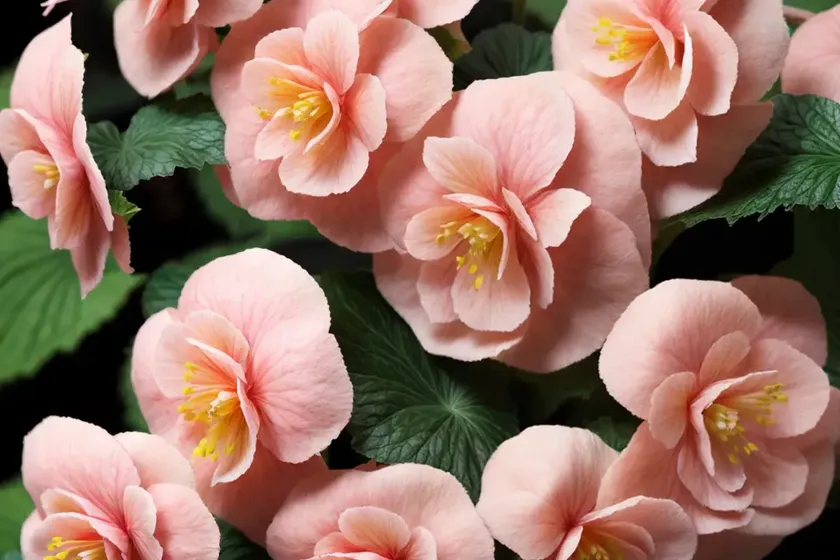
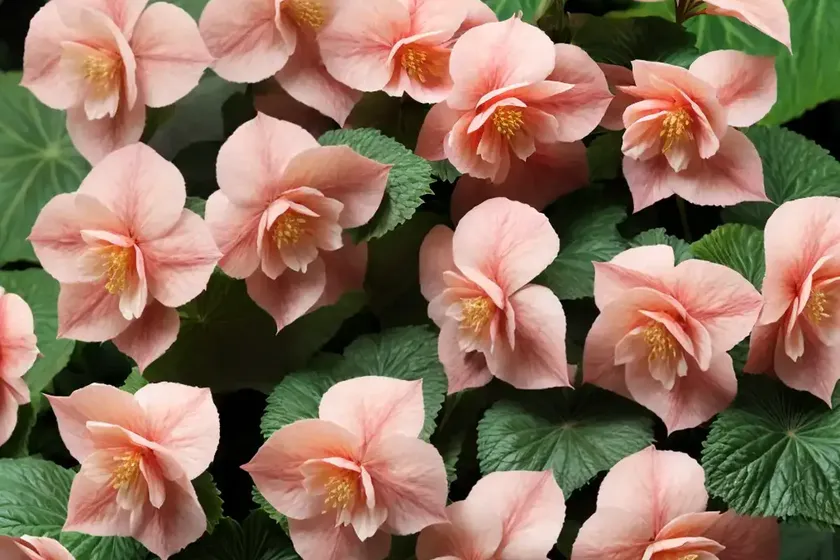
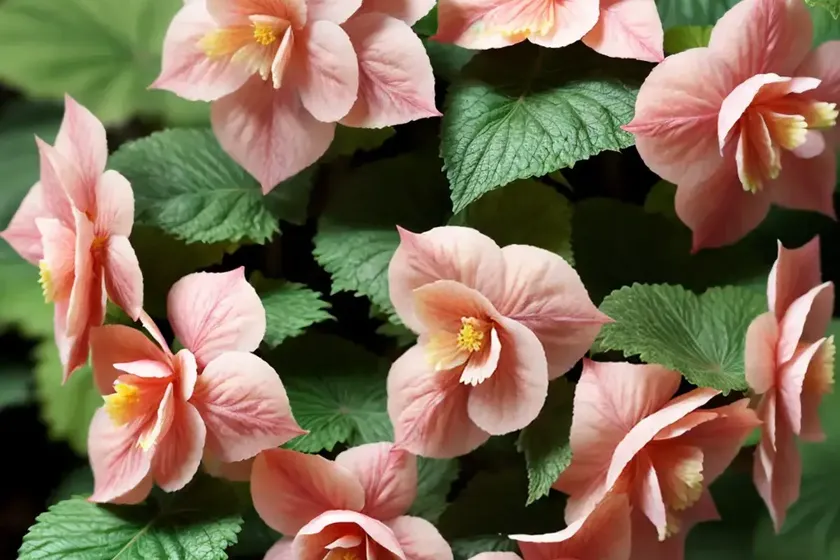
Star Begonia, scientifically known as Begonia Heracleifolia, is an eye-catching flowering plant that belongs to the family Begoniaceae. This unique and vibrant species is popular for its distinctive star-shaped leaves, colorful flowers, and low maintenance requirements. In this comprehensive guide, we will delve into the various aspects of Star Begonia, including its culture, uses, maintenance, propagation, and common diseases. Whether you are a seasoned gardener or a beginner enthusiast, this article will provide you with valuable insights into cultivating and nurturing the charming Star Begonia.
What is Star Begonia (Begonia Heracleifolia)?
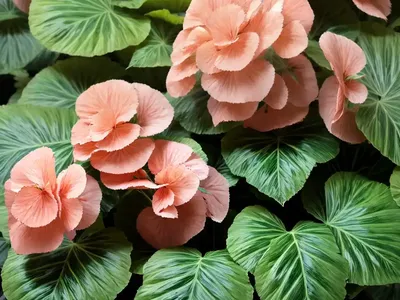
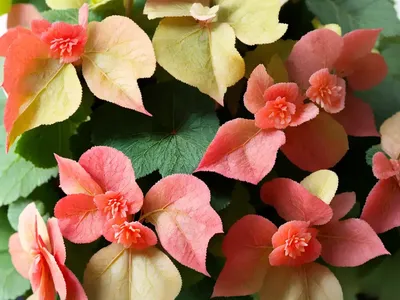
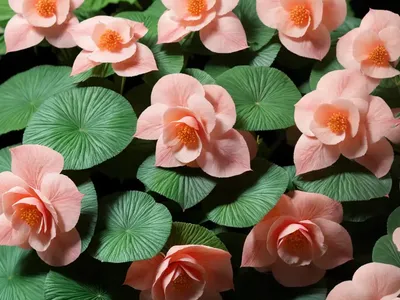
The Star Begonia, or Begonia Heracleifolia, is a perennial flowering plant native to Brazil. Its striking appearance and ease of care make it a popular choice for both indoor and outdoor ornamental gardening. This plant is characterized by its unique star-shaped leaves, which often feature intricate patterns and vivid colors. The flowers of the Star Begonia come in various hues, adding a delightful burst of color to any garden or living space.
Key Takeaways – Star Begonia (Begonia Heracleifolia)
Before we dive into the details of cultivating and caring for Star Begonia, let’s explore some key takeaways about this captivating plant:
- Scientific Name: Begonia Heracleifolia
- Family: Begoniaceae
- Native Habitat: Brazil
- Distinctive Features: Star-shaped leaves, colorful flowers
- Popular Uses: Ornamental gardening, indoor decoration
- Low Maintenance: Requires minimal care and attention
- Versatile Cultivar: Suitable for containers, hanging baskets, and landscape planting
Now that we have an overview of the Star Begonia, let’s explore the various aspects of its cultivation and maintenance in detail.
Culture
The culture of Star Begonia encompasses a range of factors, including its water and sunlight requirements, soil preferences, fertilization, and pruning needs. Understanding the optimal culture for this plant is crucial for ensuring its healthy growth and vibrant display.
Water
One of the key factors in successful Star Begonia cultivation is providing the appropriate water levels. It is essential to maintain slightly moist but not waterlogged soil for this plant. Over-watering can lead to root rot and other detrimental conditions, while under-watering may cause the plant to wilt and suffer from dehydration. To maintain the ideal moisture level, regular but moderate watering is recommended, allowing the top inch of soil to dry out before watering again.
Sunlight
Star Begonia thrives in bright, indirect light. While it appreciates a good dose of sunlight, direct exposure to harsh sun rays should be avoided, especially during the intense midday hours. Indoor placement near a window with filtered sunlight or outdoor positioning where the plant is shielded from scorching rays by surrounding foliage or structures is ideal for the optimal growth and development of Star Begonia.
Fertilizer
To support healthy growth and abundant flowering, regular fertilization is essential for Star Begonia. A balanced liquid fertilizer with equal parts of nitrogen, phosphorus, and potassium can be applied every 2-4 weeks during the growing season. It is important to follow the dosage instructions provided on the fertilizer packaging to prevent over-fertilization, which can be harmful to the plant.
Soil
Star Begonia thrives in well-draining, fertile soil with a slightly acidic to neutral pH. A recommended potting mix for container cultivation can consist of a combination of peat moss, perlite, and high-quality potting soil. This blend provides the necessary nutrients and moisture retention capabilities for the optimal growth of Star Begonia.
Pruning
Regular pruning is beneficial for maintaining the desired shape and promoting abundant flowering in Star Begonia. Deadheading spent flowers and trimming back leggy growth can help the plant direct its energy towards new blooms and healthy foliage. Pruning should be done with clean, sharp scissors or pruning shears to prevent damage to the plant.
Uses
The Star Begonia, with its captivating appearance and low maintenance requirements, serves various ornamental and decorative purposes. Its versatile uses make it a valuable addition to both indoor and outdoor gardening settings.
- Indoor Decoration: Star Begonia is well-suited for bringing a touch of natural beauty to interior spaces. Its compact growth habit and colorful foliage make it an excellent choice for adorning tabletops, shelves, and windowsills.
- Container Planting: Due to its manageable size and attractive appearance, Star Begonia is often cultivated in pots and containers, adding elegance to patios, balconies, and verandas.
- Hanging Baskets: The cascading growth of certain Star Begonia varieties makes them perfect candidates for hanging baskets, creating stunning displays of foliage and flowers.
- Landscape Ornament: When planted in gardens and landscaped areas, Star Begonia contributes to vibrant and visually appealing flower beds, borders, and mixed plantings.
By understanding the diverse uses of Star Begonia, gardeners can explore creative ways to incorporate this charming plant into their indoor and outdoor living spaces.
Propagation
Propagating Star Begonia can be an enjoyable and rewarding process, allowing gardeners to expand their collection of this attractive plant. Several methods can be employed for successful propagation, including:
- Leaf Cuttings: Propagating Star Begonia from leaf cuttings is a common and straightforward method. Healthy leaves with intact veins can be carefully cut and placed in a suitable rooting medium to encourage the development of new plants.
- Division: For certain Star Begonia varieties, dividing the root ball and separating individual plant sections can be an effective way of propagation. Each divided section can then be planted separately to establish new plants.
- Seed Propagation: While less commonly practiced, growing Star Begonia from seeds is another viable option. This method requires attention to specific seed-starting requirements and may take longer to produce mature plants.
By employing suitable propagation techniques, gardeners can propagate Star Begonia and expand their collection with healthy new specimens.
Container Popularity
The compact and visually appealing nature of Star Begonia makes it a popular choice for container gardening. Whether placed indoors or outdoors, in small or large containers, this versatile plant adds a charming touch to any setting. The following aspects contribute to the popularity of Star Begonia in container cultivation:
- Compact Growth: The manageable size of Star Begonia makes it well-suited for growing in containers of various sizes, from small pots to larger planters.
- Decorative Value: The vibrant foliage and colorful flowers of Star Begonia enhance the visual appeal of containers, serving as eye-catching elements in any setting.
- Adaptability: Star Begonia thrives in container environments, provided that the appropriate soil, water, and light conditions are maintained.
- Indoor Placement: Its suitability for indoor cultivation further amplifies the popularity of Star Begonia in containers, making it an attractive option for interior decoration.
Common Diseases
As with any plant, Star Begonia is susceptible to certain diseases that can affect its overall health and appearance. Recognizing the symptoms of common diseases and understanding their management is crucial for preserving the vitality of this captivating plant.
- Powdery Mildew: This fungal disease presents as a powdery white coating on the leaves, often leading to leaf distortion and stunted growth. To manage powdery mildew, improve air circulation around the plant and consider applying a fungicidal treatment if the condition persists.
- Botrytis Blight: Also known as gray mold, this disease manifests as brownish-gray fuzzy patches on the foliage and flowers. Proper air circulation, avoiding overhead watering, and removing affected plant parts can aid in controlling botrytis blight.
- Root Rot: Excessive moisture and poor drainage can lead to root rot in Star Begonia. Preventing over-watering and ensuring proper soil drainage are essential for avoiding this detrimental condition.
Disease Diagnosis
When diagnosing diseases in Star Begonia, it is important to observe the symptoms carefully and take prompt action to manage the issue. Here are some common disease symptoms and their potential causes:
- Wilting and Yellowing Leaves: These symptoms can indicate both over-watering and under-watering. Assess the moisture content of the soil and adjust the watering routine accordingly.
- White Powdery Coating: The presence of a powdery white substance on the leaves is indicative of powdery mildew, a common fungal disease affecting Star Begonia.
- Fuzzy Patches on Foliage: If fuzzy gray or brown patches appear on the leaves, botrytis blight may be the cause, especially in humid conditions.
- Stunted Growth: Poor growth and lack of vigor can be attributed to root rot, emphasizing the importance of proper soil drainage and moisture regulation.
Recognizing these symptoms and understanding their potential causes is essential for effective disease diagnosis and management in Star Begonia.
Common Pests
In addition to diseases, Star Begonia may also encounter pest infestations that can compromise its health and vitality. Being aware of common pests and their signs is crucial for implementing timely pest control measures.
- Aphids: These small, pear-shaped insects can congregate on the undersides of leaves, feeding on the plant sap and causing distortion and yellowing of foliage. Insecticidal soaps or horticultural oils can be used to control aphid populations.
- Spider Mites: These tiny arachnids produce fine webbing on the leaves and stems of Star Begonia, leading to stippling and discoloration of the foliage. Regularly misting the plant and using insecticidal sprays can help manage spider mite infestations.
- Mealybugs: Mealybugs are small, soft-bodied insects that leave a white, cottony residue on the plant. They feed on the sap, weakening the plant and causing stunted growth. Insecticidal treatments or manual removal can be employed to address mealybug infestations.
By monitoring the plant for signs of pest activity and implementing appropriate pest control measures, gardeners can effectively safeguard the health and vigor of Star Begonia.
Botanist’s Tips
For an insider’s perspective on cultivating and caring for Star Begonia, here are some valuable tips from a seasoned botanist:
- Optimal Pruning: Regularly prune and deadhead Star Begonia to maintain its compact shape and stimulate continuous flowering.
- Proper Moisture Management: Strive to maintain consistent, moderately moist soil conditions, avoiding extremes of dryness and over-saturation.
- Balanced Fertilization: Use a balanced fertilizer at half strength to promote healthy growth and vibrant blooms without risking fertilizer burn.
- Monitoring for Pests and Diseases: Regularly inspect Star Begonia for signs of pest activity and disease symptoms, taking prompt action to address any issues.
- Indoor Environment Considerations: When cultivating Star Begonia indoors, ensure adequate humidity levels and suitable light conditions for optimal growth and flowering.
By incorporating these expert tips into the care routine for Star Begonia, gardeners can enhance the plant’s health and decorative appeal.
Fun Facts
To further appreciate the allure of Star Begonia, here are some intriguing fun facts about this fascinating plant:
- Species Diversity: The Begonia genus encompasses a vast array of species, including the unique Star Begonia, each with its distinct characteristics and features.
- Historical Significance: Begonias, including Star Begonia, have been cultivated for centuries, with a rich history of appreciation and horticultural significance.
- Hybrid Varieties: Through selective breeding and hybridization, new and diverse cultivars of Star Begonia have been developed, expanding the range of colors and forms available.
- Botanical Intricacies: The intricate patterns and vibrant colors of Star Begonia leaves showcase the wondrous diversity and beauty of nature’s botanical creations.
These fun facts offer a glimpse into the captivating world of Star Begonia, shedding light on its historical, botanical, and horticultural significance.
Links to External Resources
For additional information on Star Begonia and related topics, explore the following external resources:
- Begonia Heracleifolia Care Guide – The Spruce
- Growing Star Begonia – Gardening Know How
- Indoor Cultivation of Begonia Heracleifolia – University of Florida IFAS Extension
- Diseases and Pests of Begonia – Penn State Extension
These resources offer valuable insights and practical guidance for Star Begonia enthusiasts, providing in-depth knowledge and expert tips for successful cultivation and care.
In conclusion, Star Begonia (Begonia Heracleifolia) stands out as an enchanting and versatile plant with its captivating foliage and vibrant blooms. By understanding its culture, uses, maintenance, propagation, and common diseases, gardeners can cultivate and enjoy the beauty of this unique species. Whether adorning indoor spaces, enhancing outdoor landscapes, or thriving in containers, Star Begonia brings a touch of natural elegance to any environment. With the right care and attention, this charming plant delights with its star-shaped leaves and colorful flowers, creating enchanting displays that captivate the senses and elevate the beauty of any garden or living space.