The Black Cardinal Philodendron (Philodendron Black Cardinal)
Welcome to our in-depth guide on the Black Cardinal Philodendron, also known as Philodendron Black Cardinal. In this comprehensive article, we will explore the various aspects of this stunning plant, from its care requirements to fun facts and propagation methods. Whether you’re a beginner or a seasoned plant enthusiast, you’ll find valuable information that will help you nurture and appreciate the beauty of the Black Cardinal Philodendron.
What is the Black Cardinal Philodendron?
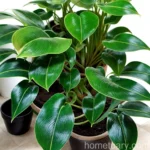
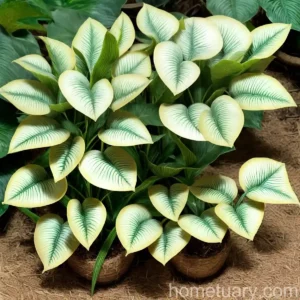
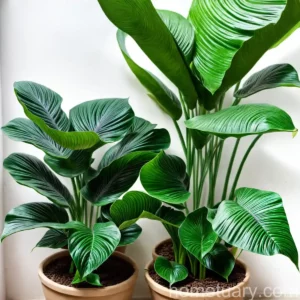
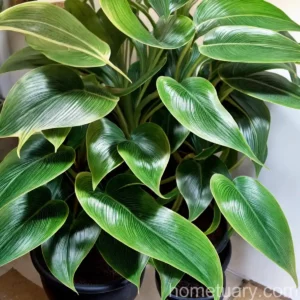
The Black Cardinal Philodendron, scientifically known as Philodendron Black Cardinal, is a striking tropical plant prized for its deep burgundy, almost black, foliage. As a member of the Araceae family, this plant is native to the rainforests of South America, where it thrives in the warm and humid conditions of its natural habitat.
The distinctive color of its leaves gives this Philodendron variety a unique and elegant appearance, making it a popular choice for indoor and outdoor gardens. Its botanical name, Philodendron Black Cardinal, aptly describes the rich, cardinal-red hue of its foliage, which adds a touch of dramatic beauty to any space.
In this guide, we will delve into the essential aspects of caring for the Black Cardinal Philodendron, including its cultural significance, uses, water and sunlight requirements, fertilizer needs, soil preferences, pruning techniques, propagation methods, and more. Additionally, we will explore common diseases and pests that may affect this plant, providing diagnosis and treatment options to ensure its optimal growth and health.
Let’s embark on this fascinating journey into the world of the Black Cardinal Philodendron and uncover the secrets to nurturing and enjoying this stunning plant.
Key Takeaways – Black Cardinal Philodendron (Philodendron Black Cardinal)
Before we dive into the specifics of caring for the Black Cardinal Philodendron, it’s helpful to outline the key takeaways that we’ll be exploring in this guide. Below are the essential points that we will cover in detail throughout the article:
-
Culture:
- Understanding the cultural significance and characteristics of the Black Cardinal Philodendron.
-
Uses:
- Exploring the versatile uses of the plant, both for decorative and air-purifying purposes.
-
Water:
- Discussing the watering schedule and requirements to maintain optimal moisture levels for the Black Cardinal Philodendron.
-
Sunlight:
- Understanding the light preferences of the plant and the best practices for ensuring adequate sunlight exposure.
-
Fertilizer:
- Exploring the nutritional needs of the Black Cardinal Philodendron and the recommended fertilization techniques.
-
Soil:
- Identifying the ideal soil composition and characteristics that support the plant’s growth and vitality.
-
Pruning:
- Learning about the pruning techniques and the importance of proper maintenance for the Black Cardinal Philodendron.
-
Propagation:
- Exploring the methods for propagating the plant, including division, stem cuttings, and air layering.
-
Container:
- Understanding the suitable container options and the significance of proper pot selection for the Black Cardinal Philodendron.
-
Popularity:
- Recognizing the growing popularity of the Black Cardinal Philodendron in the world of indoor and outdoor gardening.
-
Common Diseases:
- Identifying the common diseases that may affect the plant and understanding the diagnosis and treatment protocols.
-
Common Pests:
- Exploring the potential pests that may target the Black Cardinal Philodendron and effective pest control measures.
-
Botanist’s Tips:
- Providing expert tips and recommendations from botanists to enhance the care and maintenance of the plant.
-
Fun Facts:
- Discovering interesting and lesser-known facts about the Black Cardinal Philodendron that add to its allure.
By addressing these key takeaways, we aim to equip you with comprehensive knowledge and practical insights to ensure the thriving growth of your Black Cardinal Philodendron.
Culture
The Black Cardinal Philodendron holds significant cultural value, both as a symbol of tropical beauty and as a popular ornamental plant in horticulture. Its stunning foliage and elegant growth habit have made it a cherished addition to indoor and outdoor spaces, contributing to the aesthetic appeal and lush greenery of gardens, homes, and commercial environments.
Significance in Tropical Regions
In its native habitat of the South American rainforests, the Black Cardinal Philodendron thrives amidst the vibrant biodiversity of the tropical ecosystem. It is sought after for its striking appearance and is often featured in local traditions, celebrations, and ceremonial events as a symbol of abundance and natural beauty.
The deep red or burgundy coloration of its leaves expresses vitality and resilience, reflecting the rich hues of the rainforest flora. The Black Cardinal Philodendron’s cultural significance in tropical regions underscores its inherent connection to the lush landscapes and diverse ecosystems where it originates.
Ornamental Value
Beyond its native habitat, the Black Cardinal Philodendron has garnered widespread admiration for its ornamental qualities. Its dark, almost black foliage serves as a captivating focal point in gardens and interiors, adding depth and contrast to greenery arrangements.
As an indoor plant, the Black Cardinal Philodendron elevates the visual appeal of living spaces, featuring prominently in contemporary and traditional home decor. Its ability to thrive in indoor environments has contributed to its growing popularity as a favored choice for interior landscaping and green design.
In the realm of horticulture, the Black Cardinal Philodendron is revered for its cultural symbolism and aesthetic allure, making it a beloved plant with a rich heritage and widespread appeal.
Uses
The Black Cardinal Philodendron offers a range of uses that make it a versatile addition to both indoor and outdoor settings. Let’s explore the various ways in which this captivating plant can be utilized to enhance living spaces and contribute to a healthier, greener environment.
Decorative Purposes
One of the primary uses of the Black Cardinal Philodendron is its decorative value in interior and exterior landscapes. The deep, almost black foliage of the plant makes it a striking ornamental feature, adding elegance and drama to any setting. It serves as a focal point in both contemporary and traditional decor styles, providing a touch of exotic allure and natural beauty.
As an indoor plant, the Black Cardinal Philodendron thrives in containers, making it an ideal choice for adorning living rooms, offices, and other indoor environments. Its robust growth and attractive foliage create an inviting ambiance, transforming spaces into lush, green havens that promote relaxation and well-being.
In outdoor gardens, the Black Cardinal Philodendron can be incorporated into landscaping designs to add depth and visual interest. Whether used as a standalone specimen or integrated into mixed plantings, its bold coloration and graceful form make it a captivating addition to garden beds, borders, and tropical-themed landscapes.
Air-Purifying Qualities
Beyond its ornamental appeal, the Black Cardinal Philodendron offers air-purifying benefits, contributing to improved air quality in indoor environments. Like other Philodendron varieties, it has been recognized for its ability to filter out toxins and enhance the overall air quality within homes and workplaces.
The plant’s broad leaves efficiently absorb airborne pollutants such as formaldehyde, benzene, and trichloroethylene, thereby reducing the presence of these harmful compounds in indoor spaces. This makes the Black Cardinal Philodendron an excellent choice for promoting a healthier indoor environment while enhancing the visual aesthetics of the surroundings.
By incorporating the Black Cardinal Philodendron into interior landscaping, individuals can enjoy its air-purifying qualities while elevating the beauty and vitality of their living or working areas.
Water
Proper watering is essential for maintaining the health and vigor of the Black Cardinal Philodendron. Understanding the plant’s water requirements and implementing a suitable watering schedule is crucial for preventing issues such as overwatering or underwatering, which can affect its growth and overall well-being.
Watering Schedule
The watering schedule for the Black Cardinal Philodendron should be based on the plant’s specific moisture needs and the environmental conditions in which it is placed. As a tropical plant, it thrives in consistently moist soil, but it is important to avoid waterlogged conditions that can lead to root rot and other problems.
To determine the optimal watering frequency, several factors should be considered, including the plant’s size, the type of container, the ambient humidity, and the rate of soil moisture evaporation. As a general guideline, the following tips can help in establishing a suitable watering routine for the Black Cardinal Philodendron:
-
Monitoring Soil Moisture: Regularly check the moisture level of the soil using a moisture meter or by inserting a finger into the soil to assess its dampness. This allows for a direct evaluation of the plant’s water needs.
-
Observing Leaf Droop: Pay attention to the plant’s leaves for signs of drooping, which can indicate either overwatering or underwatering. Adjust the watering frequency based on the plant’s response to ensure optimal hydration.
-
Room Temperature and Humidity: Consider the temperature and humidity levels in the plant’s environment, as higher temperatures and lower humidity may necessitate more frequent watering to offset moisture loss.
By observing the plant’s response to watering and maintaining a balance between consistent moisture and proper drainage, individuals can ensure that the Black Cardinal Philodendron receives adequate hydration to support its growth and vitality.
Water Quality
In addition to the frequency of watering, the quality of the water used for irrigation can impact the health of the Black Cardinal Philodendron. Water with high chlorine content or other chemicals can adversely affect the plant, leading to leaf browning, tip burn, or stunted growth.
To mitigate the potential effects of poor water quality, consider the following recommendations for watering the Black Cardinal Philodendron:
-
Filtered Water: Where possible, use filtered or distilled water to irrigate the plant, as this helps to minimize the presence of chemicals and impurities that may harm the plant.
-
Room Temperature Water: Allow the water to reach room temperature before watering the plant, as cold water can shock the roots and hinder the plant’s ability to absorb moisture.
Through careful attention to the watering schedule and water quality, individuals can provide the Black Cardinal Philodendron with the essential hydration it needs to flourish and display its vibrant, dark foliage.
Sunlight
Sunlight plays a crucial role in the growth and development of the Black Cardinal Philodendron, influencing its foliage coloration, overall vigor, and ability to thrive in its environment. Understanding the plant’s light requirements and providing appropriate exposure to sunlight are vital for promoting healthy growth and maintaining its striking appearance.
Light Preferences
The Black Cardinal Philodendron exhibits specific preferences for light conditions that are conducive to its well-being. While it can adapt to varying light intensities, its ideal light requirements align with the following guidelines:
-
Indirect Light: The plant thrives in bright, indirect light that mimics the dappled sunlight found in its native rainforest habitat. Position it in a location where it receives gentle, filtered light without direct exposure to intense sunlight.
-
Avoiding Direct Sunlight: Protect the Black Cardinal Philodendron from prolonged direct sunlight, especially during the hottest hours of the day. Direct sun can lead to leaf scorching, wilting, and diminished foliage coloration.
-
Low-Light Tolerance: Although it favors bright, indirect light, the Black Cardinal Philodendron can tolerate low-light conditions, making it suitable for interior spaces with limited natural light.
By aligning with the plant’s light preferences and offering an environment that balances brightness and shade, individuals can help the Black Cardinal Philodendron thrive and showcase its captivating, deep burgundy foliage.
Sunlight Duration
In considering the plant’s light requirements, it is important to assess the duration of sunlight exposure and its impact on the Black Cardinal Philodendron. The following insights can assist in determining the optimal sunlight duration for the plant:
-
Morning and Evening Light: Position the plant in an area where it receives gentle morning or evening light, which is typically less intense and more beneficial for the foliage.
-
Rotate Position: Regularly rotate the plant to ensure even light distribution across its foliage, preventing uneven growth and maintaining uniform coloration.
-
Monitoring Leaf Color: Observe the coloration and vibrancy of the plant’s leaves, as subtle changes may indicate the adequacy or insufficiency of light exposure.
Fertilizer
Appropriate fertilization is fundamental to the well-being of the Black Cardinal Philodendron, providing essential nutrients that support its growth, foliage coloration, and overall health. Understanding the plant’s fertilizer needs and implementing a suitable feeding regimen are vital for nurturing its lush, dark foliage and robust growth.
Nutrient Requirements
The Black Cardinal Philodendron benefits from regular fertilization to replenish essential nutrients and support its metabolic processes. The following macro and micronutrients are pivotal for the plant’s nutrition and should be considered in formulating a suitable fertilizer regimen:
-
Nitrogen (N): Vital for promoting leafy growth and enhancing the plant’s green foliage, nitrogen supports the Black Cardinal Philodendron’s overall vigor.
-
Phosphorus (P): Essential for root development, flowering, and fruiting, phosphorus contributes to the plant’s reproductive processes and strengthens its resilience.
-
Potassium (K): Critical for enhancing disease resistance and promoting balanced nutritional uptake, potassium supports the Black Cardinal Philodendron’s physiological functions.
-
Trace Elements: Micronutrients such as iron, magnesium, and calcium are crucial for maintaining optimal plant health, addressing potential deficiencies and supporting essential metabolic pathways.
By understanding the specific nutrient requirements of the Black Cardinal Philodendron, individuals can select fertilizers that provide the necessary elements to sustain the plant’s growth and vitality.
Fertilizer Types
In choosing the right fertilizers for the Black Cardinal Philodendron, it is important to consider the different types of formulations available and their suitability for the plant’s nutritional needs. Several options can be explored to deliver the essential nutrients required for the plant’s well-being:
-
Balanced Fertilizer: Use a well-balanced, water-soluble fertilizer with a balanced NPK (nitrogen, phosphorus, and potassium) ratio, along with essential micronutrients, to provide comprehensive nutrition for the plant.
-
Slow-Release Fertilizer: Consider slow-release fertilizers that offer gradual nutrient release over an extended period, reducing the frequency of application while maintaining consistent nutritional supply for the Black Cardinal Philodendron.
-
Organic Fertilizer: Opt for organic fertilizers that are derived from natural sources, such as compost, fish emulsion, or seaweed extract, to deliver organic matter and beneficial microbes that enrich the soil and promote sustainable growth.
By selecting the appropriate fertilizer type and understanding its application guidelines, individuals can support the Black Cardinal Philodendron’s nutritional requirements and nurture its captivating foliage with optimal care.
Soil
The soil composition and quality play a pivotal role in supporting the growth and vitality of the Black Cardinal Philodendron. Understanding the plant’s soil preferences and providing a suitable growing medium are essential for creating an environment that fosters the plant’s lush, dark foliage and overall well-being.
Ideal Soil Characteristics
The ideal soil for the Black Cardinal Philodendron should exhibit specific characteristics that promote healthy root development, moisture retention, and aerated conditions. By incorporating the following soil traits, individuals can ensure an optimal growing medium for the plant:
-
Well-Draining: The soil should offer good drainage, preventing waterlogging and promoting aeration around the roots to avoid the risk of root rot and other moisture-related issues.
-
Moisture Retentive: While well-draining, the soil should also retain sufficient moisture to maintain consistent hydration for the plant, creating a balanced growing environment.
-
Rich in Organic Matter: Incorporating organic matter, such as compost, peat moss, or well-rotted manure, enriches the soil with nutrients and enhances its structure, promoting fertile conditions for the Black Cardinal Philodendron.
-
Aerated and Loose: A loose, well-aerated soil texture allows for healthy root penetration and supports efficient nutrient uptake, contributing to the plant’s overall vigor and growth.
By preparing a growing medium that aligns with these ideal soil characteristics, individuals can establish an environment that complements the Black Cardinal Philodendron’s cultural preferences and encourages robust, vibrant growth.
Potting Mix
For container-grown Black Cardinal Philodendrons, selecting an appropriate potting mix is essential for providing a nurturing environment that supports the plant’s growth and vitality. The following guidelines can aid in formulating a suitable potting mix for the plant:
-
Quality Potting Soil: Choose a high-quality potting soil that is well-draining and enriched with organic matter, promoting robust root development and nutrient retention.
-
Perlite or Vermiculite: Incorporate perlite or vermiculite into the potting mix to improve aeration and moisture retention, preventing soil compaction and enhancing root respiration.
-
Peat Moss or Coconut Coir: Introduce peat moss or coconut coir to enhance moisture retention and create a balanced growing medium that supports the Black Cardinal Philodendron’s needs.
-
Sterile and Disease-Free: Ensure that the potting mix is sterile and free from pathogens or diseases, minimizing the risk of soil-borne issues that could affect the plant’s health.
By preparing a well-balanced potting mix that aligns with the Black Cardinal Philodendron’s soil preferences, individuals can provide the plant with an optimal growing medium for thriving in container environments.
Pruning
Pruning is a valuable practice for maintaining the health, form, and appearance of the Black Cardinal Philodendron. By understanding the plant’s pruning requirements and implementing suitable techniques, individuals can promote vigorous growth, control its size, and enhance the beauty of its striking foliage.
Purpose of Pruning
Pruning serves several important purposes when it comes to caring for the Black Cardinal Philodendron. The following key objectives highlight the significance of incorporating pruning into the plant’s maintenance routine:
-
Promoting Growth: Regular pruning encourages new growth and branching, stimulating the plant’s vitality and rejuvenation while maintaining its elegant form.
-
Removing Dead or Diseased Portions: Pruning enables the removal of dead, damaged, or diseased leaves and stems, preventing the spread of pathogens and enhancing the plant’s overall health.
-
Controlling Size and Shape: By trimming back excessive growth and managing the plant’s size and shape, pruning helps to maintain the Black Cardinal Philodendron’s appearance in accordance with space limitations or aesthetic preferences.
-
Aesthetic Enhancement: Pruning can be used to refine the plant’s appearance, remove unsightly foliage, and create a tidy, well-groomed presentation that showcases the vibrant color of its leaves.
Pruning Techniques
To carry out effective and beneficial pruning for the Black Cardinal Philodendron, several techniques and considerations should be observed to ensure optimal results. The following techniques provide valuable insights for approaching pruning tasks with the plant:
-
Sterilizing Tools: Before pruning, it is essential to sterilize the cutting tools, such as pruning shears or scissors, to minimize the risk of transmitting diseases from one part of the plant to another.
-
Selective Pruning: Target selective pruning to remove specific leaves, stems, or shoots that detract from the plant’s appearance or impede healthy growth, allowing for precise adjustments.
-
Deadheading Flowers: If the plant produces flowers, removing spent blooms through deadheading can redirect energy towards foliage growth, fostering a more lush and vibrant appearance.