Philippine Ground Orchid (Spathoglottis Plicata)
Ornamental plants have always been an essential part of human life, adding beauty and tranquility to our surroundings. One such plant that has captured the.
Introduction
Ornamental plants have always been an essential part of human life, adding beauty and tranquility to our surroundings. One such plant that has captured the attention of plant enthusiasts and gardeners around the world is the Philippine Ground Orchid, scientifically known as Spathoglottis plicata. Renowned for its exquisite flowers and ease of cultivation, the Spathoglottis plicata has become a popular choice for both indoor and outdoor gardening.
In this comprehensive guide to Spathoglottis plicata, we will delve into various aspects of this remarkable orchid species, such as its culture, uses, care requirements, propagation, and common diseases and pests. Whether you’re a seasoned orchid enthusiast or a beginner looking to expand your plant collection, this article will provide valuable insights into the captivating world of Philippine Ground Orchids.
What is Spathoglottis plicata?
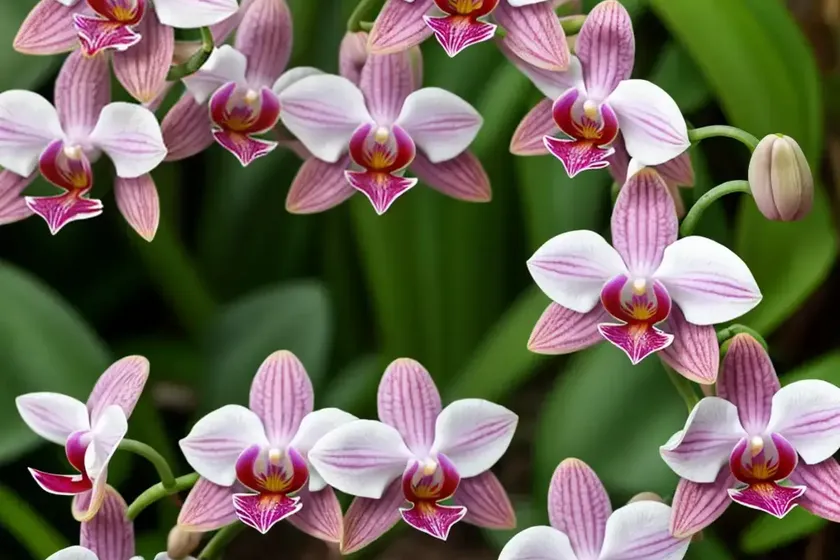
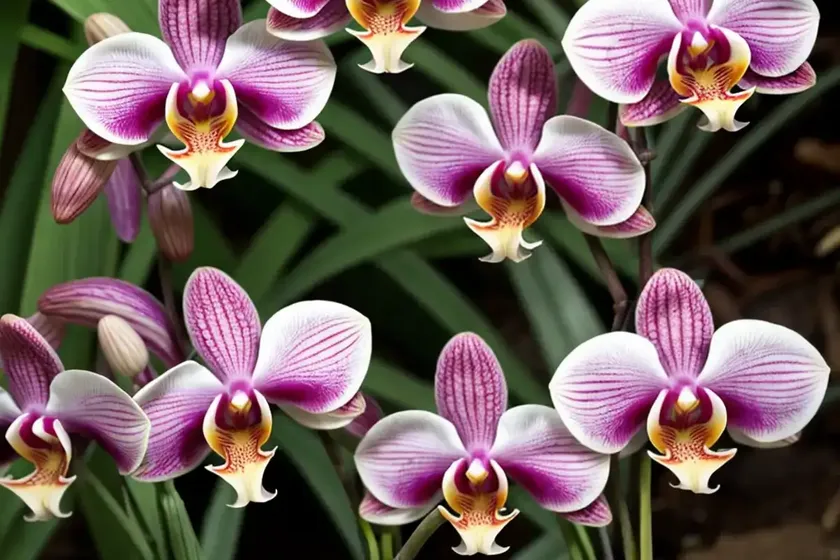
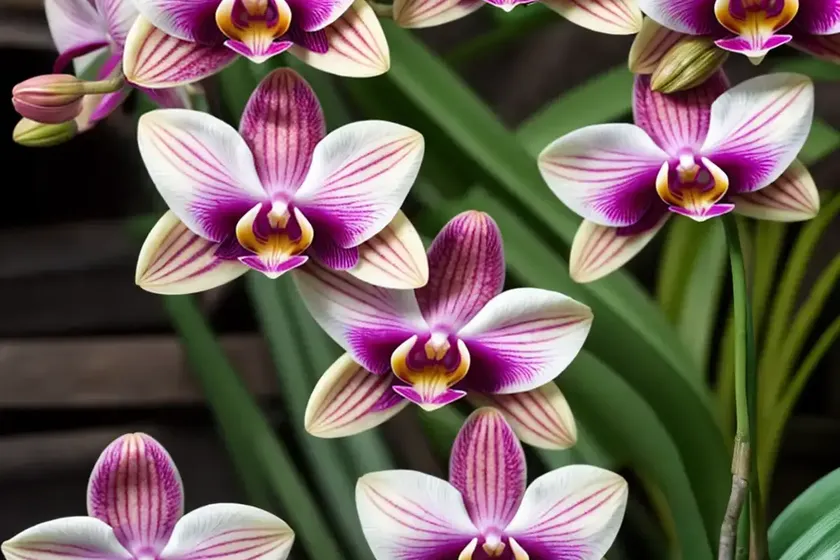
Spathoglottis plicata, commonly referred to as the Philippine Ground Orchid, is a terrestrial orchid species native to Southeast Asia, including the Philippines. With its distinctive sword-shaped leaves and vibrant, long-lasting flowers, the Spathoglottis plicata has garnered widespread popularity among horticulturists and gardeners for its ornamental value.
Key Takeaways – Philippine Ground Orchid (Spathoglottis plicata)
- Common Name: Philippine Ground Orchid
- Scientific Name: Spathoglottis plicata
- Family: Orchidaceae
- Native Habitat: Southeast Asia, particularly the Philippines
- Flowering Season: Throughout the year, with peak blooms during the warmer months
- Growth Habit: Terrestrial, forming clumps of lush foliage and colorful flower spikes
- Uses: Ornamental purposes, landscaping, and indoor cultivation
- Hardiness Zones: Suitable for tropical and subtropical regions
Now that we have an overview of the Philippine Ground Orchid, let’s explore the key factors that contribute to its successful cultivation and care.
Culture
Water
Proper watering is crucial for the health and vitality of Spathoglottis plicata. As a terrestrial orchid, it thrives in consistently moist, well-draining soil. During the growing season, which corresponds to warmer months, regular watering is essential to keep the soil evenly moist. However, it’s important to avoid overwatering, which can lead to root rot and other moisture-related issues.
To maintain an optimal moisture level, consider the following watering guidelines for Spathoglottis plicata:
- Water the orchid in the morning to allow excess moisture to evaporate during the day.
- Use room-temperature water to avoid shocking the plant’s roots.
- Allow the top inch of the soil to dry out slightly before watering again, adjusting the frequency based on the ambient temperature and humidity levels.
Sunlight
Proper sunlight exposure is crucial for the Spathoglottis plicata to thrive and bloom abundantly. As a tropical orchid species, it favors bright, indirect light and can tolerate partial shade. When grown outdoors, it’s best to position the orchid in a location with dappled sunlight or filtered light to prevent leaf scorching.
Indoor cultivation requires a well-lit area, such as a south-facing window with sheer curtains to diffuse the light. Avoid exposing the orchid to direct sunlight, especially during the hottest hours of the day, as this can lead to sunburn and heat stress.
Fertilizer
Fertilizing Spathoglottis plicata is essential for promoting healthy growth and robust flowering. A balanced, water-soluble orchid fertilizer with a formulation of 20-20-20 or similar N-P-K ratio is well-suited for this orchid species. During the active growing season, which typically coincides with warmer months, apply a diluted fertilizer solution every two to three weeks to provide the necessary nutrients for vibrant blooms and vigorous foliage growth.
When selecting a fertilizer for Spathoglottis plicata, consider the following points:
- Choose a fertilizer specifically formulated for orchids, as these products contain essential trace elements and micronutrients tailored to the needs of orchid plants.
- Follow the manufacturer’s instructions for dilution and application, as over-fertilizing can lead to salt build-up and root damage.
Soil
Optimal soil conditions are fundamental for the successful cultivation of Spathoglottis plicata. This terrestrial orchid thrives in a well-draining, organic-rich potting mix that mimics its natural habitat in tropical regions. A blend of coarse orchid bark, perlite, and peat moss creates an ideal growing medium that balances water retention with good aeration.
When repotting Spathoglottis plicata or establishing it in a new container, consider the following soil requirements:
- Use a potting mix specifically formulated for orchids, or create a custom blend by combining components such as bark chips, coconut husk, and charcoal.
- Ensure that the potting medium allows excess water to drain freely to prevent waterlogged conditions, which can harm the orchid’s roots.
Pruning
Pruning is an essential aspect of Spathoglottis plicata care, contributing to the plant’s overall health and aesthetic appeal. Regular pruning helps maintain a tidy growth habit, removes spent flower spikes, and encourages the orchid to channel its energy into new growth and blooming.
When pruning Spathoglottis plicata, consider the following guidelines:
- Use sterile pruning shears or scissors to prevent the spread of potential diseases.
- Remove faded or yellowing leaves to promote air circulation and reduce the risk of fungal issues.
- After the flowering season, trim back any remaining flower spikes to encourage the development of new blooms and prevent the plant from expending energy on seed production.
- Inspect the plant regularly for signs of pests, diseases, or dead foliage, and promptly remove any affected or damaged parts to prevent the spread of problems.
Propagation
Propagating Spathoglottis plicata allows enthusiasts to expand their orchid collection and share the beauty of this species with others. While the primary method of propagation for Spathoglottis plicata is through division, it’s possible to propagate the orchid from seed, although this technique requires more time, patience, and specific environmental conditions.
Division
Dividing mature Spathoglottis plicata plants is a reliable technique for propagation, as it allows the creation of new, independent plants from established specimens. Division is typically performed during the orchid’s active growing phase, which aligns with the warmer months when the plant exhibits vigorous growth and blooming.
Follow these steps to propagate Spathoglottis plicata through division:
- Carefully remove the orchid from its container and gently shake off the excess growing medium to expose the rhizomes and root system.
- Using a clean, sharp tool such as a sterile knife or pruning shears, divide the plant into sections, ensuring that each division has healthy roots and at least one growth point or pseudobulb.
- Plant the divisions in separate containers filled with a suitable orchid potting mix, and water the newly potted divisions thoroughly to settle the growing medium around the roots.
- Place the newly divided plants in a shaded area with stable humidity and provide appropriate care to support their establishment and growth.
Container Popularity
Spathoglottis plicata’s adaptability and attractive ornamental features have made it a popular choice for container gardening, both indoors and outdoors. Whether grown in decorative pots on patios, balconies, or windowsills, this orchid species adds a burst of color and elegance to any space.
Indoor Cultivation
When grown indoors, Spathoglottis plicata thrives in well-lit areas with bright, indirect sunlight and consistent humidity levels. Select a container with drainage holes to prevent waterlogging, and use a suitable orchid potting mix to provide the necessary support and nutrients for the plant’s growth.
Outdoor Gardening
For outdoor container gardening, choose spacious pots or containers that allow ample room for the orchid’s root system to spread and develop. Position the containers in locations with filtered sunlight, and consider grouping multiple Spathoglottis plicata plants together to create a captivating display of colors and textures.
Common Diseases
Despite being resilient plants, Spathoglottis plicata can be susceptible to certain diseases and health issues, particularly when grown in suboptimal conditions or exposed to environmental stressors. Identifying and addressing common diseases promptly is crucial for maintaining the overall health and vigor of the orchid.
Disease Diagnosis
When observing Spathoglottis plicata for signs of disease, pay attention to the following symptoms and indicators of potential problems:
- Leaf Spots: Circular or irregularly shaped spots on the leaves, often accompanied by yellowing or browning of the affected areas.
- Fungal Infections: Visible mold or mildew growth on the leaves, pseudobulbs, or flower spikes, indicating fungal issues.
- Rotting Roots: Soft, discolored, or foul-smelling roots, signaling root rot or fungal infections in the root system.
- Stunted Growth: Reduced vigor, lack of new growth, or failure to bloom despite adequate care and environmental conditions.
Common Pests
In addition to diseases, Spathoglottis plicata may encounter various pests that can compromise its health and appearance if left unchecked. By monitoring the orchids regularly and implementing appropriate pest management strategies, it’s possible to minimize the impact of common orchid pests.
Pests
Common pests that may affect Spathoglottis plicata include:
- Aphids: Small, soft-bodied insects that congregate on the undersides of leaves and feed on plant juices, causing distortion and yellowing of the foliage.
- Scale Insects: Hard, shell-like pests that attach themselves to the stems and leaves, sucking sap from the plant and leading to weakened growth.
- Spider Mites: Tiny arachnids that create fine webbing on the plant and cause stippling, discoloration, and leaf drop due to their feeding activity.
- Thrips: Slim, elongated insects that feed on flower buds and young foliage, causing distorted growth and silvery stippling on the affected plant parts.
Pest Control
To manage and control pests on Spathoglottis plicata, consider the following integrated pest management strategies:
- Natural Predators: Encourage the presence of beneficial insects such as ladybugs, lacewings, and predatory mites, which can help control pest populations.
- Horticultural Oils: Use horticultural oils or insecticidal soaps to suffocate and eliminate soft-bodied pests such as aphids and spider mites.
- Neem Oil: Apply neem oil-based products to deter and disrupt the life cycle of various orchid pests, acting as a natural insect growth regulator.
Botanist’s Tips
As a plant scientist and enthusiast, I’ve gathered invaluable insights and tips for cultivating Spathoglottis plicata based on years of research and hands-on experience with this beautiful orchid species. Here are some expert recommendations for successfully growing and caring for Philippine Ground Orchids:
- Selecting the Right Container: When choosing a container for Spathoglottis plicata, opt for pots with drainage holes and sufficient depth to accommodate the plant’s root system comfortably.
- Temperature and Humidity: Provide stable temperature and humidity levels conducive to the orchid’s growth, aiming for daytime temperatures between 70-85°F (21-29°C) and relative humidity of 50-70%.
- Growth Support: Stake tall or leggy flower spikes to provide support and prevent bending or breakage, especially in windy outdoor conditions.
- Cultural Practices: Monitor the plant closely for any changes in growth, foliage appearance, or flowering patterns, as these indicators can provide valuable insights into the plant’s overall health and well-being.
Fun Facts
Discover fascinating and little-known facts about Spathoglottis plicata:
- Spathoglottis plicata is commonly known as the “Ground Orchid” due to its terrestrial growth habit, distinguishing it from other epiphytic orchid species.
- The vibrant flower colors of Spathoglottis plicata range from shades of pink, purple, and white to rich magenta and yellow, creating a stunning display of natural beauty.
- In some cultures, the flowers of Spathoglottis plicata are used for traditional ornamental purposes and floral adornments during festive occasions and celebrations.
Links to External Resources
Explore additional resources and information about Spathoglottis plicata and orchid cultivation:
In conclusion, the Philippine Ground Orchid (Spathoglottis plicata) is a captivating and resilient orchid species that rewards enthusiasts with its striking blooms and adaptable nature. Whether grown in containers, tropical landscapes, or indoor settings, Spathoglottis plicata continues to enchant plant lovers with its vibrant flowers and graceful presence. By understanding its cultural requirements, propagation methods, and potential challenges, we can cultivate and appreciate this extraordinary orchid species with confidence and joy.


