Philadelphus Pubescens (Hoary Mock Orange)
Plants have a unique way of adding beauty, fragrance, and life to our surroundings. They come in various forms, from delicate flowers to towering trees.
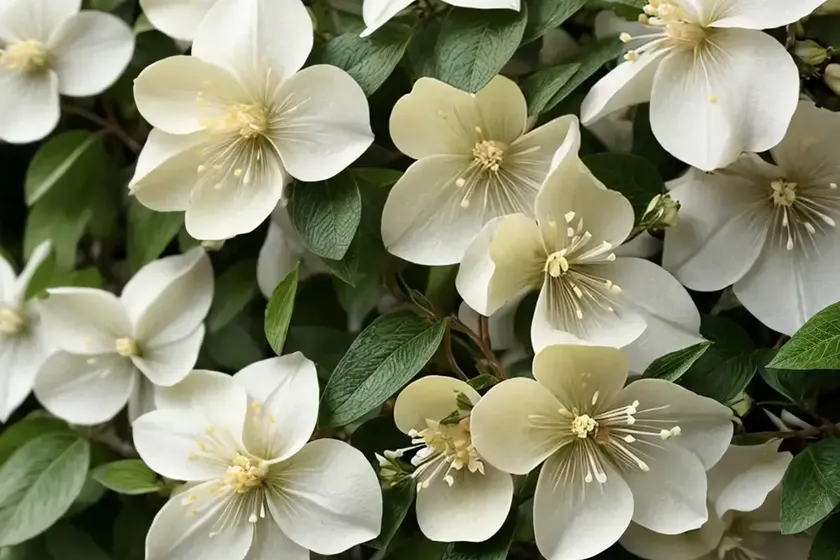
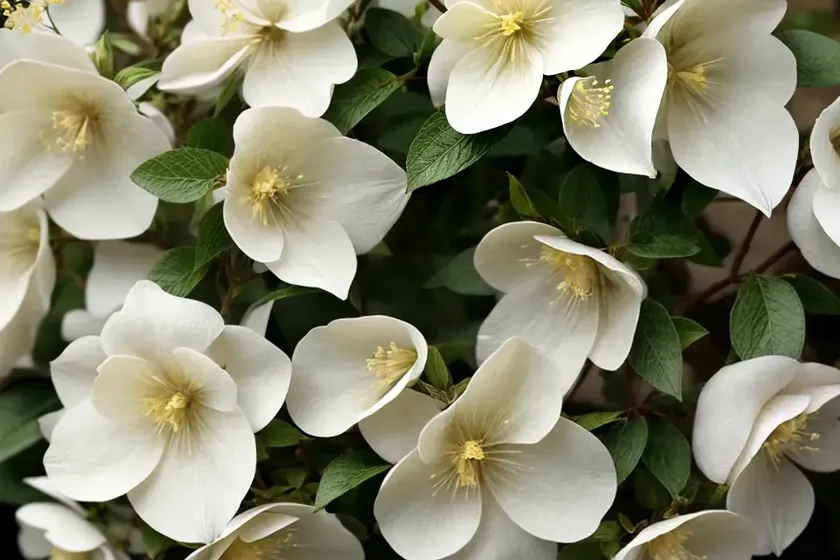
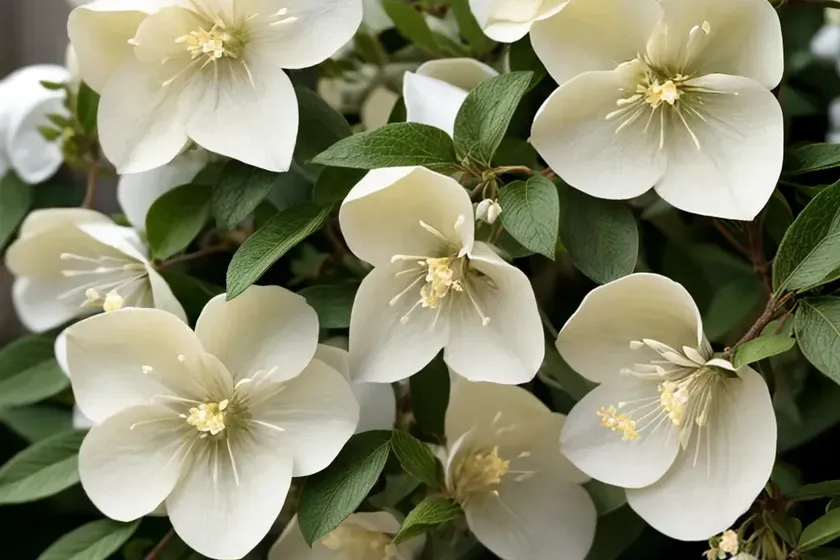
Plants have a unique way of adding beauty, fragrance, and life to our surroundings. They come in various forms, from delicate flowers to towering trees, and contribute to the overall aesthetic of any landscape. One such plant that stands out for its beauty and fragrance is the Philadelphus pubescens or Hoary Mock Orange. If you are looking to enhance your garden with a stunning and aromatic shrub, then this comprehensive guide will provide you with all the information you need to cultivate and care for the Philadelphus pubescens.
What is Philadelphus pubescens (Hoary Mock Orange)?
Philadelphus pubescens, commonly known as Hoary Mock Orange, is a species of flowering plant in the Hydrangeaceae family. This deciduous shrub is native to North America, particularly found in regions with moist soils such as stream banks, rocky slopes, and wooded areas. The name “Hoary” is derived from the fine, silky hairs that cover its leaves and stems, giving it a distinct appearance.
The Hoary Mock Orange is renowned for its fragrant, creamy-white flowers that bloom in late spring to early summer. Its delightful citrus-like scent and attractive appearance make it a popular choice for garden enthusiasts and landscaping projects. The shrub’s arching branches and bright green foliage add to its ornamental appeal, making it a versatile addition to gardens, borders, and naturalistic landscapes.
Key Takeaways – Philadelphus pubescens (Hoary Mock Orange)
Before delving into the specific care and cultivation details of the Philadelphus pubescens, here are some key takeaways that highlight the essential aspects of this charming shrub:
- Botanical Name: Philadelphus pubescens
- Common Name: Hoary Mock Orange
- Family: Hydrangeaceae
- Native Habitat: North America
- Foliage: Deciduous, with finely hairy leaves
- Flowers: Fragrant, creamy-white, appearing in late spring to early summer
- Fragrance: Citrus-like, sweet, and pleasant
- Uses: Ornamental, landscaping, fragrance, wildlife attraction
Now, let’s explore the various facets of growing and caring for Philadelphus pubescens, ranging from its cultural requirements to propagation techniques, and the common diseases and pests that may affect this delightful shrub.
Culture
Cultivating and nurturing Philadelphus pubescens requires an understanding of its specific cultural needs. Whether you are a novice gardener or an experienced horticulturist, providing the right conditions for this shrub is essential to ensure its healthy growth and abundant flowering.
Water
Proper watering is crucial for the health and vitality of Philadelphus pubescens. While these shrubs exhibit good drought tolerance once established, they thrive in moist, well-drained soils. During the initial establishment period, regular watering is necessary to help the plant develop a robust root system. Once the shrub is well-established, it is important to maintain moderate soil moisture, especially during periods of dry spells or hot weather.
Sunlight
Philadelphus pubescens flourishes in full sun to partial shade. When selecting a planting location for the shrub, it is advisable to choose a site that receives at least 6-8 hours of direct sunlight daily. However, it can also tolerate some shade, particularly in locations with intense afternoon sun or in hot climates.
Fertilizer
Applying a balanced, slow-release fertilizer in spring can promote healthy growth and abundant flowering in Philadelphus pubescens. A general-purpose fertilizer with a balanced NPK (nitrogen, phosphorus, potassium) ratio is suitable for this shrub. It is important to follow the recommended application rates to prevent over-fertilization, which can lead to excessive foliage growth at the expense of flower production.
Soil
The Philadelphus pubescens thrives in well-drained, fertile soils with a slightly acidic to neutral pH. Loamy or sandy loam soils are ideal for the shrub’s growth, providing ample aeration and moisture retention. As with many plants, ensuring good soil structure and fertility is essential for the overall health and vigor of Philadelphus pubescens.
Pruning
Pruning is an important aspect of maintaining the shape, size, and flowering performance of Philadelphus pubescens. Proper pruning not only enhances the shrub’s aesthetic appeal but also rejuvenates older wood, leading to vigorous new growth and bountiful blooms.
Pruning Timing
The best time to prune Philadelphus pubescens is immediately after flowering, typically in late spring to early summer. Pruning at this time allows the shrub to set new buds for the following year while also removing any spent flowers or damaged growth.
Pruning Techniques
When pruning Philadelphus pubescens, focus on removing old, woody stems and any crossed or congested branches to improve air circulation and sunlight penetration. Additionally, light pruning can be done to maintain a desirable shape and size, promoting a more compact growth habit. Removal of dead or diseased wood should also be part of regular pruning practices.
Propagation
The propagation of Philadelphus pubescens can be achieved through various methods, including softwood cuttings, hardwood cuttings, and layering. Each propagation technique offers an effective way to multiply the shrub and create new plants for additional garden beds or landscaping projects.
Softwood Cuttings
Softwood cuttings are taken from young, tender growth and are best harvested in late spring to early summer. These cuttings are typically 4-6 inches long and should be planted in a well-draining propagation medium, such as a mix of peat and perlite. Rooting hormone application can aid in the development of roots and improve the success rate of softwood cuttings.
Hardwood Cuttings
Hardwood cuttings are collected from mature, woody stems during the dormant season, typically in late winter to early spring. These cuttings are longer than softwood cuttings, around 6-8 inches, and are planted in a similar rooting medium as softwood cuttings. While the success rate may be lower than softwood cuttings, hardwood cuttings offer an alternative propagation method for Philadelphus pubescens.
Layering
Layering is a natural propagation method that can be facilitated by bending a low-hanging branch of the shrub and burying a portion of it in the soil. The buried section of the stem will develop roots over time, and once rooted, it can be separated from the parent plant and transplanted to a new location.
Container Popularity
The Philadelphus pubescens is well-suited for container gardening, offering an opportunity to enjoy its beauty and fragrance in various outdoor settings, such as patios, balconies, and terraces. When growing Philadelphus pubescens in containers, it is essential to select a pot with adequate drainage holes to prevent waterlogging and ensure proper aeration for the roots.
Container Requirements
- Pot Size: Choose a container that provides ample space for the shrub’s root system to develop. A pot with a diameter of at least 18-24 inches is suitable for accommodating the growth of Philadelphus pubescens.
- Drainage: Proper drainage is critical for container-grown Philadelphus pubescens. Ensure the pot has drainage holes at the bottom to prevent water from accumulating in the soil, which can lead to root rot and other moisture-related issues.
- Potting Mix: Use a high-quality, well-draining potting mix that is specifically formulated for shrubs and ornamental plants. A mix enriched with organic matter and perlite can provide a balanced environment for the shrub’s roots.
Common Diseases
Like many plants, Philadelphus pubescens is susceptible to certain diseases, although it is generally considered to be relatively disease-resistant when provided with proper care and growing conditions. Understanding the common diseases that may affect the shrub can help in implementing preventive measures and timely interventions to maintain its health.
Disease Diagnosis
- Powdery Mildew: Powdery mildew is a fungal disease that can affect the foliage of Philadelphus pubescens, causing a powdery white coating on the leaves. Proper air circulation and avoiding overhead watering can help prevent this disease.
- Leaf Spot: Leaf spot diseases can manifest as dark or discolored spots on the leaves of the shrub. Maintaining good sanitation and removing affected foliage can help control the spread of leaf spot.
Common Pests
In addition to diseases, Philadelphus pubescens may encounter certain pests that can impact its growth and overall vigor. Vigilance and prompt action are important in managing pest infestations and preserving the health of the shrub.
Pests to Watch For
- Aphids: Aphids are small, sap-feeding insects that can cluster on the tender shoots and new growth of Philadelphus pubescens. They can be controlled through natural predators, insecticidal soaps, or horticultural oils.
- Scale Insects: Scale insects may appear as small, waxy bumps on the stems and leaves of the shrub. Pruning out heavily infested branches and using horticultural oils can help manage scale insect populations.
Botanist’s Tips
Fun Facts
- The fragrance of Philadelphus pubescens is often described as reminiscent of orange blossoms, giving rise to its common name, Mock Orange.
- The shrub’s delicate, white flowers are not only visually appealing but also attract pollinators such as bees and butterflies, adding to its ecological significance.
Links to External Resources
For further information on Philadelphus pubescens and related topics, you can refer to the following resources:
- The Royal Horticultural Society (RHS) – A comprehensive source for plant profiles, gardening advice, and horticultural resources.
- Missouri Botanical Garden – An educational platform offering extensive botanical information and research-based content.
Conclusion
In conclusion, Philadelphus pubescens or Hoary Mock Orange is a captivating and fragrant shrub that holds immense appeal for gardeners, plant enthusiasts, and landscape designers alike. Its charming blooms, delightful fragrance, and versatile characteristics make it a valuable addition to diverse outdoor settings, from formal gardens to naturalistic landscapes.
By understanding the specific cultural requirements, propagation techniques, and potential challenges associated with Philadelphus pubescens, you can successfully cultivate and care for this beautiful shrub, creating a vibrant and enchanting environment in your garden. Whether you are drawn to its fragrant flowers, ornamental foliage, or ecological contributions, the Hoary Mock Orange stands as a testament to the enduring charm of plant life in the natural world.
The detailed guide provides comprehensive insights into the cultivation and care of the Philadelphus pubescens shrub, encompassing its cultural requirements, propagation techniques, and pest and disease management. Whether you are a gardening enthusiast, horticulturalist, or simply an admirer of botanical beauty, the Philadelphus pubescens serves as a captivating addition to outdoor landscapes, enriching the sensory experience with its delightful fragrance and ornamental allure.


