Philadelphus Microphyllus (Littleleaf Mock Orange)
Plants have the remarkable ability to bring beauty and tranquility to any environment. With their unique characteristics and diverse uses, plants have a.
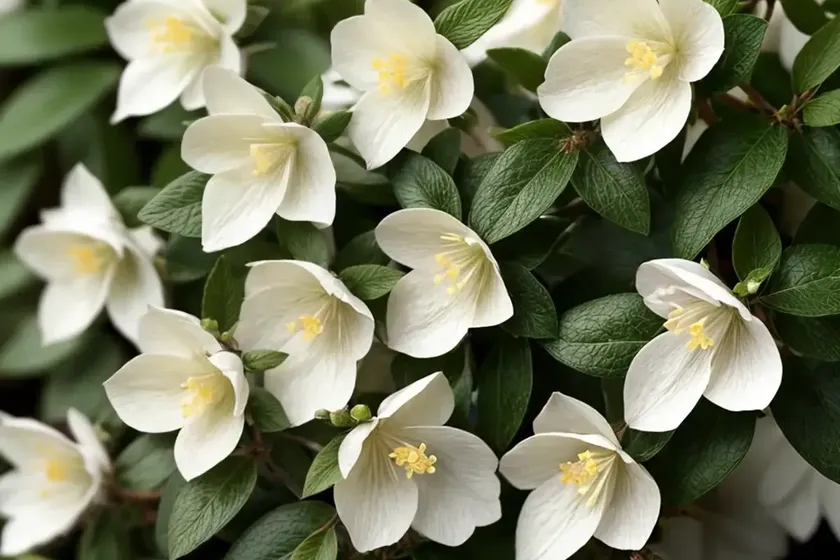
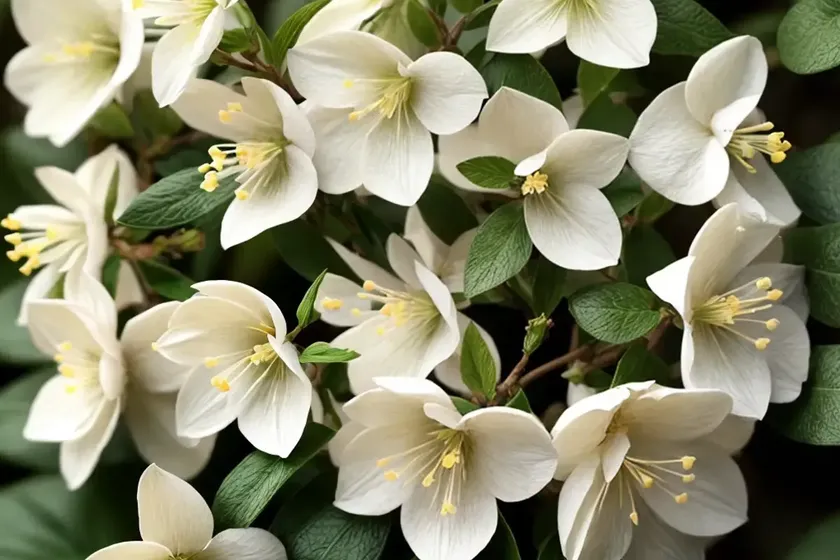
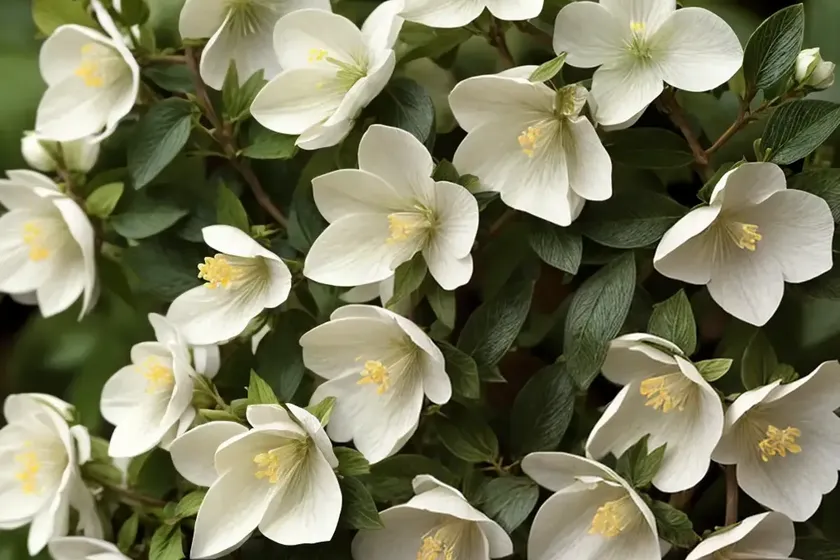
Plants have the remarkable ability to bring beauty and tranquility to any environment. With their unique characteristics and diverse uses, plants have a significant impact on our ecosystems and our daily lives. In this blog post, we will explore the fascinating world of Philadelphus microphyllus, commonly known as the Littleleaf Mock Orange. We will delve into its culture, uses, care tips, and much more, providing insights and knowledge for plant enthusiasts and gardeners alike.
What is Philadelphus microphyllus?
Philadelphus microphyllus, also known as the Littleleaf Mock Orange, is a species of flowering plant in the family Hydrangeaceae. This deciduous shrub is native to North America and is renowned for its fragrant white flowers and elegant appearance. The genus name “Philadelphus” is derived from the Greek words “phileo” (to love) and “adelphos” (brother), reflecting the close relationship of its flower parts. The specific epithet “microphyllus” refers to its small leaves, distinguishing it from other species within the genus.
Key Takeaways – Philadelphus microphyllus
Before delving into the specifics of the Littleleaf Mock Orange, let’s explore the key takeaways and characteristics of Philadelphus microphyllus:
- Common Name: Littleleaf Mock Orange
- Family: Hydrangeaceae
- Native Habitat: North America
- Foliage: Deciduous
- Flower: Fragrant white flowers
- Uses: Ornamental, landscaping
- Growth Habit: Compact, upright
- Hardiness Zones: 6-9
- Height: 3-6 feet
- Spread: 3-5 feet
- Water Needs: Average
- Sunlight: Partial shade to full sun
- Soil: Well-drained, fertile
- Fertilizer: Balanced, slow-release
- Pruning: After flowering
- Propagation: Softwood cuttings, division
- Common Diseases: Powdery mildew, leaf spot
- Common Pests: Aphids, scale insects
Now that we have an overview of Philadelphus microphyllus, let’s delve into its culture, care, and uses in more detail.
Culture
Uses
The Littleleaf Mock Orange is primarily prized for its ornamental qualities and is commonly utilized in landscaping and garden settings. Its fragrant white flowers and compact growth habit make it a popular choice for borders, hedges, and mixed shrubbery plantings. Additionally, its versatility extends to cottage gardens, wildlife gardens, and urban green spaces.
Water
When it comes to watering Philadelphus microphyllus, it is essential to maintain a balanced approach. While this shrub appreciates consistent moisture, especially during its establishment phase, it is crucial to avoid waterlogged conditions. Overly saturated soil can lead to root rot and other detrimental effects. A general guideline is to water deeply when the top inch of soil feels dry, providing enough moisture to penetrate the root zone without causing waterlogging.
Sunlight
In terms of sunlight requirements, the Littleleaf Mock Orange thrives in partial shade to full sun. While it can tolerate partial shade, providing ample sunlight encourages prolific flowering and overall vigorous growth. When selecting a planting location, consider the available sunlight throughout the day and aim to provide the optimum light conditions for the shrub.
Fertilizer
Fertilizing Philadelphus microphyllus is beneficial for promoting healthy growth and prolific flowering. A balanced, slow-release fertilizer applied in early spring provides the necessary nutrients for the growing season. Additionally, incorporating organic matter into the soil during planting or as a top dressing enriches the soil and supports the shrub’s overall vitality.
Soil
The ideal soil for Littleleaf Mock Orange is well-drained and fertile. It thrives in loamy, rich soils with good moisture retention. Amending the soil with organic matter, such as compost or well-rotted manure, helps maintain optimal soil structure and nutrient levels. Ensuring proper soil drainage is crucial, as Philadelphus microphyllus is susceptible to root rot in waterlogged conditions.
Pruning
Pruning is an essential aspect of Philadelphus microphyllus care, contributing to its overall health and aesthetic appeal. The best time to prune this shrub is after the flowering period, typically in late spring or early summer. Removing spent flowers and shaping the plant to maintain its desired form promotes vigorous growth and encourages the development of new flowering wood for the following season.
Propagation
The propagation of Philadelphus microphyllus can be accomplished through softwood cuttings and division. Softwood cuttings, taken in late spring or early summer, root readily under favorable conditions. Dividing established clumps in early spring allows for the propagation of new plants while rejuvenating the parent plant. By employing these propagation methods, gardeners can expand their Littleleaf Mock Orange collection and share the beauty of this shrub with others.
Container Popularity
While Philadelphus microphyllus is commonly grown in garden and landscape settings, it also possesses significant popularity in container gardening. Its compact growth habit and ornamental qualities make it an excellent choice for adorning patios, balconies, and other outdoor living spaces. When grown in containers, the Littleleaf Mock Orange requires regular watering, proper drainage, and occasional fertilization to support its growth and flowering.
Common Diseases
Despite its overall resilience, Philadelphus microphyllus is susceptible to certain diseases that can affect its health and aesthetic appeal. Among the common diseases that may impact the Littleleaf Mock Orange are powdery mildew and leaf spot. Powdery mildew, characterized by a powdery white coating on the foliage, can develop under conditions of high humidity and poor air circulation. Implementing cultural practices that promote good airflow and avoiding overhead watering can help mitigate the risk of powdery mildew. Leaf spot, manifested as dark spots on the leaves, can be managed through proper sanitation, removing and disposing of affected plant material, and ensuring balanced moisture levels.
Disease Diagnosis
When diagnosing diseases in Philadelphus microphyllus, careful observation of the plant’s foliage, stems, and overall appearance is essential. Any visible symptoms, such as discoloration, distortion, or unusual growth patterns, should be noted and examined closely. Additionally, monitoring environmental conditions, such as humidity levels and watering practices, can provide valuable insights into potential disease issues. If necessary, seeking guidance from plant health professionals or diagnostic laboratories can aid in accurate disease identification and targeted treatment strategies.
Common Pests
In addition to diseases, the Littleleaf Mock Orange may encounter various pests that can compromise its health and vigor. Common pests that gardeners should monitor for include aphids and scale insects. Aphids, small sap-sucking insects, can multiply rapidly and cause damage to the foliage, leading to stunted growth and distorted leaves. Scale insects, characterized by their protective shells, can weaken the plant by feeding on its sap and excreting honeydew, leading to sooty mold infestations. Employing integrated pest management practices, such as biological controls and horticultural oils, can effectively manage pest populations while minimizing the use of conventional insecticides.
Botanist’s Tips
To ensure the successful cultivation and care of Philadelphus microphyllus, it is valuable to consider the following botanist’s tips:
- Air Circulation: Promote good airflow around the shrub to reduce the risk of foliar diseases.
- Mulching: Apply a layer of organic mulch around the base of the plant to conserve moisture and suppress weed growth.
- Monitoring: Regularly monitor for pests, diseases, and overall plant health, addressing any issues promptly.
- Seasonal Care: Adjust watering and maintenance practices based on seasonal requirements, providing tailored care throughout the year.
Fun Facts
Explore these intriguing fun facts about Philadelphus microphyllus, adding to the allure of the Littleleaf Mock Orange:
- The fragrant flowers of Philadelphus microphyllus attract pollinators, including bees and butterflies, contributing to the biodiversity of garden ecosystems.
- The Littleleaf Mock Orange is known for its timeless elegance and has been cherished by gardeners for generations, standing as a testament to its enduring appeal.
- In addition to its ornamental value, Philadelphus microphyllus holds cultural significance in traditional herbal medicine, with historical uses as a natural remedy for certain ailments.
Links to External Resources
For further information and resources on Philadelphus microphyllus and related topics, explore the following external links:
- Royal Horticultural Society – Philadelphus microphyllus
- Missouri Botanical Garden – Littleleaf Mock Orange
- University of Florida IFAS Extension – Philadelphus microphyllus Fact Sheet
In conclusion, the captivating allure of Philadelphus microphyllus as the Littleleaf Mock Orange extends beyond its fragrant blooms, embodying a plant with cultural, ecological, and aesthetic significance. By understanding its culture, care requirements, and uses, we can appreciate the unique qualities of this shrub and cultivate it to enrich our gardens and natural environments. Immerse yourself in the world of horticulture and embrace the beauty of the Littleleaf Mock Orange, an emblem of botanical splendor.
Keywords: Philadelphus microphyllus care, Littleleaf Mock Orange plant, Philadelphus microphyllus pruning, Littleleaf Mock Orange shrub, Philadelphus microphyllus propagation, Littleleaf Mock Orange flowering, Philadelphus microphyllus varieties, Littleleaf Mock Orange landscaping, Philadelphus microphyllus growth, Littleleaf Mock Orange diseases, Philadelphus microphyllus planting tips, Littleleaf Mock Orange maintenance, Philadelphus microphyllus landscaping ideas, Littleleaf Mock Orange sunlight requirements, Philadelphus microphyllus blooming, Littleleaf Mock Orange soil requirements, Philadelphus microphyllus fertilizing, Littleleaf Mock Orange water needs, Philadelphus microphyllus pruning techniques, Littleleaf Mock Orange pest control, Philadelphus microphyllus companion plants, Littleleaf Mock Orange container gardening, Philadelphus microphyllus climate preferences, Littleleaf Mock Orange wildlife attraction, Philadelphus microphyllus hardiness zones, Littleleaf Mock Orange seasonal care, Philadelphus microphyllus soil pH, Littleleaf Mock Orange bloom time, Philadelphus microphyllus fragrance, Littleleaf Mock Orange root system, Philadelphus microphyllus leaf shape, Littleleaf Mock Orange pruning tips, Philadelphus microphyllus hybrid varieties, Littleleaf Mock Orange mature size, Philadelphus microphyllus water retention, Littleleaf Mock Orange container care, Philadelphus microphyllus sun exposure, Littleleaf Mock Orange leaf color, Philadelphus microphyllus pollinators, Littleleaf Mock Orange evergreen qualities, Philadelphus microphyllus winter protection, Littleleaf Mock Orange landscape design, Philadelphus microphyllus toxicity, Littleleaf Mock Orange foliage density, Philadelphus microphyllus transplanting tips, Littleleaf Mock Orange deer resistance, Philadelphus microphyllus native habitat, Littleleaf Mock Orange site selection, Philadelphus microphyllus flowering season, Littleleaf Mock Orange drought tolerance


