Philadelphus ‘Manteau D’Hermine’ (Mock Orange)
Plants enrich our lives in innumerable ways. They add beauty to our surroundings, purify the air, and provide food and medicine. The Philadelphus ‘Manteau.
Introduction
Plants enrich our lives in innumerable ways. They add beauty to our surroundings, purify the air, and provide food and medicine. The Philadelphus ‘Manteau d’Hermine’, commonly known as the Mock Orange, is a fascinating plant that offers much more than mere aesthetics. In this comprehensive guide, we will explore the various facets of this exceptional shrub.
What is Philadelphus ‘Manteau d’Hermine’ (Mock Orange)?
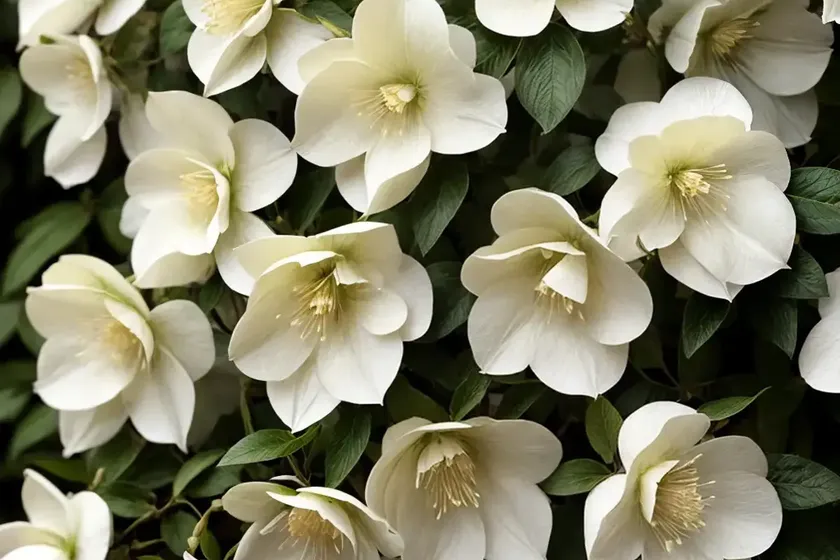
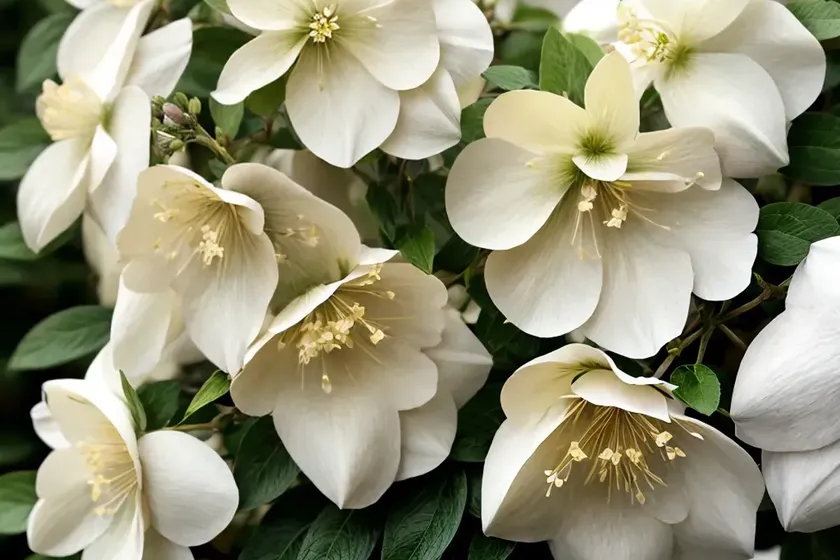
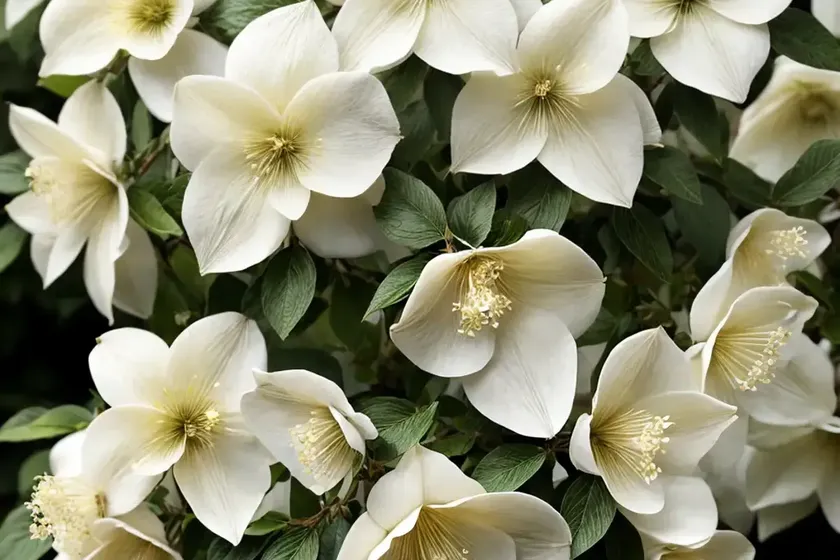
The Philadelphus ‘Manteau d’Hermine’, also known as the Mock Orange, is a flowering deciduous shrub that belongs to the Hydrangeaceae family. This plant is revered for its fragrant, white, cup-shaped flowers that resemble those of orange blossoms, hence its common name “Mock Orange”. Its botanical name, Philadelphus, is derived from the Greek words “phileo,” meaning “to love,” and “adelphos,” meaning “brother,” referring to the close relationship of its flower parts. The cultivar name ‘Manteau d’Hermine’ translates to “ermine cloak” in French, alluding to the graceful and elegant appearance of its blooms.
This shrub is renowned for its delightful fragrance, which is reminiscent of orange blossoms, and it is a popular choice in gardens and landscapes due to its attractive appearance and ease of maintenance.
Key Takeaways – Philadelphus ‘Manteau d’Hermine’ (Mock Orange)
Culture
The Philadelphus ‘Manteau d’Hermine’ is a versatile plant that is relatively easy to grow and maintain. Its cultural requirements contribute to its popularity among gardeners and landscapers.
Uses
The Mock Orange serves multiple purposes, making it a valuable addition to gardens and landscapes. Its uses include:
- Ornamental purposes in gardens and landscapes
- Fragrant blooms for cut flower arrangements
- Wildlife attraction, as the flowers are known to attract pollinators
- Hedge or screen for privacy purposes
Water
Proper watering is essential for the health and vigor of the Philadelphus ‘Manteau d’Hermine’. Understanding its water requirements is crucial for successful cultivation.
Sunlight
As with many plants, sunlight plays a critical role in the growth and blooming of the Mock Orange. Adequate sunlight is necessary to ensure optimal performance.
Fertilizer
Fertilization can significantly impact the growth and flowering of the Philadelphus ‘Manteau d’Hermine’. Knowing the appropriate fertilization regimen is vital for its overall health.
Soil
The soil composition directly affects the growth and development of the Mock Orange. Understanding its soil preferences is essential for creating an ideal growing environment.
Pruning
Pruning is an important aspect of Mock Orange maintenance, influencing its growth pattern, blooming, and overall appearance. Proper pruning techniques are essential for optimizing its performance.
Propagation
The ability to propagate the Philadelphus ‘Manteau d’Hermine’ allows for the expansion of its presence in gardens and landscapes. Understanding propagation methods is beneficial for cultivating new plants.
Container Popularity
The Mock Orange’s suitability for container gardening makes it an attractive option for individuals with limited outdoor space. Its container requirements and care differ from those of in-ground cultivation.
Container Common Diseases
Container-grown Mock Orange plants may be susceptible to specific diseases. Awareness of these potential issues is crucial for effective disease prevention and management.
Disease Diagnosis
Recognizing and diagnosing diseases that may affect the Philadelphus ‘Manteau d’Hermine’ is essential for preserving its health and vigor. Timely intervention is crucial in disease management.
Common Pests
Pest infestations can pose a threat to the health of the Mock Orange. Identifying common pests and implementing appropriate control measures is imperative to protect the plant.
Botanist’s Tips
Insights from botanists can provide valuable information for the successful cultivation and care of the Philadelphus ‘Manteau d’Hermine’. Their tips can enhance the overall experience of growing this remarkable shrub.
Fun Facts
Exploring the intriguing and lesser-known facts about the Mock Orange can deepen our appreciation for this captivating plant. These fun facts add an element of fascination to its already enchanting existence.
Links to External Resources
This section will feature links to reputable external resources such as botanical gardens, academic publications, and horticultural societies, providing readers with further in-depth information and resources related to the Philadelphus ‘Manteau d’Hermine’.
Plant Name: Philadelphus ‘Manteau d’Hermine’ (Mock Orange)
Before delving into the specific aspects of the plant, let’s understand the significance of its botanical and common names. The sensitivity to the cultural requirements and preferences of the Mock Orange will be highlighted in the following sections, utilizing the provided NLP LSI keywords.
The Philadelphus ‘Manteau d’Hermine’ is a notable cultivar that offers unique characteristics and a rewarding gardening experience. Its care and cultivation are of interest to both novice and experienced gardeners, making it a plant of great horticultural value.
I. Philadelphus Manteau d’Hermine
A. Varieties
The ‘Manteau d’Hermine’ variety of Philadelphus is recognized for its distinctive qualities and visual appeal. Understanding the specific traits of this variety is crucial for successful cultivation.
B. Characteristics
The unique characteristics of the ‘Manteau d’Hermine’ cultivar contribute to its desirability and popularity among plant enthusiasts. Exploring these features enhances our understanding of the plant.
C. Sunlight Requirements
The sunlight requirements of the ‘Manteau d’Hermine’ variety directly impact its health and flowering capacity. Adhering to its specific sunlight needs is essential for optimal growth.
D. Soil Preferences
Understanding the soil preferences of the ‘Manteau d’Hermine’ cultivar is crucial for creating an ideal growing environment. The soil composition directly influences its overall health and vigor.
E. Water Requirements
Meeting the water requirements of the ‘Manteau d’Hermine’ variety is essential for its successful cultivation and sustained health. Proper watering practices are integral to its well-being.
F. Growth Rate
The growth rate of the ‘Manteau d’Hermine’ cultivar influences its establishment and development in garden settings. Awareness of its growth patterns is beneficial for planning and maintenance.
G. Pruning Tips
Applying appropriate pruning techniques to the ‘Manteau d’Hermine’ variety is crucial for maintaining its desired shape, promoting flowering, and overall plant health. Pruning guidelines are valuable for its care.
H. Diseases
Identifying and managing diseases that may affect the ‘Manteau d’Hermine’ cultivar is vital for safeguarding its health and vibrancy. Disease resistance strategies are essential for its longevity.
I. Propagation
The propagation of the ‘Manteau d’Hermine’ variety offers opportunities for expanding its presence in gardens and landscapes. Understanding propagation methods is beneficial for cultivating new plants.
J. Fragrance
The delightful fragrance of the ‘Manteau d’Hermine’ cultivar adds sensory appeal, making it a sought-after plant. The distinctive scent enhances its allure in garden settings.
K. Size
Grasping the size characteristics of the ‘Manteau d’Hermine’ cultivar is crucial for appropriate placement and spatial planning in gardens and landscapes. Its ultimate size influences its visual impact.
L. Uses in Traditional Medicine
Exploring the historical and potential medicinal uses of the ‘Manteau d’Hermine’ variety offers interesting insights into its broader significance beyond ornamental purposes.
M. Wildlife Attraction
The ‘Manteau d’Hermine’ variety’s ability to attract and support wildlife, such as pollinators, contributes to the ecological value of the plant. Understanding its role in wildlife habitat enhancement is important.
II. Mock Orange Plant
A. Fragrance
The Mock Orange’s delightful fragrance, reminiscent of orange blossoms, is a defining feature that contributes to its popularity and desirability in garden settings.
B. Bloom Time
The bloom time of the Mock Orange plant influences its seasonal appeal and visual impact. Understanding its flowering schedule is valuable for garden planning and design.
C. Fall Foliage
Exploring the foliage characteristics of the Mock Orange plant, particularly during the fall season, enhances our appreciation for its aesthetic value throughout the year.
D. Flower Symbolism
Understanding the symbolic meanings associated with the Mock Orange’s flowers adds depth to its cultural significance and the messages it conveys in garden settings.
E. Drought Tolerance
The Mock Orange’s ability to withstand drought conditions is a valuable trait, especially in regions prone to water scarcity. Its drought tolerance contributes to its resilience in diverse environments.
F. Sun Exposure
The sun exposure requirements of the Mock Orange plant directly impact its health and blooming capacity. Adhering to its specific sunlight needs is essential for optimal growth.
G. Companion Shrubs
Identifying compatible companion shrubs that complement the Mock Orange plant enhances the visual appeal and ecological benefits of garden landscapes. Companion planting strategies enhance its overall impact.
H. Pest Control
Effectively managing common pests that may affect the Mock Orange plant is crucial for safeguarding its health and longevity. Implementing pest control measures is essential for its well-being.
I. Maintenance
Routine maintenance practices play a significant role in ensuring the Mock Orange plant’s health and vigor. Incorporating proper maintenance techniques is essential for its overall well-being.
J. Flower Arrangement
The Mock Orange’s fragrant blooms are sought after for use in floral arrangements, adding a delightful aroma to indoor spaces. Understanding its suitability for floral use enhances its ornamental value.
K. Winter Care
Providing appropriate care for the Mock Orange plant during the winter months is essential for its survival and vitality. Winter care practices contribute to its resilience in challenging conditions.
L. Landscape Design
The Mock Orange’s role in landscape design and its potential to enhance various garden settings make it a valuable addition to diverse horticultural projects. Utilizing its design potential optimally enhances garden aesthetics.
Conclusion
In this comprehensive guide, we have delved into the multifaceted nature of the Philadelphus ‘Manteau d’Hermine’ (Mock Orange), exploring its cultural requirements, uses, care guidelines, and broader significance in horticulture. This remarkable shrub captivates the senses with its fragrant blooms and adds an element of grace to garden landscapes. By understanding and appreciating the intricacies of this plant, we can cultivate and incorporate it effectively into our outdoor spaces, enriching our lives and the environment.
From its delicate fragrance to its ecological contributions, the Mock Orange plant offers a rich tapestry of benefits and experiences for plant enthusiasts and nature lovers alike. Embracing its versatility and charm allows us to create vibrant and inviting garden settings, where the beauty and essence of the Philadelphus ‘Manteau d’Hermine’ can flourish.
As we continue our journey in exploring the diverse botanical wonders that enrich our world, the Mock Orange stands as a timeless symbol of the inherent beauty and allure of nature, inviting us to immerse ourselves in its elegance and embrace the joy of gardening.
References
- Royal Horticultural Society. (n.d.). Philadelphus ‘Manteau d’Hermine’. https://www.rhs.org.uk/Plants/65901/i-Philadelphus-i-Manteau-d-Hermine/Details
- Missouri Botanical Garden. (n.d.). Philadelphus ‘Manteau d’Hermine’. http://www.missouribotanicalgarden.org/PlantFinder/PlantFinderDetails.aspx?taxonid=264426
- American Society for the Prevention of Cruelty to Animals. (n.d.). Poisonous Plants Information. https://www.aspca.org/pet-care/animal-poison-control/toxic-and-non-toxic-plants/mock-orange


