Philadelphus Coronarius ‘Variegatus’ (Variegated Mock Orange)
The Philadelphus coronarius ‘Variegatus,’ commonly known as Variegated Mock Orange, is a delightful and versatile shrub that can bring beauty and charm to.
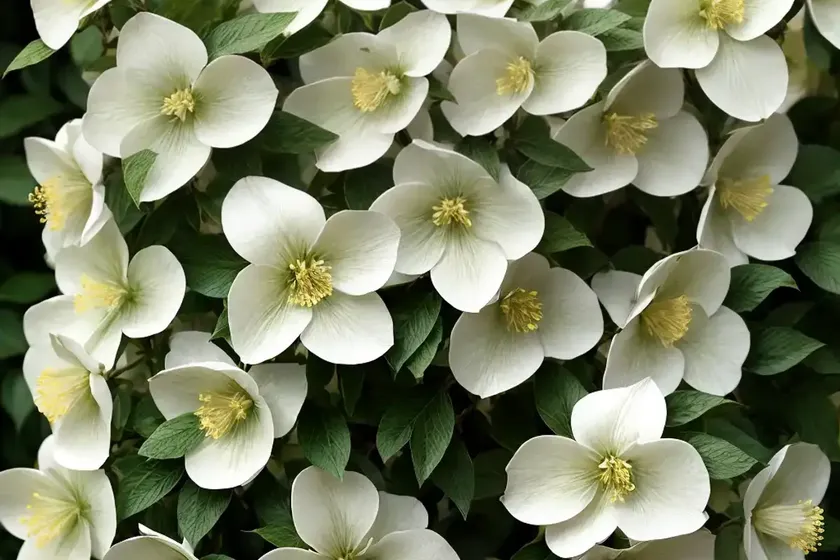
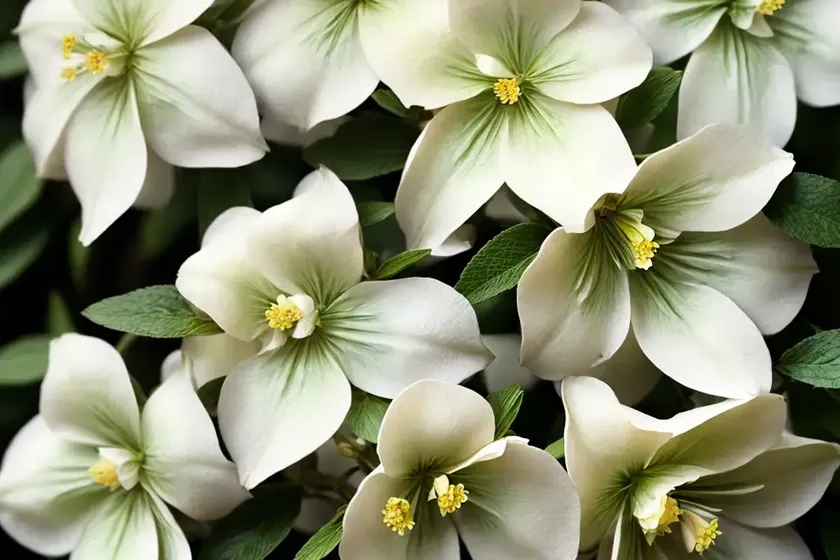
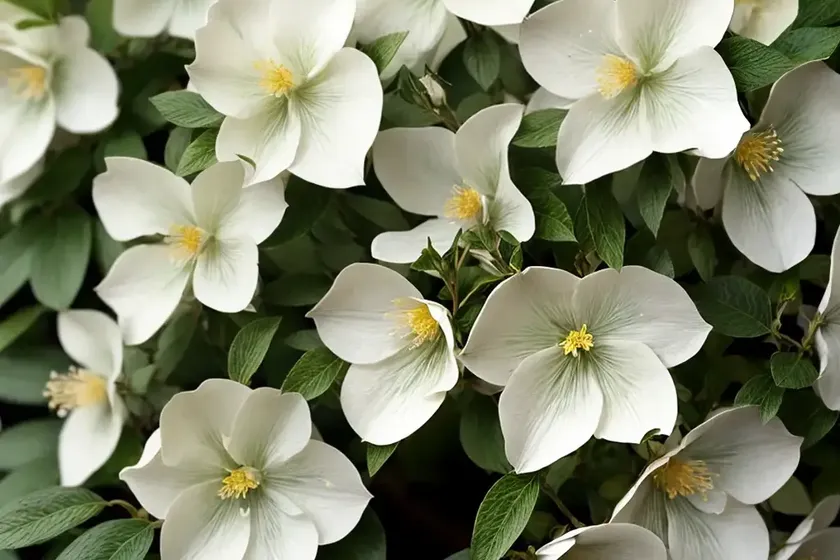
The Philadelphus coronarius ‘Variegatus,’ commonly known as Variegated Mock Orange, is a delightful and versatile shrub that can bring beauty and charm to any garden or landscape. Renowned for its striking variegated leaves and delicate white blossoms, this plant has captured the hearts of many gardeners and landscape enthusiasts.
In this extensive guide, we’ll delve into the various aspects of caring for and growing Philadelphus coronarius ‘Variegatus.’ From its cultural requirements and uses to its maintenance, common diseases, and ecological impact, we will explore every facet of this enchanting plant. Whether you’re a seasoned horticulturist or a novice gardener, this in-depth exploration will equip you with the knowledge and insight needed to cultivate and appreciate the Variegated Mock Orange to its fullest potential.
What is Philadelphus Coronarius ‘Variegatus’?
Philadelphus coronarius ‘Variegatus’ is a cultivar of the Philadelphus coronarius, also known as Mock Orange or Syringa. It is a deciduous shrub that belongs to the Hydrangeaceae family. One of its most distinctive features is its variegated leaves, which showcase a splendid blend of creamy white and green hues. The contrasting colors of the foliage provide visual interest throughout the growing season, making it an excellent choice for ornamental purposes.
This plant is renowned for its fragrant and delicate white blossoms, which typically emerge in late spring to early summer. The flowers exude a sweet and citrusy fragrance, adding to the allure of the Variegated Mock Orange and making it a sought-after addition to gardens and landscapes.
Key Takeaways – Philadelphus coronarius ‘Variegatus’
Before delving into the detailed characteristics and care requirements of the Variegated Mock Orange, let’s summarily outline the key takeaways associated with this plant.
- Scientific Name: Philadelphus coronarius ‘Variegatus’
- Common Name: Variegated Mock Orange
- Family: Hydrangeaceae
- Foliage: Variegated leaves with creamy white and green patterns
- Flowers: Fragrant white blossoms with a sweet citrus scent
- Growing Season: Late spring to early summer
- Uses: Ornamental, landscaping, fragrant garden feature
Now that we have a general overview of the Philadelphus coronarius ‘Variegatus,’ let’s delve into the specific cultural requirements, uses, and maintenance aspects of this captivating plant.
Culture
Cultivating Philadelphus coronarius ‘Variegatus’ involves understanding its specific needs and preferences regarding water, sunlight, soil, and fertilization. By providing the ideal cultural conditions, you can ensure the optimal growth and vitality of this beautiful shrub.
Water
Proper watering is crucial to the health and vigor of the Variegated Mock Orange. While it is essential to maintain adequate soil moisture, it’s equally important to avoid waterlogging, which can lead to root rot and other detrimental conditions. Consider the following watering guidelines for the Philadelphus coronarius ‘Variegatus’:
- Establishment Phase: During the initial establishment period, ensure that the plant receives consistent moisture. This is particularly crucial during the first year after planting to facilitate robust root development.
- Regular Watering: Once established, water deeply during dry spells or prolonged periods of drought. Aim to keep the soil evenly moist, but not waterlogged, especially during the growing season and flowering period.
- Mulching: Applying a layer of organic mulch around the base of the plant can help retain soil moisture and reduce water evaporation. This is especially beneficial during hot and dry weather conditions.
By adhering to these watering practices, you can promote the overall well-being and vitality of your Variegated Mock Orange, ultimately leading to a flourishing and aesthetically pleasing shrub.
Sunlight
The sunlight requirements of Philadelphus coronarius ‘Variegatus’ play a crucial role in determining its growth and flowering potential. Adequate exposure to sunlight is essential for the plant’s overall vigor and the development of its variegated foliage and fragrant blossoms.
- Optimal Sunlight: Plant your Variegated Mock Orange in a location that receives partial to full sunlight. While it can tolerate some shade, providing at least 4 to 6 hours of direct sunlight each day is ideal for promoting healthy growth and abundant flowering.
- Morning Sun: If possible, prioritize a site that offers morning sunlight, as this can help prevent excessive heat stress during the hottest part of the day.
- Protection from Harsh Afternoon Sun: In regions with intense afternoon sun or prolonged heatwaves, providing some dappled shade or protection from the harsh sun can benefit the plant, particularly during the peak of summer.
By ensuring appropriate exposure to sunlight, you can encourage robust growth, vibrant foliage, and profuse flowering in your Philadelphus coronarius ‘Variegatus.’
Fertilizer
Applying a balanced fertilizer can provide the necessary nutrients to support the growth and development of the Variegated Mock Orange. However, it’s essential to follow specific guidelines to avoid over-fertilization, which can have adverse effects on the plant’s health.
- Fertilization Schedule: Apply a slow-release, balanced fertilizer in early spring before the onset of new growth. This can help provide essential nutrients to support the plant’s flowering and foliage development throughout the growing season.
- Avoid Excessive Fertilization: Refrain from over-fertilizing, as this can lead to excessive vegetative growth at the expense of flowering. Carefully follow the recommended dosage and application instructions provided on the fertilizer label.
By incorporating appropriate fertilization practices, you can ensure that your Variegated Mock Orange receives the necessary nutrients for healthy and robust growth, ultimately enhancing its ornamental appeal.
Soil
Understanding the soil preferences of Philadelphus coronarius ‘Variegatus’ is essential for creating an optimal growing environment. By selecting the right soil type and maintaining proper soil conditions, you can provide the plant with a supportive foundation for vigorous growth and flowering.
- Well-Draining Soil: Plant your Variegated Mock Orange in well-draining soil to prevent waterlogging and reduce the risk of root rot. Loamy soil with good drainage is ideal for promoting healthy root development and overall plant vitality.
- Soil pH: The Variegated Mock Orange thrives in slightly acidic to neutral soil with a pH range between 6.0 and 7.0. Conduct a soil test to determine the pH level and make any necessary amendments to ensure the soil meets the plant’s requirements.
- Soil Enrichment: Incorporating organic matter such as compost or well-rotted manure into the soil can enhance its fertility and structure, providing a favorable growing medium for the Variegated Mock Orange.
By paying attention to the soil composition and making appropriate adjustments, you can create an optimal soil environment that promotes the health and vitality of your Philadelphus coronarius ‘Variegatus.’
Pruning
Proper pruning is an essential aspect of maintaining the shape, health, and flowering performance of Philadelphus coronarius ‘Variegatus.’ By following appropriate pruning techniques and timing, you can enhance the plant’s aesthetic appeal and encourage abundant flowering.
Pruning Timing
The ideal time for pruning the Variegated Mock Orange is after the flowering period has concluded. This typically occurs in late spring to early summer, once the blossoms have faded. Pruning during this time allows the plant to develop new growth and set flower buds for the following year.
Pruning Techniques
When pruning the Variegated Mock Orange, focus on the following techniques to achieve the desired results:
- Deadheading: Remove spent flowers by cutting the stems just above a set of healthy leaves or a node. Deadheading promotes a tidy appearance and redirects the plant’s energy into new growth and potential additional blooms.
- Thinning: To encourage air circulation and maintain an open, well-structured form, selectively prune out older, congested, or crossing branches. This practice can help reduce the risk of disease and improve the overall health of the plant.
- Size Control: If necessary, trim back overgrown or unruly branches to shape the plant and maintain its desired size. This can be particularly beneficial for managing the plant’s growth within its designated space.
By employing these pruning techniques and adhering to the appropriate timing, you can ensure that your Variegated Mock Orange remains well-maintained, visually appealing, and poised for continued growth and flowering in the seasons to come.
Propagation
Propagation allows you to expand your collection of Philadelphus coronarius ‘Variegatus’ by creating new plants from existing ones. Learning about the various propagation methods can empower you to propagate this captivating shrub successfully.
Propagation Methods
The following methods can be used for propagating the Variegated Mock Orange:
- Softwood Cuttings: Propagate the Variegated Mock Orange by taking softwood cuttings in late spring or early summer. Select healthy, non-flowering shoots and trim them to approximately 6 inches in length. Remove the lower leaves and dip the cut ends in rooting hormone before planting them in a well-draining propagation medium. Ensure the medium remains consistently moist and provide ample warmth and indirect light to facilitate root development.
- Hardwood Cuttings: You can also propagate the Variegated Mock Orange using hardwood cuttings taken in late autumn or winter. Select mature, dormant stems and cut them into sections approximately 8-10 inches long. Plant the cuttings in a well-draining medium, ensuring that at least two-thirds of the cutting is buried. Provide the necessary moisture and warmth to promote successful root formation.
By mastering these propagation techniques, you can propagate Philadelphus coronarius ‘Variegatus’ with confidence, expanding your collection of these charming shrubs and sharing them with fellow gardening enthusiasts.
Container Popularity
The Variegated Mock Orange’s versatility makes it an excellent choice for container gardening. Its compact size, attractive foliage, and fragrant blooms make it well-suited for adding beauty and charm to patio areas, balconies, and outdoor living spaces.
Container Selection
When choosing a container for your Variegated Mock Orange, opt for a spacious, well-draining container that provides ample room for root development. Select a container with drainage holes to prevent waterlogging, and consider the following factors:
- Size: Choose a container that accommodates the plant’s root system while allowing for sufficient soil volume. A larger container can provide greater stability and moisture retention, particularly during hot weather.
- Material: Select a durable and weather-resistant container material such as terracotta, fiberglass, or resin. Ensure that the container is suitable for outdoor use and complements the aesthetic of your landscape or patio setting.
Maintenance
Container-grown Variegated Mock Orange plants require attentive maintenance to thrive in their confined environment. Consider the following practices to ensure the well-being of your containerized shrub:
- Watering: Monitor the soil moisture regularly and water the plant when the top inch of the soil feels dry. Ensure that excess water can freely drain from the container to prevent waterlogging.
- Fertilization: Apply a balanced, slow-release fertilizer in spring to provide essential nutrients for the plant’s growth and flowering. Follow the recommended dosage and frequency based on the specific fertilizer product used.
- Pruning: Regularly inspect the plant for any signs of overgrowth or crowded foliage. Prune as needed to maintain the desired size and form, ensuring air circulation and overall plant health.
By adhering to the principles of container gardening and providing attentive care, you can enjoy the beauty and fragrance of the Variegated Mock Orange in a pot or container, enhancing your outdoor living spaces and garden settings.
Common Diseases
While the Variegated Mock Orange is generally resistant to most diseases, it can be susceptible to certain issues under unfavorable growing conditions. Familiarizing yourself with common diseases and their preventive measures can help safeguard the health of your Philadelphus coronarius ‘Variegatus.’
Disease Diagnosis
The following are some common diseases that may affect the Variegated Mock Orange:
- Powdery Mildew: Powdery mildew is a fungal disease characterized by the presence of powdery white patches on the leaves and young shoots. It thrives in humid and poorly ventilated conditions, often appearing during periods of high humidity or prolonged wet weather.
- Leaf Spot: Leaf spot diseases can manifest as circular or irregularly shaped spots on the foliage, usually in shades of brown, black, or gray. These spots may be accompanied by yellowing or browning of the surrounding tissue, leading to premature leaf drop in severe cases.
Preventive Measures
To minimize the risk of diseases and maintain the health of your Variegated Mock Orange, consider implementing the following preventive measures:
- Proper Air Circulation: Ensure that the plant has adequate space and ventilation to promote air circulation around the foliage. Prune out any crowded or crossing branches to reduce the risk of prolonged moisture on the leaves.
- Avoid Overhead Watering: Water the plant at the base to prevent excessive moisture from accumulating on the foliage. Damp leaves provide an ideal environment for fungal diseases to develop.
- Monitoring and Prompt Action: Regularly inspect the plant for any signs of disease or pest infestation. If symptoms are detected, take prompt action to address the issue and prevent its spread.
By staying vigilant and applying proactive measures, you can help protect your Variegated Mock Orange from common diseases and maintain its overall vigor and visual appeal.
Common Pests
Variegated Mock Orange plants are relatively resistant to pest infestations, but they may occasionally attract certain insects that can affect their health and appearance. Familiarizing yourself with common pests and their control methods can help you address any infestations promptly and effectively.
Pest Identification
Keep an eye out for the following common pests that may affect the Variegated Mock Orange:
- Aphids: These small, sap-sucking insects can cluster on the undersides of leaves and along young shoots, causing distortion of foliage and excreting honeydew, which may lead to sooty mold development.
- Scale Insects: Scale insects can appear as small, waxy bumps on the stems and foliage of the plant. They feed on plant sap and can weaken the shrub if left uncontrolled.
Pest Control
To manage pest infestations and protect your Variegated Mock Orange, consider the following control methods:
- Mechanical Control: Use a strong stream of water to dislodge aphids from the foliage. This can help reduce their numbers and minimize damage to the plant.
- Horticultural Oil: Apply horticultural oil to affected areas to suffocate and eliminate scale insects. Ensure thorough coverage of the pests to achieve effective control.
By understanding the nature of common pests and employing appropriate control measures, you can preserve the health and beauty of your Variegated Mock Orange, maintaining its ornamental appeal and overall well-being.
Botanist’s Tips
Incorporating the following tips from botanical experts and experienced horticulturists can enhance your success in growing and caring for Philadelphus coronarius ‘Variegatus’:
- Pruning for Flowering: When pruning the Variegated Mock Orange, prioritize the removal of old, non-flowering wood to encourage the development of new shoots and potential flowering sites.
- Mulching Benefits: Apply a layer of organic mulch around the base of the plant to conserve soil moisture, suppress weed growth, and provide insulation against temperature fluctuations.
- Watering Considerations: During hot and dry weather, monitor the soil moisture closely and adjust the watering frequency as needed to prevent drought stress while avoiding overly saturated conditions.
By incorporating these insights and recommendations into your plant care routine, you can optimize the health, growth, and flowering performance of your Variegated Mock Orange, elevating its ornamental value in your garden or landscape.
Fun Facts
Get to know some intriguing and captivating facts about Philadelphus coronarius ‘Variegatus’ that highlight its unique characteristics and charm:
- The fragrant white blossoms of the Variegated Mock Orange bear a striking resemblance to orange blossoms, emanating a delightful citrusy scent that permeates the surrounding garden.
- The variegated foliage of the plant offers visual interest and versatility, adding an ornamental touch to garden borders, mixed shrub borders, and woodland settings.
- Variegated Mock Orange plants can attract pollinators such as bees and butterflies, contributing to the ecological diversity of the garden and supporting native wildlife.
From its captivating fragrance to its decorative foliage, the Variegated Mock Orange continues to captivate enthusiasts and gardeners alike, serving as a cherished and versatile addition to diverse landscapes and garden designs.
Links to External Resources
For further information, inspiration, and insights on growing and caring for Philadelphus coronarius ‘Variegatus,’ explore the following external resources and references:
- Royal Horticultural Society – Philadelphus coronarius ‘Variegatus’
- Missouri Botanical Garden – Variegated Mock Orange
- The Spruce – How to Grow and Care for Mock Orange Shrubs
These resources offer valuable insights, guidance, and practical tips for nurturing and appreciating the beauty of the Variegated Mock Orange, providing a wealth of knowledge to support your horticultural endeavors.
In conclusion, Philadelphus coronarius ‘Variegatus’ stands as a delightful and versatile shrub with its variegated foliage and fragrant white blossoms. By understanding its cultural requirements, maintenance practices, common diseases, and ecological impact, you can cultivate and showcase the beauty of this captivating plant in your garden or landscape. With the knowledge and insights gained from this comprehensive guide, you are poised to embark on a rewarding journey of growing, caring for, and enjoying the ornamental charm of the Variegated Mock Orange.
Whether you’re seeking a fragrant garden feature, an ornamental shrub for landscaping, or an addition to your container garden, the Variegated Mock Orange promises to delight and enchant with its charming characteristics and captivating appeal.
Remember to immerse yourself in the experience of growing Philadelphus coronarius ‘Variegatus,’ appreciating its visual splendor, aromatic allure, and ecological contributions. As you tread the path of horticultural stewardship, may the Variegated Mock Orange continue to grace your garden with its elegance and timeless appeal, leaving a lasting impression on all who encounter its beauty.


