Philadelphus Coronarius (Mock Orange)
Philadelphus coronarius, commonly known as the Mock Orange, is a stunning flowering shrub that belongs to the Hydrangeaceae family. This plant is renowned.
Philadelphus coronarius, commonly known as the Mock Orange, is a stunning flowering shrub that belongs to the Hydrangeaceae family. This plant is renowned for its beautiful and fragrant white blooms, making it a popular choice for gardens and landscapes. In this comprehensive guide, we will explore the various aspects of Philadelphus coronarius, including its culture, uses, maintenance, diseases, and much more.
What is Philadelphus coronarius (Mock Orange)?
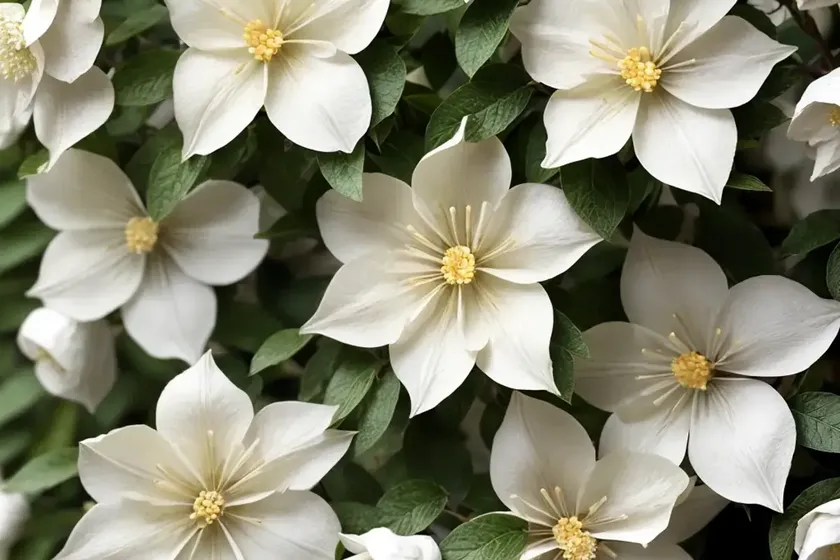
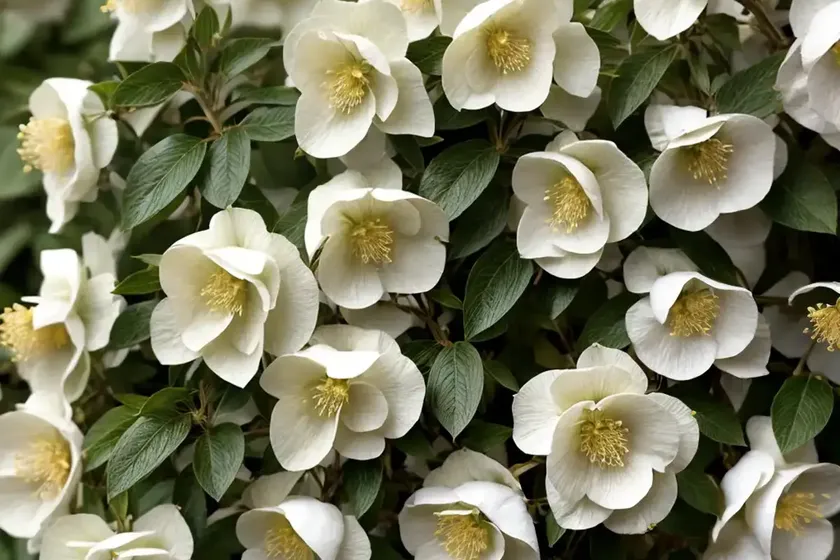
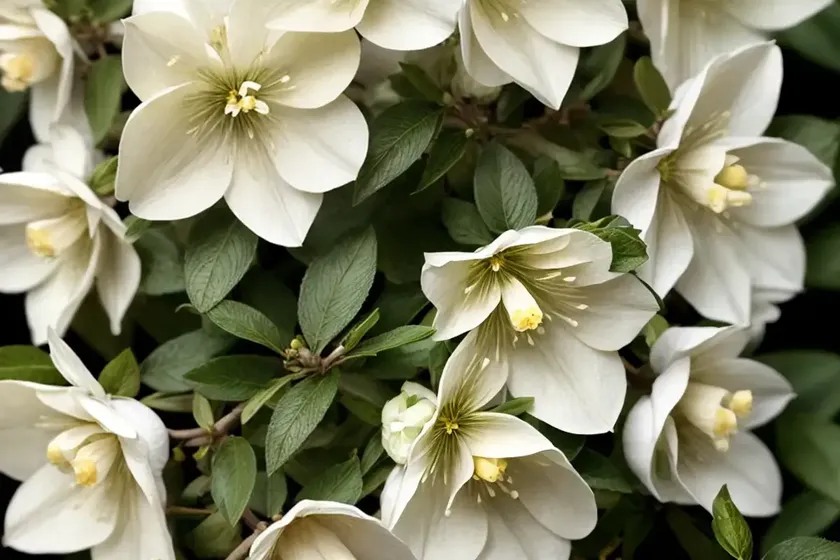
Philadelphus coronarius, or the Mock Orange, is a deciduous shrub native to Southern Europe. It is known for its upright, arching growth habit and the abundance of fragrant, creamy-white flowers it produces during the late spring and early summer. The flowers have a delightful citrus fragrance, resembling that of orange blossoms, hence the common name “Mock Orange.”
This species typically grows to a height of 6-10 feet and spreads to about 4-8 feet, forming a gracefully arching mound of foliage. The attractive dark green foliage provides a perfect backdrop for the clusters of white, four-petalled flowers, creating a captivating visual display in the landscape.
Key Takeaways – Philadelphus coronarius (Mock Orange)
Before delving into the specific details of Philadelphus coronarius, let’s briefly touch on the key takeaways related to this beautiful shrub.
- Plant Name: Philadelphus coronarius (Mock Orange)
- Family: Hydrangeaceae
- Common Names: Mock Orange
- Type: Deciduous flowering shrub
- Height: 6-10 feet
- Spread: 4-8 feet
- Flower Color: White
- Fragrance: Citrus-like
- Bloom Time: Late spring to early summer
- Native Habitat: Southern Europe
Now that we have a basic understanding of this plant, let’s delve into the specific aspects of its culture, uses, and care requirements.
Culture
Water
Philadelphus coronarius is moderately drought-tolerant once established, but it performs best when provided with regular moisture. During the first growing season, it is crucial to keep the soil consistently moist to promote healthy root establishment. Once the plant is established, it is relatively low-maintenance and can tolerate short periods of drought. However, during prolonged dry spells, it is advisable to provide supplemental watering to ensure the plant’s vigor and flowering performance.
Sunlight
Mock Orange thrives in full sun to partial shade. It prefers a location with at least 6 hours of direct sunlight per day, which promotes abundant flowering and robust growth. However, it can also tolerate partially shaded conditions, making it a versatile choice for various garden settings.
Fertilizer
To support healthy growth and prolific flowering, it is beneficial to fertilize Philadelphus coronarius in spring, just before the new growth begins. A balanced, slow-release fertilizer formulated for flowering shrubs is ideal for providing the necessary nutrients without promoting excessive vegetative growth. Additionally, incorporating organic matter into the soil during planting or as a top dressing can enhance the overall health and vigor of the plant.
Soil
Mock Orange appreciates well-drained, fertile soil with a slightly acidic to neutral pH range. It is adaptable to various soil types, including loamy, sandy, and clay soils, as long as they offer good drainage. Amending heavy clay soils with organic matter can improve drainage and create a more favorable growing environment for the plant.
Pruning
Proper pruning is essential to maintain the desired shape, promote flowering, and rejuvenate older plants. Philadelphus coronarius is best pruned immediately after flowering, as it blooms on the previous year’s wood. This timing allows for the removal of spent blooms and the shaping of the plant without sacrificing the following year’s flower buds.
When pruning Mock Orange, it’s important to remove any dead, damaged, or congested branches to improve air circulation and overall plant health. Additionally, selective pruning can help control the size and shape of the shrub, ensuring a tidy and attractive appearance in the landscape.
Propagation
Mock Orange can be propagated through several methods, including softwood cuttings, hardwood cuttings, and division. Softwood cuttings, taken from the current season’s growth, root relatively quickly under favorable conditions. Hardwood cuttings, harvested during the dormant season, can also be utilized for propagation, although they may require a longer rooting period.
Furthermore, division of established plants or layering – a technique where a portion of a stem is buried to encourage root development – can also be employed to propagate new specimens. Regardless of the method chosen, providing bottom heat and consistent moisture can enhance the success rate of propagation.
Container Popularity
While Philadelphus coronarius is commonly grown in garden landscapes, it can also thrive in containers, making it a versatile option for patios, decks, and small gardens. When cultivating Mock Orange in containers, it is crucial to select a sufficiently large pot that allows for ample root development. Additionally, choosing a well-draining potting mix and providing regular watering and fertilization can support healthy growth and flowering in container-grown specimens.
Common Diseases
Like many plants, Philadelphus coronarius is susceptible to certain diseases, although it is generally considered to be a low-maintenance and resilient shrub. Some common diseases that may affect Mock Orange include:
-
Powdery Mildew: This fungal disease can manifest as a powdery, white coating on the leaves, causing them to become distorted and unsightly. Adequate air circulation, proper spacing, and avoiding overhead watering can help prevent powdery mildew.
-
Leaf Spot: Leaf spot diseases can result in the development of dark or discolored spots on the foliage, potentially leading to leaf drop and reduced plant vigor. Removing and destroying affected plant material and promoting good sanitation practices can help manage leaf spot diseases.
-
Root Rot: Excessive moisture in the soil, particularly in poorly draining conditions, can lead to root rot, causing the plant to exhibit wilting, yellowing foliage, and overall decline. Ensuring proper drainage and avoiding overwatering are essential for preventing root rot.
Disease Diagnosis
If you notice any unusual symptoms or changes in the appearance of your Philadelphus coronarius, it can be beneficial to diagnose the issue accurately to implement appropriate management strategies. Proper disease diagnosis involves examining the specific symptoms, considering environmental factors, and, if necessary, consulting with a plant health professional or a local extension service for guidance.
When dealing with potential diseases, it is essential to practice good sanitation, remove and dispose of affected plant material, and monitor the plant closely for any signs of recurrence.
Common Pests
While Philadelphus coronarius is relatively resistant to most pests, it may occasionally encounter some common insect nuisances. A few pests that can affect Mock Orange include:
-
Aphids: These small, sap-sucking insects can cluster on new growth, causing the leaves to become distorted and reducing the plant’s overall vigor. Insecticidal soap or horticultural oil can be effective for controlling aphid populations.
-
Scale Insects: Scale insects can appear as small, waxy bumps on the stems, causing damage to the plant by feeding on its sap. Pruning out heavily infested branches and applying horticultural oil during the dormant season can help manage scale insect populations.
-
Spider Mites: These tiny arachnids can cause stippling and discoloration of the foliage, particularly in hot and dry conditions. Regularly hosing down the plant and applying neem oil can deter and suppress spider mite infestations.
Botanist’s Tips
To ensure the optimal health and performance of Philadelphus coronarius, here are some valuable tips from botanists and plant experts:
-
Regular Maintenance: Conduct regular inspections of the plant for signs of pests, diseases, or nutrient deficiencies. Early detection and proactive management can prevent potential issues from escalating.
-
Mulching: Applying a layer of organic mulch around the base of the plant can help conserve soil moisture, suppress weed growth, and provide a gradual release of nutrients as the mulch decomposes.
-
Pollinator Support: The fragrant blooms of Mock Orange attract various pollinators, making it a valuable addition to pollinator-friendly gardens. Supporting pollinators contributes to ecosystem health and promotes biodiversity.
Fun Facts
- The fragrance of Philadelphus coronarius is often likened to that of orange blossoms, hence the common name “Mock Orange.”
- The colorful and fragrant flowers make Mock Orange an attractive choice for cut flower arrangements and floral displays.
- Philadelphus coronarius has been cultivated for centuries and is celebrated for its timeless beauty and elegance in garden settings.
For more in-depth information about Philadelphus coronarius, its uses, and cultivation, as well as the management of potential pests and diseases, it is essential to rely on accurate and reliable resources. Let’s explore some external links to reputable sources that offer valuable insights into Mock Orange and its care.
Links to External Resources
- Royal Horticultural Society (RHS) – Philadelphus coronarius
- Missouri Botanical Garden – Mock Orange
- American Horticultural Society – Growing Mock Orange Shrubs
- University of California – Integrated Pest Management for Philadelphus spp.
By referring to authoritative sources and leveraging the expertise of established institutions, you can gain valuable knowledge and guidance to enhance your experience with Philadelphus coronarius.
In conclusion, Philadelphus coronarius, or the Mock Orange, is a captivating and versatile shrub that embodies timeless elegance and enchanting fragrance. From its cultural requirements to its applications in garden design and its role in supporting pollinators, this plant offers a multitude of benefits and aesthetic appeal. By understanding and implementing the best practices for its care and maintenance, you can enjoy the enduring beauty and delightful fragrance of Mock Orange in your outdoor spaces.
Remember, for personalized advice and recommendations tailored to your specific growing conditions, it’s advisable to consult with local horticulturists, garden centers, or cooperative extension services, as they can provide insights pertinent to your region and climate.
With its graceful presence and alluring blossoms, Philadelphus coronarius continues to captivate gardeners and nature enthusiasts, adding a touch of classic charm to landscapes around the world.


