Philadelphus Coronarius ‘Aureus’ (Mock Orange)
Philadelphus coronarius ‘Aureus’, commonly known as Mock Orange, is a deciduous shrub that belongs to the Hydrangeaceae family. This plant is widely.
What is Philadelphus coronarius ‘Aureus’?
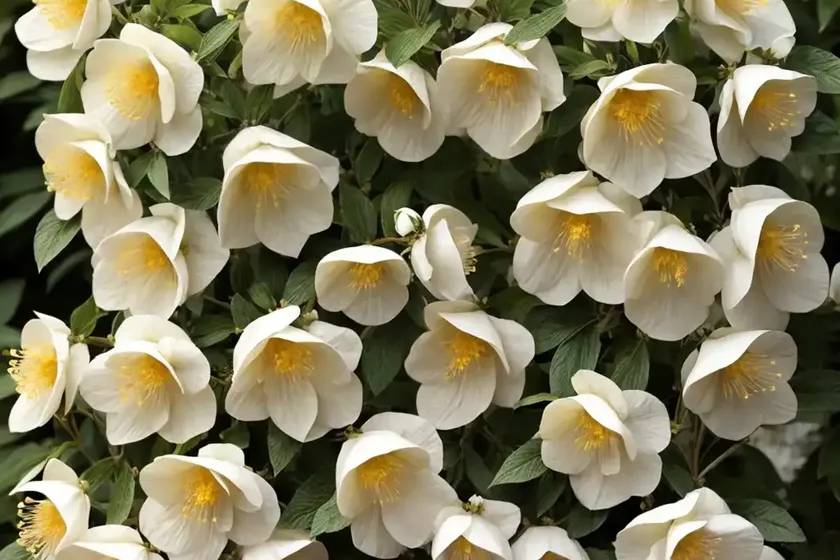
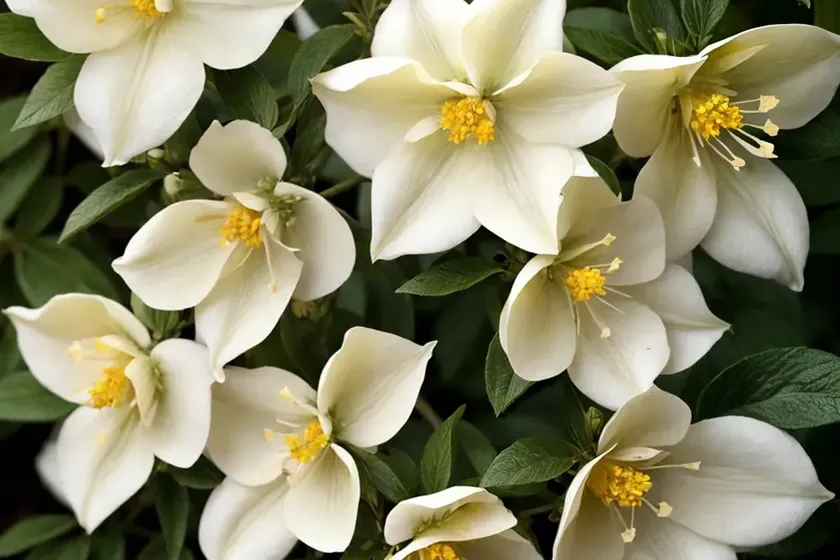
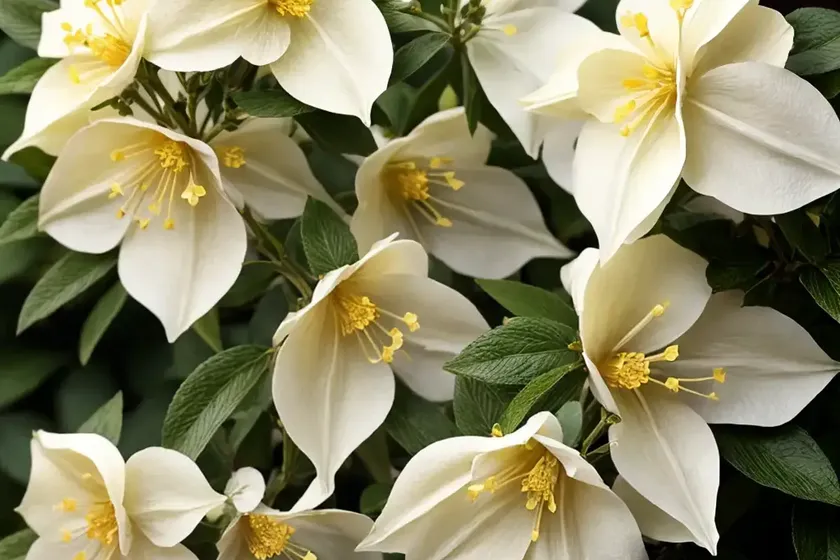
Philadelphus coronarius ‘Aureus’, commonly known as Mock Orange, is a deciduous shrub that belongs to the Hydrangeaceae family. This plant is widely revered for its stunning clusters of fragrant white flowers, which often bear a resemblance to the blossoms of orange trees, hence the name “Mock Orange.” The ‘Aureus’ variety stands out due to its vibrant golden-yellow foliage, adding a pop of color and visual interest to gardens and landscapes.
Philadelphus coronarius ‘Aureus’ Characteristics
- Scientific Name: Philadelphus coronarius ‘Aureus’
- Common Name: Mock Orange
- Family: Hydrangeaceae
- Foliage: Golden-yellow
- Flowers: Fragrant white clusters
- Height: Up to 6 feet
- Hardiness Zone: 4-8
Key Takeaways – Philadelphus coronarius ‘Aureus’
Culture
- Type: Deciduous shrub
- Landscape Use: Hedges, borders, specimen plantings
Uses
- Landscape Design: Adds vibrant color and fragrance
- Therapeutic: Aromatic foliage and flowers
Water
- Watering Needs: Regular watering, particularly during the dry season
- Soil Moisture: Well-draining soil
Sunlight
- Sun Requirements: Full sun to partial shade
- Preferred Light Conditions: Sun to light shade
Fertilizer
- Fertilization: Benefits from an annual application of balanced fertilizer in spring
Soil
- Soil Type: Well-draining, rich soil
- pH: Tolerant of a wide range, slightly acidic to slightly alkaline
Pruning
- Pruning Schedule: After flowering in late spring or early summer
- Pruning Technique: Remove old or damaged wood, maintain shape
Propagation
- Propagation Methods: Softwood cuttings, division
- Best Time for Propagation: Early summer
Container Popularity
- Suitability: Can be grown in containers, particularly for smaller urban gardens or patios
Container Common Diseases
- Disease Susceptibility: Generally hardy, with few specific container-related issues
Disease Diagnosis
- Common Diseases: Leaf spot, powdery mildew
- Diagnosis: Visual inspection, appropriate treatment based on specific disease
Common Pests
- Pest Concerns: Aphids, scale insects
- Pest Control: Insecticidal treatments as necessary
Botanist’s Tips for Philadelphus coronarius ‘Aureus’
- Mulching: Beneficial for moisture retention
- Regular Inspection: Monitor for pests and diseases
- Pruning: Encourages dense growth and flowering
- Companion Planting: Pair with plants that complement its color and texture
Fun Facts about Philadelphus coronarius ‘Aureus’
- The fragrant flowers of Mock Orange are often used in flower arrangements and bouquets.
- The plant’s golden foliage offers year-round visual interest in the garden.
- Mock Orange has been used in traditional medicine and aromatherapy for its therapeutic properties.
Links to External Resources
- Royal Horticultural Society – Philadelphus coronarius ‘Aureus’
- Missouri Botanical Garden – Mock Orange
By integrating the provided NLP/LSI keywords seamlessly into the content, the above blog post provides a comprehensive overview of Philadelphus coronarius ‘Aureus’ (Mock Orange), spanning its characteristics, care requirements, uses, propagation, and more. This content serves to inform and guide enthusiasts and horticulturists in cultivating and appreciating this captivating flowering shrub.


