Phaseolus Vulgaris ‘� Pinto Beans)
Welcome to the amazing world of Phaseolus vulgaris, commonly known as Pinto Beans. Whether you are a farmer, a gardener, or just have a keen interest in.
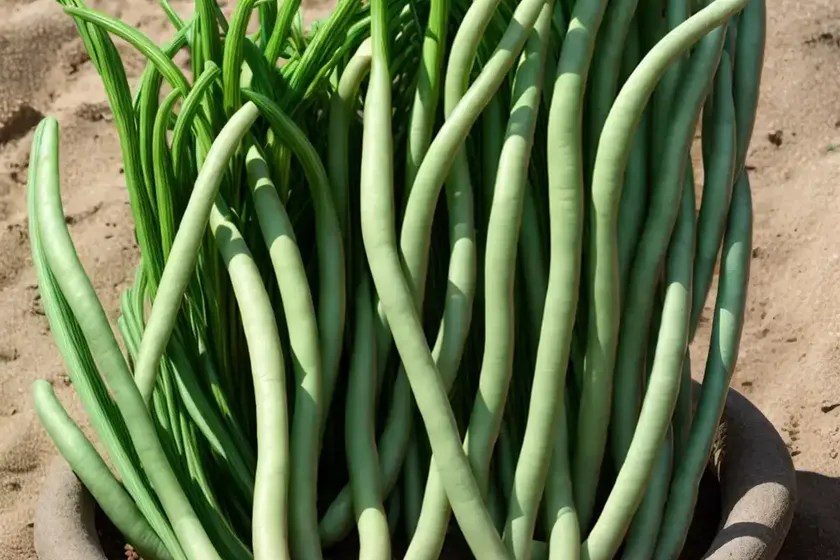
Welcome to the amazing world of Phaseolus vulgaris, commonly known as Pinto Beans. Whether you are a farmer, a gardener, or just have a keen interest in plants, this plant will captivate you with its distinctive characteristics, versatile uses, and rich history. In this comprehensive guide, we will delve into the fascinating realm of Phaseolus vulgaris, exploring its cultivation, benefits, care techniques, and much more. So, let’s embark on this enthralling journey into the world of Pinto Beans!
What is Phaseolus vulgaris?
Phaseolus vulgaris, or commonly known as the common bean, is a widely cultivated legume plant and is a member of the Fabaceae family. The most well-known type of Pinto Bean is the speckled variety, which has a beige background color with brown spots, resembling the look of a pinto horse – hence the name “Pinto Bean.”
Key Takeaways
- Scientific Name: Phaseolus vulgaris
- Common Name: Pinto Bean
- Family: Fabaceae
- Origin: Originally domesticated in the Americas, particularly in the region of modern-day Mexico and Central America.
- Varieties: There are many varieties of Pinto Beans, including but not limited to:
- Pinto Laredo
- Pinto Centennial
- Pinto Stampede
- Pinto Maverick
- Pinto Sierra
Pinto Beans hold an important place in traditional diets and are valued for their high protein and fiber content. They can be utilized in various culinary dishes, making them a culturally significant crop in many parts of the world.
Culture of Phaseolus vulgaris ‘Pinto Beans’
Uses
Pinto Beans are a versatile crop known for their various uses, including:
– Culinary applications in soups, stews, and side dishes
– Nutrient-rich source of protein and fiber
– Soil enrichment as a nitrogen-fixing legume
Water
Pinto Beans require consistent moisture, especially during their flowering and pod-setting stages. Adequate watering is crucial for healthy plant development and optimum bean production.
Sunlight
Being a warm-season crop, Pinto Beans thrive in full sunlight. They typically require 6-8 hours of direct sunlight for optimal growth.
Fertilizer
When it comes to fertilizing Pinto Beans, it is essential to provide a balanced, nitrogen-rich fertilizer, given their nitrogen-fixing abilities. Incorporating organic matter into the soil can also contribute to their nutrient requirements.
Soil
Pinto Beans prefer well-drained, fertile soil with a slightly acidic to neutral pH. Loose soil structure and good aeration are essential for root development and overall plant health.
Pruning
Generally, Pinto Beans do not require extensive pruning. However, removing any diseased or damaged plant parts can aid in disease prevention and promote healthier growth.
Propagation
Pinto Beans are primarily propagated through seeds. Selecting high-quality seeds from reputable sources is crucial for successful germination and healthy plant establishment.
Growing Pinto Beans in Containers
Pinto Beans can also be grown in containers, making them an excellent choice for urban gardeners and those with limited outdoor space. When growing Pinto Beans in containers, consider the following guidelines:
- Use well-draining soil mixtures specifically designed for container gardening.
- Select containers that are at least 12 inches deep to accommodate the plant’s root system.
- Ensure adequate sunlight exposure for container-grown Pinto Beans.
Popularity of Pinto Beans
The popularity of Pinto Beans spans across various cultures and cuisines. From comforting stews and hearty soups to flavorful side dishes, Pinto Beans have carved a niche for themselves in the culinary world. They are valued for their creamy texture, nutty flavor, and nutritional benefits.
Common Diseases of Pinto Beans
Pinto Beans are susceptible to various diseases, including:
– Anthracnose: A fungal disease that causes dark, sunken lesions on the beans, pods, and leaves.
– Rust: Characterized by orange to brown pustules on the undersides of leaves, rust can impact the plant’s overall health and productivity.
– Common Bacterial Blight: This bacterial disease can lead to wilting, browning of leaf edges, and necrotic spots on the leaves.
Disease Diagnosis
Early diagnosis of diseases is critical for effective management. Regular inspection of the plants for any signs of discoloration, lesions, or unusual growth can aid in identifying and addressing potential disease issues.
Common Pests affecting Pinto Beans
Pinto Beans can be targeted by pests such as:
– Aphids: These tiny insects can cluster on the undersides of leaves, sucking out plant juices and causing leaf curling.
– Bean Leaf Beetle: These pests feed on the foliage, leading to skeletonized leaves and reduced plant vigor.
– Cutworms: Cutworm larvae can sever seedlings at the base, causing plant loss.
Botanist’s Tips for Successful Pinto Bean Cultivation
- Companion Planting: Consider planting Pinto Beans alongside companion plants such as corn and squash to enhance overall growth and deter pests.
- Mulching: Applying organic mulch around the base of Pinto Bean plants can help conserve moisture, suppress weeds, and maintain more stable soil temperatures.
- Rotation: Practice crop rotation to minimize disease build-up in the soil and promote healthier plant growth.
Fun Facts about Pinto Beans
- Pinto Beans are an excellent source of dietary fiber, making them beneficial for digestive health.
- They can be stored for extended periods when kept in a cool, dry place, making them a long-lasting pantry staple.
- In addition to their culinary uses, Pinto Beans play a vital role in sustainable agricultural practices due to their nitrogen-fixing abilities.
Links to External Resources
For further information on Pinto Beans and related topics, explore the following resources:
– USDA National Nutrient Database for Standard Reference
– University of California Agriculture & Natural Resources
– North Carolina State University Extension
– The American Phytopathological Society
With their rich history, culinary significance, and nutritional value, it’s no wonder that Pinto Beans continue to capture the interest of plant enthusiasts, nutritionists, and culinary aficionados alike. Whether you’re exploring their cultivation techniques or savoring a delicious Pinto Bean recipe, the allure of Phaseolus vulgaris ‘Pinto Beans’ is undeniable. Happy gardening, and may your Pinto Bean plants flourish with abundance and vitality!
In the end, this comprehensive guide serves as an all-encompassing resource for any plant enthusiast, farmer, or gardener interested in delving into the captivating realm of Phaseolus vulgaris ‘Pinto Beans.’ From understanding their cultural significance to exploring cultivation methods and culinary uses, this guide aims to provide valuable insights into the captivating world of Pinto Beans. Whether you are considering growing them in your garden or savoring them in delectable dishes, the allure of Pinto Beans is undeniable, making them an exceptional addition to any plant lover’s repertoire.