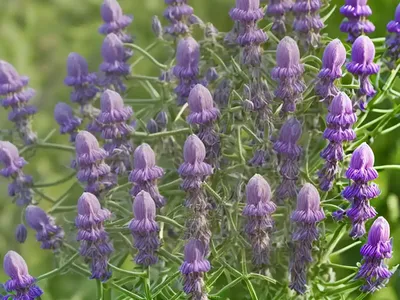
Phaseolus Vulgaris ‘� Green Beans)
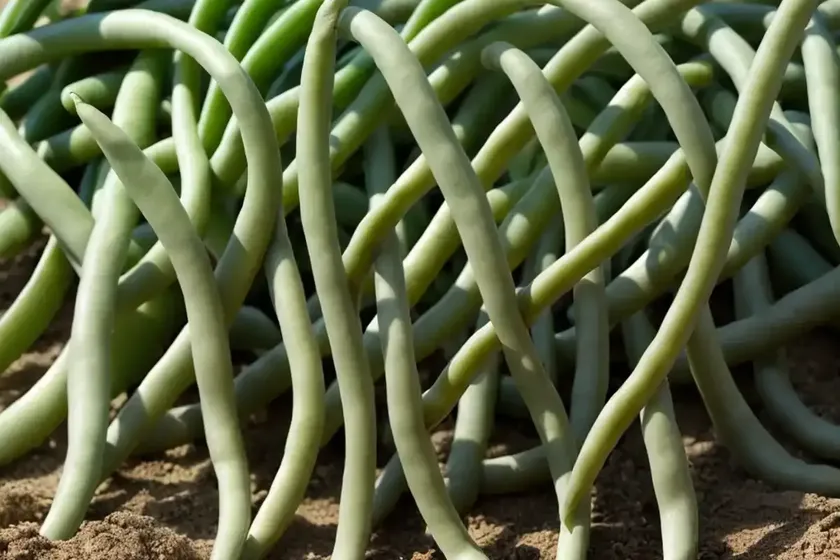
Green beans, scientifically known as Phaseolus vulgaris, are a popular and nutritious vegetable widely cultivated around the world. This humble legume.
Introduction
Green beans, scientifically known as Phaseolus vulgaris, are a popular and nutritious vegetable widely cultivated around the world. This humble legume, with its tender pods and delicate flavor, holds a special place in the culinary world and in gardening enthusiasts’ hearts. In this comprehensive guide, we will delve deep into the world of green beans, exploring their culture, uses, care, and interesting facts. So, let’s embark on a journey to uncover the secrets of growing and enjoying green beans.
What is Phaseolus vulgaris ‘Green Beans’?
Phaseolus vulgaris, commonly known as the common bean, green bean, or string bean, is a herbaceous annual plant belonging to the Fabaceae family. Green beans are known for their tender, edible pods and are a popular addition to various culinary dishes. This diverse crop is cultivated for both its pods and its seeds, which are commonly known as beans.
Key Takeaways
Before we dive deeper into the intricacies of cultivating green beans, let’s take a quick look at the essential characteristics and key points related to this versatile plant.
- Green bean varieties
- There are various green bean varieties, including bush green beans, climbing green beans, and French green beans. Each type has its unique characteristics and cultivation requirements.
- Cultivation
- Cultivating green beans involves specific techniques and considerations, such as planting methods and soil requirements.
- Nutrition and culinary uses
- Green beans are not only delicious but also packed with essential nutrients. They are used in a wide array of culinary dishes, ranging from salads to soups and stir-fries.
- Pests and diseases
- Like any other plant, green beans are susceptible to certain pests and diseases that require careful monitoring and management.
Culture of Phaseolus vulgaris ‘Green Beans’
Cultivating green beans successfully involves understanding various aspects of their culture, including their ideal growing conditions, care requirements, and propagation techniques. Let’s explore each of these aspects in detail to gain a comprehensive understanding of how to grow and nurture green beans.
Uses
Green beans are highly versatile in culinary applications and are used in numerous dishes due to their tender texture and delightful flavor. They can be enjoyed fresh, steamed, sautéed, or added to casseroles, salads, and stir-fries.
Water
- Green beans thrive in consistently moist, well-draining soil, requiring approximately 1-1.5 inches of water per week.
- It’s crucial to water the plants deeply, particularly during dry spells, while being mindful not to overwater and cause waterlogging.
Sunlight
- Green beans flourish in full sunlight, requiring at least 6-8 hours of direct sunlight each day for optimal growth and pod development.
Fertilizer
- Prior to planting, incorporate a balanced, granular fertilizer into the soil to provide essential nutrients for the plants.
- During the growing season, a side dressing of nitrogen-rich fertilizer can support healthy foliage and vigorous growth.
Soil
- Green beans prefer well-draining soil with a slightly acidic to neutral pH range of 6.0-7.0.
- Amending the soil with organic matter, such as compost, can improve its fertility and structure, promoting robust growth.
Pruning
- While green beans generally do not require extensive pruning, removing any damaged or diseased foliage can aid in maintaining plant health and vigor.
Propagation
Green beans can be propagated by directly sowing seeds into prepared soil. Sow the seeds at the recommended depth, typically 1-1.5 inches, and space them according to the specific variety’s requirements.
Container Popularity
Green beans are a popular choice for container gardening, especially compact bush varieties that are well-suited for smaller spaces and patio gardens.
Container
When growing green beans in containers, it’s essential to select a sufficiently large container with adequate drainage holes to support healthy root development and moisture management.
Common Diseases
Green beans may be susceptible to certain diseases, including fungal infections and bacterial attacks, which can compromise plant health and yield if not addressed proactively.
Disease diagnosis
| Disease | Symptoms | Management |
|---|---|---|
| Anthracnose | Dark, sunken lesions on leaves and pods | Rotate crops, apply fungicides |
| Bacterial wilt | Wilting, yellowing, and browning of leaves | Remove and destroy affected plants |
| Powdery mildew | White, powdery coating on leaves | Improve air circulation, fungicidal sprays |
Common Pests
Pests such as aphids, bean beetles, and spider mites can potentially infest green beans, leading to damage and reduced plant vigor.
Pest Management
Regular inspection and the use of insecticidal soap or neem oil can help mitigate pest issues and protect the plants from severe infestations.
Botanist’s Tips
To ensure successful cultivation and a bountiful harvest of green beans, consider implementing the following tips gleaned from botanical expertise:
- Companion planting: Pair green beans with companion plants such as carrots, cucumbers, or radishes to enhance growth and deter pests.
- Crop rotation: Rotate green beans with non-related crops to minimize disease buildup in the soil and promote overall soil health.
- Soil fertility: Regularly enrich the soil with compost or organic matter to maintain optimal fertility and support robust plant growth.
Fun Facts
As we navigate through the world of green beans, let’s uncover some fascinating and lesser-known facts about this remarkable plant:
- The flower colors of green beans can range from white and pink to purple, adding ornamental value to the garden.
- Green beans are a good source of essential vitamins, minerals, and dietary fiber, contributing to a nutritious diet.
- In traditional medicine, green beans have been utilized for their potential health benefits, including aiding digestion and promoting overall wellness.
Links to External Resources
For additional information on green beans, feel free to explore the following resources:
1. USDA Plant Profile: Phaseolus vulgaris
2. Green Bean Varieties and Growing Tips
3. Nutritional Benefits of Green Beans
In conclusion, Phaseolus vulgaris, or green beans, represents not only a beloved culinary ingredient but also a rewarding and relatively straightforward plant to grow. By understanding the nuances of their culture, from soil and water requirements to pest and disease management, individuals can embark on a fulfilling journey of cultivating their own green beans and relishing the fruits of their labor on the dining table.
As we part ways, let’s savor the thought of enjoying a crisp, flavorful green bean in a delicious stir-fry or as a nutritious addition to a vibrant summer salad. The journey from seed to plate is truly a testament to the beauty and bounty of nature’s offerings.
So, go ahead and nurture your green bean plants, savor their harvest, and perhaps even share a handful with a neighbor, as the joy of gardening and the allure of fresh produce are meant to be celebrated and enjoyed together.
Happy gardening, and may your green bean harvest be plentiful and delightful!
Disclaimer: The information provided in this blog post is for educational and informational purposes and is not intended as a substitute for professional planting or gardening advice.