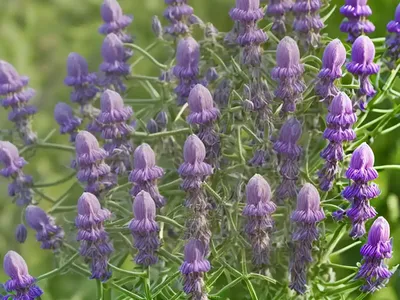
Phaseolus Vulgaris ‘� Cranberry Beans)
Cranberry beans, scientifically known as Phaseolus vulgaris, are a type of common bean with a striking maroon and cream-color pattern, resembling the.
Introduction
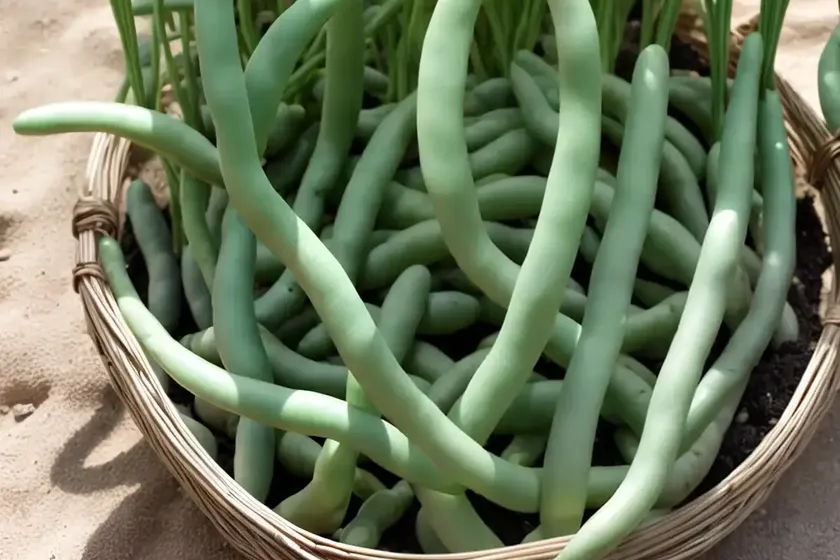
Cranberry beans, scientifically known as Phaseolus vulgaris, are a type of common bean with a striking maroon and cream-color pattern, resembling the cranberry fruit. These beans are not only visually appealing but also boast a rich flavor and texture, making them a popular choice for culinary use in a variety of dishes, including soups, stews, salads, and more. In addition to their gastronomic appeal, cranberry beans are a valuable addition to home gardens and sustainable agriculture, offering numerous health benefits and playing a role in traditional medicine.
As a plant scientist, I am excited to delve into the world of cranberry beans, exploring their cultivation, health benefits, and culinary versatility. In this comprehensive guide, we will discuss everything from growing and harvesting cranberry beans to their nutritional value and cooking methods. By the end of this article, you will have a deep understanding of Phaseolus vulgaris ‘Cranberry Beans’ and be inspired to incorporate these versatile legumes into your garden and kitchen.
Cranberry Bean Varieties
The Phaseolus vulgaris species encompasses a wide range of bean varieties, each with its unique characteristics and culinary uses. Cranberry beans, also known as borlotti beans, are particularly distinguished by their vibrant red-speckled appearance and creamy texture when cooked. While there are numerous cranberry bean cultivars, some popular varieties include ‘Speckled Cranberry’, ‘Lamon’, ‘King of the Early’, and ‘Red Calypso’. These varieties may vary in size, color, and growth habits, offering home gardeners a diverse selection to choose from.
Cultivation of Cranberry Beans
Culture
Cranberry beans are warm-season crops that thrive in regions with ample sunlight and well-draining soil. They are typically sown directly into the garden after the danger of frost has passed, as they require consistently warm soil temperatures for germination and vigorous growth. In cooler climates, gardeners can start the seeds indoors a few weeks before the last expected frost date to give the plants a head start.
Uses
The uses of Phaseolus vulgaris ‘Cranberry Beans’ are multifaceted. From a botanical perspective, they contribute to soil health through nitrogen fixation, making them valuable as part of crop rotation systems. Additionally, their visual appeal makes them a popular ornamental component in gardens.
Water
Cranberry beans have moderate water needs and prefer well-drained soil. It’s important not to overwater them, as excessive moisture can lead to fungal diseases and root rot. During dry periods, regular watering is essential to support healthy plant growth and the development of robust bean pods.
Sunlight
Adequate sunlight is crucial for the successful cultivation of cranberry beans. They flourish in full sun, requiring at least 6-8 hours of direct sunlight per day. Insufficient light can result in poor flowering and fruit set, ultimately impacting the yield and quality of the beans.
Fertilizer
When it comes to fertilization, cranberry beans benefit from a balanced application of organic matter or a well-balanced fertilizer. Prior to planting, amending the soil with compost or aged manure can provide the necessary nutrients for healthy growth. Additionally, a side-dressing of compost or a slow-release fertilizer during the growing season can bolster plant vigor and bean production.
Soil
Cranberry beans thrive in loamy, well-draining soil with a slightly acidic to neutral pH range (6.0-7.5). The soil should be rich in organic matter, providing essential nutrients and promoting robust root development. Prior to planting, soil preparation should include loosening the soil to improve aeration and drainage, ensuring optimal growing conditions.
Pruning
Pruning is generally not necessary for cranberry beans. However, the removal of any withered or diseased foliage can help prevent the spread of diseases and promote airflow around the plants, reducing the risk of fungal infections.
Propagation
Cranberry beans are propagated from seeds, which should be sown directly into the garden soil once the weather has warmed to ensure successful germination and establishment.
Container Popularity
Although cranberry beans are predominantly grown in traditional garden beds, they can also thrive in containers given sufficient space for root development. Container gardening offers flexibility for individuals with limited outdoor space, allowing them to enjoy the benefits of homegrown cranberry beans on patios, balconies, or other urban settings.
Common Diseases and Pest Control
Common Diseases
Cranberry beans are susceptible to various diseases, including:
- Anthracnose: This fungal disease can cause dark, sunken lesions on the pods and leaves, eventually leading to reduced yield.
- Bacterial Wilt: Characterized by wilting of the foliage and sudden plant death, bacterial wilt can devastate cranberry bean crops.
- Powdery Mildew: A common fungal infection, powdery mildew appears as a white, powdery coating on the leaves, inhibiting photosynthesis and weakening the plants.
Disease Diagnosis
Early diagnosis of plant diseases is crucial for effective management. Regular inspection of the foliage, stems, and pods can help identify symptoms such as discoloration, wilting, and unusual growth. Prompt action, including the removal and destruction of infected plant parts and application of suitable fungicides, can help mitigate the impact of diseases on cranberry bean crops.
Common Pests
Cranberry beans may attract a range of pests, including:
- Aphids: These small, soft-bodied insects can cluster on the undersides of leaves, causing damage by sucking sap from the plants.
- Bean Beetles: Both Mexican bean beetles and bean weevils can feed on the foliage and pods, potentially reducing bean yield.
- Leafhoppers: These pests can transmit plant diseases while feeding on plant sap, leading to stunted growth and reduced vigor.
Implementing integrated pest management strategies, such as physical barriers, biological controls, and selective insecticides, can help prevent and manage pest infestations in cranberry bean crops.
Botanist’s Tips for Growing Cranberry Beans
As a plant scientist, I highly recommend the following tips for successful cultivation of cranberry beans:
- Soil Preparation: Prior to planting, ensure the soil is well-draining and rich in organic matter to provide an optimal growing environment for cranberry beans.
- Sunlight: Position the bean plants in a location that receives ample sunlight, as this is essential for robust growth and bean production.
- Watering: Maintain consistent soil moisture, avoiding both waterlogged conditions and prolonged drought to support healthy plant development.
- Disease Monitoring: Regularly inspect the plants for signs of diseases and take appropriate measures to mitigate their impact, such as removing infected plant parts.
Nutritional Value and Health Benefits
Nutritional Value
Cranberry beans are a rich source of essential nutrients, offering a nutritional profile that includes:
- Protein: As a legume, cranberry beans are an excellent plant-based protein source, ideal for individuals following vegetarian or vegan diets.
- Fiber: High in dietary fiber, cranberry beans support digestive health and contribute to a feeling of fullness, aiding in weight management.
- Vitamins and Minerals: These beans provide essential vitamins and minerals, including folate, iron, magnesium, and potassium, contributing to overall well-being.
Health Benefits
Consuming cranberry beans can offer a range of health benefits, including:
- Heart Health: The fiber, potassium, and antioxidants present in cranberry beans promote cardiovascular health and may help lower the risk of heart disease.
- Blood Sugar Regulation: The fiber and low glycemic index of cranberry beans support stable blood sugar levels, making them a valuable addition to diabetic-friendly diets.
- Digestive Health: The high fiber content of cranberry beans supports digestive regularity and may reduce the risk of gastrointestinal conditions.
- Bone Health: The calcium, magnesium, and phosphorus in cranberry beans contribute to bone strength and density, enhancing overall skeletal health.
Culinary Uses
Cooking Methods
Cranberry beans are incredibly versatile and can be prepared in numerous ways, including:
- Boiling: Simmering the beans until tender creates a creamy, flavorful texture, ideal for adding to soups, stews, and casseroles.
- Baking: Baking cooked cranberry beans with savory ingredients can result in delicious bean patties, burgers, or even savory bean-based desserts.
- Marinating: Marinating cooked cranberry beans with herbs, oils, and acidic ingredients yields a delicious salad or side dish.
- Pureeing: Pureeing cooked cranberry beans can produce a smooth, creamy base for dips, spreads, and sauces, adding a nutritious element to various culinary creations.
Recipes
Cranberry beans can be incorporated into an array of culinary creations, including:
- Cranberry Bean and Vegetable Soup: A hearty and nutritious soup featuring tender cranberry beans and a medley of fresh vegetables.
- Mediterranean Cranberry Bean Salad: A vibrant salad incorporating cranberry beans with tomatoes, cucumbers, and a zesty vinaigrette, offering a burst of flavor and nutrients.
- Cranberry Bean Dip: A creamy dip made with pureed cranberry beans, garlic, lemon juice, and fresh herbs, perfect for pairing with fresh vegetables or pita chips.
- Cranberry Bean Stew with Herbs: A fragrant and comforting stew showcasing the rich texture and earthy flavor of cooked cranberry beans, complemented by aromatic herbs and spices.
Culinary Versatility
From soups and salads to dips and main dishes, cranberry beans are prized for their culinary versatility, adding depth, flavor, and nutrition to a wide array of recipes. With their creamy texture and mild, earthy flavor, cranberry beans lend themselves to both traditional and innovative culinary applications, making them a cherished ingredient in global cuisines.
Harvesting and Storage
Harvesting
Cranberry beans can be harvested once the pods have attained their full size and the beans have filled out and developed their characteristic maroon and cream hues. Harvesting is typically performed by hand-picking the pods directly from the plants. After harvest, the beans are shelled from the pods and can be used immediately or dried for longer-term storage and culinary use.
Storing
To store cranberry beans for future use, they should be thoroughly dried to reduce moisture content and prevent mold formation. Once fully dry, the beans can be stored in airtight containers in a cool, dark place, such as a pantry or cellar. Properly stored, cranberry beans can remain viable for cooking for up to a year, ensuring a convenient supply of homegrown beans for culinary exploration.
Conclusion
In conclusion, Phaseolus vulgaris ‘Cranberry Beans’ are an exceptionally valuable addition to home gardens, sustainable farming practices, and culinary traditions. From their vibrant appearance and nutritional richness to their diverse culinary uses and plant health benefits, cranberry beans encompass a multitude of qualities that make them a treasured crop for plant enthusiasts and food aficionados alike. Whether enjoyed as a flavorful ingredient in meals, utilized as a nitrogen-fixing cover crop, or savored for their health-promoting properties, cranberry beans offer a multitude of benefits that enrich both gardens and dining tables.
As we’ve explored the essential aspects of growing, harvesting, and utilizing cranberry beans, it’s clear that these legumes hold remarkable potential for sustainable agriculture, health-conscious cooking, and the preservation of culinary heritage. Whether you’re a novice gardener, an avid cook, or a health-conscious individual, consider incorporating Phaseolus vulgaris ‘Cranberry Beans’ into your gardening and culinary endeavors, and savor the multifaceted benefits of these versatile legumes.
References
- USDA. (2021). USDA Plant Database. https://plants.sc.egov.usda.gov/core/profile?symbol=PHVU
- National Institutes of Health. (2019). Dietary Fiber. https://ods.od.nih.gov/factsheets/DietaryFiber-HealthProfessional/
- Ludwig, D. S. (2002). The glycemic index: physiological mechanisms relating to obesity, diabetes, and cardiovascular disease. JAMA, 287(18), 2414-2423.