Phaseolus Vulgaris ‘� Cannellini Beans)
Phaseolus vulgaris, commonly known as the common bean, is a widely cultivated legume globally. Among the many varieties of P. vulgaris, the ‘Cannellini.
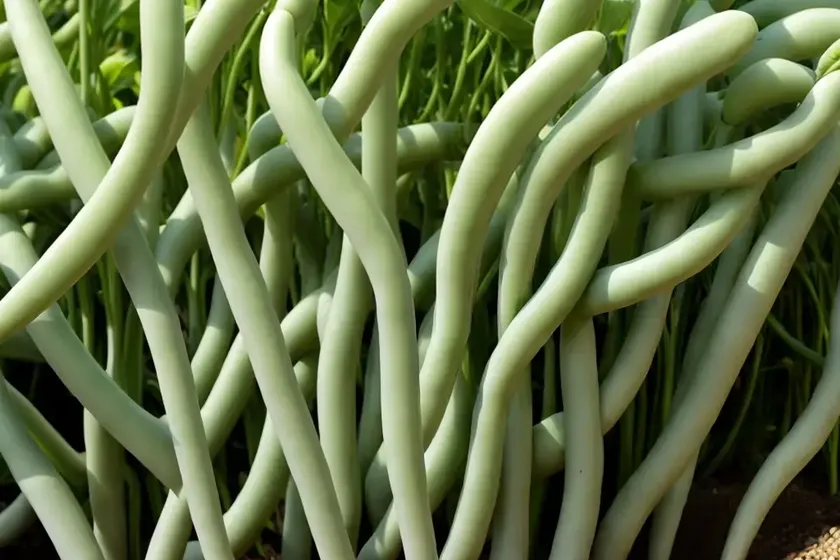
Introduction to Phaseolus vulgaris ‘Cannellini Beans’
Phaseolus vulgaris, commonly known as the common bean, is a widely cultivated legume globally. Among the many varieties of P. vulgaris, the ‘Cannellini Beans’ stand out due to their creamy texture and nutty flavor. These beans are a great addition to any garden, offering versatility in cooking and a range of health benefits.
In this comprehensive guide, we will explore the cultivation, uses, and benefits of Phaseolus vulgaris ‘Cannellini Beans’ for both novice and experienced gardeners. Let’s dive into the world of growing and enjoying this nutritious and delicious legume.
Chapter 1: Understanding Phaseolus vulgaris ‘Cannellini Beans’
Phaseolus vulgaris ‘Cannellini Beans’ are an attractive addition to any garden due to their culinary versatility and nutritional value. Understanding the characteristics and requirements of these beans is crucial for a successful cultivation experience.
Plant Characteristics
| Characteristic | Description |
|---|---|
| Scientific Name | Phaseolus vulgaris |
| Common Name | Cannellini Beans |
| Family | Fabaceae |
| Plant Type | Annual |
| Cultivar | Cannellini |
| Growth Habit | Bush |
| Flower Color | White to pale purple |
| Pod Color | Creamy-white |
| Seed Color | Creamy-white with dark markings |
| Hardiness Zones | 3 to 10 |
Chapter 2: Cultivating Phaseolus vulgaris ‘Cannellini Beans’
Cultivating Cannellini Beans is relatively straightforward, and they are a great option for both traditional soil gardening and hydroponic setups. Let’s explore the essential factors for successfully growing these beans.
Soil Requirements
Cannellini Beans thrive in well-draining, fertile soil. They prefer a slightly acidic to neutral soil pH level, ideally between 6.0 and 7.0. Amending the soil with organic matter, such as compost, ensures a nutrient-rich growing medium for the beans.
Water
Keeping the soil consistently moist is crucial for the healthy growth of Cannellini Beans. Ensure regular, deep watering, especially during flowering and pod development. However, it’s essential to avoid waterlogged conditions that can lead to root rot.
Sunlight
Cannellini Beans require full sunlight for at least 6 to 8 hours a day. Choose a well-lit area for planting to promote robust growth and abundant flowering.
Fertilizer
Applying a balanced fertilizer during planting and a lighter dose during flowering and pod formation supports vigorous growth. Consider using a fertilizer with higher phosphorus content to encourage prolific flowering and pod set.
Pruning
While not necessary, occasional pruning can promote air circulation and reduce disease incidence. Remove any damaged or diseased foliage and encourage upward growth of the plants by pinching off the growing tips.
Chapter 3: Propagation and Harvesting
Propagation
Propagation of Cannellini Beans is primarily through direct sowing of seeds. Sow the seeds directly into the garden beds or containers once the soil has warmed up to around 60°F (15.6°C). Plant the seeds at a depth of 1 to 1.5 inches, spacing them roughly 4 to 6 inches apart.
Harvesting
Cannellini Beans can be harvested when the pods are still green and tender for fresh consumption. For dried beans, allow the pods to mature on the plant until they turn crisp and brown. Harvest the dried pods and shell the beans for storage and culinary use.
Container Gardening
Cannellini Beans can thrive in containers, making them a suitable option for urban and small-space gardening. Choose a deep container to accommodate the extensive root system of the beans. Provide support for the plants in the form of stakes or trellises to encourage upward growth.
Chapter 4: Uses and Nutrition
Culinary Uses
Cannellini Beans are incredibly versatile in the kitchen and can be incorporated into a wide range of dishes. From soups and stews to salads and dips, these beans add a creamy texture and a mild, nutty flavor to diverse recipes.
- Cannellini Bean and Kale Soup
- Herbed Cannellini Bean Dip
- Cannellini Bean and Roasted Red Pepper Salad
- Creamy Cannellini Bean Pasta
Nutritional Benefits
Cannellini Beans are a nutrient-dense food, offering a great source of plant-based protein, fiber, and essential minerals. They are a valuable addition to a balanced diet and are often recommended for their potential health benefits, including improved heart health and weight management.
Chapter 5: Common Pests and Diseases
Common Pests
-
Aphids: These tiny insects can cluster on the undersides of leaves, sucking sap from the plants and causing distortion of the foliage. Regularly inspect the plants and use a strong blast of water to dislodge aphids. Consider introducing natural predators, such as ladybugs, to control aphid populations.
-
Bean Weevils: These pests can damage seeds and young seedlings. Rotate bean crops annually to disrupt the life cycle of bean weevils and consider using floating row covers to protect young plants.
Common Diseases
-
Anthracnose: This fungal disease can cause dark, sunken lesions on the pods and leaves. Ensure proper air circulation and avoid overhead watering to minimize the risk of anthracnose. If necessary, apply a copper-based fungicide according to the manufacturer’s instructions.
-
Root Rots: Overly wet soil can lead to root rots, causing the plants to wilt and decline. Ensure proper drainage and avoid overwatering to prevent the development of root rot diseases.
Chapter 6: Fun Facts and Botanist’s Tips
Fun Facts
- The name “Cannellini” translates to “small tube” in Italian, describing the shape of the beans.
- Cannellini Beans are a staple in Italian cuisine, often used in recipes such as Minestrone soup and Pasta e Fagioli.
- These beans have been cultivated for centuries and have a rich cultural and culinary history.
Botanist’s Tips
- Interplant Cannellini Beans with aromatic herbs, such as basil and rosemary, to naturally repel pests and enhance the flavor of the beans.
- Rotate bean crops annually to minimize the build-up of soil-borne diseases and pests.
Chapter 7: Conclusion
In conclusion, cultivating Phaseolus vulgaris ‘Cannellini Beans’ can be a rewarding experience, offering a bounty of nutritious beans for culinary exploration. Whether grown in traditional garden beds or containers, these beans add value to any garden with their vibrant green foliage and flavorful pods. By understanding their requirements and addressing potential challenges, gardeners can enjoy a successful harvest of these versatile legumes.
As you embark on your Cannellini Bean cultivation journey, remember to embrace the culinary diversity and nutritional benefits of these beans. From enriching soups to hearty salads, Cannellini Beans are a culinary canvas waiting to be explored.
External Resources
- Planting and Growing Guide for Cannellini Beans
- Cannellini Beans Recipe Collection
- Companion Planting for Phaseolus vulgaris
- Nutritional Profile of Cannellini Beans
- Organic Pest Control Methods for Beans
With the knowledge and insights gained from this guide, may your Cannellini Bean garden flourish, bringing forth a delectable harvest and culinary inspiration. Happy gardening!