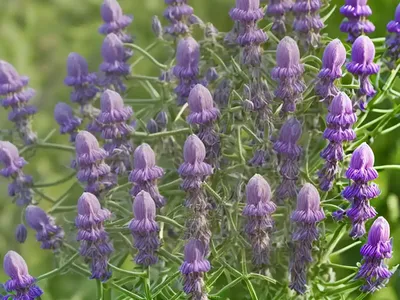
Phaseolus Vulgaris ‘� Black Beans)
In the world of legumes, Phaseolus vulgaris ‘Black Beans’ is a popular and nutritionally rich plant that is cherished for its versatility and nutritional.
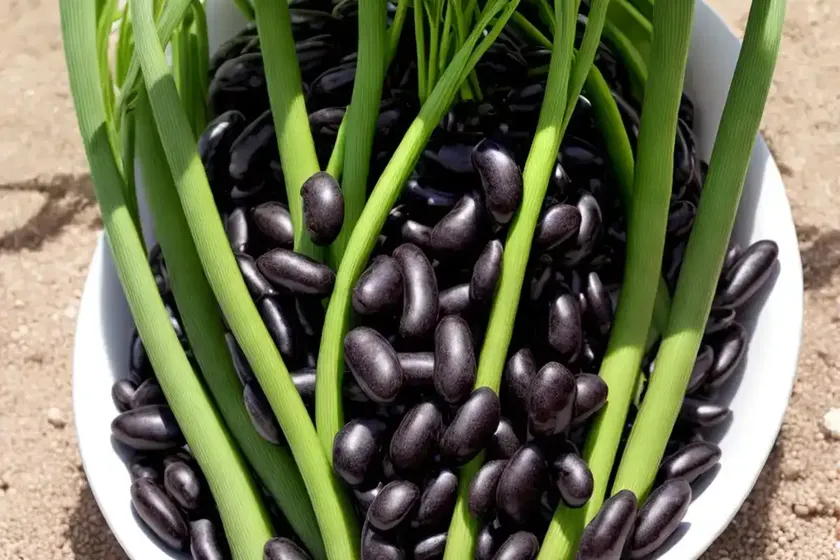
In the world of legumes, Phaseolus vulgaris ‘Black Beans’ is a popular and nutritionally rich plant that is cherished for its versatility and nutritional benefits. This blog post is dedicated to providing a comprehensive guide on everything related to Phaseolus vulgaris ‘Black Beans’, including its culture, uses, growth requirements, common diseases, pests, and interesting facts.
What is Phaseolus Vulgaris ‘Black Beans’?
Phaseolus vulgaris, commonly known as the common bean, is a species of legume native to Central and South America. It is one of the most important grain legumes for direct human consumption and is extensively cultivated worldwide for its edible seeds, known as beans. Among the various varieties of Phaseolus vulgaris, the ‘Black Beans’ variety has gained significant popularity due to its unique color, flavor, and culinary uses.
Key Takeaways
- Scientific Name: Phaseolus vulgaris
- Variety: Black Beans
- Culinary Uses: Widely used in various cuisines, including soups, salads, side dishes, and main courses.
- Nutritional Benefits: Rich in protein, fiber, antioxidants, and essential minerals.
- Growth Conditions: Requires well-drained soil, ample sunlight, and moderate watering.
Now, let’s delve deeper into the various aspects related to the culture, uses, and growth requirements of Phaseolus vulgaris ‘Black Beans’.
Culture
The culture of Phaseolus vulgaris ‘Black Beans’ encompasses its historical significance, culinary uses, and traditional cultivation methods. Understanding the cultural aspects of this plant provides insights into its role in different societies and its journey from a traditional staple to a globally cherished ingredient.
Historical Significance
Phaseolus vulgaris has a rich historical significance, dating back to ancient Mesoamerican civilizations, where it was a fundamental component of their diet. Over the centuries, black beans have been incorporated into diverse culinary traditions across the world, contributing to their cultural heritage.
Culinary Uses
Black beans are highly versatile and are used in a wide range of culinary preparations. They are a staple in Latin American, Caribbean, and Southwestern cuisines, where they are used in dishes such as black bean soup, rice and beans, salads, and stews. Moreover, black beans are popular in vegetarian and vegan diets due to their high protein content.
Uses
Nutritional Benefits
The consumption of Phaseolus vulgaris ‘Black Beans’ offers a myriad of nutritional benefits. They are an excellent source of plant-based protein, making them an essential component of vegetarian and vegan diets. Additionally, black beans are rich in dietary fiber, essential minerals such as iron and magnesium, and antioxidants. Their nutritional profile contributes to improved heart health, digestion, and overall well-being.
Health Benefits
The consumption of black beans has been linked to various health benefits, including:
– Lowering cholesterol levels
– Regulating blood sugar levels
– Supporting digestive health
– Enhancing satiety and aiding in weight management
– Providing a source of sustainable energy
Culinary Versatility
Black beans are prized for their culinary versatility. Whether used in traditional recipes or modern culinary innovations, their rich, earthy flavor and creamy texture make them an ideal ingredient in soups, salads, dips, and main dishes. They can be mashed into a filling for tacos or blended into a flavorful black bean hummus.
Water
Proper watering is essential for the successful growth of Phaseolus vulgaris ‘Black Beans’. Understanding the water requirements of this plant is crucial in maintaining optimal soil moisture and ensuring healthy plant development.
Watering Guidelines
- Seedling Stage: Ensure the soil is consistently moist but not waterlogged during the initial growth stage.
- Vegetative Stage: Maintain moderate soil moisture, and water the plants when the top inch of the soil feels dry to the touch.
- Flowering and Fruit Development: Pay close attention to watering during these stages to support the formation and maturation of the bean pods.
Sunlight
Adequate sunlight is crucial for the growth and development of Phaseolus vulgaris ‘Black Beans’. Consider the following sunlight requirements to ensure the plants receive the necessary light exposure.
Sunlight Requirements
- Full Sun: Plant black beans in an area that receives at least 6-8 hours of direct sunlight per day.
- Partial Shade: If growing black beans in extremely hot climates, partial shade during the hottest part of the day may be beneficial to prevent heat stress.
Fertilizer
Proper fertilization plays a vital role in supplying essential nutrients to Phaseolus vulgaris ‘Black Beans’ for optimal growth and crop yield. Understanding the fertilizer requirements and application methods is essential for cultivating healthy and productive plants.
Fertilization Guidelines
- Soil Testing: Conduct a soil test to assess nutrient levels and pH before applying fertilizers.
- Nitrogen-Rich Fertilizers: Black beans benefit from a well-balanced, nitrogen-rich fertilizer to support healthy foliage and pod development.
- Application Timing: Apply fertilizer when the plants begin flowering and once again during pod development to promote robust bean production.
Soil
The selection of suitable soil and proper soil management are crucial aspects of successfully growing Phaseolus vulgaris ‘Black Beans’. The right soil conditions support root development, water retention, and nutrient uptake, ultimately influencing the overall health and productivity of the plants.
Soil Requirements
- Well-Drained Soil: Black beans thrive in well-drained, loamy soil that provides a balance of water retention and good aeration.
- pH Level: Aim for a slightly acidic to neutral soil pH in the range of 6.0-7.0 for optimal nutrient availability.
- Organic Matter: Incorporating organic matter such as compost or well-rotted manure enhances soil fertility and structure.
Pruning
Pruning is an essential practice that can contribute to the overall health, vigor, and productivity of Phaseolus vulgaris ‘Black Beans’. Proper pruning techniques help manage plant growth, improve air circulation, and maximize the yield of high-quality beans.
Pruning Techniques
- Removing Diseased or Damaged Tissue: Regularly inspect the plants and promptly remove any diseased or damaged leaves, stems, or pods to prevent the spread of diseases.
- Managing Overcrowding: Thin out overcrowded areas by selectively removing weaker or excess seedlings to allow for better airflow and sunlight penetration.
- Harvest Pruning: Once the beans are harvested, prune the plants to remove spent foliage and encourage the development of new growth.
Propagation
Understanding the methods of propagating Phaseolus vulgaris ‘Black Beans’ is essential for expanding plant populations and maintaining genetic diversity. Discover the various propagation techniques for successfully multiplying black bean plants.
Propagation Methods
- Seed Propagation: Black beans are commonly propagated from seeds. Select healthy, disease-free seeds for planting and follow recommended seed starting practices to ensure successful germination.
- Root Division: Experienced gardeners can propagate black beans through root division by carefully dividing the root mass and planting the divided sections to develop new plants.
Container Popularity
Growing Phaseolus vulgaris ‘Black Beans’ in containers has gained popularity among urban gardeners, novice gardeners, and individuals with limited outdoor space. Container gardening offers the flexibility to cultivate black beans in diverse settings, including patios, balconies, and windowsills.
Advantages of Container Gardening for Black Beans
- Space Efficiency: Ideal for small outdoor spaces, balconies, and indoor settings.
- Portability: Easily movable containers allow for positioning the plants to maximize sunlight exposure.
- Weed and Pest Control: Containers help minimize weed growth and provide a degree of protection against ground-dwelling pests.
Common Diseases
The cultivation of Phaseolus vulgaris ‘Black Beans’ is susceptible to various diseases that can impact plant health and reduce crop yield. Familiarizing yourself with common bean diseases and their symptoms is crucial in implementing preventive measures and timely interventions.
Common Bean Diseases
- Anthracnose: Identified by dark, sunken spots on leaves, stems, and pods. Manage through crop rotation and fungicidal treatments.
- White Mold: Characterized by white, fluffy growth on stems and pods. Improve air circulation and avoid overhead watering to minimize disease incidence.
- Bacterial Blight: Causes water-soaked lesions on leaves and pods. Practice field sanitation and avoid working in wet fields to reduce disease spread.
Disease Diagnosis
Prompt disease diagnosis is essential for implementing effective management strategies. Observing and recognizing the symptoms of common bean diseases is crucial in preventing widespread outbreaks and minimizing crop losses.
Disease Prevention
- Crop Rotation: Rotate bean crops with non-leguminous plants to reduce the build-up of disease-causing pathogens in the soil.
- Sanitation: Keep the planting area clean by removing plant debris and minimizing humidity around the plants to discourage disease development.
- Resistant Varieties: Select bean varieties with resistance to prevalent diseases to minimize disease susceptibility.
Common Pests
In addition to diseases, Phaseolus vulgaris ‘Black Beans’ can also be affected by various pests that undermine plant vigor and compromise crop quality. Awareness of common bean pests and their management is critical for safeguarding plant health.
Common Bean Pests
- Mexican Bean Beetle: Recognizable by its distinctive yellow and black pattern on the wings. Handpick and destroy beetles and larvae and implement biological control agents like parasitic wasps.
- Aphids: Small, soft-bodied insects that cluster on the undersides of leaves. Control aphid populations through insecticidal soap or introducing natural predators such as ladybugs.
Pest Management
- Companion Planting: Companion plants such as marigolds and nasturtiums can help deter pest insects and attract beneficial predatory insects.
- Physical Barriers: Implement row covers or netting to create a physical barrier and protect young bean plants from pest infestations.
Botanist’s Tips
To excel in the cultivation of Phaseolus vulgaris ‘Black Beans’, consider the following tips from experienced botanists and seasoned gardeners.
Expert Recommendations
- Soil Preparation: Prior to planting, ensure the soil is well-drained, rich in organic matter, and free from debris or compacted areas.
- Mulching: Apply a layer of organic mulch around the base of the plants to retain soil moisture and inhibit weed growth.
- Support Structures: Install sturdy trellises or supports for climbing bean varieties to uphold the plants and prevent sprawling.
Fun Facts
- Phaseolus vulgaris ‘Black Beans’ are often referred to as turtle beans due to their resemblance to turtle shells.
- In traditional Latin American cuisine, black beans are a staple ingredient in the popular dish, “rice and beans.”
- Black beans are a cost-effective source of high-quality protein and are often used to extend meat dishes in various recipes.
Links to External Resources
For further exploration of Phaseolus vulgaris ‘Black Beans’ and related topics, consider these external resources:
- USDA Plant Profile: Phaseolus vulgaris
- Growing Black Beans in the Home Garden – University of Florida Extension
- Bean Common Mosaic Virus
- Harvesting and Storing Dry Beans
- Companion Planting for Vegetables, Herbs, and Flowers
In conclusion, Phaseolus vulgaris ‘Black Beans’ stands as an esteemed member of the legume family, celebrated for its culinary significance, nutritional prowess, and adaptable growth characteristics. By incorporating the insights provided in this comprehensive guide, both novice and experienced growers can embark on a rewarding journey of cultivating and savoring the bountiful harvest of black beans. Whether you’re envisioning a vibrant garden plot or a flourishing container garden, the allure of growing Phaseolus vulgaris ‘Black Beans’ is bound to captivate your green thumb and culinary aspirations alike.