Phaseolus Lunatus ‘� Lima Beans)
Lima beans, scientifically known as Phaseolus lunatus, are a delicious and nutritious addition to any garden. These beans are a popular choice among.
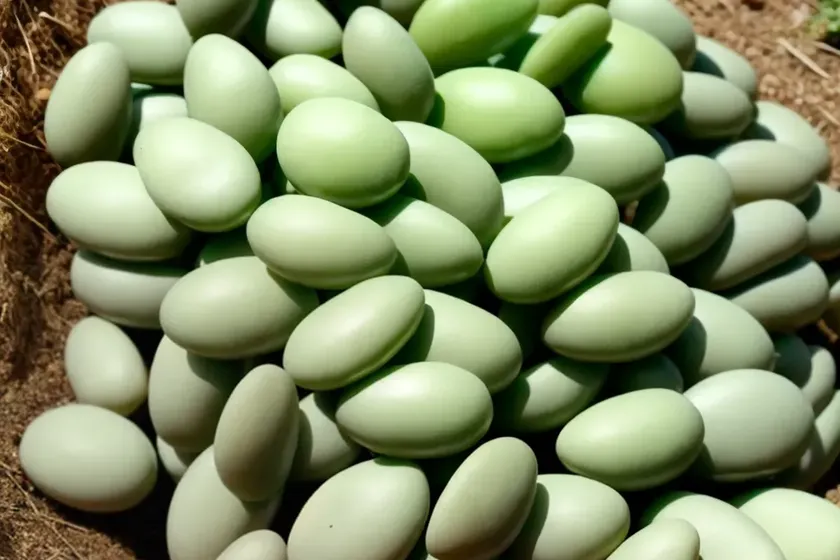
Lima beans, scientifically known as Phaseolus lunatus, are a delicious and nutritious addition to any garden. These beans are a popular choice among gardeners due to their ease of cultivation and versatility in various culinary dishes. If you are interested in growing Lima beans or simply want to explore more about this fascinating plant, this ultimate guide will provide you with comprehensive insights into their cultivation, care, and usage.
What is Phaseolus lunatus (Lima Beans)?
Phaseolus lunatus, commonly known as Lima beans, is a species of legume that is cultivated for its edible seeds, which are commonly referred to as beans. Lima beans are native to Central and South America and have been cultivated for thousands of years, making them an integral part of many traditional cuisines in the region.
Lima beans are characterized by their flat, kidney-shaped seeds and are available in both bush and pole varieties. These beans are an excellent source of plant-based protein, dietary fiber, and essential nutrients, making them a valuable addition to a balanced diet.
Key Takeaways – Phaseolus lunatus (Lima Beans)
Before delving into the details of cultivating and caring for Lima beans, let’s take a look at some key takeaways regarding this versatile plant:
- Lima beans are a rich source of plant-based protein and essential nutrients.
- They are available in bush and pole varieties, offering flexibility in cultivation.
- Lima beans are suitable for various culinary uses, including soups, stews, salads, and side dishes.
- The cultivation of Lima beans involves attention to watering, sunlight, soil, and fertilization requirements.
- Understanding common diseases and pests is essential for maintaining the health of Lima bean plants.
Cultivation of Phaseolus lunatus (Lima Beans)
Cultivating Lima beans can be a rewarding experience, whether you have a spacious garden or a small container. Understanding the specific requirements of Lima beans is crucial for successful cultivation and a bountiful harvest.
Water
Lima beans thrive in well-drained soil that is consistently moist but not waterlogged. Adequate water is crucial, especially during the flowering and pod development stages. When cultivating Lima beans, it is essential to maintain even moisture levels to promote healthy plant growth and ensure the development of plump and flavorful beans.
Sunlight
Full sun exposure is essential for the successful cultivation of Lima beans. These plants require a minimum of 6-8 hours of direct sunlight daily to thrive. When selecting a location for planting Lima beans, prioritize areas with ample sunlight and minimal shade to support robust growth and high-quality bean production.
Fertilizer
Before planting Lima beans, it is beneficial to prepare the soil with organic matter and a balanced fertilizer to provide essential nutrients for plant growth. Additionally, a side-dressing of fertilizer during the flowering and pod development stages can support healthy plant development and enhance bean production.
Soil
Lima beans prefer well-draining, fertile soil with a slightly acidic to neutral pH. Soil that is rich in organic matter and nutrients can significantly contribute to the overall health and productivity of Lima bean plants. Conduct a soil test before planting to assess the pH and nutritional content of the soil, and make necessary amendments to create an optimal growing environment for Lima beans.
Pruning
While Lima beans do not require extensive pruning, it is advisable to remove any dead or diseased foliage to promote air circulation and reduce the risk of disease. Additionally, pruning the lower branches of Lima bean plants can facilitate easier access for cultivation and harvesting.
Propagation of Phaseolus lunatus (Lima Beans)
Lima beans are typically propagated through direct seed sowing in the garden or containers. When sowing Lima bean seeds, it is essential to plant them at the appropriate depth and space them adequately to promote healthy plant development and efficient harvesting.
Container Popularity
Lima beans are well-suited for cultivation in containers, making them an excellent choice for urban and small-space gardens. When selecting containers for growing Lima beans, prioritize options with adequate depth and volume to accommodate the extensive root system of the plants.
Common Diseases
Lima beans are susceptible to certain diseases, including fungal infections and bacterial pathogens. Understanding the symptoms and preventative measures for common Lima bean diseases is essential for maintaining plant health and productivity.
Disease Diagnosis
Diagnosing and treating diseases affecting Lima bean plants is pivotal for preventing the spread of infections and preserving the overall vitality of the crop. Common diseases that may affect Lima beans include:
- Fusarium wilt
- Pythium root rot
- Angular leaf spot
- Anthracnose
Common Pests
Lima beans can be affected by various pests that may compromise the health and productivity of the plants. Implementing preventive measures and early pest detection can significantly mitigate the impact of common Lima bean pests, such as:
- Aphids
- Bean beetles
- Thrips
- Spider mites
Botanist’s Tips for Growing Phaseolus lunatus (Lima Beans)
To ensure the successful cultivation of Lima beans and maximize their yield, consider the following botanist’s tips:
- Plant Lima beans in well-draining soil with ample sunlight exposure for optimal growth.
- Maintain consistent moisture levels to support healthy plant development and bean production.
- Incorporate organic matter and balanced fertilizer into the soil to provide essential nutrients for Lima bean plants.
- Monitor plants for signs of diseases and pests, and take prompt action to prevent their spread and impact.
Fun Facts about Phaseolus lunatus (Lima Beans)
- Lima beans are named after the city of Lima, Peru, where the bean is believed to have been a staple food in the region.
- In addition to their culinary uses, Lima beans have been historically valued for their role in crop rotation and soil improvement due to their nitrogen-fixing properties.
- The term “butter bean” is often used interchangeably with Lima bean, reflecting the creamy texture and rich flavor of the beans when cooked.
Links to External Resources
To further expand your knowledge and expertise in cultivating and caring for Lima beans, explore the following external resources:
- Growing Lima Beans: A Complete Guide
- Lima Bean Nutrition and Health Benefits
- Guide to Plant Diseases and Their Management
- Pest Management in Organic Farming Systems
In conclusion, Phaseolus lunatus, or Lima beans, offer an array of culinary, nutritional, and horticultural benefits, making them a valuable addition to home gardens and agricultural settings. By understanding the specific requirements of Lima beans and implementing appropriate care practices, you can cultivate healthy, prolific plants and savor the delicious and nutritious beans they yield. Whether you are a novice gardener or an experienced horticulturist, the versatile nature of Lima beans makes them an enticing and rewarding plant to grow and enjoy.