Phalaenopsis Bellina (Moth Orchid)
The Phalaenopsis bellina, commonly known as the Moth Orchid, is a stunning and unique species of orchid that has captured the interest of plant enthusiasts.
Introduction
The Phalaenopsis bellina, commonly known as the Moth Orchid, is a stunning and unique species of orchid that has captured the interest of plant enthusiasts and casual admirers alike. Its graceful and delicate appearance, along with its relatively low maintenance requirements, make it a popular choice for both seasoned gardeners and those new to the world of orchid cultivation. In this comprehensive guide, we will delve into the various aspects of caring for and appreciating the Phalaenopsis bellina, catering to everyone from amateur hobbyists to dedicated plant collectors.
What is Phalaenopsis bellina (Moth Orchid)?
Phalaenopsis bellina, native to the rainforests of Borneo, is a captivating species of orchid renowned for its elegance and vibrant blooms. The name “Phalaenopsis” is derived from the Greek words “phalaina,” meaning moth, and “opsis,” meaning appearance, which aptly describes the flower’s resemblance to a moth in flight. It belongs to the orchid family Orchidaceae, which is one of the largest and most diverse plant families, comprising approximately 25,000 species and over 100,000 hybrids.
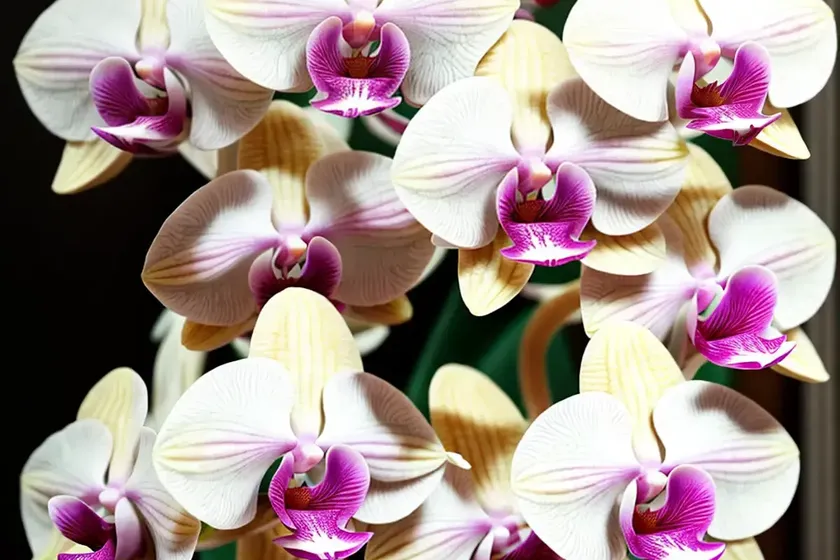
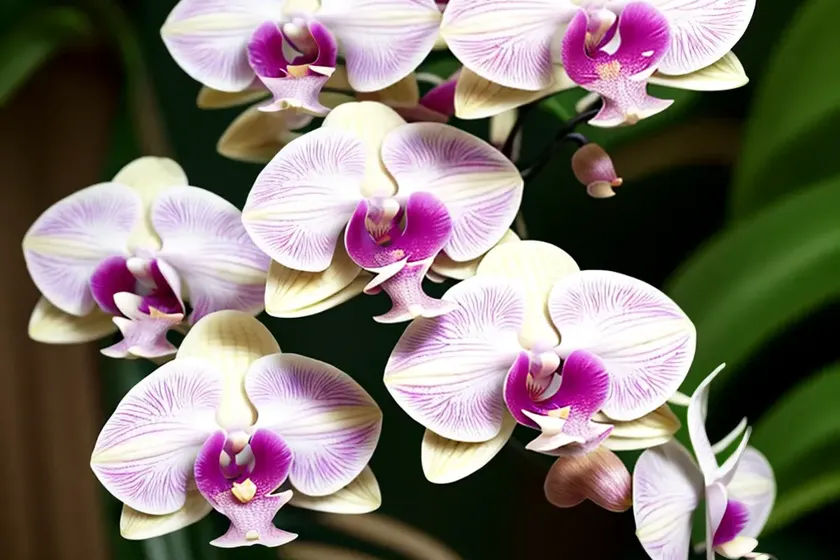
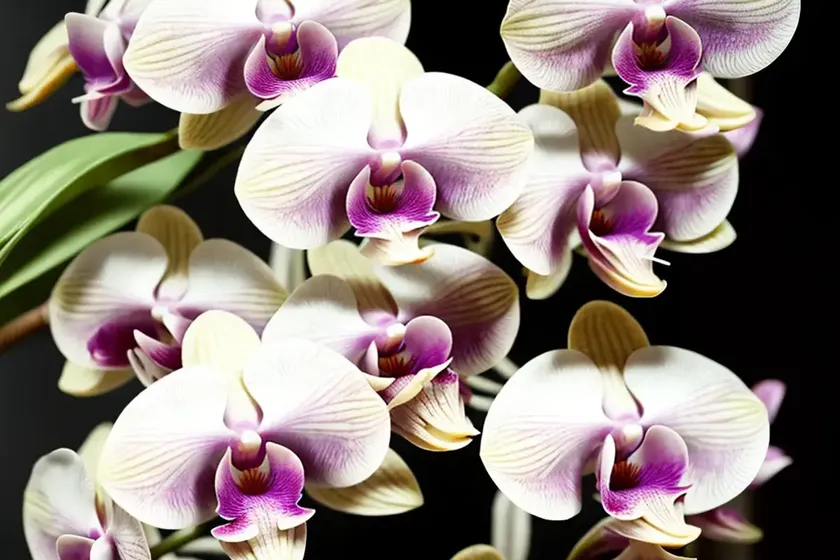
The Moth Orchid, as its common name suggests, displays flowers that mimic the appearance of a moth in flight. Its blossoms typically feature a mix of white, purple, and pink hues, contributing to its allure and earning it a special place among orchid enthusiasts.
Key Takeaways – Phalaenopsis bellina (Moth Orchid)
Let’s summarize some key takeaways for those looking to cultivate Phalaenopsis bellina:
- Characteristics: Graceful, moth-like flowers in shades of white, purple, and pink, with glossy, elongated leaves.
- Cultivation: Requires warm, humid conditions typical of its native rainforest habitat, making it well-suited for indoor cultivation in temperate climates.
- Care Requirements: Regular watering, partial shade, well-draining potting medium, and occasional fertilization are essential for its growth and blooming success.
- Challenges: Despite being relatively low-maintenance, Phalaenopsis bellina is susceptible to common orchid pests and diseases, necessitating preventive measures and proactive care.
- Propagation: Can be propagated through division or through offshoots, providing an opportunity for expanding your Moth Orchid collection.
Now, let’s delve deeper into each of these key aspects of cultivating and caring for Phalaenopsis bellina.
Culture
Uses
The Phalaenopsis bellina is renowned for its ornamental value and is widely sought after for its captivating flowers. It is a popular choice for indoor decoration and is often given as a gift on special occasions due to the exquisite beauty of its blooms.
Water
Proper watering is essential to maintaining healthy Phalaenopsis bellina plants. Like many orchid species, it is crucial to strike a balance, as overwatering can lead to root rot, while underwatering can cause dehydration and negative effects on blooming. The general rule of thumb is to water Phalaenopsis bellina when the potting medium feels almost dry to the touch. It’s advisable to water the orchid in the morning to allow any excess moisture to evaporate during the day, reducing the risk of fungal and bacterial diseases.
Sunlight
Phalaenopsis bellina thrives in moderate, indirect light. When grown indoors, it is recommended to place the orchid near east or west-facing windows to ensure it receives the adequate amount of sunlight without being subjected to harsh, direct rays.
Fertilizer
Regular fertilization is vital for the healthy growth and blooming of Phalaenopsis bellina. A balanced orchid fertilizer with an N-P-K ratio of approximately 20-20-20 can be applied every three to four weeks during the growing season. However, it is important to dilute the fertilizer to half or even a quarter of the recommended strength to avoid over-fertilization, which may lead to salt buildup in the potting medium and potentially damage the sensitive orchid roots.
Soil
Phalaenopsis bellina thrives in a well-draining potting medium that allows for sufficient aeration and prevents waterlogging. A typical orchid mix, comprising materials such as fir bark, sphagnum moss, perlite, and charcoal, is preferred to ensure the optimal growing conditions for the orchid’s roots.
Pruning
Pruning is a significant aspect of caring for Phalaenopsis bellina, primarily focusing on the removal of spent flower spikes and any withered or damaged leaves. This not only enhances the orchid’s aesthetic appeal but also promotes the circulation of air around the plant, minimizing the risk of disease and pest infestations.
Propagation
Phalaenopsis bellina can be propagated through division or by utilizing offshoots, commonly known as keikis. Keikis are small plantlets that develop along the flower spike or at the base of the orchid. These can be carefully detached and potted separately to establish new plants. Division is another effective method, typically carried out during repotting, where the orchid is carefully separated into distinct sections, each containing a part of the root system and at least one growth shoot.
Container
When choosing a container for Phalaenopsis bellina, it is essential to prioritize functionality and the unique requirements of the orchid. An orchid pot with ample drainage holes and made of a breathable material, such as plastic or clay, is typically preferred to ensure adequate airflow and prevent waterlogging.
Popularity
Phalaenopsis bellina has garnered widespread popularity among orchid enthusiasts, horticulturists, and indoor plant aficionados due to its elegant appearance, relatively manageable care requirements, and the rewarding experience of witnessing its stunning blossoms. It is often featured in botanical gardens, orchid exhibitions, and private collections, further contributing to its allure and appeal.
Common Diseases
Disease Diagnosis
Phalaenopsis bellina, like many orchid species, is susceptible to fungal, bacterial, and viral diseases, most of which are attributed to excessive moisture, inadequate air circulation, and poor cultural practices. Common orchid diseases include root rot, leaf spot, and various forms of blight. Diagnosing orchid diseases involves careful observation of symptoms such as wilting, discoloration, and abnormal growth patterns, followed by appropriate intervention measures.
Common Pests
Phalaenopsis bellina is vulnerable to an array of orchid pests, including aphids, scales, spider mites, and mealybugs, which can compromise the vitality and aesthetic appeal of the orchid if left unaddressed. Regular monitoring and preventive measures such as maintaining hygienic growing conditions, inspecting new additions to the collection, and using biological controls when necessary are crucial for managing pest infestations effectively.
Botanist’s Tips
Here are some expert tips for cultivating Phalaenopsis bellina and ensuring its long-term health and blooming success:
- Maintain Consistent Humidity: Orchids such as Phalaenopsis bellina thrive in environments with relatively high humidity. Utilizing a humidity tray or placing the orchid in a room with a humidifier can help create the ideal growing conditions.
- Monitor Watering Closely: Pay close attention to the moisture levels in the potting medium, adjusting the watering frequency based on the orchid’s specific needs and the prevailing environmental conditions.
- Provide Adequate Air Circulation: Proper air circulation is essential for preventing fungal diseases and ensuring the overall well-being of Phalaenopsis bellina. Positioning a small fan near the orchid can help improve air movement, especially in indoor growing spaces.
- Implement Balanced Fertilization: When fertilizing Phalaenopsis bellina, aim for a balanced approach, avoiding excessive applications that can lead to nutrient imbalances and potential damage to the delicate orchid roots.
- Observe for Symptoms of Stress: Regularly inspect the leaves, roots, and overall appearance of the plant for any signs of stress, such as discoloration, wilting, or unusual growth, to address any issues promptly and prevent further complications.
Fun Facts
- The specific epithet “bellina” in Phalaenopsis bellina is derived from the Latin word for beautiful, alluding to the orchid’s captivating and elegant flowers.
- Phalaenopsis bellina is a primary parent species for creating numerous hybrids, contributing to the diversified array of Moth Orchid cultivars available in the horticultural market.
Links to External Resources
For additional information on Phalaenopsis bellina (Moth Orchid) and related topics, refer to the following resources:
In conclusion, the enchanting Phalaenopsis bellina, or Moth Orchid, holds a special place in the realm of orchid cultivation, captivating enthusiasts with its elegant blossoms and relatively manageable care requirements. Whether you are a seasoned orchid enthusiast or a novice plant lover, the allure of cultivating this exquisite orchid species is undeniable. With proper attention to its unique cultural requirements and dedicated care, Phalaenopsis bellina can reward growers with the joy of witnessing its delicate, moth-like flowers in all their splendor.
As you venture into the world of tropical orchids and Moth Orchid care, keep in mind the valuable insights shared in this comprehensive guide, ensuring that your journey with Phalaenopsis bellina is filled with beauty, fascination, and the sheer delight of nurturing these remarkable plants.
Keywords: Orchid varieties, Tropical orchids, Moth orchid care, Bellina orchid, Growing moth orchids, Tips for cultivating Phalaenopsis bellina, How to care for Phalaenopsis bellina, Moth orchid species, Indoor orchid care, Orchid plant care, Moth orchid maintenance, Phalaenopsis bellina characteristics, Moth orchid diseases, Moth orchid pests, Orchid flower colors, Moth orchid water requirements, Orchid potting mix, Moth orchid blooming season, Phalaenopsis bellina origins, Moth orchid propagation, Orchid sunlight requirements, Moth orchid fertilizer, Phalaenopsis bellina hybrids, Moth orchid temperature needs, Orchid humidity preferences, Moth orchid foliage, Phalaenopsis bellina growth stages, Moth orchid indoor lighting, Orchid root health, Moth orchid flowering process, Phalaenopsis bellina dormancy, Moth orchid air circulation, Orchid potting techniques, Moth orchid pot selection, Phalaenopsis bellina pruning, Moth orchid repotting, Orchid dormancy period, Moth orchid aerial roots, Phalaenopsis bellina water schedule, Moth orchid fragrance, Orchid pests and diseases prevention, Moth orchid leaf care, Phalaenopsis bellina blooming tips, Moth orchid humidity tray, Orchid division techniques, Moth orchid fertilizer schedule, Phalaenopsis bellina lighting requirements, Moth orchid growth patterns, Orchid pot drainage, Moth orchid post-bloom care


