Petunia ‘Wave Purple’)
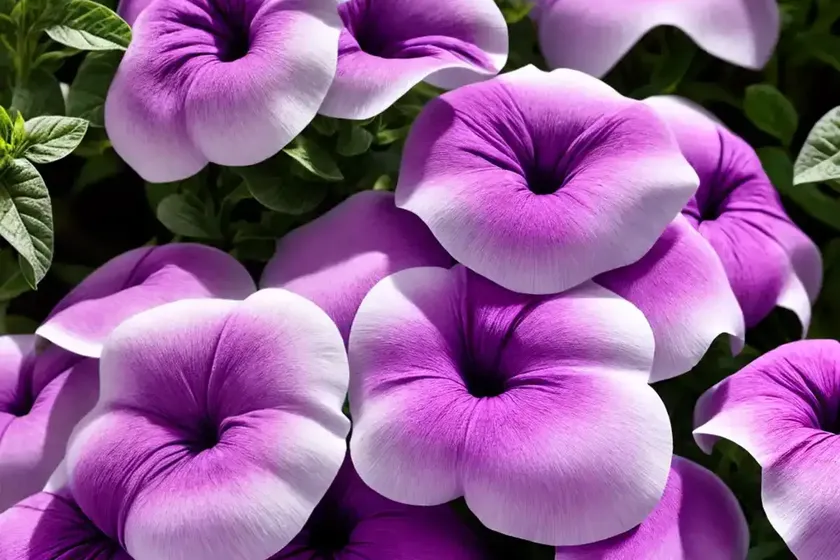
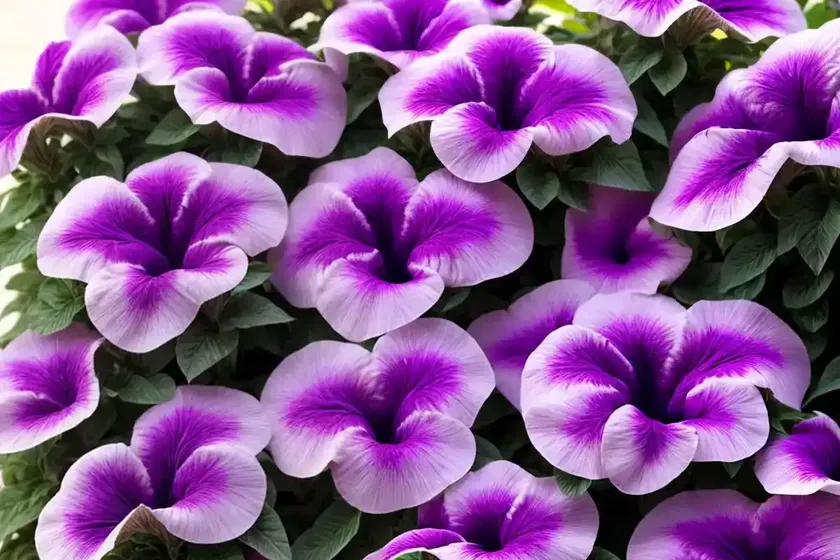
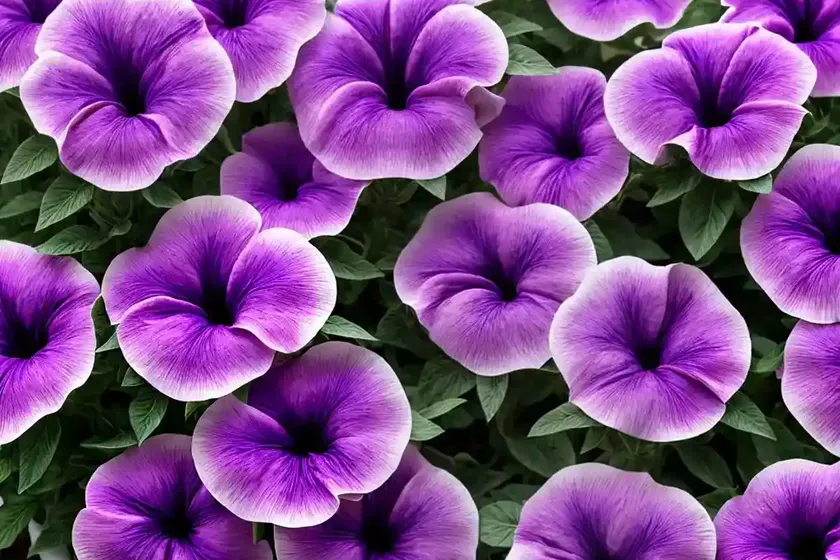
Petunia ‘Wave Purple’ is a popular and vibrant trailing petunia cultivar known for its stunning purple blooms. It is a versatile and low-maintenance plant.
What is Plant “Petunia ‘Wave Purple'”?
Petunia ‘Wave Purple’ is a popular and vibrant trailing petunia cultivar known for its stunning purple blooms. It is a versatile and low-maintenance plant that thrives in various conditions, making it a favorite choice for gardeners and landscapers alike.
Key Takeaways – Petunia ‘Wave Purple’
- Care: Provide well-draining soil, adequate sunlight, and regular watering.
- Characteristics: Trailing habit, vibrant purple blooms, low maintenance.
- Planting Tips: Best planted after the threat of frost has passed in spring.
- Blooms: Abundant purple blooms from late spring to early fall.
- Maintenance: Deadhead spent blooms to encourage continuous flowering.
- Watering: Ensure consistent moisture levels; avoid waterlogged soil.
- Fertilization: Feed with balanced liquid fertilizer every 2-3 weeks.
- Pruning: Trim back leggy growth to promote bushier plants.
- Disease Resistance: Relatively resistant to common petunia diseases.
- Pests: Keep an eye out for aphids, slugs, and snails.
Culture
Uses
Petunia ‘Wave Purple’ is commonly used in:
- Hanging baskets
- Window boxes
- Container gardens
- Edging plant in flower beds
- Ground cover
Water
- Watering Needs: Petunia ‘Wave Purple’ thrives when the soil is consistently moist but not waterlogged.
- Irrigation: Water deeply when the soil feels dry to the touch, especially during hot, dry periods.
- Avoid Overwatering: Soggy soil can lead to root rot and other issues, so ensure proper drainage in containers and garden beds.
Sunlight
- Sun Requirements: Petunia ‘Wave Purple’ thrives in full sun, receiving at least 6-8 hours of direct sunlight each day.
- Positive Effects: Abundant sunlight promotes vigorous growth and profuse flowering.
- Shade Tolerance: While tolerant of some light shade, reduced sunlight may lead to decreased blooming intensity.
Fertilizer
- Fertilization Schedule: Feed with a balanced liquid fertilizer every 2-3 weeks; adjust frequency based on plant growth and container size.
- Application Method: Dilute the fertilizer according to the manufacturer’s instructions, and apply to moist soil to avoid root burn.
- Effect on Blooming: Regular feeding encourages continuous blooms and overall plant health.
Soil
- Soil Preferences: Petunia ‘Wave Purple’ thrives in well-draining, fertile soil with a slightly acidic to neutral pH (6.0-7.0).
- Amending Soil: Incorporate organic matter such as compost or peat moss to improve soil structure and fertility.
- Container Growing: Use a high-quality potting mix designed for flowering annuals when growing in containers.
Pruning
- Pruning As Needed: Trim back leggy or overgrown stems to promote bushier growth and encourage continuous blooming.
- Deadheading: Remove spent blooms regularly to prevent seed formation and encourage the production of new flowers.
Propagation
- Propagation Methods: Easily propagated from stem cuttings or seeds.
- Cutting Propagation: Take 4-6 inch cuttings from healthy plants, remove lower leaves, and place in a well-draining rooting medium.
- Seed Propagation: Sow seeds indoors 8-10 weeks before the last frost, keeping the soil consistently moist until germination.
Container Popularity
Petunia ‘Wave Purple’ is a favored choice for container gardening due to its trailing habit and vibrant purple blooms. It can be grown in various container types, including hanging baskets, window boxes, and decorative pots, adding a colorful touch to porches, patios, and balconies.
Container Common Diseases
- Root Rot: Caused by soil that is consistently waterlogged, leading to rotting of the roots.
- Pest Infestations: Insects such as aphids and whiteflies may target plants in containers, requiring proactive pest management measures.
Disease Diagnosis
When observing signs of disease or stress on Petunia ‘Wave Purple’ plants, it is crucial to assess the symptoms carefully for accurate diagnosis. Common indicators of disease or pest issues include wilting, yellowing leaves, leaf spots, and unusual growth patterns. Prompt intervention and treatment are essential to prevent the spread of diseases and minimize plant damage.
Common Pests
- Aphids: Small, soft-bodied insects that cluster on the undersides of leaves, sucking plant sap and excreting honeydew.
- Slugs and Snails: Nocturnal pests that feed on plant foliage, leaving irregular holes and damage on leaves.
- Whiteflies: Tiny, flying insects that congregate on the undersides of leaves, causing stress to plants and transmitting plant viruses.
Botanist’s Tips
- Continuous Deadheading: Regularly remove spent blooms to stimulate the production of new flowers and maintain a tidy appearance.
- Consistent Moisture: Ensure soil moisture levels remain consistent to prevent stress and encourage vigorous growth.
- Adequate Sunlight: Position plants in an area with ample sunlight to promote robust flowering and overall plant health.
- Fertilize Regularly: Feed with a balanced fertilizer to provide essential nutrients for sustained growth and blooming.
- Vigilant Pest Monitoring: Keep an eye out for signs of pest activity and implement necessary pest control measures to protect plants.
Fun Facts
- The vibrant purple blooms of Petunia ‘Wave Purple’ act as a magnet for pollinators such as butterflies and hummingbirds.
- Petunias are classified under the family Solanaceae, which also includes plants such as tomatoes, peppers, and potatoes.
Links to External Resources
- Petunia Care Guide by the National Gardening Association
- Petunia ‘Wave Purple’ – Growing and Care Tips by Proven Winners
- Container Gardening with Petunias by the Royal Horticultural Society
In conclusion, Petunia ‘Wave Purple’ is a delightful and versatile flowering plant that adds a colorful touch to various garden settings and containers. By understanding its specific care requirements and considering its cultural uses, gardeners can fully appreciate the beauty and charm that this trailing petunia cultivar brings to outdoor spaces. With proper attention to watering, sunlight, feeding, and preventative measures against pests and diseases, Petunia ‘Wave Purple’ can flourish and provide an exceptional display of purple blooms throughout the growing season.


