Petunia ‘Shock Wave Rose’)
As a plant scientist with a passion for exploring the fascinating world of flora, I’m excited to delve into the captivating realm of the Petunia ‘Shock.

Introduction: Understanding the Petunia Plant
As a plant scientist with a passion for exploring the fascinating world of flora, I’m excited to delve into the captivating realm of the Petunia ‘Shock Wave Rose’. With its vibrant blooms and trailing habit, this charming petunia variety has carved a special place in the hearts of gardening enthusiasts. In this comprehensive guide, we will unravel the intricacies of nurturing and caring for the Petunia ‘Shock Wave Rose’, exploring its cultural requirements, growth conditions, propagation techniques, common diseases and pests, and much more.
What is Petunia ‘Shock Wave Rose’?
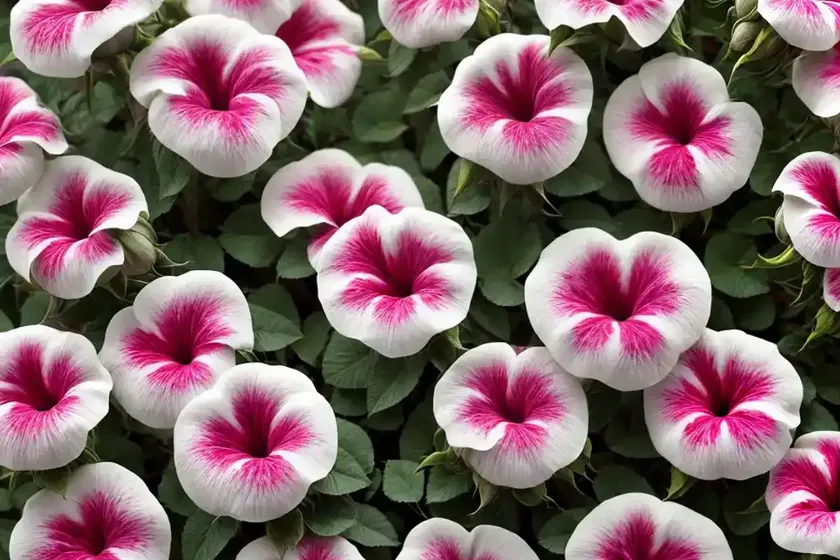
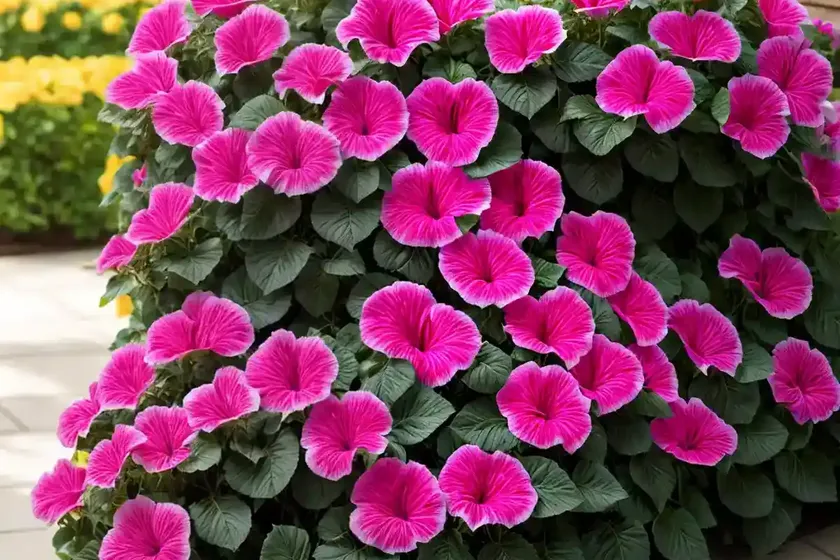
Petunia ‘Shock Wave Rose’ is a stunning variety of petunia that is renowned for its abundant, vibrant pink flowers and its trailing growth habit. This hybrid petunia is a favorite choice for gardeners and landscapers who seek to add a burst of color and a cascading floral display to their outdoor spaces. With its profusion of blooms and its low-maintenance nature, this petunia variety is a popular option for containers, hanging baskets, and ground cover applications.
Key Takeaways
Before we plunge into the specifics of growing and caring for the Petunia ‘Shock Wave Rose’, let’s highlight the key takeaways for this beautiful plant.
- Plant Name : Petunia ‘Shock Wave Rose’
- Common Names : Shock Wave Rose Petunia
- Scientific Name : Petunia × hybrida ‘Shock Wave Rose’
Now that we have a clear understanding of the plant we are about to explore, let’s embark on a journey through the various aspects of its care and cultivation.
Culture
The cultural requirements of the Petunia ‘Shock Wave Rose’ play a pivotal role in determining its growth, blooming, and overall health. Let’s delve into the essential aspects of understanding and meeting the plant’s cultural needs.
Water
Watering is a critical aspect of cultivating healthy and vibrant Petunia ‘Shock Wave Rose’ plants. Here are some essential guidelines for watering this petunia variety:
- Moderate Watering : Petunias thrive in moist but well-drained soil. It’s crucial to ensure that the soil is not waterlogged, as this can lead to root rot and other moisture-related issues. Water the plants deeply when the top inch of soil feels dry to the touch.
- Morning Watering : Watering in the morning allows the foliage and flowers to dry off during the day, reducing the risk of fungal diseases.
Sunlight
Proper sunlight is essential for the healthy growth and prolific flowering of Petunia ‘Shock Wave Rose’. Here’s what you need to know about providing adequate sunlight to these plants:
- Full Sun : Petunias thrive in full sunlight, preferring at least 6-8 hours of direct sun per day. Placing them in a location with ample sunlight will promote robust growth and abundant flowering.
Fertilizer
Fertilization is a key practice in sustaining the vigor and blooming capacity of Petunia ‘Shock Wave Rose’. Choose a fertilizer with a balanced formulation, such as a 10-10-10 or 20-20-20 NPK ratio, and follow these guidelines for optimal results:
- Regular Feeding : Apply a water-soluble fertilizer every 2-4 weeks throughout the growing season to support healthy growth and continuous blooming.
- Diluted Fertilizer : When fertilizing, dilute the fertilizer to half or one-quarter of the recommended strength to prevent the risk of fertilizer burn.
Soil
The soil in which Petunia ‘Shock Wave Rose’ is planted plays a crucial role in its development and well-being. Here are the key soil-related considerations for this petunia variety:
- Well-Drained Soil : Petunias require well-drained soil to prevent waterlogging and root-related issues. A lightweight potting mix with added perlite or coarse sand is ideal for container-grown petunias.
- ** pH Range** : The optimal pH range for the soil is between 6.0 and 7.5, providing an ideal environment for nutrient uptake and overall plant health.
Pruning
Pruning is an essential practice for maintaining the compact and vigorous growth of Petunia ‘Shock Wave Rose’, especially in container and hanging basket applications. Here are some key pruning guidelines for this petunia variety:
- Deadheading : Regularly remove spent flowers by pinching or cutting them off to encourage continuous blooming and prevent seed formation.
- Trimming Leggy Growth : If the plant becomes leggy or unruly, trim it back by one-third to promote branching and a more compact growth habit.
Propagation
Propagating Petunia ‘Shock Wave Rose’ allows you to expand your collection of these beautiful plants and share them with fellow gardening enthusiasts. Here’s how you can propagate this petunia variety:
- Cutting Propagation : Propagate petunias from stem cuttings taken from healthy, actively growing plants. Dip the cut end in rooting hormone and plant it in a well-draining potting mix, keeping it consistently moist until roots develop.
Container Popularity
The trailing habit and vibrant blooms of Petunia ‘Shock Wave Rose’ make it a popular choice for container gardening. Whether in hanging baskets, window boxes, or decorative pots, this petunia variety adds a splash of color and visual interest to any outdoor space.
Container Uses
The versatility of Petunia ‘Shock Wave Rose’ makes it suitable for various container applications. Here are some common uses of this petunia variety in containers:
- Hanging Baskets : Create stunning cascading displays by planting Petunia ‘Shock Wave Rose’ in hanging baskets, allowing the vibrant blooms to spill over the edges.
- Window Boxes : Line window boxes with Petunia ‘Shock Wave Rose’ for an eye-catching floral display that adds charm and color to your home’s exterior.
- Patio Containers : Potted Petunia ‘Shock Wave Rose’ plants brighten up patios, decks, and outdoor entertainment areas, creating a welcoming and enchanting ambiance.
Common Diseases
Like any plant, Petunia ‘Shock Wave Rose’ is susceptible to certain diseases that can affect its health and vigor. By being aware of these potential issues, you can take proactive measures to prevent and manage them effectively.
Disease Diagnosis
Understanding the symptoms and signs of common diseases that affect Petunia ‘Shock Wave Rose’ is crucial for early diagnosis and effective intervention. Here are some common diseases to watch out for:
- Botrytis Blight : This fungal disease causes gray mold on the flowers and leaves, leading to wilt and decay.
- Powdery Mildew : Characterized by a powdery white coating on the leaves and stems, powdery mildew can impact the plant’s overall health.
- Root Rot : Excessive soil moisture and poor drainage can lead to root rot, causing wilting and decline in the plant’s vigor.
Common Pests
Pests can pose a threat to the health and beauty of Petunia ‘Shock Wave Rose’, but with proper vigilance and management, you can keep these nuisances at bay.
Pest Control
Here are some common pests that may target Petunia ‘Shock Wave Rose’ and effective pest control measures to consider:
- Aphids : These tiny, soft-bodied insects can cluster on the undersides of leaves, sucking sap from the plant. Use insecticidal soap or neem oil to control aphids effectively.
- Whiteflies : Whiteflies can be deterred using yellow sticky traps and controlled with insecticidal soap or horticultural oil.
- Slugs and Snails : Hand-picking these pests or using organic slug and snail baits can prevent damage to Petunia ‘Shock Wave Rose’ plants.
Botanist’s Tips
As a plant scientist with a passion for promoting the health and well-being of plants, I offer the following tips to help you achieve the best results in cultivating and caring for Petunia ‘Shock Wave Rose’:
- Stay Vigilant : Regularly inspect your Petunia ‘Shock Wave Rose’ plants for signs of pests, diseases, and nutrient deficiencies, taking prompt action when necessary.
- Consistent Care : Provide consistent care in terms of watering, fertilization, and sunlight exposure to foster healthy growth and abundant flowering.
- Pruning Matters : Don’t overlook the importance of deadheading and trimming to maintain the plant’s shape, promote continuous blooming, and prevent disease.
Fun Facts
To add an intriguing dimension to our exploration of Petunia ‘Shock Wave Rose’, let’s delve into some fun and fascinating facts about this delightful petunia variety:
- Did you know that petunias belong to the Solanaceae or nightshade family, which also includes tomatoes, potatoes, and peppers?
- The name “petunia” is derived from a Native American word for tobacco, alluding to the visual similarity between the two plants.
Links to External Resources
For further exploration of Petunia ‘Shock Wave Rose’ and related topics, consider delving into these external resources:
- The American Horticultural Society
- The Royal Horticultural Society
- University Extensions – Gardening Resources
Conclusion
In closing, the Petunia ‘Shock Wave Rose’ emerges as a captivating and versatile plant, offering an array of visual and horticultural delights to gardening enthusiasts. By understanding and catering to its cultural needs, being proactive in disease and pest management, and embracing the joys of nurturing these charming plants, you can bring a tapestry of vibrant blooms and cascading foliage into your outdoor spaces.
With the comprehensive insights and guidelines provided in this guide, you are well-equipped to embark on a rewarding journey of planting, growing, and caring for Petunia ‘Shock Wave Rose’, unlocking its full potential and adding a touch of natural splendor to your garden and landscape.
So, seize this opportunity to welcome the enchanting allure of Petunia ‘Shock Wave Rose’ into your gardening repertoire, and savor the vibrant beauty and rewarding experience it brings into your world of horticulture. Happy gardening!


