Petunia ‘Easy Wave Pink Passion’
Introduction to Petunias
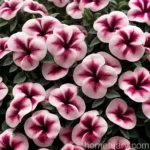
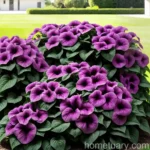
Petunia ‘Easy Wave Pink Passion’ is a delightful flowering plant celebrated for its vibrant pink blooms that add a pop of color to any garden or landscape. As a plant scientist, I am excited to share with you the key information about this stunning petunia variety – from its culture, uses, and care guidelines to disease management and propagation techniques. Whether you are a seasoned gardener or embarking on your first plant journey, this comprehensive guide will provide you with the knowledge needed to foster healthy, flourishing Petunia ‘Easy Wave Pink Passion’ plants.
Key Takeaways
Before delving deeper into the specifics of caring for Petunia ‘Easy Wave Pink Passion’, let’s highlight some key takeaways about this captivating plant:
- Pink Passion petunias are a part of the Easy Wave Petunia variety, known for their low-maintenance characteristics and vibrant flower colors.
- These petunias thrive in full sun, making them ideal for summer blooming in gardens, hanging baskets, and borders.
- With proper care, Petunia ‘Easy Wave Pink Passion’ can offer long-lasting, vibrant blooms and act as an excellent option for attracting pollinators.
- The plant is a popular choice for container gardening and can be used to create colorful flower arrangements or mass plantings.
Now, let’s explore the detailed care guidelines for Petunia ‘Easy Wave Pink Passion’ to ensure that you can nurture these stunning pink flowering plants to their fullest potential.
Culture
Cultivating Petunia ‘Easy Wave Pink Passion’ involves understanding its specific cultural requirements to promote healthy growth and abundant blooms.
Water
Petunias generally prefer regular watering, especially during dry spells, to keep the soil consistently moist. Adequate hydration is crucial for promoting robust growth and continuous flowering. However, it’s important to avoid overwatering as this can lead to root rot and other water-related issues.
Sunlight
These vibrant pink petunias thrive in full sun, requiring at least 6 to 8 hours of direct sunlight per day to flourish. Placing them in sunny locations will ensure that they produce an abundance of blooms, making them an ideal addition to gardens, borders, and hanging baskets.
Fertilizer
To encourage healthy growth and prolific flowering, it’s advisable to fertilize Petunia ‘Easy Wave Pink Passion’ regularly. A balanced, water-soluble fertilizer with a higher phosphorus content can be applied every two to three weeks to provide the necessary nutrients for vibrant blooms.
Soil
Petunias thrive in well-draining soil with a slightly acidic to neutral pH. It’s essential to ensure that the soil provides good aeration to prevent waterlogging, which can negatively impact the plant’s health. Additionally, incorporating organic matter into the soil can enhance its fertility and structure, promoting optimal growth.
Pruning
Regular deadheading, or the removal of spent blooms, is essential for encouraging continuous flowering in Petunia ‘Easy Wave Pink Passion’. This practice directs the plant’s energy towards producing new blooms, ensuring a prolonged flowering period. Additionally, trimming back leggy or overgrown stems can help maintain a compact, lush appearance.
Propagation
Petunias can be propagated through both seeds and cuttings. While seed propagation allows for growing new plants from scratch, cuttings offer a quicker way to propagate and ensure that the new plants retain the desirable traits of the parent plant. Propagation from cuttings involves taking stem sections from healthy, established plants and rooting them in a suitable growing medium.
Container Popularity
Petunia ‘Easy Wave Pink Passion’ is a popular choice for container gardening due to its cascading growth habit and vibrant blooms. When grown in containers, these petunias can be showcased on patios, balconies, or porches, adding a burst of color to urban gardens and outdoor living spaces. Their low-maintenance nature makes them an excellent option for container gardening enthusiasts.
Common Diseases
Despite their resilience, Petunia ‘Easy Wave Pink Passion’ plants can be susceptible to certain diseases that may impact their overall health and vigor. It’s crucial to be aware of common diseases that affect petunias and understand how to manage and prevent them effectively.
Disease Diagnosis
Identifying common diseases such as powdery mildew, botrytis, and fungal leaf spots early is key to implementing prompt and effective disease management strategies. Regular inspection of the plants for symptoms such as discolored or distorted leaves, powdery growth, or dark spots can aid in early diagnosis and targeted treatment.
Common Pests
Petunias can attract various pests, including aphids, spider mites, and thrips, which might pose a threat to the plants’ well-being. It’s important to monitor the plants for signs of pest infestations, such as distorted growth, stippling on leaves, or visible pests, and take appropriate measures to address and mitigate the pest pressures effectively.
Botanist’s Tips
As a plant scientist, I’d like to share some specialized tips for caring for Petunia ‘Easy Wave Pink Passion’ to ensure that you can optimize their growth and flowering potential:
- Regular deadheading is crucial for continuous flowering in petunias. It not only maintains the plant’s aesthetic appeal but also encourages the production of new blooms.
- When planting petunias in containers, opt for well-draining potting mix specifically formulated for flowering plants to provide them with an ideal growing environment.
- To prevent pest infestations, incorporate companion plants with natural pest-repelling properties, such as marigolds or herbs, into your garden or container displays.
Fun Facts
Here are some intriguing fun facts about Petunia ‘Easy Wave Pink Passion’ to deepen your appreciation for these eye-catching plants:
- The word “petunia” is derived from the Native American word “petun,” which translates to “tobacco.” This is reflective of the plant’s botanical relationship with tobacco, both belonging to the nightshade family, Solanaceae.
- Petunias are native to South America and were introduced to Europe in the 19th century before gaining popularity as garden ornamentals worldwide.
- Petunias exhibit a wide range of flower colors, including various shades of pink, red, purple, white, and even bi-colored blooms, offering a diverse palette for gardeners and landscapers to work with.
Links to External Resources
For further information and resources on Petunia ‘Easy Wave Pink Passion’ and petunia care in general, consider exploring the following links:
- Proven Winners – Growing Petunias
- The Old Farmer’s Almanac – How to Grow Petunias
- University of Florida IFAS Extension – Petunia Production Guide
By integrating the insights and practices outlined in this guide, you can confidently nurture Petunia ‘Easy Wave Pink Passion’ and witness the spectacle of their vibrant and abundant pink blooms in your garden or landscape. Whether you are a passionate gardener, a landscaping enthusiast, or someone embarking on their plant care journey, the allure of Petunia ‘Easy Wave Pink Passion’ is sure to captivate and bring joy to your horticultural pursuits.