All About Persicaria bistorta ‘Superba’ (Bistort)
In the world of plants, Persicaria bistorta ‘Superba’, commonly known as Bistort, is a perennial flowering plant that has gained popularity due to its ornamental value and versatile uses. This article will explore the various aspects of this plant, including its characteristics, cultivation, maintenance, and uses. Whether you are an avid gardener, a landscaping enthusiast, or simply someone intrigued by the beauty and functionality of plants, this comprehensive guide will provide valuable insights into the world of Persicaria bistorta ‘Superba’.
What is Plant: Persicaria bistorta ‘Superba’ (Bistort)
Overview
Persicaria bistorta ‘Superba, belonging to the Polygonaceae family, is a herbaceous perennial plant that originates from Europe and Western Asia. This plant is renowned for its attractive and distinctive features, making it a desirable addition to gardens, landscapes, and natural habitats. Its botanical name, Persicaria bistorta, reflects its characteristic twisted or “snakelike” appearance of the roots, which is derived from the Latin word “bis” (twice) and “torta” (twisted).
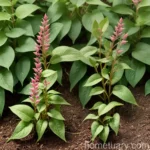
The ‘Superba’ variety is particularly valued for its robust nature, vibrant flowers, and ability to thrive in various environmental conditions. With its dense, elongated spikes of pink or red flowers and lush foliage, Persicaria bistorta ‘Superba’ contributes to the aesthetics and biodiversity of its surroundings.
Key Takeaways – Persicaria bistorta ‘Superba’
Before delving into the specific aspects of cultivating and caring for Persicaria bistorta ‘Superba’, it is essential to understand the key takeaways associated with this plant. These fundamental insights provide a foundational understanding of its significance and potential in different contexts:
- Botanical Name: Persicaria bistorta ‘Superba’
- Common Name: Bistort
- Family: Polygonaceae
- Plant Type: Herbaceous perennial
- Origin: Europe, Western Asia
- Characteristics: Twisted roots, elongated spikes of pink or red flowers, lush foliage
- Uses: Ornamental plant, wildlife attraction, landscaping, medicinal purposes
- Adaptability: Thrives in various environmental conditions
- Maintenance: Low maintenance, resilient to diseases and pests
- Popularity: Widely favored for its ornamental and functional attributes
With these essential details in mind, we can now explore the specific factors and practices involved in successfully nurturing and utilizing Persicaria bistorta ‘Superba’.
Culture
Water
Persicaria bistorta ‘Superba’ exhibits moderate water requirements, preferring consistently moist soil without being waterlogged. Adequate watering is crucial during its active growth phase, especially in conditions of prolonged dryness or high temperatures. While this plant can tolerate short periods of drought, maintaining an evenly moist soil environment contributes to its overall vitality and flowering capacity.
Sunlight
In terms of sunlight exposure, Persicaria bistorta ‘Superba’ thrives in partial shade to full sun conditions. It is adaptable to a range of light intensities, making it suitable for various landscaping and gardening settings. However, providing partial shade can be beneficial in warmer climates or during particularly hot periods, aiding in moisture retention and preventing stress on the plant.
Fertilizer
When it comes to fertilization, Persicaria bistorta ‘Superba’ benefits from a balanced, organic fertilizer applied in early spring as new growth emerges. Incorporating a slow-release fertilizer or compost into the soil around the plant can support its nutrient requirements throughout the growing season. Regular application of fertilizer helps promote healthy foliage and robust flowering, contributing to the overall vigor of the plant.
Soil
With regards to soil preferences, Persicaria bistorta ‘Superba’ thrives in well-draining, loamy soil with a slightly acidic to neutral pH range. It can adapt to various soil types, including clay and sandy soils, as long as they provide adequate drainage and aeration. Amending the soil with organic matter such as compost or peat moss can enhance its texture and nutrient content, fostering an optimal growing environment for the plant.
Pruning
Pruning is an essential aspect of maintaining the appearance and health of Persicaria bistorta ‘Superba’. Regular deadheading of faded flowers encourages continuous blooming and prevents self-seeding, ensuring a tidy and vibrant display of flowers. Additionally, cutting back the foliage after the flowering period can promote the emergence of fresh growth and aid in controlling the plant’s size and shape.
Propagation
Division
Persicaria bistorta ‘Superba’ can be propagated through division, which involves separating and replanting established clumps of the plant. Spring or early fall is the ideal time for dividing the plant, as it allows the divisions to establish themselves before the onset of extreme temperatures. Dividing the plant every few years not only facilitates its propagation but also revitalizes its vigor and flowering potential.
Seed Propagation
Alternatively, Persicaria bistorta ‘Superba’ can be propagated from seeds, which are formed within the plant’s ornamental spikes after flowering. Collecting and sowing the seeds in a suitable growing medium, followed by consistent moisture and warmth, can yield new seedlings. This method provides an opportunity to introduce and propagate specific varieties of Persicaria bistorta ‘Superba’ with distinct characteristics or colors.
Container Popularity
The adaptability of Persicaria bistorta ‘Superba’ makes it well-suited for container gardening, allowing individuals to incorporate this ornamental plant into diverse outdoor living spaces and landscapes. Its attractive flowers and foliage provide visual appeal, while its relatively low maintenance requirements make it a practical choice for container cultivation. Whether used as a standalone feature or as part of a mixed container arrangement, this plant adds depth and color to patio areas, balconies, and outdoor settings with limited ground space.
Common Diseases
Disease Resistance
Persicaria bistorta ‘Superba’ exhibits a resilient nature, displaying a notable resistance to common plant diseases. Its robust growth habit, coupled with proper cultural practices such as adequate air circulation and soil drainage, contributes to its overall disease resistance. However, monitoring for any signs of foliar diseases such as powdery mildew or leaf spot is advisable, especially in conditions of high humidity or insufficient air movement.
Disease Diagnosis
In the event of suspected disease issues, it is essential to accurately diagnose the specific ailment affecting Persicaria bistorta ‘Superba’. Consulting with a plant pathologist or experienced horticulturist can aid in identifying the underlying cause and implementing targeted treatment or management strategies. Visual symptoms, such as unusual discoloration, wilting, or lesions on the foliage, serve as indicators for further investigation and intervention.
Common Pests
Pest Resistance
Persicaria bistorta ‘Superba’ demonstrates an inherent resistance to many common garden pests, reducing the likelihood of infestations and associated damage. Its natural defenses and robust growth contribute to its ability to withstand pest pressure, making it a relatively low-maintenance ornamental plant. However, consistent monitoring for potential pests such as aphids, spider mites, and caterpillars is advisable, especially during periods of stress or environmental fluctuations.
Pest Management
Should pest issues arise, implementing integrated pest management (IPM) practices can effectively address the situation while minimizing the impact on the plant and its surrounding ecosystem. Non-chemical methods such as handpicking, insecticidal soaps, and biological controls offer environmentally friendly approaches to pest management, supporting the health and vitality of Persicaria bistorta ‘Superba’.
Botanist’s Tips
Optimal Conditions
Providing well-draining soil, adequate moisture, and partial shade to full sun exposure creates optimal conditions for the successful growth and development of Persicaria bistorta ‘Superba’. Understanding and meeting its specific cultural requirements contributes to its resilience and ornamental value in various settings.
Maintenance Schedule
Establishing a regular maintenance schedule, encompassing tasks such as deadheading, pruning, and soil amendment, supports the overall health and longevity of Persicaria bistorta ‘Superba’. Consistent care and observation enable the early detection of any potential issues and intervention when necessary, preserving the plant’s vitality and aesthetic appeal.
Fun Facts
- The name “Bistort” is derived from the Middle English word “bis” (twice) and “torte” (twisted), referring to the plant’s twisted roots.
- Persicaria bistorta ‘Superba’ has historically been used in traditional herbal medicine for its purported astringent and hemostatic properties, leading to its inclusion in various remedies and tonics.
Links to External Resources
For further information and resources on Persicaria bistorta ‘Superba’, refer to the following external links:
- Royal Horticultural Society – Persicaria bistorta ‘Superba’
- Missouri Botanical Garden – Persicaria bistorta ‘Superba’
- The American Phytopathological Society
- Plant Care Guide – Persicaria bistorta ‘Superba’
Conclusion
Persicaria bistorta ‘Superba’ embodies a rich tapestry of ornamental, ecological, and functional attributes, making it a versatile and valuable addition to diverse environments. Through understanding its cultural needs, propagation methods, and resilience to pests and diseases, individuals can cultivate and utilize this plant to enrich gardens, landscapes, and natural habitats. Whether admired for its vibrant flowers, utilized for its medicinal properties, or integrated into creative design schemes, Persicaria bistorta ‘Superba’ continues to captivate and contribute to the world of plants and gardens.
By incorporating the insights provided in this guide, enthusiasts and practitioners can embark on a rewarding journey of exploring and harnessing the potential of Persicaria bistorta ‘Superba’, enhancing their experiences and interactions with this remarkable herbaceous perennial.
Keywords
- Persicaria bistorta ‘Superba’ care
- Bistort plant
- Growing Persicaria bistorta ‘Superba’
- Bistort plant varieties
- Perennial plants
- Persicaria bistorta ‘Superba’ characteristics
- Persicaria bistorta ‘Superba’ in gardens
- Bistort plant cultivation
- Best conditions for Persicaria bistorta ‘Superba’
- Bistort plant maintenance
- Persicaria bistorta ‘Superba’ propagation
- Persicaria bistorta ‘Superba’ flowers
- Bistort plant uses
- Persicaria bistorta ‘Superba’ landscape design
- Bistort plant borders
- Persicaria bistorta ‘Superba’ ground cover
- Perennial flowering plants
- Persicaria bistorta ‘Superba’ in pots
- Bistort plant benefits
- Persicaria bistorta ‘Superba’ gardening tips
- Bistort plant disease resistance
- Persicaria bistorta ‘Superba’ wildlife garden
- Bistort plant companion planting
- Persicaria bistorta ‘Superba’ natural habitat
- Bistort plant water requirements
- Persicaria bistorta ‘Superba’ sun exposure
- Bistort plant soil preferences
- Persicaria bistorta ‘Superba’ leaf color
- Bistort plant pruning techniques
- Persicaria bistorta ‘Superba’ perennial beds
- Bistort plant winter care
- Persicaria bistorta ‘Superba’ garden design
- Bistort plant landscape ideas
- Persicaria bistorta ‘Superba’ wildlife attraction
- Bistort plant pollinators
- Persicaria bistorta ‘Superba’ shade tolerance
- Bistort plant groundcover uses
- Persicaria bistorta ‘Superba’ maintenance schedule
- Bistort plant borders and edging
- Persicaria bistorta ‘Superba’ garden color schemes
- Bistort plant drought tolerance
- Persicaria bistorta ‘Superba’ pergola or trellis cover
- Bistort plant container gardening
- Persicaria bistorta ‘Superba’ naturalized areas
- Bistort plant erosion control
- Persicaria bistorta ‘Superba’ perennial plant combinations
- Bistort plant deer resistance
- Persicaria bistorta ‘Superba’ tea or herbal remedy
- Bistort plant groundcover alternatives
- Persicaria bistorta ‘Superba’ landscape features