Perovskia ‘Blue Spire’ (Russian Sage): A Comprehensive Guide
Perovskia ‘Blue Spire,’ commonly known as Russian Sage, is a stunning ornamental plant celebrated for its elegant, lavender-blue flowers and finely textured aromatic foliage. This resilient perennial herbaceous plant is native to central Asia and has become a cherished addition to gardens, landscapes, and container plantings around the world.
Russian Sage ‘Blue Spire’ is renowned for its adaptability, low maintenance requirements, and exceptional ornamental appeal. Its tall, wispy, and aromatic presence, combined with its drought tolerance and wildlife-friendly nature, make it a highly sought-after addition to diverse outdoor settings.
In this comprehensive guide, we will delve into every aspect of growing and caring for Perovskia ‘Blue Spire’. From its cultural requirements to its uses in gardening, from disease management to popular propagation methods, this guide will equip you with everything you need to cultivate and enjoy the beauty and benefits of Russian Sage ‘Blue Spire’ in your own garden.
Key Takeaways – Perovskia ‘Blue Spire’ (Russian Sage)
Before delving into the detailed aspects of Russian Sage ‘Blue Spire’, let’s explore the key takeaways that will be covered in this comprehensive guide:
- Culture – Understanding the cultural requirements for successful growth.
- Uses – Exploring the diverse practical and ornamental uses of Perovskia ‘Blue Spire’.
- Water – Determining optimal watering practices.
- Sunlight – Understanding the sunlight preferences of Russian Sage ‘Blue Spire’.
- Fertilizer – Identifying the fertilizer needs for robust growth.
- Soil – Choosing the best soil for planting and growing this species.
- Pruning – Learning the essential techniques for maintaining its appearance and health.
- Propagation – Exploring effective methods for propagating new plants.
- Container Popularity – Understanding the suitability of Russian Sage ‘Blue Spire’ for container gardening.
- Common Diseases – Recognizing potential diseases and their management.
- Common Pests – Identifying common pests and implementing effective pest control measures.
- Botanist’s Tips – Gaining insights and expert advice from seasoned botanists.
- Fun Facts – Uncovering interesting and lesser-known facts about Perovskia ‘Blue Spire’.
This comprehensive guide aims to empower both novice gardeners and seasoned horticulturists with the knowledge and techniques essential for successfully cultivating and enjoying the beauty of the Russian Sage ‘Blue Spire’.
What is Perovskia ‘Blue Spire’ (Russian Sage)?
Plant Description
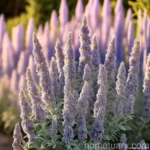
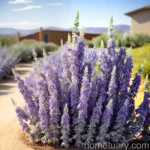
Perovskia ‘Blue Spire,’ commonly known as Russian Sage, is a herbaceous perennial plant belonging to the Lamiaceae family. It is characterized by its silvery-green, finely dissected leaves and tall, spiky stems adorned with small, tubular, lavender-blue flowers. The plant’s distinctive appearance and aromatic nature make it an exquisite addition to garden landscapes and a magnet for pollinators such as bees and butterflies.
Russian Sage ‘Blue Spire’ typically reaches a height of 3 to 4 feet and spreads to about 2 to 3 feet, creating an airy and upright presence in gardens and landscapes. It blooms from mid-summer to early fall, adding a delightful splash of color and fragrance to outdoor spaces.
With its drought tolerance, deer resistance, and general hardiness, Russian Sage ‘Blue Spire’ has gained immense popularity as an ornamental plant, particularly in xeriscapes and low-maintenance landscapes.
Native Habitat
Perovskia ‘Blue Spire’ is indigenous to central Asia, where it thrives in the dry, rocky slopes and scrublands of countries such as Afghanistan, Iran, Pakistan, and Tibet. Its natural habitat imparts it with the ability to withstand poor soil conditions, limited moisture, and harsh climatic variations, making it a resilient and adaptable plant for various growing environments.
Historical Significance
Russian Sage ‘Blue Spire’ has garnered historical and cultural significance in the regions where it is native, often being utilized in traditional medicine, culinary practices, and religious ceremonies. Its aromatic foliage and purported medicinal properties have contributed to its revered status in the cultural heritage of its native regions.
In modern times, its decorative appeal and low-maintenance nature have propelled it to global fame, establishing it as a cherished addition to gardens, public landscapes, and commercial plantings.
Nomenclature and Taxonomy
The genus name “Perovskia” pays tribute to the Russian general Vasily Alekseevich Perovsky, a patron of science and a leader in exploring and cataloging the flora and fauna of Asia in the 19th century. The specific epithet “atriplicifolia” denotes its resemblance to plants in the genus Atriplex, while the cultivar name “Blue Spire” refers to the characteristic blue-hued floral spikes that adorn this particular selection.
Culture
Cultivating Perovskia ‘Blue Spire’ successfully entails understanding and meeting its specific cultural requirements, including soil, water, sunlight, and maintenance practices. Below, we will explore each of these elements in detail.
Uses
Practical Uses
- Erosion Control: Russian Sage ‘Blue Spire’ is employed in landscaping to stabilize slopes and prevent soil erosion, owing to its extensive root system and tolerance to adverse soil conditions.
- Pollinator Support: Its nectar-rich flowers attract pollinators, making it a valuable addition to pollinator gardens and wildlife-friendly landscapes.
- Dried Flower Arrangements: The attractive flowers and aromatic foliage of Russian Sage ‘Blue Spire’ are frequently used in dried flower arrangements, adding a touch of natural beauty to indoor spaces.
Ornamental Uses
- Border Plant: The airy growth habit and eye-catching flowers make it an ideal choice for defining borders along pathways and garden beds.
- Container Planting: Russian Sage ‘Blue Spire’ adds vertical interest and a burst of color to container gardens, whether as a standalone specimen or combined with other complementary plants.
- Xeriscaping: Its ability to thrive in low-water environments makes it an excellent candidate for xeriscapes and water-efficient landscapes.
- Cut Flower Gardens: The long-lasting flowers make Perovskia ‘Blue Spire’ a sought-after addition to cut flower gardens, where they provide an abundant supply of blooms for floral arrangements.
- Wildlife Gardens: Its attractiveness to pollinators and low maintenance requirements make it an invaluable addition to wildlife-friendly gardens and naturalistic landscapes.
Russian Sage ‘Blue Spire’ caters to a diverse array of practical and ornamental uses, making it a versatile and invaluable addition to any outdoor space.
Water
Russian Sage ‘Blue Spire’ displays an impressive tolerance to drought conditions, thanks to its natural adaptation to arid environments. While it exhibits a remarkable ability to thrive in dry soils, providing moderate water during prolonged dry spells can promote healthier growth and more prolific flowering.
Consider the following watering guidelines for Perovskia ‘Blue Spire’:
- Established Plants: Once established, Russian Sage ‘Blue Spire’ generally requires minimal supplemental watering, unless experiencing prolonged drought conditions. In such cases, provide deep, infrequent waterings to encourage deep root growth and overall plant resilience.
- Newly Planted Specimens: Newly planted Russian Sage may benefit from more frequent watering during the first growing season to aid in root establishment. Monitor the soil moisture regularly and water when the top inch of soil becomes dry.
- Avoid Overwatering: Overwatering can lead to root rot and other issues, so it’s crucial to ensure proper drainage and allow the soil to dry out between watering sessions.
By adhering to these watering best practices, you can ensure the optimal health and vitality of your Russian Sage ‘Blue Spire’ plants.
Sunlight
Russian Sage ‘Blue Spire’ thrives in full sunlight and requires at least 6 to 8 hours of direct sun to achieve its best growth and floral displays. In partial shade, the plant may become leggy, and the flowering may be less prolific.
When considering the ideal sunlight conditions for Perovskia ‘Blue Spire’, keep the following pointers in mind:
- Sunny Locations: Plant Russian Sage ‘Blue Spire’ in locations that receive ample sunlight throughout the day, preferably with minimal shading from nearby structures or trees.
- Soil Appreciation: Well-drained, sunny spots are especially conducive to the plant’s preferences, augmenting its overall health and vigor.
- Consider Microclimates: In very hot climates, providing some afternoon shade may be beneficial to prevent leaf scorch and mitigate heat stress.
By ensuring that your Russian Sage ‘Blue Spire’ receives the proper sunlight exposure, you can maximize its ornamental appeal and overall resilience.
Fertilizer
Russian Sage ‘Blue Spire’ is known for its modest fertilizer requirements, generally performing well without frequent or heavy feeding. However, providing a balanced, slow-release fertilizer in spring can bolster its growth and enhance flowering.
Consider the following fertilization practices for Perovskia ‘Blue Spire’:
- Spring Feeding: Apply a balanced, slow-release fertilizer in early spring as the new growth emerges to provide the plant with essential nutrients for the growing season.
- Soil Testing: Conduct a soil test if the plant shows signs of nutrient deficiencies or if the soil fertility is unknown. This can guide you in selecting an appropriate fertilizer formulation.
- Avoid Excessive Nitrogen: Refrain from over-fertilizing Russian Sage ‘Blue Spire,’ particularly with high-nitrogen fertilizers, as this can promote excessive foliage growth at the expense of flowering.
By adopting a conservative and targeted approach to fertilization, you can support the healthy and balanced growth of Russian Sage ‘Blue Spire’.
Soil
When it comes to soil preferences, Russian Sage ‘Blue Spire’ thrives in well-drained soils and exhibits a remarkable tolerance to poor, gravelly, or sandy substrates. Its adaptability to various soil types and pH levels makes it a resilient choice for diverse growing conditions.
Consider the following soil considerations for Perovskia ‘Blue Spire’:
- Drainage: Ensure that the planting site or container provides adequate drainage to prevent waterlogging, as overly wet soil can lead to root rot and other issues.
- Soil pH: Russian Sage ‘Blue Spire’ prefers neutral to slightly alkaline soils, with a pH range of 6.7 to 7.3. Amending overly acidic soils with lime can help create a more favorable growing environment.
- Soil Amendments: Incorporating organic matter such as compost or well-rotted manure during planting can improve soil structure and enhance nutrient availability for the plant.
By taking into account the soil characteristics and implementing appropriate amendments, you can create an optimal growing environment for Russian Sage ‘Blue Spire’.
Pruning
Pruning plays a crucial role in maintaining the appearance and vigor of Russian Sage ‘Blue Spire’, as well as promoting abundant flowering and reducing the risk of disease. Understanding the key pruning techniques and timing is essential to ensure the plant’s long-term health and aesthetic appeal.
Consider the following pruning guidelines for Perovskia ‘Blue Spire’:
- Spring Pruning: In early spring, trim back the old stems to about 6 to 8 inches above the ground to facilitate new growth and maintain a compact form.
- Deadheading: Remove spent flower spikes promptly to encourage continuous blooming and prevent the plant from expending energy on seed production.
- Pruning Frequency: Russian Sage ‘Blue Spire’ typically benefits from an annual pruning session to remove old growth and promote fresh, vigorous growth.
Strategic and timely pruning can enhance the visual allure and overall vitality of Russian Sage ‘Blue Spire’, ensuring that it remains a striking presence in your garden or landscape.
Propagation
Propagating Russian Sage ‘Blue Spire’ allows you to multiply your plants and share the beauty of this remarkable species with others. Several effective propagation methods can be employed to create new plants with genetic consistency to the parent plant.
Consider the following propagation techniques for Perovskia ‘Blue Spire’:
- Softwood Cuttings: Take 4 to 6-inch cuttings of new growth in late spring or early summer, dip the cut ends in rooting hormone, and plant in a well-draining medium.
- Division: Divide established clumps in early spring, ensuring that each division contains a healthy portion of roots and shoots for successful establishment.
- Seed Propagation: Although less commonly practiced, Russian Sage ‘Blue Spire’ can be propagated from seeds collected from mature flowers and sown in a suitable growing medium to produce new plants.
By employing these propagation strategies, you can expand your collection of Russian Sage ‘Blue Spire’ and share its beauty with fellow gardening enthusiasts.
Container Popularity
The adaptability and ornamental appeal of Russian Sage ‘Blue Spire’ make it a popular choice for container gardening, allowing it to thrive in smaller outdoor spaces and providing the flexibility to create stunning focal points and seasonal displays.
Consider the following container gardening tips for Perovskia ‘Blue Spire’:
- Container Selection: Choose a large, well-draining container to accommodate the plant’s mature size and root system. Terra cotta or resin pots are excellent choices for promoting optimal soil aeration and moisture control.
- Well-Draining Soil: Fill the container with a high-quality potting mix that provides excellent drainage, such as a blend of peat moss, perlite, and compost.
- Sunlight Consideration: Position the container in a location that receives full sunlight for the majority of the day, ensuring that the plant’s sunlight requirements are met.
By integrating Russian Sage ‘Blue Spire’ into your container gardens, you can infuse vertical interest, vibrant color, and attractive foliage into your outdoor living spaces.
Common Diseases
Although Russian Sage ‘Blue Spire’ is known for its resilience and disease resistance, it can occasionally fall prey to certain fungal diseases and physiological issues. Understanding these potential problems and their management is crucial for preserving the health and vitality of this ornamental plant.
Disease Diagnosis
Powdery Mildew
Symptoms:
– A white, powdery coating on the leaves, stems, and flower spikes.
– Distorted growth and inhibited flowering due to the fungal presence.
Management:
– Provide ample air circulation by spacing plants appropriately and avoiding overcrowding.
– Water the plant at the soil level to prevent wetting the foliage, as excess moisture can exacerbate powdery mildew.
Root Rot
Symptoms:
– Yellowing, wilting, or stunted growth of the foliage.
– Dark, mushy roots with a foul odor indicate advanced stages of root rot.
Management:
– Improve soil drainage by amending heavy or poorly draining soils with organic matter.
– Avoid overwatering and ensure that the planting site or container provides adequate drainage to prevent waterlogging.
Leaf Spot
Symptoms:
– Circular, brown or black spots on the leaves, often surrounded by a yellow halo.
– Premature leaf drop and reduced overall plant vigor as the disease progresses.
Management:
– Remove and dispose of infected plant debris to prevent the spread of the pathogen.
– Apply fungicidal sprays as a preventative measure during humid or rainy periods.
By promptly identifying and addressing these diseases, you can safeguard the health and visual appeal of your Russian Sage ‘Blue Spire’ plants.
Common Pests
Russian Sage ‘Blue Spire’ is generally resistant to pest infestations, particularly due to its aromatic foliage and natural defense mechanisms. However, certain pests may occasionally pose a threat to the plant, necessitating vigilant monitoring and appropriate pest management.
Aphids
Identification:
– Small, soft-bodied insects clustering on the new growth and undersides of leaves.
– They may be green, black, or pink in color, depending on the species.
Management:
– Hose off the aphid colonies with a strong jet of water, repeating the process as needed to dislodge and discourage feeding.
– Introduce natural predators, such as ladybugs or lacewings, to establish biological control of aphid populations.
Spider Mites
Identification:
– Minute arachnids that cause stippling, webbing, and discoloration on the foliage due to their feeding habits.
– They thrive in hot, dry conditions and may appear as tiny moving dots on the leaves.
Management:
– Increase humidity levels around the plant by misting the foliage or utilizing a humidifier to mitigate spider mite activity.
– Apply insecticidal soaps or neem oil to target and suppress spider mite populations.
Whiteflies
Identification:
– Tiny, white, moth-like insects that produce a characteristic powdery residue when disturbed.
– They congregate on the undersides of leaves and can weaken the plant through constant feeding.
Management:
– Utilize yellow sticky traps to monitor and capture adult whiteflies, reducing their reproductive capacity.
– Introduce natural enemies such as parasitic wasps that target whitefly populations, contributing to long-term pest control.
By detecting and addressing potential pest issues in a timely manner, you can maintain the vitality and aesthetic appeal of your Russian Sage ‘Blue Spire’ plants.
Botanist’s Tips
As a plant scientist with extensive experience in horticulture and botany, I have accumulated valuable insights and recommendations for successfully growing and enjoying the beauty of Perovskia ‘Blue Spire’. Harness the following tips to enhance your cultivation endeavors and behold the magnificence of this outstanding ornamental plant:
- Companion Planting: Pair Russian Sage ‘Blue Spire’ with ornamental grasses, salvias, rudbeckias, and other drought-tolerant perennials to create visually captivating and environmentally harmonious garden compositions.
- Landscape Design: Incorporate Russian Sage ‘Blue Spire’ in mixed borders and perennial beds to impart a sense of airiness and grace, providing a striking contrast to broader-leafed plants and creating alluring focal points in the landscape.
- Seasonal Care: Mulch around the base of the plant in winter to protect the roots from extreme temperature fluctuations and minimize the risk of cold damage.
- Growth Habit: Appreciate the elegant, vertical growth habit of Russian Sage ‘Blue Spire’ and utilize it to add height and movement to garden designs, ensuring that its presence is maximally showcased in the landscape.
- Medicinal Properties: Recognize the historical and potential medicinal uses of Russian Sage, including its purported anti-inflammatory properties and aromatic qualities that have been historically valued for their therapeutic benefits.
Leverage these expert tips to elevate your gardening practices and cultivate Russian Sage ‘Blue Spire’ with confidence and success.
Fun Facts
To further deepen your appreciation for Perovskia ‘Blue Spire’ and its many remarkable attributes, consider the following fun and intriguing facts about this unique ornamental plant:
- Wildlife Attraction: Russian Sage ‘Blue Spire’ entices a variety of beneficial pollinators, such as bees, butterflies, and hummingbirds, enriching the biodiversity of its surrounding environment.
- Drought Tolerance: The extensive root system of Russian Sage ‘Blue Spire’ enables it to thrive in arid climates, making it an exemplary choice for water-wise gardening and sustainable landscapes.
- Aromatic Foliage: Rubbing or bruising the leaves of Russian Sage ‘Blue Spire’ releases a delightful fragrance, reminiscent of sage, that adds sensory appeal to garden spaces and outdoor sitting areas.
- Ornamental Seeds: The small, nutlets produced after flowering contribute to the plant