Peppermint (Mentha X Piperita)
Peppermint (Mentha x piperita) is a popular and versatile herb that is prized for its incredible fragrance, culinary uses, and medicinal properties. This.
Introduction
Peppermint (Mentha x piperita) is a popular and versatile herb that is prized for its incredible fragrance, culinary uses, and medicinal properties. This delightful plant is a hybrid mint that is a cross between watermint and spearmint. Its refreshing aroma and remarkable flavor have made it a favorite in gardens, kitchens, and medicine cabinets around the world. In this comprehensive guide, we’ll explore everything you need to know about peppermint, from its cultivation and care to its many uses and benefits.
What is Peppermint (Mentha x piperita)?
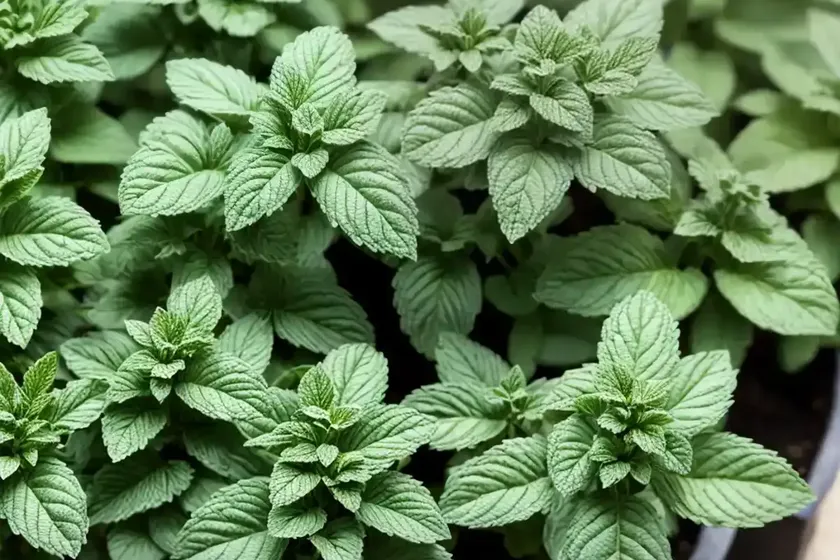
Peppermint, scientifically known as Mentha x piperita, is a fragrant herb with dark green leaves and a fast growth rate. It belongs to the Lamiaceae family, which is known for its aromatic plants. This perennial herb is native to Europe and Asia, but it is now cultivated in many regions due to its widespread popularity.
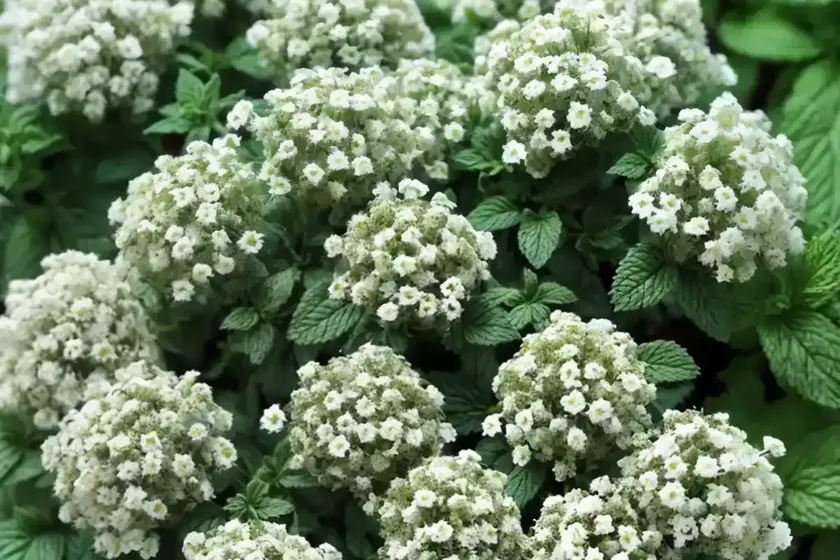
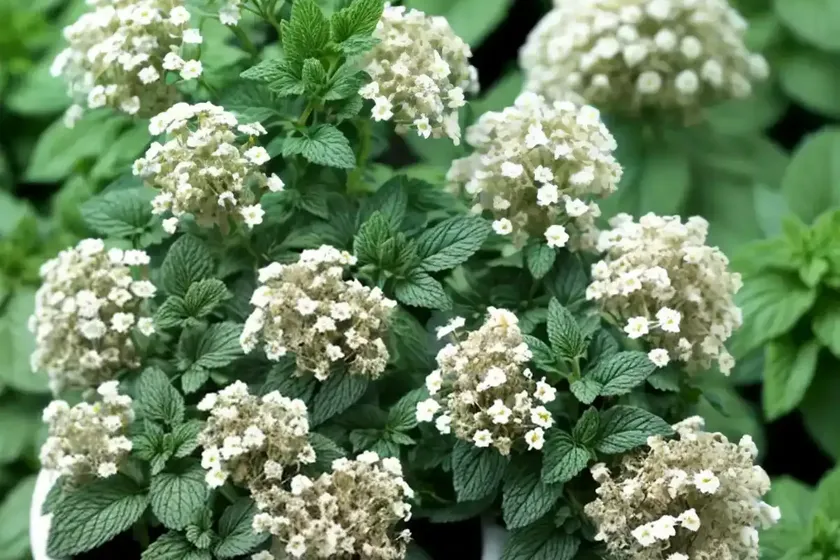
Peppermint is a sterile hybrid plant that does not produce seeds. Therefore, it is primarily propagated vegetatively through cuttings or division. The plant features square-shaped stems and serrated leaves with a prominent minty aroma. Its flowers are tiny and purple in color, adding a touch of beauty to the plant.
Key Takeaways – Peppermint (Mentha x piperita)
Peppermint is a remarkable plant with a myriad of benefits and uses. Here are the key takeaways about this wonderful herb:
- Common Name: Peppermint
- Scientific Name: Mentha x piperita
- Family: Lamiaceae
- Growth Habit: Perennial herbaceous plant
- Culinary Uses: Flavoring in teas, desserts, and savory dishes
- Medicinal Properties: Digestive aid, headache relief, and aromatherapy
- Propagation: Vegetative methods such as cuttings and division
- Fragrance: Strong, refreshing minty scent
- Growth Rate: Fast-spreading and vigorous growth
- Cultivation: Well-drained soil, ample sunlight, and regular watering
Now, let’s delve into the specifics of cultivating and caring for peppermint, as well as its various uses and benefits.
Cultivation of Peppermint
Soil
Peppermint thrives in rich, moist, and well-draining soil. A slightly acidic to neutral pH level ranging from 6.0 to 7.0 is ideal for its growth. The soil should be fertile and organic matter-rich, providing essential nutrients for the plant’s development. Additionally, ensuring good drainage is crucial to prevent waterlogging, which can lead to root rot.
| Soil Requirements | Description |
|---|---|
| Type | Well-draining, loamy soil with good fertility and organic content |
| pH Level | Slightly acidic to neutral (6.0 – 7.0) |
| Drainage | Excellent drainage to avoid waterlogging |
Water
Peppermint has moderate water needs and prefers consistently moist soil. However, it is important to avoid overwatering, as excessive moisture can cause root rot and other problems. Water the plants when the soil begins to dry out, typically requiring watering every 2-3 days during hot and dry periods.
| Watering Needs | Description |
|---|---|
| Frequency | Every 2-3 days during hot and dry periods |
| Soil Moisture | Maintain consistently moist soil, avoiding waterlogging |
| Irrigation | Regular watering, especially during dry spells or droughts |
Sunlight
Peppermint thrives in full sunlight but can also tolerate partial shade. It is important to provide the plants with at least 6 hours of direct sunlight per day for optimal growth and flavor development. In regions with intense heat, providing partial shade during the hottest part of the day can help prevent scorching and wilting.
| Sunlight | Description |
|---|---|
| Requirement | Full sunlight for at least 6 hours per day |
| Tolerance | Can tolerate partial shade, especially in hot climates |
| Protection | Provide shade during intense midday sun in hot and arid regions |
Fertilizer
Peppermint benefits from regular fertilization to support its vigorous growth and prolific foliage production. Applying a balanced, all-purpose fertilizer or a fertilizer high in nitrogen every 4-6 weeks during the growing season can help maintain the plant’s health and vigor. However, it is important to avoid excessive fertilization, as this can lead to overly lush growth and diminished essential oil content.
Fertilizer Application
| Fertilizer Type | Application Frequency | Nutrient Content |
|---|---|---|
| All-Purpose | Every 4-6 weeks | Balanced NPK ratio |
| Nitrogen-Rich | Every 4-6 weeks | High nitrogen content for foliage development |
| Organic Choices | Alternating with synthetic fertilizers | Compost, compost tea, or organic granular fertilizers |
Pruning
Regular pruning is essential for maintaining the health and vigor of peppermint plants. Pruning helps prevent the plant from becoming leggy and encourages the growth of fresh, tender shoots. When the plants reach a height of 10-12 inches, regular pruning becomes necessary. However, it is important to avoid excessive pruning, as this can weaken the plants and inhibit their ability to produce essential oils.
Pruning Techniques
- Trimming: Regularly trim back the stems to the desired height, allowing the plant to bush out.
- Pinching: Pinch off the growing tips to encourage lateral growth and prevent the plant from becoming too tall and spindly.
Propagation
As mentioned earlier, peppermint is primarily propagated vegetatively through methods such as cuttings and division. These propagation techniques are reliable and straightforward, allowing gardeners to propagate the plants with ease.
Propagation Methods
- Cuttings: Take 4-6 inch stem cuttings with several pairs of leaves and root them in water or a well-draining rooting medium.
- Division: Carefully divide the plant into smaller sections, ensuring that each division has ample roots and healthy foliage.
Container Cultivation
Peppermint is well-suited for container cultivation, making it an excellent choice for urban gardens, patios, and balconies. When growing peppermint in containers, it is important to select a spacious pot with good drainage to accommodate the plant’s vigorous growth.
Container Requirements
| Container Size | Description |
|---|---|
| Size | Select a pot that is at least 12 inches in diameter to allow ample space for root development and expansion. |
| Drainage | Ensure the container has sufficient drainage holes to prevent waterlogging. |
| Soil | Use a high-quality, well-draining potting mix rich in organic matter. |
Popularity
Peppermint enjoys widespread popularity due to its versatile uses, delightful fragrance, and numerous benefits. It is a beloved herb in culinary, medicinal, and aromatic applications and is cultivated in gardens, kitchen windowsills, and commercial farms around the world.
Uses of Peppermint (Mentha x piperita)
Culinary Uses
Peppermint is a prized herb in the culinary world, adding a burst of refreshing flavor to a wide array of dishes and beverages. From mint teas and cocktails to desserts and savory dishes, peppermint’s delightful flavor and aroma are truly versatile.
Medicinal Properties
Peppermint possesses a range of medicinal properties, making it a valuable herb in natural medicine and aromatherapy. It is commonly used to alleviate digestive discomfort, ease headaches, and promote relaxation. Additionally, peppermint essential oil is renowned for its cooling and invigorating effects.
Aromatic Applications
The intense and refreshing aroma of peppermint makes it a popular choice for aromatic applications. Whether used in potpourri, essential oil diffusers, or bath products, the scent of peppermint adds a delightful and uplifting touch to the environment.
Common Diseases of Peppermint
Peppermint, like any plant, is susceptible to certain diseases that can affect its growth and overall health. Understanding the common diseases and their management is essential for maintaining healthy peppermint plants.
Disease Diagnosis
| Disease | Symptoms | Management |
|---|---|---|
| Powdery Mildew | White powdery spots on leaves, stunted growth | Improve air circulation, treat with fungicidal spray |
| Verticillium Wilt | Wilting, yellowing leaves, vascular discoloration | Remove and dispose of infected plants, practice crop rotation |
| Rust Diseases | Orange or rust-colored pustules on leaves | Remove and dispose of infected plant parts, apply fungicidal spray |
| Botrytis Blight | Gray mold on leaves and stems, tissue decay | Improve air circulation, remove affected plant parts |
| Root Rot | Wilting, yellowing, and stunted growth | Ensure good drainage, avoid overwatering |
Common Pests Affecting Peppermint
In addition to diseases, peppermint can also fall victim to various pests that can impact its vitality and growth. Identifying and managing these pests is crucial for maintaining healthy plants.
Pest Identification
| Pest | Symptoms | Management |
|---|---|---|
| Aphids | Clusters of tiny, soft-bodied insects on the plant | Hose down with water, use insecticidal soap |
| Spider Mites | Fine webbing on the underside of leaves, stippling | Predatory mite release, neem oil, insecticidal soap |
| Cutworms | Seedling damage, cutting off stems near the soil | Use collars, handpick, biological control |
| Slugs and Snails | Holes in leaves, slime trails, visible damage | Handpicking, barriers, beer traps, iron phosphate bait |
| Whiteflies | White, fly-like insects when disturbed | Encourage natural predators, introduce sticky traps |
Botanist’s Tips for Growing and Caring for Peppermint
For successful cultivation and care of peppermint, consider the following botanist’s tips:
- Good Drainage: Ensure the soil and containers have excellent drainage to prevent waterlogging.
- Regular Harvesting: Regularly harvest the leaves to promote bushy growth and prevent flowering, which can diminish the flavor.
- Companion Planting: Consider companion planting with peppermint to deter pests and enhance the growth of neighboring plants.
- Air Circulation: Maintain good air circulation around the plants to reduce the risk of fungal diseases.
Fun Facts About Peppermint (Mentha x piperita)
- The word “peppermint” is derived from the Latin name “mentha piperita,” which translates to “peppery mint.”
- Peppermint is believed to be a naturally occurring hybrid of spearmint and watermint.
- Ancient Egyptians utilized peppermint for its culinary and aromatic properties, using it in cooking and as part of their burial rituals.
- The aroma of peppermint is believed to have refreshing and invigorating effects, making it a popular choice for aromatherapy.
Links to External Resources
For further information about peppermint, its cultivation, and uses, explore the following resources:
- Peppermint Benefits and Uses
- Peppermint: A Versatile Herb
- Growing Peppermint Indoors
- Peppermint: Medicinal Uses
- Aromatherapy with Peppermint
- Cooking with Peppermint
I hope this comprehensive guide has offered valuable insights into the world of peppermint, from its cultivation and care to its multitude of uses and benefits. Whether you’re a seasoned gardener, a culinary enthusiast, or simply someone who appreciates the refreshing aroma and flavor of mint, peppermint is undoubtedly a delightful and versatile herb that deserves a special place in your garden and home.


