Peperomia Scandens (Peperomia Scandens)
Peperomia scandens, also known as the Cupid Peperomia or False-Philodendron, is a charming trailing plant cherished for its heart-shaped, succulent leaves..
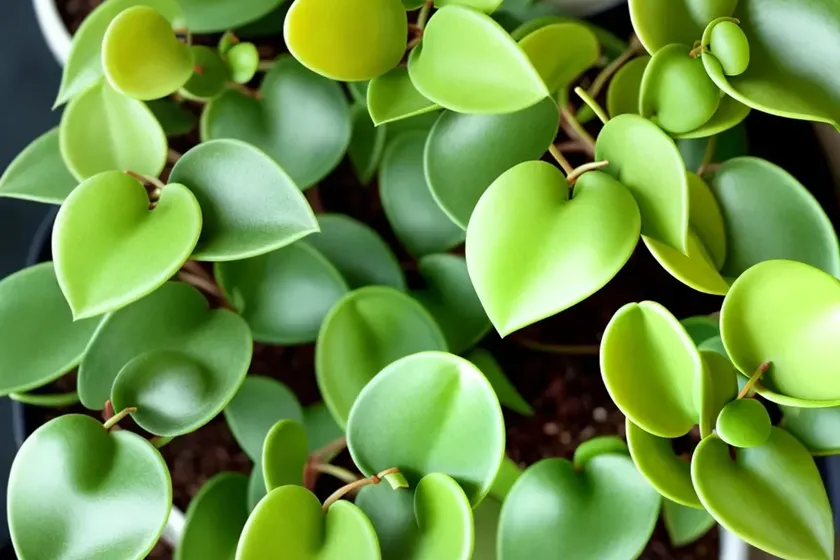
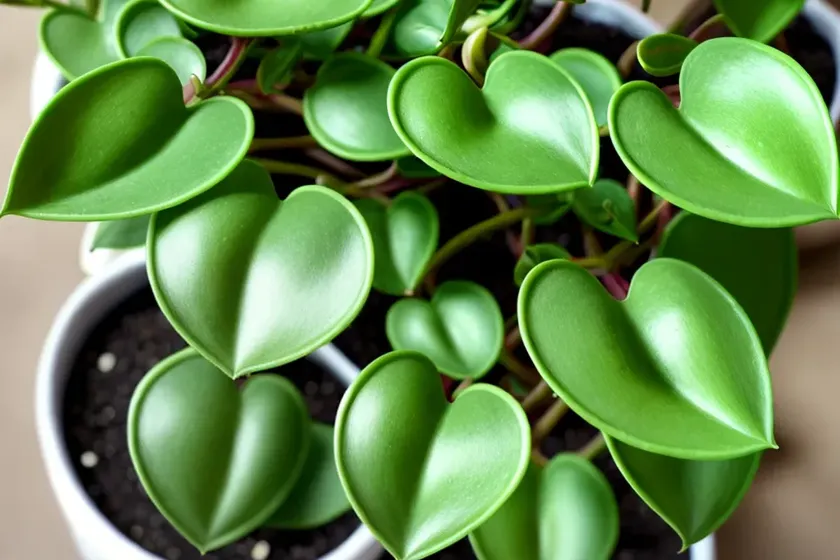
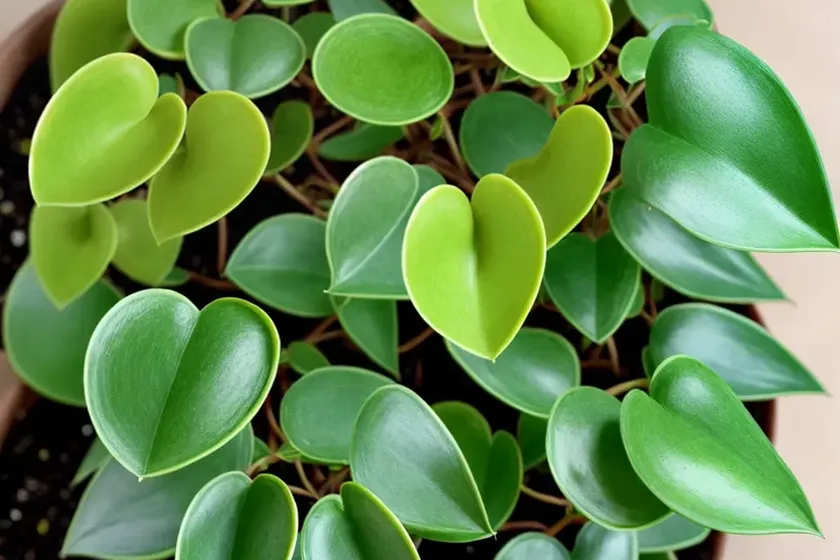
Peperomia scandens, also known as the Cupid Peperomia or False-Philodendron, is a charming trailing plant cherished for its heart-shaped, succulent leaves. This species is a popular choice for indoor and outdoor ornamental plantings, and its easy-going nature makes it a delightful addition to any plant enthusiast’s collection.
In this comprehensive guide, we will explore the various aspects of Peperomia scandens, including its cultural requirements, uses, propagation, common diseases, and pests. By the end of this article, you will gain a profound understanding of how to care for and maximize the potential of this beautiful plant in your home or garden.
Table of Contents
- Introduction
- Culture
- Uses
- Water
- Sunlight
- Fertilizer
- Soil
- Pruning
- Propagation
- Container Popularity
- Common Diseases
- Common Pests
- Botanist’s Tips
- Fun Facts
- Links to External Resources
1. Introduction to Peperomia Scandens
Peperomia scandens belongs to the Piperaceae family and is native to Central and South America. This evergreen perennial has semi-succulent, heart-shaped leaves with stunning silver and green stripes, making it an aesthetically pleasing plant suitable for various indoor and outdoor settings. Its trailing nature and low-maintenance characteristics have contributed to its widespread popularity among plant enthusiasts.
2. Culture
Water
Peperomia scandens prefers a moderate watering regimen, making it suitable for individuals who occasionally forget to water their plants. It is crucial to avoid soggy soil while ensuring that the top inch of the soil remains slightly moist between waterings. During winter, the plant should be watered more sparingly to prevent waterlogged soil conditions.
Sunlight
When it comes to sunlight requirements, Peperomia scandens thrives in bright, indirect light. It is crucial to shield the plant from direct sunlight, as intense rays can scorch its delicate foliage. Positioning the plant near a south or west-facing window where it can receive filtered light will promote healthy growth and vibrant leaf coloration.
Fertilizer
A balanced liquid fertilizer with an N-P-K ratio of 20-20-20 can be applied to Peperomia scandens every 4-6 weeks during the growing season, from spring to early fall. Dilute the fertilizer to half the recommended strength to prevent excess salt buildup in the soil, which can harm the plant’s sensitive roots.
Soil
Providing well-draining soil is essential for the successful cultivation of Peperomia scandens. A mixture of peat-based potting soil and perlite or sand will promote optimal aeration and prevent waterlogging. Furthermore, the slightly acidic to neutral pH range between 6.0 and 7.0 is well-suited for this species.
Pruning
Pruning is a crucial aspect of Peperomia scandens care, as it helps maintain the plant’s neat appearance and encourages bushier growth. Regularly trimming the trailing stems and removing any yellowing or damaged leaves will contribute to the overall health and aesthetic appeal of the plant.
3. Uses
Indoor Ornamental Plant
Peperomia scandens is widely utilized as an indoor ornamental plant, adding a touch of greenery and elegance to living spaces, offices, and other interior environments. Its cascading foliage and compact growth habit make it an excellent choice for hanging baskets, shelves, or as a trailing accent in mixed plant arrangements.
Outdoor Ornamental Plant
In suitable climates, Peperomia scandens can be utilized as an outdoor ornamental plant to embellish gardens, patios, and balconies. Its low-maintenance nature and charming leaf pattern make it a versatile addition to container gardens or planted directly in the ground, provided it is shielded from harsh sunlight and excessive moisture.
4. Propagation
Peperomia scandens can be propagated through stem cuttings, leaf cuttings, or by dividing the plant during repotting. Stem cuttings should be taken from healthy, non-flowering stems and placed in a suitable growing medium, such as a combination of perlite and peat. Leaf cuttings can also be propagated by placing the leaf with its petiole inserted into the growing medium to encourage root development.
5. Container Popularity
The compact and trailing nature of Peperomia scandens makes it an ideal candidate for various container arrangements. Hanging baskets, decorative pots, and terrariums offer beautiful platforms to showcase the plant’s cascading foliage, earning it a popular status among container gardening enthusiasts.
6. Common Diseases
Leaf Spot
Leaf spot, caused by fungal pathogens such as Cercospora and Phyllosticta species, can affect Peperomia scandens when the foliage remains consistently wet. To prevent this disease, it is essential to avoid overhead watering and provide adequate airflow around the plant. If symptoms are observed, affected leaves can be removed, and fungicidal treatments may be necessary in severe cases.
Root Rot
Excessive moisture in the soil can lead to the development of root rot in Peperomia scandens. To prevent this condition, it is crucial to maintain proper watering practices and provide well-draining soil. In the event of root rot, affected portions of the root system should be pruned, and the plant should be repotted in fresh, dry soil.
7. Common Pests
Mealybugs
Mealybugs can infest Peperomia scandens and cause damage by sucking sap from the plant, leading to stunted growth and yellowing leaves. To control mealybug infestations, a cotton swab dipped in rubbing alcohol can be used to physically remove the pests from the foliage. Additionally, insecticidal soaps or neem oil can serve as effective treatments against mealybugs.
Spider Mites
Spider mites are another potential pest that can threaten the health of Peperomia scandens. These tiny arachnids feed on plant juices and can cause discoloration and stippling of the foliage. Regularly misting the plant to increase humidity and applying insecticidal soap can help deter and control spider mite infestations.
8. Botanist’s Tips
- To promote a bushy and compact growth habit, regularly pinch back the growing tips of Peperomia scandens.
- Avoid placing the plant in drafty locations or near heating vents, as these conditions can negatively impact its overall health.
- Consider rotating the plant periodically to ensure uniform growth and prevent lopsidedness due to uneven light exposure.
Fun Facts
- The specific epithet “scandens” is derived from the Latin term for climbing or trailing, highlighting the plant’s characteristic growth habit.
- Peperomia scandens is often called the Cupid Peperomia due to the heart-shaped leaves that symbolize love and affection.
9. Links to External Resources
Through our in-depth exploration of the care, uses, and common issues associated with Peperomia scandens, you are now equipped with the knowledge and insights to cultivate and appreciate this charming plant to the fullest. Whether adorning indoor spaces with its trailing foliage or enhancing outdoor environments with its ornamental appeal, Peperomia scandens is sure to captivate and delight plant enthusiasts of all levels.


