Peperomia “Piccolo Banda” (Peperomia ‘Piccolo Banda’)
Peperomia “Piccolo Banda” is an extraordinary variety of the Peperomia species, boasting unique and captivating foliage that makes it a favorite among.
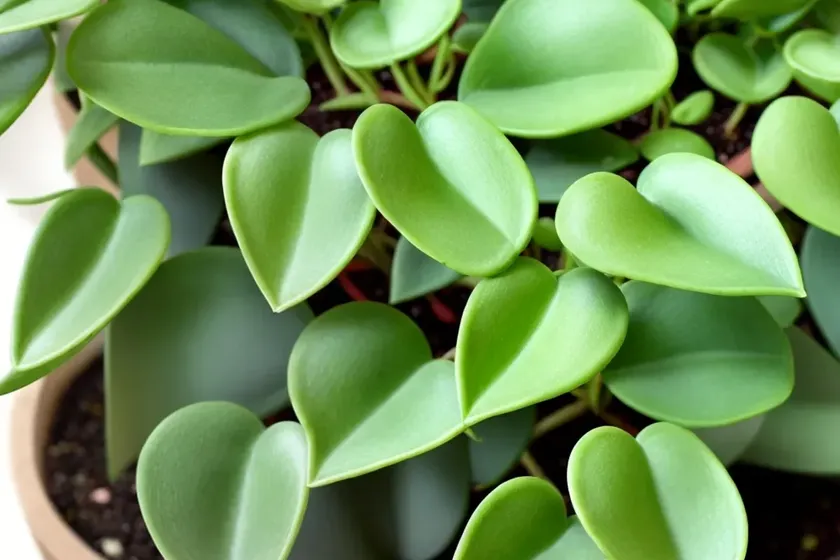
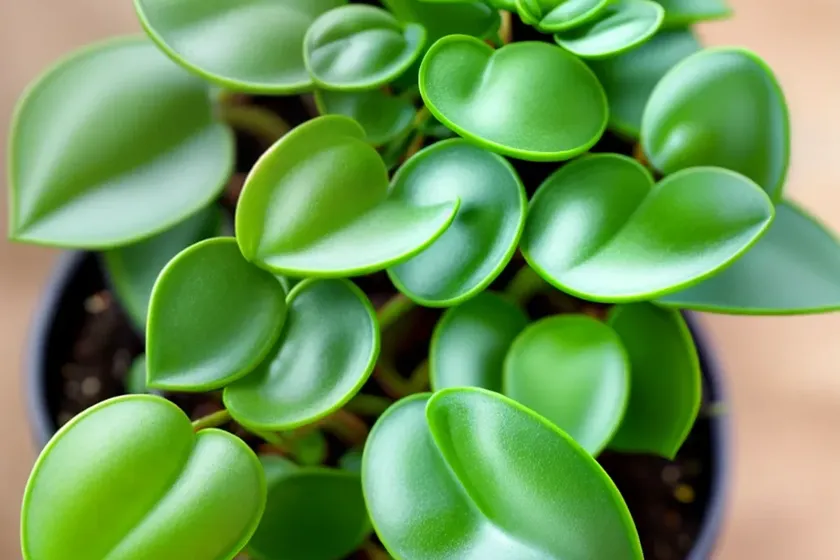
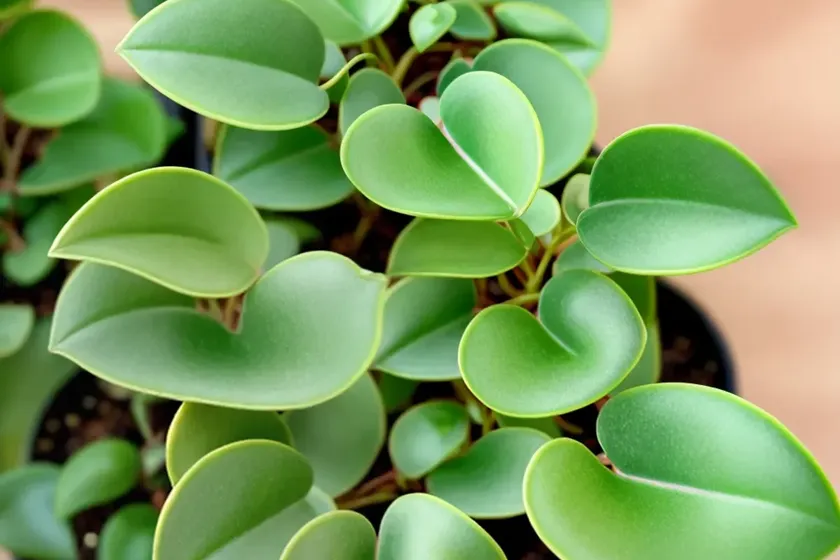
Peperomia “Piccolo Banda” is an extraordinary variety of the Peperomia species, boasting unique and captivating foliage that makes it a favorite among plant enthusiasts. In this comprehensive plant care guide, we will delve into the distinct characteristics, the optimal conditions for its growth, and practical tips to ensure the well-being of your Peperomia “Piccolo Banda”. Whether you are an experienced plant parent or a novice in the realm of gardening, this guide will equip you with the knowledge needed to nurture and appreciate this remarkable plant.
Table of Contents
- What is Peperomia “Piccolo Banda”
- Key Takeaways
- Culture
- Uses
- Water
- Sunlight
- Fertilizer
- Soil
- Pruning
- Propagation
- Container
- Popularity
- Common Diseases
- Common Pests
- Botanist’s Tips
- Fun Facts
- Links to External Resources
What is Peperomia “Piccolo Banda”?
Peperomia “Piccolo Banda,” scientifically known as Peperomia ‘Piccolo Banda,’ is a stunning semi-succulent perennial plant belonging to the Piperaceae family. Originating from South America, the Peperomia genus comprises more than 1,000 diverse and fascinating species. The “Piccolo Banda” variety is particularly renowned for its captivating foliage, which features deeply ridged green and silver leaves, creating a mesmerizing ripple effect.
This compact and low-growing plant is adored not only for its aesthetic appeal but also for its ease of care and adaptability to various environments. Due to its ornamental foliage and manageable size, the Peperomia “Piccolo Banda” is an ideal choice for both indoor and outdoor settings, adding a touch of elegance to any space where it thrives.
Key Takeaways
Culture
- Family: Piperaceae.
- Origin: South America.
- Common Names: Peperomia ‘Piccolo Banda’, Trailing Jade, Strap Peperomia.
Uses
- Ornamental plant for indoor and outdoor spaces.
- Ideal for terrariums and small containers.
Water
- Moderate watering, allowing the topsoil to dry between waterings.
- Water less frequently during the winter months.
- Avoid overwatering to prevent root rot.
Sunlight
- Thrives in bright, indirect light.
- Can tolerate low light conditions, but growth may be slower.
- Protect from direct sun, especially during the intense midday hours.
Fertilizer
- Use a balanced, diluted liquid fertilizer during the growing season.
- Refrain from fertilizing during the winter months when growth slows.
Soil
- Well-draining potting mix rich in organic matter.
- A cactus or succulent mix can be suitable.
Pruning
- Regularly pinch back or trim leggy growth to maintain a compact shape.
- Remove any damaged or discolored leaves.
Propagation
- Easily propagated through leaf cuttings or stem cuttings.
- Ensure the cuttings have a node to encourage root development.
Container
- Opt for a small to medium-sized container with drainage holes.
Popularity
- Increasing popularity among plant enthusiasts due to its unique foliage and ease of care.
Common Diseases
- Susceptible to root rot if overwatered.
- Monitor for signs of fungal diseases, especially in high humidity conditions.
Common Pests
- Mealybugs and spider mites are potential pests that may affect the Peperomia “Piccolo Banda”.
Botanist’s Tips
- Maintain moderate humidity levels, especially during the winter months.
- Rotate the plant occasionally to ensure balanced growth and prevent leaning towards light sources.
Fun Facts
- The name “Peperomia” is derived from the Greek words “peperi” meaning pepper and “homoios” meaning resembling, due to the plant’s resemblance to black pepper plants.
- Peperomia plants are often referred to as radiator plants, suggesting their ability to endure and thrive in warm environments.
Links to External Resources
As a passionate plant enthusiast, you may find the following resources valuable for expanding your knowledge and connecting with the vibrant community of plant lovers:
– The Royal Horticultural Society – Peperomia Care Guide
– American Plant Conservation Alliance
– Gardeners’ World – How to Propagate Peperomia Plants


