Peperomia Moonlight (Peperomia Moonlight)
Peperomia Moonlight, scientifically known as Peperomia obtusifolia ‘Moonlight,’ is a delightful and easy-to-care-for plant that is sure to brighten up any.
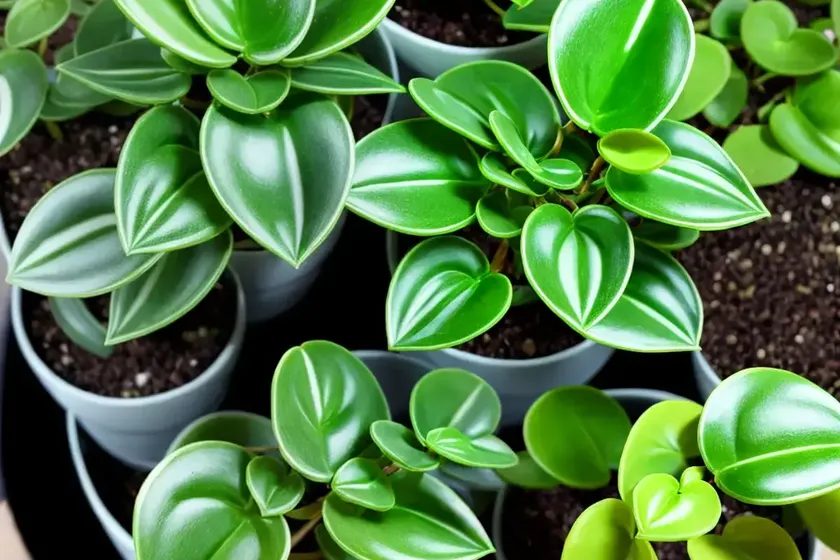
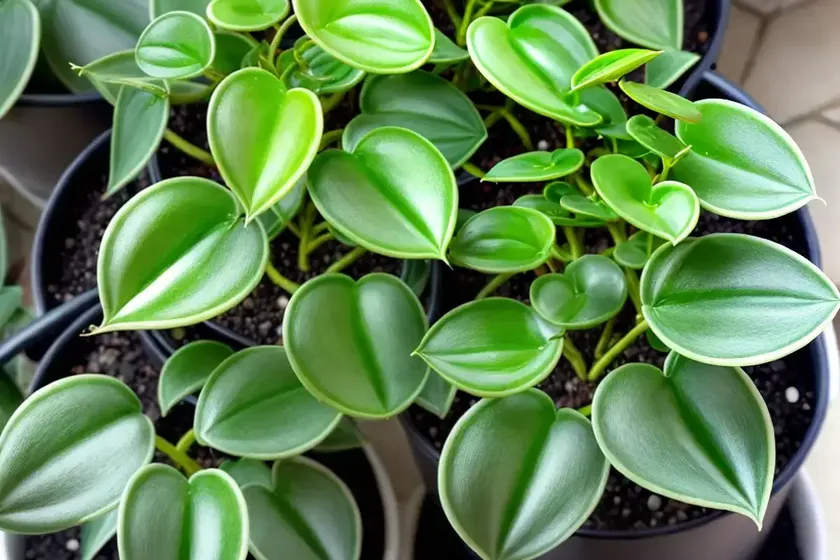
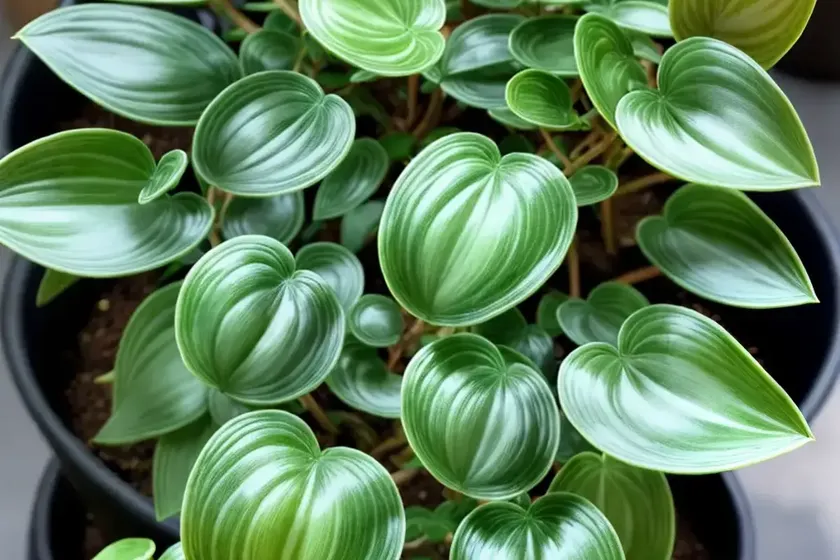
Peperomia Moonlight, scientifically known as Peperomia obtusifolia ‘Moonlight,’ is a delightful and easy-to-care-for plant that is sure to brighten up any indoor space. With its striking foliage and low maintenance requirements, it has surged in popularity among plant enthusiasts. In this comprehensive guide, we’ll delve into all aspects of caring for the Peperomia Moonlight, including its cultural requirements, usage, water and sunlight needs, fertilizer application, soil preferences, pruning, propagation, common diseases and pests, and much more.
What is Peperomia Moonlight?
Peperomia Moonlight is a cultivar of the Peperomia obtusifolia species, belonging to the Piperaceae family. Its distinctive feature is its stunning and vibrant foliage, which consists of heart-shaped leaves adorned with striking hues of green, yellow, and cream. This beautiful ornamental plant is native to South America and is commonly grown as a houseplant due to its adaptability to indoor conditions.
Key Takeaways – Peperomia Moonlight
Before diving into the specifics of caring for Peperomia Moonlight, let’s recap the key takeaways that will be elaborated upon in this guide.
- Culture: Understanding the cultural needs of the Peperomia Moonlight, including its origin and natural habitat.
- Uses: Exploring the various ways in which this plant can be utilized in indoor spaces.
- Water: Discussing the watering requirements and best practices for maintaining optimal soil moisture.
- Sunlight: Determining the ideal light conditions for the Peperomia Moonlight to thrive.
- Fertilizer: Learning about the fertilization needs and recommended feeding schedule for this plant.
- Soil: Identifying the most suitable soil type and composition to promote healthy growth.
- Pruning: Understanding the benefits of pruning and the correct techniques for trimming the Peperomia Moonlight.
- Propagation: Exploring the methods for propagating new Peperomia Moonlight plants from existing ones.
- Container: Selecting the appropriate pot or container for growing and displaying this plant.
- Popularity: Understanding the factors contributing to the widespread popularity of the Peperomia Moonlight.
- Common Diseases: Recognizing and addressing potential diseases that may affect this plant.
- Common Pests: Identifying and managing common pests that can infest the Peperomia Moonlight.
- Botanist’s Tips: Gaining valuable insights and tips from botanists and plant experts for successful care and maintenance.
- Fun Facts: Discovering interesting and lesser-known facts about Peperomia Moonlight.
Culture
Understanding the cultural requirements of Peperomia Moonlight is essential for providing the ideal growing conditions. This includes being familiar with its native habitat and typical environmental preferences.
Natural Habitat
Peperomia Moonlight is native to the tropical regions of South America, where it thrives in warm and humid environments. In its natural habitat, this plant is often found growing in the understory of forests, where it receives filtered or dappled sunlight. The ample moisture and rich organic matter in the forest floor create an ideal setting for the Peperomia Moonlight to flourish.
Indoor Environment
When grown indoors, replicating the plant’s natural habitat as closely as possible is key to its success. Providing moderate to bright indirect light, consistent humidity, and well-draining soil is crucial for maintaining a healthy and vibrant Peperomia Moonlight. Understanding the typical indoor conditions that best suit this plant will allow for optimal growth and longevity.
Uses
The Peperomia Moonlight is valued for its attractive foliage and easygoing nature, making it a versatile plant for various purposes within indoor spaces. Explore some of the common uses and benefits associated with this charming plant.
- Indoor Décor: Its eye-catching leaves and compact growth habit make it an excellent choice for adding a touch of greenery to interior spaces. Its low maintenance requirements and aesthetic appeal make it a popular choice for home and office décor.
- Terrariums and Miniature Gardens: The Peperomia Moonlight’s petite size and attractive foliage make it an ideal candidate for terrariums, dish gardens, and miniature landscapes. Its ability to thrive in humid environments and compact growth habit make it a perfect fit for these decorative settings.
- Low-Light Environments: Due to its adaptability to lower light conditions, Peperomia Moonlight is well-suited for areas with limited natural light. Its ability to thrive in moderate to bright indirect light expands its potential use in a broad range of settings.
- Air Purification: Like many other houseplants, Peperomia Moonlight contributes to indoor air purification by filtering out toxins and improving air quality. Its presence can help create a healthier and more enjoyable indoor environment.
These uses demonstrate the versatility and aesthetic appeal of Peperomia Moonlight, making it a favored selection for both seasoned plant enthusiasts and beginners alike.
Water
Regulating water intake is crucial to the health and well-being of Peperomia Moonlight, as overwatering or underwatering can lead to issues such as root rot or dehydration. To ensure proper hydration, it’s essential to understand the plant’s water requirements and implement appropriate watering practices.
Watering Practices
- Frequency: Peperomia Moonlight prefers moderately moist soil, but it is crucial to allow the soil to partially dry out between waterings. A general guideline is to water the plant when the top inch of the soil feels dry to the touch. Scheduling regular but infrequent waterings is key to preventing waterlogging and promoting healthy root development.
- Water Quality: Using room temperature water that is free from chemicals such as chlorine is beneficial for Peperomia Moonlight. Allowing tap water to sit out for 24 hours before using it can help dissipate any chlorine, making it safer for the plant.
- Watering Technique: When watering, it is best to apply water evenly across the soil surface until it begins to seep out of the drainage holes. This ensures that the entire root zone receives adequate moisture without creating waterlogged conditions.
Consistently monitoring the moisture levels of the soil and adjusting the watering frequency based on environmental conditions is crucial for promoting healthy growth and preventing water-related issues.
Sunlight
As with many plants, striking the right balance of sunlight exposure is vital for the Peperomia Moonlight’s overall health and appearance. Understanding its light requirements and potential responses to varying light conditions is essential for successful cultivation.
Light Requirements
- Indirect Light: Peperomia Moonlight thrives in moderate to bright indirect light. Placing it near a window with sheer curtains or in an area with filtered sunlight is ideal for optimal growth. Direct sun exposure should be avoided to prevent leaf scorching and temperature stress.
- Low Light Tolerance: While it prefers brighter conditions, Peperomia Moonlight can adapt and tolerate lower light levels, making it suitable for environments with limited natural light. However, consistent low light may slow down growth and lead to less vibrant foliage.
- Light Duration: Providing 8 to 10 hours of indirect light daily is ideal for encouraging robust growth and maintaining the plant’s striking leaf coloration. Adjusting the plant’s positioning or using supplemental grow lights can help ensure it receives adequate light in indoor settings with limited natural illumination.
By carefully observing how the plant responds to different light exposures, it is possible to determine the most suitable placement for achieving vibrant and healthy growth.
Fertilizer
Supplementing the soil with nutrients through regular fertilization is essential for promoting healthy growth and vibrant foliage in Peperomia Moonlight. Understanding the type, frequency, and timing of fertilizer applications is crucial for maintaining the plant’s well-being.
Fertilization Practices
- Type of Fertilizer: A balanced, water-soluble fertilizer with an N-P-K ratio of 20-20-20 or 10-10-10 is suitable for Peperomia Moonlight. Choosing a fertilizer specifically formulated for foliage plants can provide the essential nutrients for promoting lush greenery and vibrant leaf coloration.
- Application Frequency: During the growing season in spring and summer, fertilize the plant every 4 to 6 weeks. It is best to reduce or suspend fertilization during the fall and winter months when the plant’s growth naturally slows down.
- Dilution and Application Method: Diluting the fertilizer to half or quarter strength and applying it to damp soil can prevent root burn and promote efficient nutrient uptake. Applying the fertilizer according to the manufacturer’s instructions ensures that the plant receives the appropriate amount of nutrients without excess concentration.
Regular fertilization with balanced nutrients supports the overall health and appearance of Peperomia Moonlight, contributing to lush foliage growth and vibrant leaf coloration.
Soil
The soil composition and quality play a significant role in the growth and development of Peperomia Moonlight. Choosing the right type of soil and ensuring proper drainage are crucial factors in maintaining optimal soil conditions for this plant.
Soil Preferences
- Well-Draining Soil: Peperomia Moonlight thrives in well-draining soil that allows excess water to flow through easily. A lightweight potting mix that is rich in organic matter, such as a blend of peat moss, perlite, and pine bark, provides the ideal growing medium. Avoid using dense or compacted soils that retain moisture, as they can lead to root rot and other issues.
- Soil pH: The optimal pH range for the soil is slightly acidic to neutral, typically between 6.0 and 7.0. Ensuring the soil pH is within this range promotes effective nutrient uptake and supports the plant’s overall health and vitality.
- Aeration and Structure: A well-aerated soil structure with good airflow and moisture retention capabilities is beneficial for promoting healthy root development. Incorporating perlite or coarse sand into the potting mix can improve aeration and prevent soil compaction.
Selecting a high-quality potting mix that meets the plant’s specific requirements is essential for providing a favorable root environment and supporting vigorous growth.
Pruning
Pruning is an important aspect of caring for Peperomia Moonlight, as it not only helps maintain the plant’s shape and size but also promotes new growth and enhances overall plant health. Learning the proper pruning techniques and understanding when and how to prune the Peperomia Moonlight can contribute to its long-term well-being.
Pruning Techniques
- Removing Dead or Yellowing Leaves: Regularly checking the plant for any dead or yellowing leaves and promptly removing them supports the plant’s overall appearance and prevents the spread of potential diseases.
- Pinching and Trimming: Pinching back the stems and trimming the plant can encourage bushier growth and promote the emergence of new leaves. These techniques can help maintain a compact and attractive appearance.
- Rejuvenation Pruning: If the plant becomes leggy or overgrown, more extensive pruning may be necessary to revitalize its appearance. Trimming back overgrown stems and encouraging new growth can rejuvenate the plant and restore its shape.
By implementing regular prunings and maintenance, it is possible to keep the Peperomia Moonlight looking its best while encouraging healthy and vigorous growth.
Propagation
Propagating Peperomia Moonlight is an exciting way to expand your plant collection and share the beauty of this unique cultivar with others. Understanding the various propagation methods and when to propagate can enable successful reproduction of this delightful plant.
Propagation Methods
- Stem Cuttings: Propagating Peperomia Moonlight through stem cuttings is a popular and effective method. Select a healthy stem with several leaves and trim it just below a node. Place the cutting in a moist, well-draining potting mix and keep it in a warm, humid environment to encourage root development.
- Leaf Cuttings: Propagating from individual leaves is possible with Peperomia Moonlight. Carefully remove a healthy leaf with a portion of the petiole attached and plant it in a suitable growing medium to promote the development of new plantlets.
- Division: For mature plants with multiple stems, gently dividing the plant into smaller sections during repotting can create new individual plants. Each divided section should have a healthy root system and foliage to ensure successful establishment.
Exploring these propagation methods and experimenting with different approaches can be an enjoyable way to expand your collection of Peperomia Moonlight plants and share them with fellow plant enthusiasts.
Container
Selecting the right container for Peperomia Moonlight is essential for providing an optimal growth environment and enhancing the plant’s aesthetic appeal within indoor spaces. Understanding the key considerations when choosing a container can contribute to the plant’s overall well-being.
Container Selection
- Size and Drainage: Choosing a container with adequate drainage holes at the bottom is crucial to prevent waterlogging and promote healthy root growth. Select a pot that provides ample space for the plant’s root system while allowing excess water to escape.
- Material: Lightweight and porous materials such as terracotta or ceramic pots are preferable for Peperomia Moonlight, as they facilitate air circulation and moisture regulation. Avoid using containers made of non-porous materials that can trap moisture and lead to soil-related issues.
- Aesthetic Appeal: Consider the visual impact of the container and how it complements the plant’s foliage and overall appearance. Selecting a container that enhances the plant’s natural beauty can elevate its decorative value within interior settings.
Whether choosing a pot for a single specimen or planning a visually appealing arrangement with multiple plants, thoughtful consideration of the container can contribute to the overall success of growing Peperomia Moonlight.
Popularity
Peperomia Moonlight has experienced a surge in popularity among plant enthusiasts and collectors, thanks to its captivating appearance and ease of care. Understanding the factors contributing to its widespread appeal sheds light on the plant’s growing reputation within the horticultural community.
Factors Contributing to Popularity
- Aesthetic Appeal: The striking and variegated foliage of Peperomia Moonlight, featuring hues of green, yellow, and cream, makes it a visually appealing addition to any indoor space. The vibrant colors and unique leaf patterns contribute to its allure and decorative value.
- Low Maintenance: As an undemanding and adaptable houseplant, Peperomia Moonlight is well-suited for both experienced growers and beginners. Its resilience and ability to thrive in indoor conditions with minimal attention have made it a sought-after choice for those seeking low-maintenance greenery.
- Versatility: Peperomia Moonlight’s compact size and tolerance for lower light levels make it a versatile plant for a variety of indoor settings. From small apartments to office cubicles, its adaptability and aesthetic qualities have expanded its popularity across different environments.
The combination of its stunning foliage, ease of care, and decorative versatility has cemented Peperomia Moonlight’s position as a preferred choice among plant enthusiasts.
Common Diseases
Despite its resilience, Peperomia Moonlight may be susceptible to certain diseases and issues that can impact its health and appearance. Recognizing the signs of common diseases and knowing how to address them is crucial for maintaining the plant’s well-being.
Disease Diagnosis
- Root Rot: Overly moist or poorly drained soil can lead to root rot, resulting in wilted and yellowing foliage. To prevent this issue, ensure proper soil drainage and adjust the plant’s watering regimen.
- Powdery Mildew: Humid conditions and poor air circulation can create favorable conditions for powdery mildew. Look for white powdery spots on the foliage and take measures to improve air circulation and reduce excess moisture.
- Leaf Spot Diseases: Various fungal and bacterial leaf spot diseases can cause dark or discolored lesions on the leaves. Maintaining proper air circulation and avoiding overhead watering can help prevent these issues.
Promptly addressing any signs of disease through appropriate cultural adjustments and, if necessary, targeted treatments can help mitigate the impact of common diseases on Peperomia Moonlight.
Common Pests
Despite its resilience, Peperomia Moonlight may also be at risk of pest infestations that can affect its growth and appearance. Recognizing common pests and adopting appropriate pest management strategies is vital for preserving the plant’s health.
Pest Identification
- Spider Mites: Look for fine webbing and stippling on the foliage, which are indicative of spider mite infestations. Increasing humidity and using insecticidal soap can help control and eliminate these pests.
- Mealybugs: Inspect the plant for white, cottony masses on the stems and leaf undersides, indicating a mealybug infestation. Using a cotton swab dipped in rubbing alcohol to remove the pests or applying neem oil can effectively manage these insects.
- Fungus Gnats: Keep an eye out for small, black flies around the plant and for larvae in the soil, which are signs of a fungus gnat infestation. Allowing the soil to dry out between waterings and implementing yellow sticky traps can help control these pests.
Vigilance and proactive pest management can help safeguard Peperomia Moonlight from common pests and minimize the potential impact on its overall well-being.
Botanist’s Tips
Drawing from the expertise of botanists and plant enthusiasts can offer valuable insights and tips for successful care and maintenance of Peperomia Moonlight. These expert recommendations can enhance your understanding of the plant and contribute to its long-term health and vibrancy.
Expert Recommendations
- Consistent Monitoring: Regularly check the plant for any changes in foliage color, texture, or overall appearance. This proactive approach allows for early detection of issues and prompt intervention.
- Moderation in Watering: Err on the side of underwatering rather than overwatering, as Peperomia Moonlight is more tolerant of dry conditions than sitting in waterlogged soil.
- Enhanced Humidity: Elevating humidity levels around the plant through methods such as using a humidifier or placing the plant on a humidity tray can benefit the Peperomia Moonlight, especially in drier indoor environments.
Incorporating these expert tips and suggestions into your care routine can contribute to the overall health and vitality of your Peperomia Moonlight plant.
Fun Facts
Exploring interesting and lesser-known facts about Peperomia Moonlight can deepen your appreciation for this distinctive plant and expand your knowledge of its unique characteristics.
Fascinating Trivia
- Variegated Foliage: The striking variegation of Peperomia Moonlight’s leaves is a result of a naturally occurring genetic mutation that gives rise to the plant’s captivating color patterns.
- Air Purifying Qualities: Peperomia Moonlight, like many other houseplants, possesses air-purifying capabilities, contributing to improved indoor air quality and creating a healthier living environment.
- Adaptation to Low Light: Its ability to thrive in lower light conditions makes Peperomia Moonlight a resilient and adaptable plant for various indoor settings, including areas with limited natural light exposure.
These fun facts offer a glimpse into the unique attributes and captivating qualities of Peperomia Moonlight, further enhancing its appeal as a beloved houseplant.
Conclusion
Peperomia Moonlight, with its captivating foliage and ease of care, has established itself as a favored choice among plant enthusiasts seeking a low-maintenance yet striking indoor plant. Understanding and implementing the cultural requirements, usage recommendations, proper watering and sunlight practices, fertilization needs, soil preferences, pruning techniques, propagation methods, and pest and disease management strategies are essential for ensuring the plant’s long-term health and vibrancy. By delving into


